
 Laura Mariano
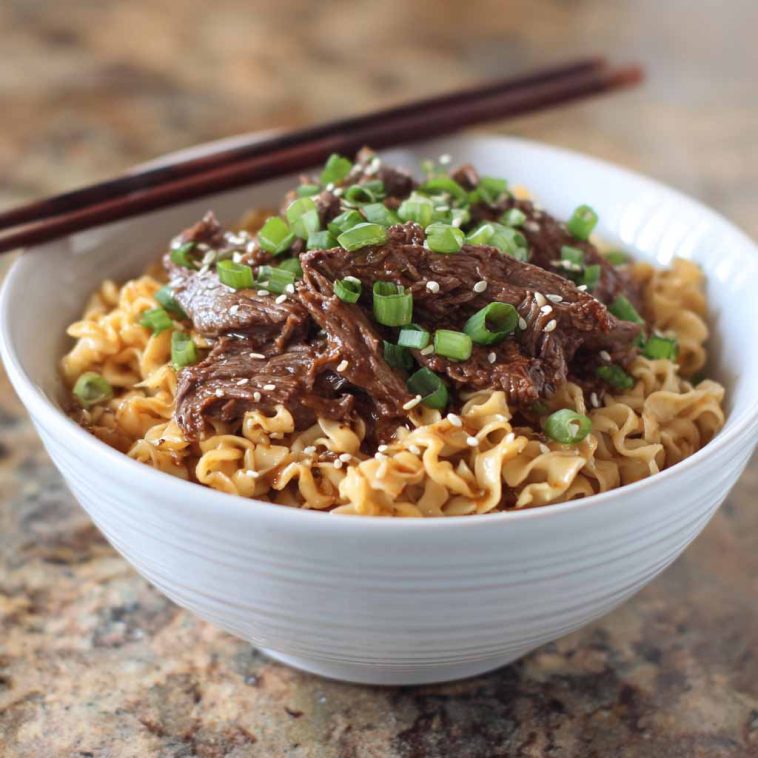
Introduction to Korean Beef Noodles
Few dishes embody comfort food quite like a steaming bowl of noodles, and Korean beef noodles are quickly becoming a global favorite. They combine tender slices of beef with chewy noodles, all bathed in a sauce that balances savory, sweet, spicy, and umami flavors. It’s the kind of dish that feels both hearty and soulful, perfect for cozy nights at home or impressing guests with something vibrant and flavorful. The growing popularity of Korean cuisine worldwide has put dishes like bibimbap, bulgogi, and kimchi in the spotlight—and now Korean beef noodles are joining the ranks. With their bold flavors and approachable preparation, they’re trending across restaurants and home kitchens alike. In this guide, we’ll explore what makes Korean beef noodles unique, the cultural roots behind them, and the key ingredients that bring this comforting dish to life.
What Are Korean Beef Noodles?
Korean beef noodles are a fusion of traditional Korean flavors with the universal appeal of noodle dishes. At their core, they feature marinated beef—often inspired by bulgogi—paired with noodles and vegetables, then tossed in a sauce that balances sweet, savory, and spicy notes.
Unlike Japanese ramen, which emphasizes broth, or Chinese chow mein, which focuses on stir-frying, Korean beef noodles highlight the interplay of marinated meat and bold seasonings. The noodles serve as the canvas, soaking up flavors from gochujang (fermented chili paste), soy sauce, garlic, and sesame oil.
Variations abound: some versions are stir-fried for smoky depth, others are soup-based for warmth, and some lean sweeter with honey or brown sugar. Spicy renditions, often featuring gochugaru (Korean chili flakes), are especially popular. This versatility makes Korean beef noodles a dish that can be tailored to different tastes while staying true to its roots.
Key Ingredients & Flavor Profile
- Beef Cuts: Flank, sirloin, or ribeye are commonly used. Thin slices ensure quick cooking and maximum flavor absorption.
- Noodles: Options range from chewy ramen and udon to lighter rice noodles. Each brings a different texture to the dish.
- Signature Flavors:
- Gochujang: Adds heat and fermented depth.
- Soy Sauce: Provides savory saltiness.
- Sesame Oil: Nutty richness that rounds out the sauce.
- Garlic & Ginger: Aromatic backbone that brightens the dish.
- Balance: Sweetness from sugar or honey, spice from chili paste, and savory umami from soy and beef create harmony.
Together, these elements form a flavor profile that’s bold yet balanced. The beef delivers richness, the noodles provide comfort, and the sauce ties everything together with layers of complexity. It’s a dish that satisfies cravings while showcasing the essence of Korean cooking.
Origins & Cultural Significance
Korean beef noodles draw inspiration from beloved staples like bulgogi (marinated grilled beef) and japchae (glass noodles stir-fried with vegetables and meat). Street food culture in Korea has also influenced the dish, with vendors offering quick, flavorful noodle bowls that highlight bold seasonings and tender beef.
Over time, Korean beef noodles evolved as a hybrid—combining the marinated meat techniques of bulgogi with the noodle-centric appeal of japchae. In modern kitchens, especially in the West, the dish has adapted further, often using ramen or udon noodles and incorporating fusion elements like extra vegetables or different spice levels.
This evolution reflects the adaptability of Korean cuisine: rooted in tradition but open to innovation. Today, Korean beef noodles symbolize both comfort and creativity, bridging cultures while staying true to the flavors that make Korean food so distinctive.
"Korean Beef Noodles Recipe – Easy Asian Dinner"
Equipment
- Large skillet or wok
- Mixing bowls
- Cutting board & knife
- Tongs or chopsticks
- Strainer for noodles
Ingredients
- 1 lb flank steak or sirloin, thinly sliced against the grain
- 2 tbsp soy sauce
- 1 tbsp gochujang (Korean chili paste)
- 1 tbsp sesame oil
- 2 cloves garlic, minced
- 1 tsp fresh ginger, grated
- 1 tbsp brown sugar or honey
- 8 oz noodles (ramen, udon, or rice noodles)
- 1 cup mixed vegetables (bell peppers, carrots, onions)
- 1 tbsp vegetable oil (for stir-frying)
- Garnish: sesame seeds, scallions, cucumber slices
Instructions
- Marinate Beef: Mix soy sauce, gochujang, sesame oil, garlic, ginger, and sugar. Add sliced beef, marinate 30 minutes.
- Cook Noodles: Boil noodles until al dente. Drain, reserving ¼ cup cooking water.
- Stir-Fry Beef: Heat oil in wok. Cook beef quickly over high heat until browned. Remove and set aside.
- Cook Vegetables: Stir-fry vegetables until crisp-tender.
- Combine: Return beef, add noodles, toss with reserved sauce and pasta water for silkiness.
- Finish: Garnish with sesame seeds, scallions, and cucumber. Serve hot.
Notes
- Slice beef thinly against the grain for tenderness.
- Keep heat high for authentic stir-fry flavor.
- Adjust spice by adding more or less gochujang.
- Use lean beef and whole-grain noodles for a healthier version.
- Store leftovers in the fridge up to 3 days; reheat gently to avoid overcooking.