

 Laura Mariano
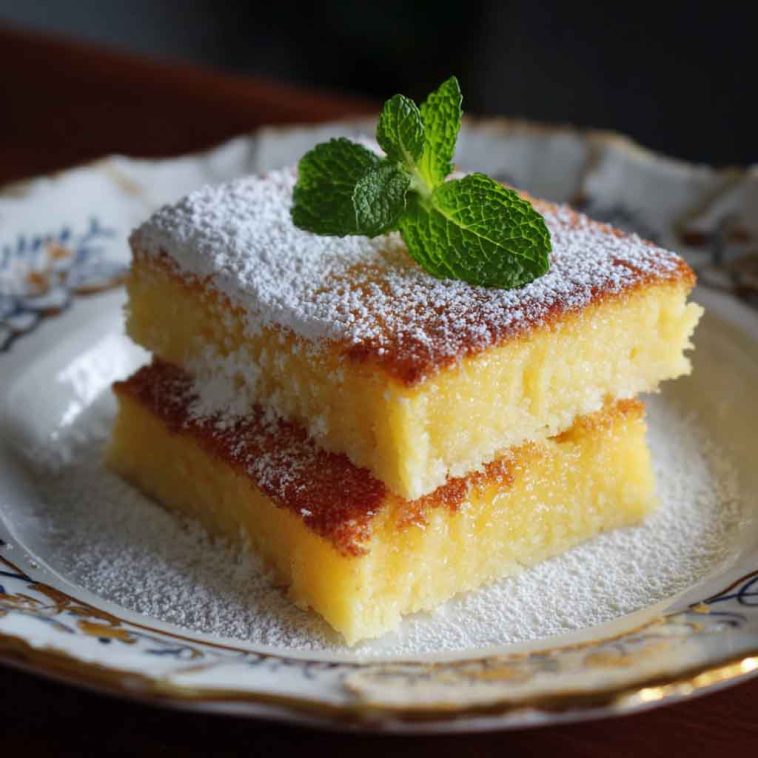
A Slice of Nostalgia
There’s something truly special about desserts that transport you back to childhood. For many, Italian Grandma’s Lemon Custard Cake is one of those recipes—a tender, buttery sponge paired with a silky, tangy lemon custard that feels like a warm hug on a plate. Imagine sitting at the kitchen table, the aroma of fresh lemon zest and baked butter wafting through the air, just like Nonna used to make on Sunday afternoons.
This cake isn’t just dessert—it’s a memory, a tradition, and a celebration of simple, high-quality ingredients. Its balance of sweetness and bright lemon flavor makes it perfect for family gatherings, afternoon tea, or holiday celebrations. Yet despite its elegance, it’s approachable enough for beginner bakers.
In this guide, we’ll take you step by step through baking the sponge, preparing the custard, and assembling the cake to achieve authentic Italian flavor at home. By the end, you’ll have a dessert that’s not only beautiful and delicious but also rich with tradition.
What is Italian Grandma’s Lemon Custard Cake?
Italian Grandma’s Lemon Custard Cake is a classic dessert featuring a soft, buttery sponge enveloping a smooth, tangy lemon custard. Unlike regular lemon cakes, which may rely on simple frosting or glaze, this cake highlights a thick custard layer that is both luscious and bright.
Culturally, this cake is a traditional Italian recipe passed down through generations. It embodies the philosophy of Italian home baking: simplicity, quality ingredients, and a focus on flavor. The tender sponge, custard filling, and light dusting of powdered sugar come together to create a dessert that’s elegant yet comforting, perfect for any occasion from a casual family lunch to festive holiday dinners.
Why You’ll Love This Classic Recipe
There are plenty of reasons this cake is a keeper in your dessert repertoire:
-
Balanced sweetness and tang: The custard provides a bright lemon punch without being overly sour or sweet.
-
Soft, moist texture: The sponge is tender, light, and perfectly complements the creamy custard.
-
Beginner-friendly: Even novice bakers can follow the steps, yet the final result is impressive enough for celebrations.
-
Versatile: Enjoy it as an everyday treat, a party dessert, or a special holiday centerpiece.
With minimal but high-quality ingredients, this cake delivers maximum flavor and satisfaction.
Key Ingredients & Their Role
The magic of this cake lies in understanding each ingredient’s role:
-
Lemon: Both zest and juice are essential. Zest adds aromatic oils and brightness, while juice gives the custard its signature tang.
-
Eggs: Provide structure for the sponge and creaminess for the custard. Fresh eggs ensure a rich, smooth texture.
-
Flour: Cake flour creates a soft, tender crumb; all-purpose flour can be used but may yield a slightly denser sponge.
-
Sugar: Granulated sugar is ideal for the sponge; powdered sugar works for dusting or light glaze finishing.
-
Butter: Adds richness and flavor, creating a tender, moist cake.
-
Milk or cream: Essential for the custard, it ensures smoothness and the right consistency.
-
Optional flavor boosters: Vanilla or almond extract can deepen the flavor. A light glaze or powdered sugar topping adds visual appeal.
Tip: Always select fresh, high-quality ingredients. Fresh lemons, real butter, and fresh eggs make a noticeable difference in taste and texture.
Tools & Equipment You’ll Need
You don’t need a professional kitchen, but these tools make the process smooth:
-
Cake pan: 9-inch round or springform for easy removal.
-
Mixing bowls, whisk, spatula: For combining ingredients efficiently.
-
Zester or microplane: For extracting fine lemon zest.
-
Hand mixer or stand mixer: Ensures smooth, airy batter.
-
Saucepan: For cooking custard without curdling.
-
Cooling rack and serrated knife: For slicing and assembling layers cleanly.
Step-by-Step Instructions
Preparing the Cake Batter
-
Preheat your oven to 350°F (175°C) and grease your cake pan.
-
Cream butter and sugar together until light and fluffy.
-
Add eggs one at a time, mixing well after each addition.
-
Gently fold in sifted flour and a pinch of salt for a tender crumb.
Zesting and Juicing Lemons for Custard
-
Wash lemons and zest them finely, avoiding the bitter white pith.
-
Juice lemons to yield fresh, bright juice for the custard.
Cooking the Custard
-
In a saucepan, whisk together eggs, sugar, lemon juice, and zest.
-
Slowly heat with milk or cream, stirring constantly to prevent curdling.
-
Cook until thickened to a pudding-like consistency. Remove from heat and let cool slightly.
Layering & Baking
-
Bake the sponge until a toothpick inserted comes out clean; let it cool completely.
-
Slice the cake horizontally if layering, or use as a base for custard spread.
-
Spread slightly cooled custard evenly over the cake layer(s).
Finishing Touches
-
Dust with powdered sugar or drizzle with a light glaze.
-
Chill slightly before serving to help custard set and prevent runniness.
Pro Tip: Chilling the custard before spreading ensures clean, even layers and prevents the custard from spilling over the edges.
Flavor Variations & Enhancements
One of the joys of Italian Grandma’s Lemon Custard Cake is how adaptable it is. With a few creative tweaks, you can tailor it to suit different tastes and occasions:
-
Lemon-Blueberry Twist: Gently fold fresh blueberries into the cake batter or scatter them on top of the custard layer before chilling. The sweet-tart contrast brightens each bite.
-
Almond or Hazelnut Crust Variation: Press finely ground nuts into the bottom of the cake pan for a nutty base that adds crunch and depth of flavor.
-
Limoncello Infused Custard: For adult gatherings, add a tablespoon of Limoncello or another citrus liqueur to the custard. It elevates the dessert with a boozy, aromatic note.
-
Mini Tart Versions: Make individual servings in tart pans or muffin tins. Perfect for parties, brunches, or portable desserts.
-
Gluten-Free or Dairy-Free Adjustments: Swap regular flour for almond flour or a gluten-free blend. Use coconut milk or a plant-based cream for the custard to accommodate dietary restrictions.
These variations allow the classic recipe to remain timeless while encouraging experimentation. Whether you want a simple family-friendly cake or an elegant dessert for entertaining, these tweaks can make the cake uniquely yours.
Serving Suggestions
Serve this cake with fresh berries or a dollop of lightly whipped cream for a delicate, airy presentation. A drizzle of lemon glaze adds extra tang and a glossy finish that makes the slices photo-ready.
This cake is perfect for afternoon tea, brunch, or as a light dessert after dinner. For gatherings, slice carefully with a serrated knife to ensure even pieces. Garnish individual servings with a sprig of mint or a few candied lemon peel slices for added visual appeal.
Pairing the cake with a cup of freshly brewed tea, coffee, or a sparkling beverage completes the experience. Its bright citrus notes and creamy custard make it a versatile dessert that’s both comforting and elegant.
Make-Ahead, Storage & Shelf Life
Italian Grandma’s Lemon Custard Cake is ideal for make-ahead preparation. Refrigerate covered with plastic wrap or in an airtight container for 2–3 days. Chilling allows the custard to set perfectly while maintaining cake moistness.
For longer storage, freeze the cake and custard separately. Bake the sponge, wrap it tightly, and freeze; prepare the custard and freeze in a separate container. Assemble once thawed to maintain texture. Avoid freezing the cake with custard already layered—it can become watery upon thawing.
When reheating refrigerated cake, let it come to room temperature for 10–15 minutes to restore flavor and texture. Custard should remain creamy—if it’s slightly firm, a quick gentle stir or short microwave pulse can soften it without curdling.
To keep the cake moist, avoid overbaking the sponge initially and always chill the custard slightly before spreading. These small adjustments ensure every slice is luscious, flavorful, and just like Nonna’s.
Expert Tips for Perfect Lemon Custard Cake
-
Zest before juicing: Maximizes lemon aroma and ensures you don’t miss the flavorful oils.
-
Avoid overmixing batter: Overworked flour develops gluten, making the sponge dense rather than soft and tender.
-
Temper eggs for custard: Slowly add hot milk to eggs while whisking to prevent curdling.
-
Cool layers completely: Spread custard only when the cake is fully cooled to avoid melting and runny layers.
-
Extra stability: A teaspoon of cornstarch in the custard can help it set without altering flavor.
Small details like these elevate your cake from good to exceptional, ensuring it holds together beautifully while delivering creamy, citrusy perfection.
Nutrition & Lightened-Up Options
A standard slice of Italian Grandma’s Lemon Custard Cake contains approximately 250–300 calories, depending on cream and sugar. For a lighter version:
-
Lower-sugar alternatives: Reduce sugar in the sponge and custard or use natural sweeteners like maple syrup or erythritol.
-
Dairy swaps: Replace heavy cream with Greek yogurt, almond, or oat milk to reduce fat while maintaining creaminess.
-
Fiber boost: Fold in berries or substitute part of the flour with almond flour for extra protein and fiber.
-
Portion-friendly servings: Cut mini slices or individual tarts to enjoy controlled portions without sacrificing indulgence.
These modifications let you enjoy a classic dessert while fitting various dietary preferences.
FAQs – Based on People Also Ask
Can I make this cake ahead of time?
Yes. Bake the sponge and prepare custard in advance. Assemble up to a day before serving and store refrigerated.
How do I prevent custard from curdling?
Temper eggs by slowly whisking in warm milk. Cook gently over medium-low heat while constantly stirring.
Can I use bottled lemon juice?
Fresh juice is preferred for bright flavor, but bottled juice works in a pinch. Adjust sweetness as needed.
Can this cake be frozen?
Freeze cake and custard separately. Avoid freezing assembled cake for best texture.
How long does it last in the fridge?
2–3 days when stored in an airtight container.
Can I make it gluten-free?
Yes. Use almond flour or a certified gluten-free flour blend. Texture may vary slightly.
What’s the difference between lemon custard cake and lemon bars?
Lemon bars typically have a dense crust with a thin lemon topping; this cake features a fluffy sponge with thick custard layers.
Can I substitute almond extract for vanilla?
Yes. Almond extract complements lemon flavor, adding a subtle nutty aroma.
Final Thoughts & Call to Action
Italian Grandma’s Lemon Custard Cake is a celebration of simplicity and tradition. Its tender sponge paired with silky, tangy custard creates a timeless dessert that pleases every palate. Experiment with variations—berries, nuts, or Limoncello—and make it your own.
Serve with a cup of tea, coffee, or fresh fruit for an elegant touch, and share the experience with loved ones. Whether for a cozy family afternoon or a festive gathering, this cake brings warmth, flavor, and a little nostalgia to every bite. Try it, savor it, and share your creations with pride!
Italian Grandma’s Lemon Custard Cake – Classic, Creamy & Zesty
Equipment
- 9-inch round cake pan or springform
- Mixing bowls, whisk, spatula
- Zester or microplane
- Hand mixer or stand mixer
- Saucepan for custard
- Cooling rack
- Serrated knife for slicing
Ingredients
For the Cake:
- 1 cup (225 g) unsalted butter, softened
- 1 cup (200 g) granulated sugar
- 4 large eggs
- 1 ½ cups (180 g) cake flour (or all-purpose)
- 1 tsp baking powder
- Pinch of salt
- 1 tsp vanilla extract (optional)
For the Lemon Custard:
- 3 large eggs
- ¾ cup (150 g) granulated sugar
- ½ cup (120 ml) fresh lemon juice (2–3 lemons)
- Zest of 2 lemons
- ½ cup (120 ml) milk or cream
- 1 tsp cornstarch (optional, for stability)
Optional Toppings:
- Powdered sugar for dusting
- Fresh berries or mint
Instructions
Cake:
- Preheat oven to 350°F (175°C). Grease and line a 9-inch pan.
- Cream butter and sugar until light and fluffy.
- Add eggs one at a time, beating well. Stir in vanilla if using.
- Fold in sifted flour, baking powder, and salt gently until combined.
- Pour into prepared pan and bake 30–35 minutes, until a toothpick comes out clean. Cool completely.
Custard:
- In a saucepan, whisk eggs, sugar, lemon juice, and zest.
- Slowly add milk while whisking continuously to temper eggs.
- Heat over medium-low, stirring constantly until thickened. Remove from heat and cool slightly.
- Optional: stir in cornstarch for extra stability.
Assembly:
- Slice cooled cake horizontally if desired.
- Spread slightly cooled custard evenly over the cake layer(s).
- Chill slightly before serving.
- Dust with powdered sugar or drizzle glaze, and garnish with berries or mint if desired.
Notes
- Make-Ahead: Cake and custard can be prepared in advance; assemble 1 day before serving.
- Freezing: Freeze cake and custard separately; assemble after thawing for best results.
- Flavor Variations: Add blueberries, Limoncello, or nuts for unique twists.
- Lightened-Up Option: Use Greek yogurt or almond milk instead of cream and reduce sugar for a lower-calorie version.
- Custard Tips: Chill slightly before spreading to prevent runny layers.