
 Laura Mariano
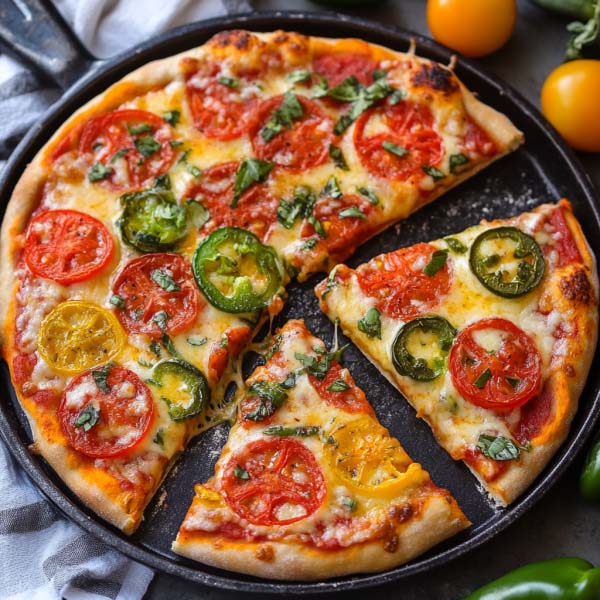
Homemade Margherita Pizza Delight
Welcome to the ultimate homemade pizza experience: the Margherita Pizza. With its thin, crisp crust, vibrant tomato sauce, creamy mozzarella, and fragrant basil leaves, this classic Italian dish embodies simplicity and perfection. Each bite delivers a balance of freshness and indulgence, making it one of the most beloved pizzas worldwide.
What makes Margherita Pizza so special is its ability to transform humble ingredients into something extraordinary. The sauce bursts with the natural sweetness of ripe tomatoes, the mozzarella melts into creamy pools, and the basil adds a refreshing herbal note. Drizzled with olive oil, the flavors come together in harmony.
Whether you’re a seasoned cook or a beginner, preparing Margherita Pizza at home is approachable, rewarding, and endlessly satisfying. It’s not just a meal — it’s an experience that brings the essence of Italy straight to your kitchen.
The Story Behind Margherita Pizza
Margherita Pizza traces its origins to Naples, Italy, the birthplace of modern pizza. In 1889, Queen Margherita of Savoy visited Naples, and a local pizzaiolo, Raffaele Esposito, created a pizza in her honor. He combined tomatoes, mozzarella, and basil to represent the colors of the Italian flag: red, white, and green. The queen adored the dish, and it was named “Pizza Margherita” in her honor.
This story highlights the cultural symbolism of the pizza. The red tomatoes symbolize passion and vitality, the white mozzarella represents purity, and the green basil reflects hope and renewal. Together, they embody national pride and culinary artistry.
Over time, Margherita Pizza became a cornerstone of Italian cuisine, celebrated for its simplicity and authenticity. Unlike heavily topped pizzas, it emphasizes quality ingredients and balance. Today, it remains one of the most popular pizzas worldwide, cherished for its history, flavor, and elegance.
Essential Ingredients & Flavor Profile
The magic of Margherita Pizza lies in its essential ingredients:
- San Marzano Tomatoes: These Italian tomatoes are prized for their sweetness and low acidity, making them ideal for pizza sauce. They create a vibrant, balanced base.
- Mozzarella: Fresh mozzarella offers creamy richness and delicate flavor, while low-moisture mozzarella provides better melt and less water content. Many cooks use a combination for texture and consistency.
- Basil Leaves: Fresh basil adds brightness and herbal fragrance. Torn or chiffonade leaves release aromatic oils that elevate the pizza.
- Olive Oil Drizzle: A finishing drizzle of extra-virgin olive oil adds depth, richness, and a glossy sheen.
Together, these ingredients create a flavor profile that is fresh, savory, and balanced. The crisp crust supports the sauce, cheese, and basil, while olive oil ties everything together.
Step-by-Step Preparation Guide
- Making Dough:
- Combine flour, yeast, water, salt, and olive oil.
- Knead until smooth and elastic. Let rise for 1–2 hours until doubled.
- Sauce Preparation:
- Crush San Marzano tomatoes.
- Sauté garlic in olive oil, add tomatoes, and simmer until thickened. Season with salt.
- Stretching Dough:
- Punch down risen dough.
- Stretch gently into a thin round, avoiding tearing.
- Assembling Pizza:
- Spread sauce evenly over dough.
- Add slices of mozzarella.
- Top with fresh basil leaves.
- Baking:
- Preheat oven to 500–550°F (260–290°C).
- Bake on a pizza stone or steel for 7–10 minutes until crust is crisp and cheese bubbly.
Expert Tip: Use a pizza stone or steel for superior heat retention and a crisp crust.
Tools & Techniques for Perfect Results
- Pizza Stone vs. Baking Sheet: A pizza stone or steel mimics a traditional pizza oven, providing intense heat for a crisp crust. A baking sheet works but may yield a softer base.
- Pizza Peel: Essential for transferring pizza to and from the oven. Dust with flour or cornmeal to prevent sticking.
- Oven vs. Pizza Oven: A home oven can reach 500–550°F, sufficient for great results. A dedicated pizza oven achieves higher temperatures (700–900°F), producing authentic Neapolitan-style pizzas in minutes.
- Knife Skills for Basil Chiffonade: Stack basil leaves, roll tightly, and slice thinly for elegant ribbons. This technique preserves flavor and presentation.
Mastering these tools and techniques ensures your homemade Margherita Pizza rivals restaurant quality.
Homemade Margarita Pizza Delight Recipe | Authentic Italian Pizza Dinner Idea
Equipment
- Mixing bowls
- Measuring Cups and Spoons
- Stand mixer or hands for kneading
- Rolling pin (optional)
- Pizza stone or baking sheet
- Pizza peel (for easy transfer)
- Sharp knife for basil chiffonade
Ingredients
- 2 ½ cups Tipo “00” or bread flour
- 1 tsp salt
- 1 tsp sugar
- 1 packet (7g) active dry yeast
- 1 cup warm water
- 2 tbsp olive oil (plus extra for drizzling)
- 1 cup San Marzano tomatoes (crushed)
- 2 garlic cloves, minced
- 8 oz fresh mozzarella (patted dry)
- Fresh basil leaves
- Optional: grated Parmesan for extra depth
Instructions
- Make Dough: Mix yeast, sugar, and warm water. Let sit 5 minutes until foamy. Add flour, salt, and olive oil. Knead until smooth. Cover and let rise 1–2 hours.
- Prepare Sauce: Sauté garlic in olive oil, add crushed tomatoes, and simmer 10–15 minutes. Season with salt.
- Shape Dough: Punch down risen dough. Stretch into a thin round (10–12 inches).
- Assemble Pizza: Spread sauce thinly over dough. Add mozzarella slices and basil leaves. Drizzle olive oil.
- Bake: Preheat oven to 500–550°F (260–290°C). Bake on pizza stone or baking sheet for 7–10 minutes until crust is crisp and cheese bubbly.
- Serve: Slice and enjoy hot, garnished with extra basil or Parmesan.
Notes
- Flour choice: Tipo “00” flour yields silky dough; bread flour gives chewy texture.
- Mozzarella: Pat fresh mozzarella dry to avoid excess moisture.
- Variations: Add cherry tomatoes, chili flakes, or vegan cashew cheese.
- Storage: Refrigerate leftovers up to 3 days. Reheat in oven or skillet for crispness.
- Freezing: Freeze dough separately for up to 2 months.