Introduction
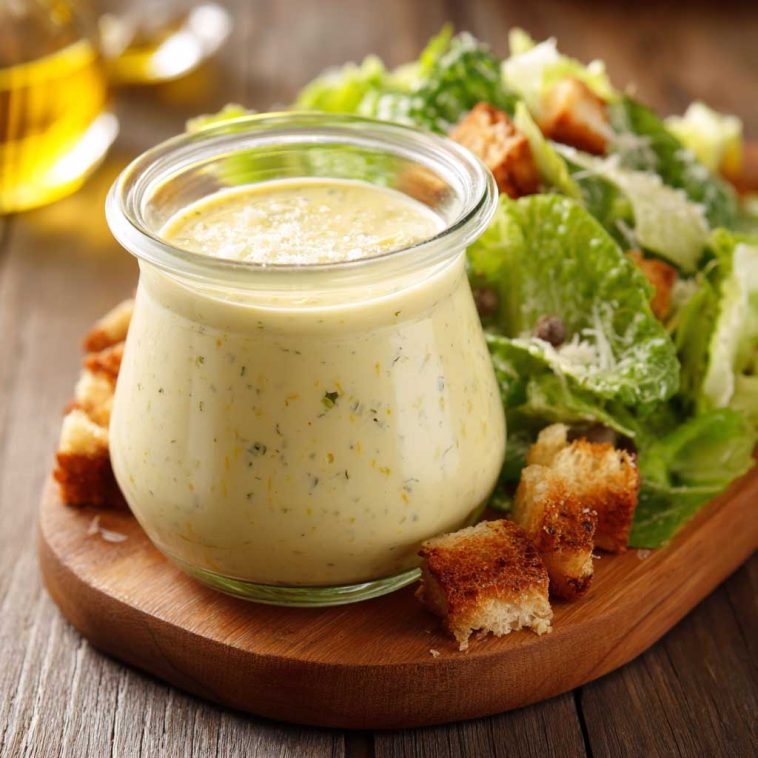
Caesar dressing is a timeless classic, beloved in kitchens and restaurants worldwide. Its rich, tangy flavor and creamy texture make it the star of the famous Caesar salad, yet its versatility extends far beyond leafy greens. From drizzling over grilled chicken and roasted vegetables to tossing with pasta, Caesar dressing elevates any dish with its savory, umami-packed profile.
Making Caesar dressing at home is a game-changer. Unlike store-bought versions, homemade dressing offers fresher flavor, a smoother texture, and full control over ingredients, including saltiness and anchovy intensity. You can skip preservatives, artificial flavors, and overly processed oils, crafting a version that suits your taste perfectly.
The secret lies in authentic ingredients: anchovies for umami, garlic for depth, freshly grated Parmesan for richness, lemon juice for brightness, and high-quality olive oil for a silky base. This combination creates a dressing that’s balanced, creamy, and flavorful in every bite.
Follow this step-by-step guide to create a creamy, tangy, and perfectly balanced Caesar dressing that will elevate any salad, pasta, or grilled dish into something extraordinary.
What Makes Caesar Dressing Special?
Caesar dressing has a unique flavor profile that sets it apart from other salad dressings. Originating in Tijuana, Mexico, and popularized in the U.S., it balances savory, tangy, umami-rich, and creamy elements in every bite. The key ingredients—garlic, anchovies, Parmesan cheese, egg yolks, olive oil, and lemon juice—combine to create a robust yet smooth dressing that clings beautifully to salad leaves.
What makes homemade Caesar dressing even more special is the control it offers. You can adjust creaminess, tanginess, or anchovy intensity to suit your preference. Unlike store-bought versions, homemade dressing avoids preservatives and artificial flavors, delivering a fresher, more vibrant taste. Its silky texture is thick enough to coat greens but not overpower, making it perfect for Caesar salads or as a versatile topping for vegetables, grilled proteins, and pasta dishes.
This balance of flavor, texture, and freshness is why Caesar dressing remains a culinary favorite worldwide.
History and Origins of Caesar Dressing
Caesar dressing was invented by Caesar Cardini in 1924 at his Tijuana restaurant. Originally, it was prepared tableside with fresh ingredients, creating a dramatic and flavorful presentation. The earliest recipes didn’t always include anchovies, which were added later to enhance the umami depth, although Cardini reportedly used Worcestershire sauce for a similar effect.
The dressing quickly gained popularity in the United States, becoming a signature component of upscale salads and restaurant menus. Its creamy texture and tangy, savory flavor inspired countless variations, from lighter versions to richer, anchovy-heavy styles. Today, Caesar dressing is recognized globally as a staple, appreciated for its bold flavor and adaptability in both classic salads and modern culinary creations.
Why You’ll Love This Homemade Version
This homemade Caesar dressing highlights the freshness and quality of real ingredients. By using freshly grated Parmesan, ripe lemon juice, and high-quality olive oil, you’ll get a vibrant, well-balanced dressing that’s superior to store-bought alternatives.
It’s highly customizable: adjust the creaminess, the tang of lemon, or the anchovy intensity to suit your taste. Quick and simple, it can be prepared in under 15 minutes, making it a convenient option for weekday meals or special occasions.
Healthier than many commercial dressings, this recipe avoids preservatives and excess sodium. Tip: Let the dressing rest for 10–15 minutes before serving; the flavors meld beautifully, intensifying the garlicky, tangy, and umami-rich profile.
Ingredients Overview
-
Garlic – adds depth and aromatic pungency
-
Anchovy fillets or paste – provides umami richness
-
Egg yolk or mayonnaise – creates creamy base and emulsification
-
Dijon mustard (optional) – balances flavors and stabilizes dressing
-
Lemon juice – adds bright acidity
-
Olive oil (extra virgin preferred) – silky texture and fruity flavor
-
Parmesan cheese (freshly grated) – nutty, savory richness
-
Salt and black pepper – to taste
Expert notes:
-
Fresh ingredients are essential for authentic flavor.
-
Anchovies can be adjusted or omitted for milder taste.
-
Use a mild, fruity olive oil for a well-balanced dressing.
-
Optional: small amount of water to adjust consistency if needed.
Kitchen Equipment Needed
Proper equipment ensures smooth emulsification and easy preparation, making the process quick and efficient.
Step-by-Step Instructions
Step 1: Prepare Ingredients
Step 2: Make the Base
Step 3: Add Lemon and Oil
-
Slowly drizzle in olive oil while whisking constantly to emulsify.
-
Gradually add lemon juice, tasting for tang.
Step 4: Add Cheese and Seasoning
-
Fold in freshly grated Parmesan.
-
Season with salt and black pepper to taste.
-
If the dressing is too thick, add a small amount of water to reach desired consistency.
Step 5: Taste and Adjust
-
Adjust lemon for acidity, salt for flavor, and anchovies for umami.
-
Tip: Flavors intensify after resting 10–15 minutes.
Step 6: Store or Serve
-
Use immediately or store in an airtight container in the refrigerator for up to 5 days.
-
Bring to room temperature before serving if chilled for a silky, pourable texture.


 Laura Mariano