

 Laura Mariano

Why Homemade Beef Stew Is the Ultimate Comfort Food
There’s something truly timeless about a steaming bowl of homemade beef stew. It’s the kind of meal that instantly wraps you in warmth and comfort — a nostalgic reminder of cozy family dinners and chilly evenings spent around the table. The beauty of making beef stew at home lies not only in its hearty flavors but also in the freedom it gives you to tailor every ingredient to your liking. You control the quality of meat, the freshness of vegetables, and the seasoning balance, making it healthier and more satisfying than store-bought or restaurant versions.
In this article, we’ll walk you through everything you need to know to create a rich, flavorful beef stew from scratch. From choosing the right cut of beef and layering your ingredients perfectly, to cooking techniques and avoiding common pitfalls — plus tips on variations and serving suggestions. By the end, you’ll be equipped to make a stew that’s tender, savory, and deeply comforting.
Essential Ingredients & Their Roles
Great beef stew starts with great ingredients — and knowing their roles helps you build layers of flavor and texture. The star is the beef itself. Cuts like chuck or brisket are ideal because they have enough marbling and connective tissue to break down slowly during cooking, turning tough muscle into tender, melt-in-your-mouth bites.
Vegetables are just as important. Classic choices include carrots, potatoes, and onions. Carrots add sweetness, potatoes bring heartiness, and onions provide a savory backbone. Aromatics like garlic and celery enhance the stew’s depth, while fresh herbs such as thyme, rosemary, and bay leaves infuse subtle earthy notes throughout the cooking process.
The cooking liquid — often a rich beef broth, sometimes boosted with red wine or tomato paste — carries all the flavors and slowly reduces to a luscious, thick sauce. The slow cooking process transforms each element, marrying the robust beef flavor with sweet and savory vegetables and herbs for a truly comforting bowl of stew.
Step-by-Step Guide to Preparing Homemade Beef Stew
Making a fantastic beef stew is a process that rewards patience and attention to detail. Start by preparing your beef: trim off any excess fat and cut it into uniform 1- to 1.5-inch cubes. Uniform pieces cook evenly and help maintain a tender texture.
Browning the beef is a crucial step. Heat a heavy-bottomed pot or Dutch oven and add a little oil. Work in batches to avoid overcrowding — overcrowding traps moisture, leading to steaming rather than searing. Sear the beef cubes until they develop a rich, deep brown crust. This Maillard reaction adds layers of savory complexity to your stew.
Next, sauté your aromatics and vegetables. In the same pot, toss in diced onions, carrots, and celery. Cook until softened and fragrant. This step builds flavor right from the base. To lift all those tasty browned bits stuck to the pot (called fond), deglaze with a splash of red wine or beef broth, scraping the bottom with a wooden spoon to incorporate those caramelized bits into your stew’s base.
Combine the browned beef, sautéed veggies, and remaining ingredients — broth, herbs, and seasonings. Bring to a gentle simmer and transfer the pot to your preferred cooking method:
-
Stovetop: Simmer gently on low heat, covered, for 2–3 hours until beef is tender.
-
Oven: Cook in a 325°F oven, covered, for 2–3 hours for even heat distribution.
-
Slow Cooker: Cook on low for 6–8 hours or high for 4–5 hours; convenient but lacks searing step unless done beforehand.
-
Instant Pot: Use the pressure cooker function for about 35–45 minutes; great for speed but watch seasoning balance.
Throughout cooking, keep the stew at a low simmer to prevent toughening the meat and to encourage flavor melding. Timing depends on meat cut and method, but patience pays off with tender beef and a rich broth.
Cooking Techniques for Tender Meat and Rich Broth
The secret to tender beef stew lies in low and slow cooking. Slow heat allows tough collagen in the meat to break down gradually into gelatin, giving the broth body and the beef that irresistible fork-tender texture.
Add vegetables at the right time to avoid mushiness. Root vegetables like carrots and potatoes take around an hour to soften, so add them after the beef has already been cooking for a while. Leafy or delicate veggies can go in closer to the end if you want to add freshness.
To thicken your stew naturally, you have options: a classic flour or cornstarch slurry stirred in near the end creates a velvety finish. Alternatively, let the stew reduce uncovered for 15-20 minutes to concentrate flavors and thicken the liquid.
Herbs make a huge difference. Use fresh herbs for brightness—toss in a sprig of thyme or rosemary during cooking and remove before serving. Dried herbs work well but are more potent, so add sparingly and early on for best infusion.
Lastly, always taste and adjust seasoning at the end. Salt enhances all the flavors, while a dash of pepper or even a squeeze of lemon juice can brighten the rich stew.
Common Mistakes to Avoid When Making Beef Stew
Even seasoned cooks can stumble when making beef stew. Here are common missteps to watch out for:
-
Skipping the browning step: It’s tempting to dump everything in at once, but searing beef cubes is essential for deep, savory flavor.
-
Adding vegetables too early: This often results in mushy veggies and uneven cooking. Add root vegetables later for perfect texture.
-
Overcooking or undercooking beef: Overcooked beef can become dry and stringy; undercooked beef will be tough. Low and slow heat is key.
-
Using the wrong cut of meat: Lean cuts lack the collagen needed for tenderness and flavor development. Stick to chuck, brisket, or similar cuts.
-
Not seasoning properly: Add salt gradually throughout cooking, not just at the end, to build layers of flavor.
Avoiding these pitfalls guarantees a rich, tender, and deeply satisfying beef stew every time.
Flavor Variations & Creative Twists
One of the best things about beef stew is how wonderfully adaptable it is. The classic version—with tender beef, carrots, potatoes, and rich broth—is a timeless favorite, but don’t hesitate to get creative. Try international-inspired twists like an Irish Guinness stew, where the broth is enriched with dark beer and aromatic herbs, or a Moroccan tagine-inspired stew featuring warm spices like cumin, cinnamon, and preserved lemons.
Swap out traditional root vegetables for turnips, parsnips, or sweet potatoes to add unique sweetness and texture. For extra depth, enrich your stew with tomato paste, red wine, or even a splash of balsamic vinegar. These ingredients boost umami and give the sauce a beautiful complexity.
If you’re cooking for plant-based friends or want a lighter meal, explore vegetarian or vegan “stews” using hearty mushrooms, lentils, and beans, combined with similar herbs and spices for that familiar beef stew flavor profile.
For those needing gluten-free options, skip flour-based thickeners and use cornstarch, arrowroot powder, or reduce the stew longer to naturally thicken the sauce without compromising taste.
Serving Suggestions & Perfect Pairings
Beef stew is versatile enough to pair with many comforting sides. Crusty artisan bread is perfect for soaking up the luscious broth, while creamy mashed potatoes or buttered egg noodles make the meal even more hearty. For a lighter touch, serve with steamed green beans or a simple mixed greens salad dressed with a tangy vinaigrette.
When it comes to beverages, robust red wines like Cabernet Sauvignon, Merlot, or Malbec complement the rich flavors beautifully. If you prefer beer, a malty amber ale or stout enhances the stew’s depth.
For family dinners or entertaining, serve the stew in rustic bowls, garnished with fresh herbs like parsley or thyme. A side of homemade bread or soft dinner rolls completes the inviting, homey presentation.
Storage, Reheating & Freezing Tips
Leftover beef stew tastes even better the next day as the flavors have more time to meld. Store your stew in airtight containers in the refrigerator for up to 3–4 days. When reheating, do so gently on the stovetop over low heat to prevent drying out the meat. Stir occasionally and add a splash of broth or water if the sauce feels too thick.
Beef stew freezes well, making it ideal for batch cooking. Cool completely before transferring to freezer-safe containers or heavy-duty zip-top bags. Label with the date and consume within 2–3 months for best quality. Thaw overnight in the refrigerator before reheating.
Avoid reheating multiple times as this can degrade the texture and flavor. If frozen, thaw fully before warming through to ensure even heating.
Frequently Asked Questions (FAQs)
What’s the best cut of beef for stew?
Chuck roast is the gold standard for stew due to its perfect balance of fat and connective tissue, which breaks down beautifully when cooked low and slow. Brisket and short ribs also work well but can be pricier.
Can I use frozen beef or vegetables?
Yes! Frozen beef and vegetables are convenient and safe to use. Just thaw beef completely before cooking to ensure even browning. Frozen vegetables can be added directly but may release more water, so adjust cooking times accordingly.
How long does beef stew need to cook?
Typically, 2–3 hours on the stovetop or in the oven at low heat. Slow cookers require 6–8 hours on low. Instant Pots cook it in about 35–45 minutes under pressure. The goal is fork-tender meat.
How to make stew thicker or thinner?
To thicken, add a slurry of flour or cornstarch mixed with cold water near the end of cooking. For a thinner stew, add extra broth or water and simmer to your preferred consistency.
Can I make beef stew in a slow cooker or Instant Pot?
Absolutely! Slow cookers offer set-it-and-forget-it convenience but don’t brown the meat, so consider browning separately for best flavor. Instant Pots speed up cooking with pressure but watch seasoning levels as flavors concentrate differently.
Is beef stew healthy?
Yes, when made with lean cuts and plenty of vegetables, beef stew can be a balanced, nutrient-rich meal. It’s high in protein and vitamins from veggies but watch added salt and fat.
Can I prepare beef stew in advance?
Yes! Stew often tastes better the next day as flavors meld. Make ahead and store refrigerated or frozen for easy meals.
What are good substitutes for potatoes or carrots?
Sweet potatoes, parsnips, turnips, or rutabagas work well. For a lower-carb option, try cauliflower florets or butternut squash.
Conclusion & Encouragement to Experiment
Homemade beef stew is a delicious, soul-warming classic that invites you to experiment and make it your own. With a few simple techniques and ingredient swaps, you can create endless variations to suit your taste. Dive in, enjoy the process, and don’t forget to share your favorite twists!
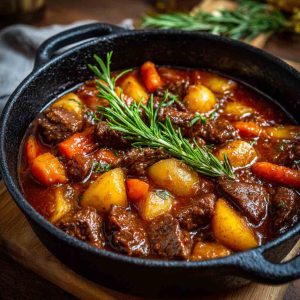
Homemade Beef Stew Recipe
Equipment
- Large heavy-bottomed pot or Dutch oven
- Knife and cutting board
- Wooden spoon or spatula
- Measuring Cups and Spoons
- Slow cooker or Instant Pot (optional)
Ingredients
- 2 lbs beef chuck, trimmed and cut into 1- to 1.5-inch cubes
- 2 tablespoons vegetable oil
- 1 large onion, diced
- 3 cloves garlic, minced
- 3 large carrots, peeled and cut into chunks
- 3 medium potatoes, peeled and cut into chunks
- 2 stalks celery, diced
- 4 cups beef broth (low sodium preferred)
- 1 cup dry red wine or additional beef broth
- 2 tablespoons tomato paste
- 2 teaspoons fresh thyme (or 1 teaspoon dried)
- 2 bay leaves
- Salt and black pepper, to taste
- 2 tablespoons all-purpose flour or cornstarch (optional, for thickening)
- Fresh parsley, chopped (for garnish)
Instructions
- Prepare the beef: Pat beef cubes dry with paper towels. Season with salt and pepper.
- Brown the beef: Heat oil in a large pot over medium-high heat. Working in batches, brown beef cubes until deep golden on all sides. Remove and set aside.
- Sauté vegetables: In the same pot, add onions, garlic, carrots, and celery. Cook until softened, about 5 minutes.
- Deglaze: Stir in tomato paste and cook 1 minute. Add red wine (or broth) to deglaze, scraping up browned bits from the pot bottom.
- Combine ingredients: Return beef to the pot. Add potatoes, beef broth, thyme, and bay leaves. Stir to combine.
- Simmer: Bring to a simmer, then reduce heat to low and cover. Cook for 2.5–3 hours, stirring occasionally, until beef is tender. (Alternatively, transfer to a 325°F oven for same time, or cook in slow cooker on low for 6–8 hours.)
- Thicken (optional): Mix flour or cornstarch with a few tablespoons of cold water to make a slurry. Stir into stew and cook 5–10 minutes until thickened.
- Season and serve: Remove bay leaves. Taste and adjust salt and pepper. Garnish with fresh parsley before serving.
Notes
- For extra flavor, brown meat in batches and don’t overcrowd the pan.
- Use fresh herbs whenever possible; dried herbs should be added earlier to release flavor.
- Feel free to swap potatoes for sweet potatoes or add other root vegetables.
- To make gluten-free, substitute cornstarch for flour in thickening step.
- This stew tastes even better the next day and freezes well for up to 3 months.
- Adjust consistency by adding more broth for a soupier stew or reducing liquid for thickness.