

 Laura Mariano
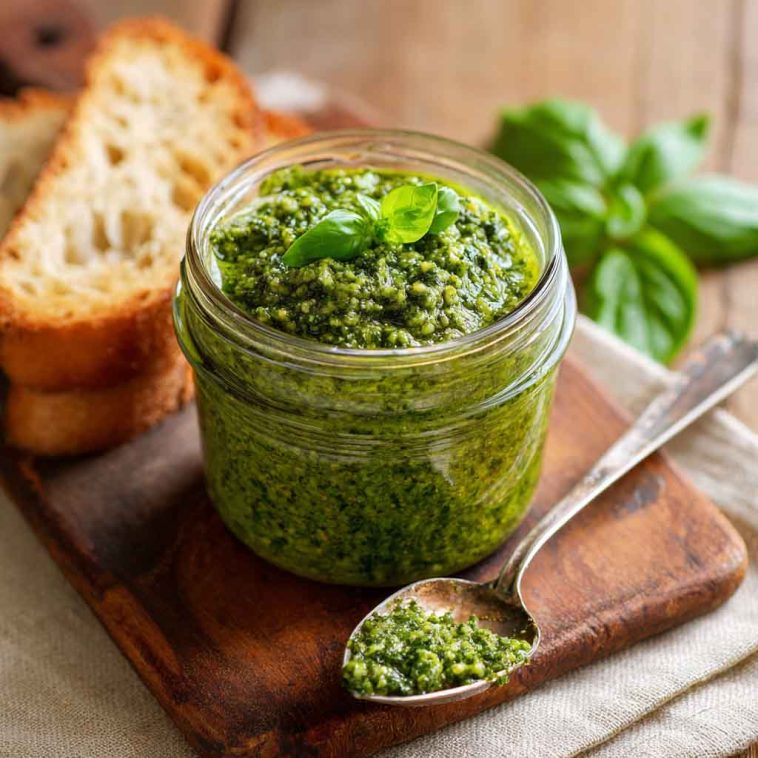
The Magic of Homemade Basil Pesto
Why settle for store-bought when homemade basil pesto bursts with freshness, bold flavors, and personal flair? Whether you’re spreading it on crusty bread, tossing it with pasta, or spooning it over grilled meats or veggies, nothing compares to the bright, herby punch of pesto made from scratch.
Pesto is a vibrant green sauce that embodies the essence of summer. Its simplicity is part of its magic—just a handful of ingredients blended together to create something extraordinary. At its core, basil pesto is about balance: aromatic herbs, creamy nuts, salty cheese, and rich olive oil all working in harmony.
This guide will walk you through everything you need to know to master homemade basil pesto. From understanding its Italian roots to perfecting texture and flavor, you’ll learn how to create a version that’s better than anything you’ll find in a jar.
What Is Basil Pesto?
Basil pesto, or pesto alla Genovese, hails from Genoa, the capital of Liguria in northwestern Italy. Traditionally, it’s made with fresh basil, garlic, pine nuts, Parmesan cheese, coarse salt, and extra virgin olive oil. It’s a recipe deeply tied to Italian culinary heritage and still celebrated for its simplicity and bold flavor.
The word “pesto” comes from the Italian verb pestare, which means “to pound” or “to crush.” This reflects the traditional preparation method—grinding the ingredients together using a mortar and pestle to release their natural oils and flavors.
While variations exist today, especially outside Italy, true basil pesto is a celebration of fresh ingredients and careful preparation. Whether used as a pasta sauce, sandwich spread, or dip, it delivers a bright, herbaceous flavor that instantly elevates any dish.
Essential Ingredients for Authentic Pesto
To make authentic basil pesto, each ingredient plays a vital role:
-
Basil: Fresh, aromatic basil is the star. For the best flavor, use Genovese basil, known for its sweet, slightly peppery taste. Avoid wilted or bitter leaves.
-
Nuts: Pine nuts are the traditional choice, offering a rich, buttery texture. However, you can substitute with walnuts, almonds, or even cashews for different flavor profiles or budget-friendly options.
-
Cheese: Parmesan Reggiano adds umami and depth, while some versions include Pecorino Romano for a saltier, sharper kick. Grate it finely to blend smoothly.
-
Garlic: A clove or two of fresh garlic adds sharpness and complexity. Use it raw, but in moderation, as it can overpower other flavors.
-
Olive Oil: Choose a high-quality extra virgin olive oil for its fruity richness. It binds the pesto and enhances every ingredient.
-
Seasoning: A pinch of salt brings it all together. Freshly ground black pepper can add a hint of warmth if desired.
Each component should be fresh and high-quality—the key to a truly vibrant pesto.
Traditional vs. Modern Methods: Making Pesto
Traditional Method: The classic way to make pesto is with a mortar and pestle. This slow, deliberate process gently crushes the ingredients, releasing essential oils and preserving delicate flavors. The result? A textured, aromatic pesto with incredible depth and a slightly coarse finish.
Modern Method: Today, most home cooks turn to a food processor or blender for speed and convenience. It’s efficient and produces a smooth, creamy consistency in minutes. While it may lose a bit of the rustic charm and subtle layering of flavors, the taste is still excellent when using fresh ingredients.
Comparison:
-
Mortar and pestle: More time-consuming, but offers better control over texture and taste. Ideal for purists and special occasions.
-
Food processor/blender: Quick, easy, and great for everyday use. Overprocessing, however, can lead to a paste-like consistency if not done carefully.
Ultimately, both methods can yield delicious pesto—the choice depends on your time, tools, and preference for texture.
Step-by-Step Guide to Making Homemade Basil Pesto
Step 1: Prepare the Basil
Start by gently washing the basil leaves under cold water to remove dirt or debris. Pat them dry thoroughly with a paper towel or salad spinner—excess moisture can cause the pesto to become watery or spoil faster.
Step 2: Toast the Nuts
Place the pine nuts (or nut alternative) in a dry skillet over medium heat. Toast them for 2–3 minutes, stirring frequently, until they’re golden and fragrant. Let them cool before blending—this step enhances their nutty flavor and adds depth to your pesto.
Step 3: Combine the Ingredients
In a food processor, combine the basil leaves, toasted nuts, garlic, and a pinch of salt. Pulse until finely chopped. Scrape down the sides as needed.
Step 4: Add Olive Oil Gradually
With the processor running, slowly drizzle in the olive oil until the mixture becomes smooth and cohesive. You can adjust the amount depending on how thick or pourable you want your pesto.
Step 5: Incorporate Cheese
Add freshly grated Parmesan (and/or Pecorino) to the processor and pulse just until combined. Taste and adjust seasoning with more salt or a bit of pepper, if desired.
Optional: Adjust Consistency
If the pesto is too thick, you can thin it with a bit more olive oil or even a splash of pasta water when serving.
Storage Tip
Store pesto in an airtight container with a thin layer of olive oil on top to prevent browning. It keeps well in the fridge for up to a week or can be frozen in ice cube trays for future use.
Common Mistakes to Avoid
Even a simple sauce like pesto can go wrong if you’re not careful. Here are a few pitfalls to avoid:
-
Overprocessing: Blending for too long creates a dense, paste-like texture instead of a light, airy sauce. Pulse gently for better control.
-
Using Old Basil: Wilted or bruised basil leaves lose their vibrant flavor and turn the pesto dull in both taste and color.
-
Skipping Toasting Nuts: This easy step adds rich, nutty undertones. Raw nuts work, but toasted ones take it to the next level.
-
Not Adjusting Seasoning: Every batch of pesto is slightly different. Always taste and adjust with salt or cheese to balance the flavors.
-
Adding All the Oil at Once: Pouring olive oil too quickly can lead to separation. Drizzle it in gradually for the best texture.
Creative Variations of Basil Pesto
While traditional basil pesto is beloved for good reason, there’s plenty of room to experiment with variations that suit different tastes and dietary needs.
-
Vegan Pesto: To make pesto vegan, simply replace the cheese with nutritional yeast. It mimics the umami and slightly cheesy flavor of Parmesan, keeping the sauce rich and flavorful.
-
Nut-Free Pesto: For those with allergies or preferences, swap nuts for sunflower seeds, pumpkin seeds, or even hemp hearts. These alternatives maintain the creamy texture while adding a unique twist.
-
Spicy Pesto: Want to add a kick? Mix in red pepper flakes, chili oil, or a touch of fresh jalapeño. This spicy variation pairs especially well with grilled veggies or roasted potatoes.
-
Herb Blends: Basil doesn’t have to go solo. Try mixing it with mint for freshness, parsley for earthiness, or arugula for a peppery bite. These combinations bring new depth and nuance to the classic.
With just a few tweaks, pesto becomes a canvas for creativity—tailor it to your taste or to what’s in your fridge.
How to Use Homemade Basil Pesto
Homemade basil pesto is incredibly versatile—here are some delicious ways to incorporate it into your meals:
-
Pasta: The most classic use. Simply toss pesto with freshly cooked pasta and a splash of reserved pasta water for a creamy, cohesive sauce. Great with spaghetti, penne, or gnocchi.
-
Sandwiches & Wraps: Spread pesto on toasted bread, wraps, or panini for a burst of herbal flavor. It’s excellent in grilled cheese, turkey sandwiches, or even breakfast egg wraps.
-
Grilled Meats & Vegetables: Use pesto as a marinade or topping for chicken, steak, or fish. It also elevates grilled zucchini, eggplant, and mushrooms.
-
Soups & Salads: Stir a spoonful into vegetable soups, especially minestrone or tomato-based broths. Drizzle over caprese salads, roasted beet salads, or mixed greens for a herby finish.
Whether you’re whipping up a quick lunch or impressing guests at dinner, pesto’s vibrant flavor adds flair to just about anything.
Storing and Freezing Pesto
Proper storage keeps your homemade pesto fresh and flavorful:
-
Refrigeration: Transfer pesto to an airtight container and smooth the top. Pour a thin layer of olive oil over the surface to prevent oxidation and browning. Store in the refrigerator for up to 1 week.
-
Freezing: For longer storage, freeze pesto in ice cube trays. Once frozen, transfer the cubes to a freezer-safe bag or container. This makes it easy to portion out just what you need. Pesto can be frozen for up to 6 months without significant loss of flavor.
-
Thawing: Defrost in the fridge overnight or add a frozen cube directly into hot pasta or soups for quick use.
Tip: If you’re freezing pesto, consider leaving out the cheese and stirring it in fresh after thawing for the best texture and taste.
Nutritional Benefits of Basil Pesto
Beyond its bold flavor, basil pesto also offers several health perks:
-
Healthy Fats: The extra virgin olive oil and nuts (like pine nuts or walnuts) in pesto are rich in monounsaturated fats that support heart health.
-
Antioxidants: Basil, garlic, and olive oil all contain powerful antioxidants that help fight inflammation and support the immune system.
-
Protein: Nuts and Parmesan cheese provide a small but significant amount of protein, making pesto a great way to add balance to vegetarian meals.
-
Low-Carb: Naturally low in carbohydrates and sugar, pesto is suitable for low-carb, keto, and gluten-free diets (just make sure your cheese and pasta pairings are compliant).
When made with fresh, wholesome ingredients, pesto is more than just a tasty sauce—it’s a nutrient-rich addition to your meals.
FAQs: Common Questions About Basil Pesto
Can I use dried basil instead of fresh?
Fresh basil is essential for authentic pesto. Dried basil lacks the bright, aromatic qualities needed and results in a dull, muted flavor. If fresh basil isn’t available, consider using parsley or arugula instead.
What can I substitute for pine nuts?
Try walnuts, almonds, cashews, or sunflower seeds. Each brings a slightly different flavor and texture—walnuts offer richness, while sunflower seeds are great for a nut-free version.
Is pesto gluten-free?
Yes! Traditional pesto contains no gluten, making it safe for gluten-sensitive or celiac individuals. Just ensure any pasta or bread you pair it with is also gluten-free.
How can I make pesto spicier?
Add red pepper flakes, chili powder, or even a bit of hot sauce. Start with a small amount and increase to taste.
Can I make pesto without a food processor?
Absolutely. Use a mortar and pestle for a traditional approach. It takes more time but rewards you with a richer flavor and satisfying texture.
Serving Suggestions & Pairings
Bring your pesto presentation to the next level with these simple yet elegant touches:
-
Wine Pairings: A crisp Sauvignon Blanc or Vermentino complements the herbal brightness of pesto. If you prefer reds, go for something light and fruity like Pinot Noir.
-
Side Dishes: Serve pesto alongside a fresh green salad, roasted cherry tomatoes, or crusty artisan bread for a rustic, satisfying meal.
-
Presentation Tips: Spoon pesto into a shallow bowl and top with a drizzle of olive oil, a few toasted pine nuts, or a sprinkle of grated Parmesan. Garnish with a basil leaf for an extra touch of freshness.
Whether you’re serving it as an appetizer, a main course, or part of a bigger spread, a thoughtfully plated pesto dish adds charm and flavor to any table.
Homemade Basil Pesto – Fresh, Flavorful & Easy to Make
Equipment
- Food processor or blender (or mortar and pestle for traditional method)
- Small skillet (for toasting nuts)
- Spatula
- Measuring Cups and Spoons
- Airtight container (for storage)
Ingredients
- 2 cups fresh basil leaves, packed (preferably Genovese)
- ¼ cup pine nuts (or walnuts, almonds, or sunflower seeds)
- ½ cup freshly grated Parmesan cheese (or Pecorino Romano)
- 1–2 cloves garlic, peeled
- ½ cup extra virgin olive oil, plus more for storing
- ¼ teaspoon sea salt, or to taste
- Freshly ground black pepper (optional)
Instructions
Toast the Nuts
- In a dry skillet over medium heat, toast pine nuts for 2–3 minutes until golden and fragrant. Stir frequently to avoid burning. Set aside to cool.
Prepare the Basil
- Rinse basil leaves under cold water and dry thoroughly using paper towels or a salad spinner to avoid watery pesto.
Blend Ingredients
- In a food processor, combine basil, toasted nuts, garlic, and salt. Pulse until roughly chopped.
Add Olive Oil Gradually
- With the processor running, slowly drizzle in the olive oil until the mixture is smooth and creamy. Scrape down the sides as needed.
Incorporate Cheese
- Add the grated Parmesan and pulse just until combined. Taste and adjust seasoning with more salt or pepper as desired.
Store or Serve
- Use immediately, or transfer to a jar and cover the surface with a thin layer of olive oil. Seal tightly and refrigerate for up to 1 week or freeze in cubes for up to 6 months.
Notes
- Vegan Option: Substitute cheese with 2–3 tablespoons of nutritional yeast.
- Nut-Free Option: Use sunflower seeds, pumpkin seeds, or hemp seeds.
- Spicy Variation: Add ¼ teaspoon red pepper flakes or a small piece of fresh chili.
- Herb Blends: Mix basil with parsley, mint, or arugula for unique flavor variations.
- Freezing Tip: Pour into ice cube trays for perfect single-use portions.
- Cheese-Free Freezing: For better texture, omit cheese before freezing, and stir it in after thawing.