

 Laura Mariano
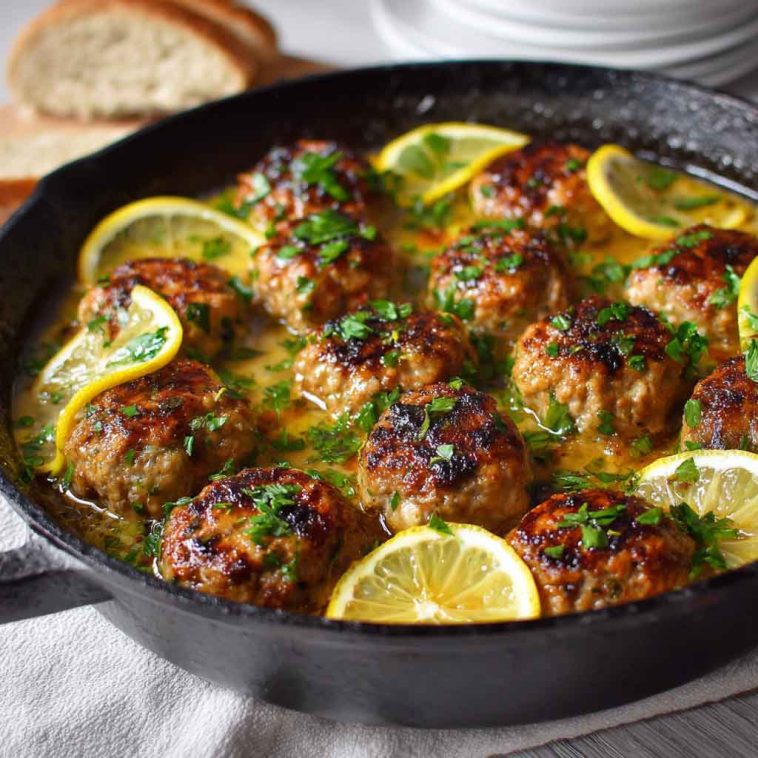
Introduction to Greek Meatballs in Lemon Sauce
Welcome to one of my favorite comfort foods—Greek Meatballs in Lemon Sauce. I still remember the first time I tasted these at a family gathering in Athens, where the aroma of herbs and citrus filled the kitchen. It was love at first bite. These meatballs, known as keftedes, are tender, juicy, and infused with Mediterranean flavors. But what truly sets them apart is the lemon sauce—bright, tangy, and silky, it wraps each bite in a layer of sunshine. Whether you’re new to Greek cuisine or a longtime fan, this dish is a must-try. The keyword “Greek meatballs in lemon sauce” naturally fits into any conversation about cozy, flavorful meals that feel both rustic and refined. Let’s dive into what makes this dish so special and how you can recreate it at home.
What Are Greek Meatballs (Keftedes)?
Greek meatballs, or keftedes, are a beloved staple in Greek cuisine. Traditionally made with a mix of ground beef and pork, they’re seasoned with fresh herbs like mint and parsley, and often include soaked bread for a soft texture. Keftedes are typically pan-fried and served as part of a mezze platter or main dish. A smaller version, keftedakia, is bite-sized and often served at parties or as appetizers. While recipes vary by region and family tradition, the essence remains the same—flavorful, juicy meatballs with a Mediterranean twist. Pairing them with lemon sauce elevates their taste and adds a refreshing contrast to the savory richness of the meat.
Why Lemon Sauce Makes All the Difference
The lemon sauce is what transforms these Greek meatballs from delicious to unforgettable. Known as avgolemono in traditional Greek cooking, this sauce combines lemon juice and eggs to create a creamy, tangy finish—without using any cream. It’s bright, citrusy, and adds a layer of complexity that balances the richness of the meat. While avgolemono requires careful tempering, simplified versions use flour or cornstarch for ease and stability. Either way, the lemon sauce enhances the herbs and aromatics in the meatballs, making each bite pop with flavor. It’s the perfect example of how a simple ingredient—lemon—can elevate a dish to something truly special.
The Secret to Soft and Juicy Meatballs
Achieving soft and juicy Greek meatballs starts with the right technique. First, soak bread in milk or water and mix it into the meat—this adds moisture and tenderness. A blend of ground beef and pork gives the best texture and flavor, but you can use just one if preferred. The key is not to overmix the meat; gentle folding keeps the mixture light. Fresh herbs like mint, parsley, and oregano add brightness, while grated onion and garlic deepen the flavor. When it comes to cooking, pan-frying gives a crispy exterior, baking is healthier and hands-off, and simmering in lemon sauce infuses the meatballs with tangy goodness. Each method has its charm, but simmering is ideal for this dish. Don’t forget to chill the mixture before shaping—it helps the meatballs hold together. With these tips, your keftedes will be tender, flavorful, and ready to impress.
Ingredient Highlights & Substitutions
Greek meatballs in lemon sauce rely on a few key ingredients: ground meat, soaked bread, fresh herbs, and citrus. For gluten-free diets, swap bread for gluten-free oats or almond flour. Dairy-free? Use water or plant-based milk to soak the bread. If you’re watching carbs, skip the bread altogether and add a beaten egg for binding. Flavor boosters like mint, oregano, and dill bring a fresh, herbal punch—feel free to adjust based on your taste. Lemon is non-negotiable, but you can add a splash of white wine vinegar for extra zing. Parmesan or feta can be mixed into the meat for richness, or left out for a lighter version. These substitutions make the dish flexible without sacrificing its signature flavor.
Step-by-Step Preparation Overview
Start by soaking bread in milk or water until soft. In a large bowl, combine ground meat, soaked bread, grated onion, garlic, herbs, and seasonings. Mix gently until just combined. Chill the mixture for 30 minutes to firm it up. Shape into meatballs and choose your cooking method: pan-fry in olive oil until golden, bake at 400°F for 20 minutes, or simmer directly in lemon sauce. For the sauce, whisk lemon juice with broth and a thickener like cornstarch or egg yolks. Simmer gently until slightly thickened. Add the cooked meatballs and let them absorb the flavors. This dish is perfect for prepping ahead—make the meatballs and freeze them raw or cooked. The lemon sauce can be made fresh or stored for a few days. Batch cooking is easy: double the recipe and freeze half for later. With minimal effort, you’ll have a flavorful, comforting meal ready to go.
Serving Suggestions & Pairings
Greek meatballs in lemon sauce pair beautifully with fluffy rice, roasted potatoes, or warm pita bread. For a lighter option, serve with a crisp Greek salad or steamed greens. Garnish with lemon zest, chopped parsley, or crumbled feta for extra flavor and color. A chilled glass of white wine like Assyrtiko or Sauvignon Blanc complements the citrus notes perfectly. For non-alcoholic options, try sparkling water with lemon or a cucumber-mint cooler. Whether served as a main course or part of a mezze spread, these meatballs are versatile, satisfying, and sure to impress.

Greek Meatballs in Lemon Sauce Recipe – Tender Meatballs in Creamy Avgolemono Citrus Sauce
Equipment
- Mixing bowl
- Whisk
- Skewers (metal or soaked wooden)
- Grill or grill pan
- Tongs
- Meat thermometer (optional)
Ingredients
- 1 lb (450g) boneless skinless chicken breasts or thighs, cut into chunks
- 1 cup full-fat coconut milk
- 2 tbsp soy sauce or tamari
- 1 tbsp fish sauce
- 2 cloves garlic, minced
- 1 tbsp brown sugar or honey
- 1 tsp ground coriander
- ½ tsp turmeric
- Juice of 1 lime
- 1 tbsp chopped fresh cilantro (optional)
- Salt and pepper to taste
- Lime wedges and chopped peanuts (for garnish)
Instructions
- Prepare the marinade: In a bowl, whisk together coconut milk, soy sauce, fish sauce, garlic, brown sugar, coriander, turmeric, lime juice, and cilantro.
- Marinate the chicken: Add chicken pieces to the marinade, cover, and refrigerate for 1–2 hours.
- Preheat the grill: Set your grill or grill pan to medium-high heat.
- Skewer the chicken: Thread marinated chicken onto skewers.
- Grill: Cook skewers for 10–12 minutes, turning occasionally, until chicken is golden and cooked through (internal temp 165°F/74°C).
- Serve: Garnish with lime wedges and chopped peanuts. Serve with rice or salad.
Notes
- Make it spicy: Add chili flakes or sriracha to the marinade.
- Vegetarian option: Substitute chicken with tofu or mushrooms.
- Meal prep tip: Freeze marinated chicken in bags for future grilling.
- No grill? Use a broiler or stovetop grill pan.
- Pairing idea: Serve with Thai peanut sauce or mango salsa for extra flavor.