
 Laura Mariano
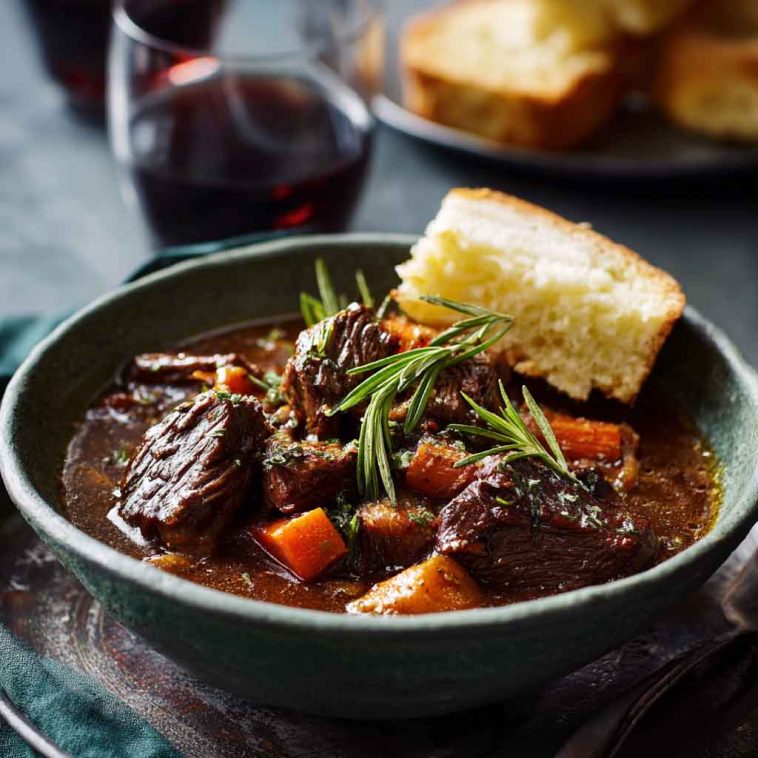
The Comfort of French-Style Beef Stew
Few dishes embody comfort quite like a French-style beef stew. With its rich flavors, tender meat, and aromatic broth, it’s the kind of recipe that warms both body and soul. Timeless and elegant, this stew has been cherished for generations, often served on cozy winter evenings or at family gatherings where food is more than sustenance—it’s tradition.
The beauty of French beef stew lies in its slow-cooked simplicity. Each step, from browning the beef to simmering with herbs, builds layers of flavor that deepen over time. It’s a dish that rewards patience, filling the kitchen with aromas that promise something special.
At the heart of this stew is red wine, the soul of French cooking. It adds depth, acidity, and a subtle complexity that transforms humble ingredients into something extraordinary. Whether enjoyed with crusty bread or alongside roasted vegetables, French-style beef stew is a reminder of why slow, thoughtful cooking remains timeless.
The French Culinary Tradition Behind Beef Stew
French-style beef stew traces its roots to Boeuf Bourguignon, a classic dish from Burgundy. Traditionally made with beef braised in red wine, it reflects the French philosophy of elevating simple ingredients through technique and patience.
Across France, regional variations abound. In Provence, stews may include olives and herbs like rosemary. In Alsace, beer sometimes replaces wine, lending a different character. Each region adapts the dish to local flavors, but the essence remains the same: slow-cooked beef enriched with aromatics and wine.
Red wine is central to French cooking because it balances richness with acidity. It tenderizes meat while infusing it with complex notes that water or broth alone cannot achieve. This marriage of wine and beef is a hallmark of French culinary tradition, showcasing how everyday ingredients can become extraordinary when treated with care.
Choosing the Right Cut of Beef
The success of French beef stew depends on choosing the right cut. Chuck roast is a favorite, with its balance of flavor and marbling. Brisket offers deep, beefy richness, while short ribs provide tenderness and gelatin that enriches the sauce.
Marbling—the fine streaks of fat within the meat—is crucial. As the stew simmers, this fat melts, keeping the beef moist and adding flavor. Cuts with good marbling become tender and succulent after hours of slow cooking.
Avoid lean cuts like sirloin or tenderloin. Though prized for quick cooking, they lack the connective tissue needed for braising and can turn dry or tough. For stew, tougher cuts are best, as they transform into melt-in-your-mouth bites when cooked low and slow.
The Role of Red Wine in French Stew
Red wine is the defining element of French-style beef stew. It provides depth of flavor, balancing the richness of beef with acidity and subtle fruitiness. As the wine reduces, it concentrates, creating a sauce that’s velvety and complex.
The best wines for stew are those with body and character. Burgundy is traditional, offering earthy notes that pair beautifully with beef. Côtes du Rhône brings warmth and spice, while Cabernet Sauvignon adds boldness and structure.
When choosing wine, remember the golden rule: always cook with wine you’d enjoy drinking. Cheap, overly acidic wines can leave harsh flavors, while a good bottle enhances the dish. That doesn’t mean you need the most expensive wine—mid-range options work perfectly.
Cooking wine vs. drinking wine is a common question. Avoid “cooking wines” sold in supermarkets; they often contain added salt and lack complexity. Instead, choose a decent drinking wine that complements the stew.
Expert Tip: Add wine after browning the beef to deglaze the pan. This lifts flavorful bits from the bottom, enriching the sauce.
Classic Flavor Base: Aromatics & Herbs
The foundation of French beef stew is the mirepoix—onion, carrot, and celery sautéed until fragrant. This trio provides sweetness, earthiness, and balance.
Garlic adds depth, while herbs like thyme, bay leaf, and parsley infuse the stew with freshness. These aromatics simmer gently, releasing their oils into the broth.
Optional additions include mushrooms, which bring umami, and pearl onions, which add sweetness and elegance. Each ingredient contributes to the layered complexity that defines French cooking.
Step-by-Step Cooking Method
- Brown the beef: Heat oil in a heavy pot. Sear beef cubes until golden on all sides. This step develops flavor through caramelization.
- Add aromatics: Remove beef and sauté onion, carrot, celery, and garlic until softened.
- Deglaze with wine: Pour in red wine, scraping the bottom to release browned bits. This creates the base of the sauce.
- Simmer: Return beef to the pot. Add broth, herbs, and optional mushrooms or pearl onions. Bring to a gentle simmer.
- Cook low and slow: Cover and simmer for 2–3 hours, stirring occasionally. The beef should become tender, and the sauce should thicken.
- Finish: Adjust seasoning with salt, pepper, and a squeeze of lemon for brightness. Garnish with parsley.
Tip: Low and slow cooking ensures melt-in-your-mouth texture. Rushing the process can leave beef tough and flavors underdeveloped.
Serve with crusty bread, mashed potatoes, or buttered noodles to soak up the rich sauce.
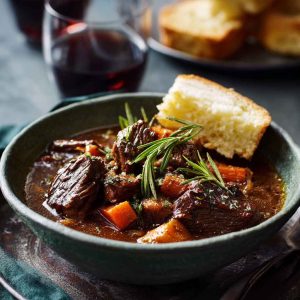
French-Style Beef Stew with Red Wine Recipe – Classic Comfort Food Dinner
Equipment
- Dutch oven or heavy pot
- Wooden spoon
- Knife + cutting board
- Mixing bowls
- Measuring cups & spoons
- Ladle
Ingredients
- 2 lbs beef chuck or brisket, cut into cubes
- 3 tbsp olive oil
- 4 slices bacon or pancetta (optional, for smokiness)
- 1 large onion, diced
- 2 carrots, sliced
- 2 celery stalks, chopped
- 3 cloves garlic, minced
- 2 tbsp flour
- 2 cups red wine (Burgundy or Côtes du Rhône)
- 2 cups beef broth
- 2 tbsp tomato paste
- 1 tsp thyme
- 2 bay leaves
- 1 cup mushrooms, halved
- 1 cup pearl onions (optional)
- Salt & pepper to taste
- Fresh parsley for garnish
Instructions
- Brown beef: Heat oil in Dutch oven. Sear beef cubes until golden. Remove and set aside.
- Cook bacon & aromatics: Sauté bacon until crisp. Add onion, carrot, celery, and garlic. Cook until softened.
- Deglaze: Stir in flour, then pour in red wine, scraping the pot to release browned bits.
- Simmer: Add beef back, along with broth, tomato paste, thyme, bay leaves, mushrooms, and pearl onions.
- Cook low & slow: Cover and simmer gently for 2 ½–3 hours until beef is tender and sauce thickens.
- Finish: Adjust seasoning. Garnish with parsley. Serve hot with bread, potatoes, or noodles.
Notes
- Wine choice: Always cook with wine you’d enjoy drinking.
- Make-ahead: Stew tastes better the next day as flavors deepen.
- Variations: Try white wine for a lighter version, or mushrooms for a vegetarian twist.
- Storage: Refrigerate up to 4 days; freeze for 3 months.
- Pro Tip: Browning beef and deglazing with wine are essential for depth of flavor.