
 Laura Mariano
Flavorful Jamaican Shrimp Pasta Recipe
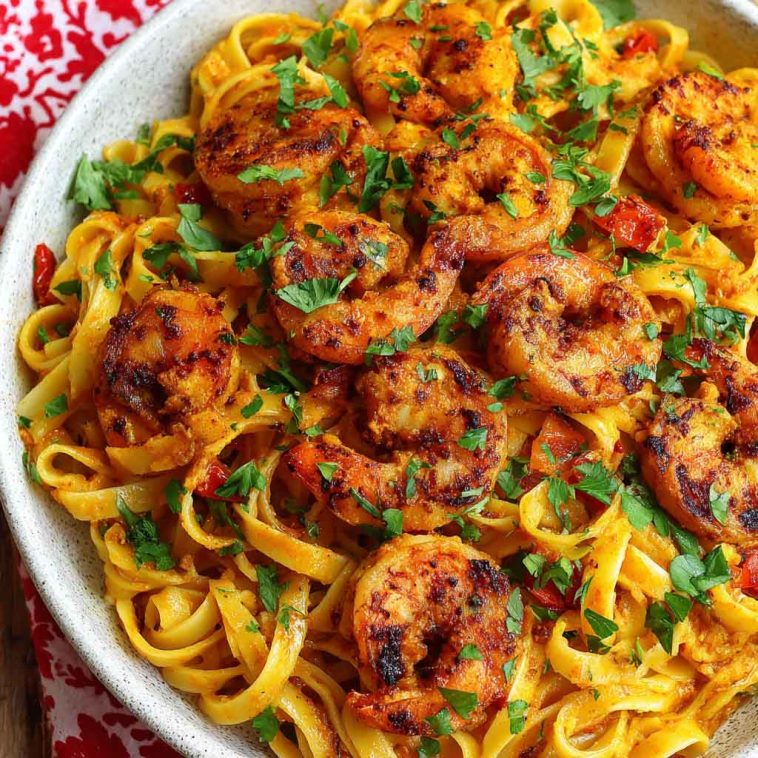
Imagine twirling your fork through a velvety bed of pasta, each strand coated in rich, creamy sauce that clings lovingly to vibrant shards of bell peppers. Nestled among them, plump, juicy shrimp—coated in smoky Jamaican jerk seasoning—burst with heat and depth. This is no ordinary comfort food. This is Rasta Pasta: a bold, colorful fusion dish where Caribbean fire meets Italian finesse.
Rasta Pasta works because it brings opposites into harmony. It’s the cozy, indulgent embrace of creamy pasta colliding with the electrifying punch of jerk spices. It’s a weeknight meal that tastes like something you’d savor at a beachside bistro, tropical breeze included. Fast to make, deeply satisfying, and endlessly adaptable, it’s a recipe that suits both culinary adventurers and those new to the kitchen.
Whether you’re here for a quick dinner, a new spin on pasta night, or just something that looks as good as it tastes, you’re in the right place. This guide walks you through an easy, step-by-step recipe—from prep to plating—with bonus expert tips and smart ingredient swaps. No matter your skill level, you’ll master the flavors that make this dish unforgettable.
Origins & Inspiration
Rasta Pasta is the ultimate Caribbean-Italian love story. Believed to have originated in Jamaica in the 1980s, the dish started as a vegetarian option combining colorful bell peppers with creamy pasta. But it wasn’t long before bold jerk-seasoned proteins—like shrimp, chicken, or even tofu—became a staple addition, turning the dish into the flavor-packed fusion it is today.
The name “Rasta Pasta” pays homage to Rastafarian culture through its signature trio of red, green, and yellow peppers—symbolizing the Rastafari flag. Though not always Rastafarian in preparation (especially with meat and dairy), the dish reflects a vibrant Jamaican identity.
Its popularity has exploded across food blogs like The Glam Kitchen, Orchids + Sweet Tea, and Golden Grace Kitchen, where home cooks reimagine it with soulful variations. More than just trendy, Rasta Pasta offers cultural depth, visual appeal, and the spicy-smooth balance that defines Caribbean flavor.
What Makes It Jamaican? Jerk Flavor Deep Dive
At the heart of Rasta Pasta lies Jamaica’s legendary jerk seasoning. This fiery blend is more than just spice—it’s history, heritage, and pure flavor. Traditional jerk seasoning combines scotch bonnet peppers, fresh thyme, pimento (allspice), garlic, and green onions, often rounded out with ginger, cinnamon, and a splash of vinegar. The result? A smoky, sweet, and explosively spicy marinade that defines Jamaican cuisine.
In Rasta Pasta, jerk brings a bold counterpoint to the creamy sauce. The heat from the peppers meets the rich, cooling dairy (or coconut milk), creating a perfect dance of intensity and smoothness. The sweetness of the peppers and onions softens the spice, while earthy notes from thyme and garlic add dimension.
You can go with store-bought jerk paste or dry rub for convenience, but if you want the most control and authenticity, homemade is king. Sources like Golden Grace Kitchen and Orchids + Sweet Tea recommend adjusting pepper levels based on tolerance and blending fresh herbs for brightness.
Whether you’re after subtle heat or a lip-tingling kick, the jerk element ensures this dish keeps its Jamaican soul intact—even as it cozies up to creamy Italian comfort.
Key Ingredients & Flavor Components
Shrimp:
Start with large or extra-large shrimp, peeled and deveined. Fresh or frozen works, but always rinse with cold water and pat dry for the best sear and seasoning adhesion.
Pasta:
Penne is the classic choice, but fusilli, rigatoni, or even gluten-free pasta varieties hold the creamy sauce well. Choose a shape with grooves or curls to soak up the jerk-kissed cream.
Vegetables:
Red, green, and yellow bell peppers are a must—not just for flavor but color. Add onions for sweetness and, if you dare, finely chopped scotch bonnet for authentic heat. Sauté until just softened for the right crunch.
Cream Base:
A mix of heavy cream and Parmesan cheese makes it rich. For a dairy-free spin, use full-fat coconut milk and a vegan cheese alternative. Either way, the creaminess tames the jerk heat while enhancing depth.
Seasonings:
Jerk is center stage, but back it up with paprika, garlic, onion powder, thyme, allspice, and a balanced sprinkle of salt. Layering these spices enhances complexity.
Together, these ingredients create a dish that’s spicy yet smooth, hearty yet fresh—true to its Jamaican-Italian roots and full of personality.
Equipment & Prep Tips
To make perfect Rasta Pasta, you’ll need:
-
A large skillet or sauté pan
-
Cutting board & sharp knife
-
Tongs for turning shrimp
-
Colander to drain pasta
-
A wooden spoon or silicone spatula
Prep is key: practice mise en place—chop veggies, clean shrimp, and portion spices before cooking. Start pasta early so it’s ready to toss with the sauce.
Pro tip from Orchids + Sweet Tea and The Dinner Bite: always rinse shrimp in cold water and pat them dry thoroughly. This helps seasoning stick and improves texture when searing.
Step-by-Step Cooking Instructions
Step 1: Season the Shrimp
Start by tossing peeled, deveined shrimp in a generous coating of jerk seasoning—about 1 tablespoon per pound. Let them marinate for at least 10 minutes to soak in the flavor while you prep the rest.
Step 2: Cook the Pasta
Bring a pot of salted water to a boil and cook your pasta (penne or preferred shape) until al dente—firm with a slight bite. Reserve ½ cup of pasta water before draining to help finish the sauce later.
Step 3: Sauté the Shrimp
In a large skillet over medium-high heat, add a drizzle of oil and cook the marinated shrimp for 2–3 minutes per side, or until they curl into a “C” shape—your cue they’re done (per The Dinner Bite). Don’t overcook. Remove and set aside.
Step 4: Cook the Veggies
In the same skillet, add a bit more oil if needed and sauté sliced red, green, and yellow peppers, onion, and optionally finely chopped scotch bonnet. Cook for about 5 minutes until just softened. Add minced garlic in the final minute.
Step 5: Make the Cream Sauce
Lower the heat. Stir in heavy cream or coconut milk, ½ cup stock, and ½ cup grated Parmesan (or dairy-free cheese). Simmer gently for 5–7 minutes, stirring frequently until slightly thickened. Add salt, thyme, and a pinch of allspice to round out the flavor.
Step 6: Combine Everything
Return the cooked shrimp to the pan along with the drained pasta. Toss everything together, adding a splash of the reserved pasta water to help emulsify the sauce. Stir frequently for 2–3 minutes until creamy and glossy. Taste and adjust seasoning if needed.
Texture checkpoint: Pasta should be tender but not mushy; shrimp juicy but not rubbery; sauce thick enough to coat the back of a spoon.
Flavor Variations & Customizable Options
Spice Control:
Scotch bonnet brings real heat. For milder spice, substitute with jalapeño, serrano, or just a pinch of cayenne. Start small and build based on taste.
Vegan/Dairy-Free:
Substitute cream with coconut cream and cheese with nutritional yeast for a rich, dairy-free version (tip from Orchids + Sweet Tea). Tofu or vegan shrimp makes a great protein alternative.
Protein Swaps:
Swap shrimp for jerk chicken, salmon, or pan-seared tofu (as seen on Sim’s Home Kitchen). Cook proteins separately, then fold in with the sauce.
Pasta Options:
Use gluten-free penne, chickpea pasta, or even zoodles for a low-carb take. Choose pasta that holds sauce well—spirals or tubes work best.
Make it your own with what’s on hand—this dish welcomes creativity without losing its island flair.
Serving Suggestions & Pairings
Garnish your Rasta Pasta with sliced scallions, a few sprigs of fresh thyme, or chopped cilantro for freshness. A light sprinkle of jerk flakes or extra cracked black pepper adds a spicy pop on top.
Serve it alongside crispy garlic bread, buttery fried plantains, or a simple green salad with lime vinaigrette to keep the tropical balance.
Drink pairings? A crisp white wine like Sauvignon Blanc, a chilled ginger beer, or even a cold Caribbean lager complements the creamy heat perfectly.
This dish shines at dinner parties or casual weeknights—flavor-forward but totally unfussy.
Meal Prep & Storage Advice
Store leftovers in an airtight container in the fridge for 3 to 4 days. The sauce may thicken, so reheat gently with a splash of cream, milk, or stock to loosen it up.
If meal prepping, store shrimp separately and add fresh when reheating to maintain texture—overcooked shrimp can become rubbery quickly.
Avoid freezing if using dairy-based cream; it may split upon thawing. Coconut milk holds up better but texture still may shift.
Prep ahead tip: chop veggies and mix sauce base in advance. Then just cook your protein and pasta fresh for an easy weeknight toss-together.
Health & Nutrition Insights
Each serving of Rasta Pasta packs about 550–700 calories, with 30–40g of protein and 20–30g of fat, depending on cream and protein used. Shrimp offers lean, low-fat protein, while the colorful bell peppers add vitamin C and antioxidants.
Spices like allspice, thyme, and hot peppers support metabolism and digestion—adding not just flavor but function.
Want a lighter version?
-
Use half cream, half broth
-
Add zoodles or whole wheat pasta
-
Double the veggies for a fiber boost
This dish balances indulgence and health with bold, satisfying flavor that doesn’t feel “diet” at all.
Troubleshooting Tips
-
Pasta too mushy? Always cook al dente and rinse briefly in cold water if needed to stop cooking.
-
Sauce too thin? Simmer uncovered a bit longer or stir in a small splash of reserved pasta water.
-
Sauce too thick? Loosen with extra stock or cream until silky.
-
Too spicy? Remove scotch bonnet seeds before cooking, or skip it altogether and rely on mild jerk seasoning.
-
Rubbery shrimp? They’ve overcooked. Shrimp cook best over high heat for a short time—remove immediately once pink and curled into a “C”.
Taste and texture matter here—adjust seasoning at the end and use visual cues to avoid common pitfalls.
FAQs (People Also Ask)
Can I use frozen shrimp?
Yes. Just thaw completely, rinse with cold water, and pat dry before seasoning and cooking.
Is Rasta Pasta actually Jamaican?
It’s a fusion dish—Jamaican in flavor thanks to jerk seasoning, but Italian in form. It’s not traditional but celebrates Caribbean culinary creativity.
Can I make it dairy-free?
Absolutely. Use coconut cream instead of dairy and nutritional yeast for cheesy flavor. This version is rich, satisfying, and vegan-friendly.
How spicy is jerk seasoning?
It varies. Some blends are mild, while authentic versions can be very hot—especially with scotch bonnets. Adjust based on preference.
Can I make it ahead of time?
Yes. You can prep veggies, sauce base, and even pasta in advance. Cook shrimp just before serving to avoid rubbery texture.
What’s the best pasta for this?
Penne, rigatoni, and fusilli work great because they hold onto sauce. Avoid thin noodles like spaghetti—they don’t capture the creaminess as well.
Conclusion & Call to Action
Rasta Pasta is more than just dinner—it’s a bold, vibrant escape on a plate. With creamy comfort, colorful crunch, and jerk-kissed spice, it’s a dish that brings flavor, fun, and flair to any table.
Try it once, and you’ll want to make it again and again—with your own twist. Share your creation on social media, tag us, and drop your custom variations in the comments below!
Hungry for more Caribbean fusion? Subscribe to our email list for weekly recipes, prep tips, and flavor inspiration that turns everyday meals into mini getaways.

Flavorful Jamaican Shrimp Pasta Recipe
Equipment
- Large skillet or sauté pan
- Pot for boiling pasta
- Colander
- Cutting board
- Sharp knife
- Tongs or wooden spoon
Ingredients
For the Shrimp:
- 1 lb large shrimp, peeled & deveined
- 1 tbsp jerk seasoning (adjust to heat level)
- 1 tbsp olive oil
For the Pasta:
- 8 oz penne (or fusilli, rigatoni, gluten-free option)
- Salt, for pasta water
For the Veggies & Sauce:
- 1 tbsp olive oil
- 1 red bell pepper, sliced
- 1 yellow bell pepper, sliced
- 1 green bell pepper, sliced
- 1 small onion, thinly sliced
- 2 cloves garlic, minced
- ½ scotch bonnet pepper (optional, finely chopped)
- 1 cup heavy cream or full-fat coconut milk
- ½ cup chicken or veggie broth
- ½ cup grated Parmesan or dairy-free cheese
- 1 tsp dried thyme
- ¼ tsp allspice
- Salt & pepper, to taste
Instructions
- Marinate the ShrimpToss shrimp with jerk seasoning and let sit for 10 minutes.
- Cook the PastaBoil pasta in salted water until al dente. Reserve ½ cup of pasta water before draining.
- Sauté the ShrimpHeat 1 tbsp oil in a skillet over medium-high. Cook shrimp 2–3 minutes per side, until pink and curled into a “C” shape. Remove and set aside.
- Cook the VeggiesIn the same skillet, add oil. Sauté bell peppers, onion, and scotch bonnet for 5 minutes. Add garlic and cook 1 more minute.
- Make the SauceLower heat. Stir in cream (or coconut milk), broth, cheese, thyme, and allspice. Simmer for 5–7 minutes until thickened slightly.
- CombineAdd cooked pasta, shrimp, and a splash of reserved pasta water. Toss to coat until sauce is creamy and everything is heated through. Taste and adjust seasoning.
- ServeGarnish with scallions, fresh thyme, or cilantro. Serve hot.
Notes
- Shrimp Tip: Pat shrimp dry before seasoning for best texture.
- Spice Level: Omit or reduce scotch bonnet for a milder dish; sub with jalapeño or cayenne if preferred.
- Dairy-Free: Use coconut cream + nutritional yeast or vegan cheese (as suggested by Orchids + Sweet Tea).
- Protein Swap: Try jerk chicken, salmon, or tofu.
- Sauce Control: Add pasta water to loosen or simmer to thicken.