

 Laura Mariano
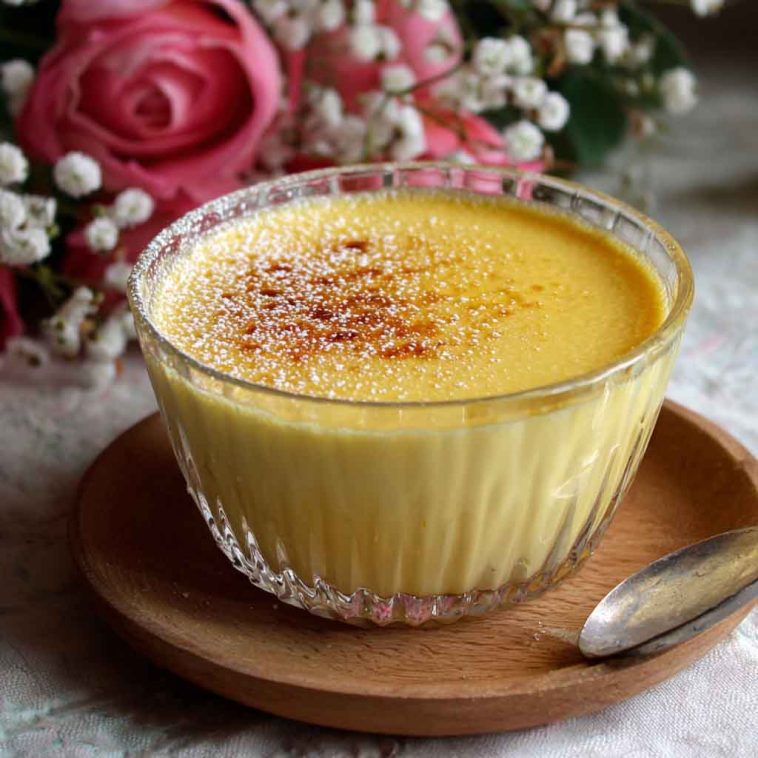
Smooth, Silky, and Truly Fail-Proof
The beauty of egg custard lies in its simplicity—eggs, milk, sugar, and vanilla transformed into a silky dessert. Yet many home cooks dread the process, fearing curdled eggs or cracked tops. This fail-proof method eliminates that anxiety, delivering consistently creamy results every time. By focusing on precision and gentle heat, the recipe ensures a custard that sets perfectly without overcooking. Common pitfalls—like baking at too high a temperature or skipping the water bath—are avoided here, guaranteeing smooth texture and subtle flavor. Inspired by reliable guides that emphasize consistency and timeless appeal, this approach highlights the comfort of classic custard while making it accessible for modern kitchens. Whether you’re preparing dessert for a weeknight treat or an elegant dinner party, this recipe sets expectations upfront: silky custard, no stress, and a method that works every time.
What Is Egg Custard? Classic Roots with Modern Reliability
Egg custard is a traditional baked dessert made from eggs, milk or cream, sugar, and vanilla. It’s gently cooked at low heat until just set, resulting in a smooth, creamy texture with a slight jiggle in the center. The flavor profile is delicate and comforting, with vanilla as the base and nutmeg often sprinkled on top for warmth. Custard has long been a staple in European and American kitchens, prized for its simplicity and elegance. Today, modern techniques ensure reliability, preventing common issues like curdling or cracking. Its versatility makes it suitable for both casual and formal occasions: a simple weeknight dessert or the refined finale to a dinner party. With its timeless appeal and dependable method, egg custard remains a beloved classic that bridges tradition and modern cooking.
Ingredient Overview: Quality and Balance
The success of custard depends on the quality and balance of its ingredients:
- Eggs: Whole eggs provide structure, while extra yolks add richness and silkiness.
- Dairy: Whole milk creates a lighter custard, while a milk-and-cream combination adds body and indulgence.
- Sweetener: Granulated sugar offers clean sweetness, adjustable to taste.
- Flavor: Pure vanilla extract is essential, with nutmeg optional for a warm finish. A pinch of salt enhances depth.
- Finish: Dust with freshly grated nutmeg or garnish with fruit for presentation.
Tip: Use room-temperature ingredients to prevent shock when combining and to ensure even baking.
Together, these elements create a custard that’s balanced, flavorful, and consistently smooth.
Step-by-Step Instructions: The Gentle Method
- Prep: Preheat oven to 160–165°C (325°F). Boil water for a bain-marie.
- Custard base: Warm milk/cream with sugar until steamy. Whisk eggs with vanilla and salt. Slowly temper warm dairy into eggs.
- Strain: Pour mixture through a fine sieve for ultra-smooth texture.
- Bake: Divide custard into ramekins set in a deep baking pan. Add hot water halfway up the sides.
- Timing: Bake 30–40 minutes until edges are set and the center jiggles slightly.
- Cool: Remove ramekins from water bath. Cool to room temperature, then chill 2–4 hours.
- Serve: Dust with nutmeg or top with berries.
Tip: Don’t overbake—custard continues to set as it cools.
Flavor Variations & Add-Ons
- Citrus: Lemon zest or orange blossom for brightness.
- Spice: Cardamom, cinnamon, or chai blend for warmth.
- Caramel: A light caramel layer for flan-like depth.
- Coffee/tea: Infuse with espresso or Earl Grey.
- Chocolate: Whisk cocoa into dairy for a chocolate twist.
Serving Suggestions
Serve custard with fresh berries, shortbread, or almond biscotti for a classic pairing. For a modern touch, brûlée the top with sugar for crunch or drizzle with salted caramel. Pair with dessert wines or herbal tea for balance. For tasting menus, present in espresso cups for elegant mini portions.
Easy Fail-Proof Egg Custard Recipe | Classic Creamy Dessert
Equipment
- Mixing bowls
- Whisk
- Saucepan
- Fine sieve
- Ramekins (ceramic or glass)
- Deep baking pan
- Kettle (for hot water bath)
Ingredients
- 4 large eggs
- 2 cups whole milk (or 1 cup milk + 1 cup cream for richness)
- ½ cup granulated sugar
- 1 tsp pure vanilla extract
- Pinch of salt
- Freshly grated nutmeg (optional, for garnish)
- Optional toppings: berries, caramel drizzle, or brûléed sugar
Instructions
- Prep oven: Preheat to 160–165°C (325°F). Boil water for bain-marie.
- Warm dairy: Heat milk/cream with sugar until just steamy.
- Whisk eggs: In a bowl, whisk eggs with vanilla and salt.
- Temper: Slowly pour warm dairy into eggs while whisking to avoid scrambling.
- Strain: Pass mixture through a fine sieve for smooth texture.
- Bake: Divide custard into ramekins. Place ramekins in a deep baking pan and add hot water halfway up the sides.
- Cook: Bake 30–40 minutes until edges are set and center jiggles slightly.
- Cool: Remove from water bath, cool to room temperature, then chill 2–4 hours.
- Serve: Garnish with nutmeg or berries.
Notes
- Make-ahead: Chill custards uncovered until cool, then cover and refrigerate for up to 3 days.
- Storage: Best served cold or at room temperature; freezing not recommended.
- Reheating: Avoid microwaving—serve chilled or gently warmed to room temp.
- Common mistakes: High oven temp (curdling), skipping water bath (rubbery texture), overbaking (grainy custard).
- Variations: Add citrus zest, spices, caramel, coffee, or chocolate for flavor twists.
- Pairings: Serve with berries, biscotti, or caramel drizzle; pair with dessert wine or herbal tea.