

 Laura Mariano
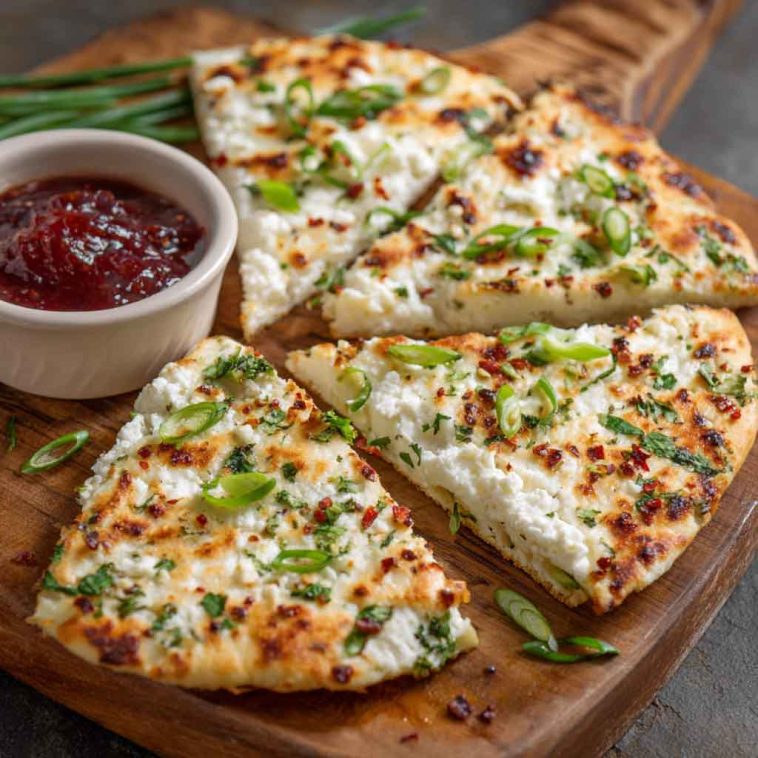
Why Cottage Cheese Flatbread Is Trending
Cottage cheese flatbread has taken the internet by storm—and for good reason. With just two main ingredients, it’s a high-protein, low-carb alternative to traditional flatbreads that fits seamlessly into gluten-free, keto, and high-protein diets.
What makes it stand out? Simplicity. Blend cottage cheese with eggs, season it your way, bake it into a golden, flexible sheet, and you’ve got yourself a flatbread you can use as a wrap, sandwich layer, or even a pizza base.
It’s the perfect balance between convenience and nutrition, ideal for busy mornings, low-effort lunches, or snacky evenings. Whether you’re meal prepping or just looking for a creative way to use up that tub of cottage cheese, this recipe delivers.
In this article, we’ll walk you through the step-by-step method, highlight nutrition benefits, and share tips to ensure your flatbread turns out golden, flexible, and full of flavor—every single time.
What Is Cottage Cheese Flatbread?
Cottage cheese flatbread is a minimalist, protein-packed recipe made by blending cottage cheese with eggs and baking the mixture into a firm yet pliable sheet. It’s not your traditional bread—it leans more “omelet-meets-flatbread”—but with the right seasonings and thickness, it becomes incredibly versatile.
Unlike classic dough-based flatbreads, this version skips flour entirely. That makes it gluten-free, naturally low in carbs, and especially popular among keto, high-protein, and diabetic-friendly meal plans.
Its rise to fame? TikTok and Instagram reels showcasing how a few pantry staples can turn into something surprisingly delicious. Once cooled, the flatbread is sturdy enough to wrap around fillings or serve as a chewy base for mini pizzas.
Best of all, it’s completely customizable. You can keep it plain for versatility or spice it up with herbs, cheese, and vegetables. It’s a quick, nourishing solution for anyone looking to cut carbs without sacrificing satisfaction.
Ingredient Breakdown & Nutrition Highlights
Here’s what goes into this two-ingredient wonder, plus some optional upgrades to dial up flavor and nutrition:
Cottage Cheese
-
The star ingredient. Full-fat cottage cheese gives you a creamier, richer result, while low-fat versions still work well but may need a little help with texture.
-
Pro Tip: If your cottage cheese is watery, drain off the excess whey using a fine mesh sieve or cheesecloth for better consistency.
-
Use smooth cottage cheese or blend until silky for even baking.
Eggs
-
Essential for binding and structure. They help set the flatbread into a firm, sliceable sheet.
-
Room temperature eggs blend better and help the mixture bake more evenly.
Seasonings (customize to taste)
-
Garlic powder, Italian seasoning, onion powder, smoked paprika—anything goes!
-
“Everything but the bagel” seasoning is a fan favorite.
Optional Add-Ins
-
Baby spinach (chopped), shredded parmesan, sesame seeds, or red chili flakes.
-
A pinch of salt and black pepper enhances the flavor even in plain versions.
Nutrition Snapshot (per whole flatbread)
-
Protein: 24–40g depending on cottage cheese
-
Carbs: Very low (~3–5g)
-
Fat: Depends on dairy fat content used
-
Perfect for keto, low-carb, vegetarian, and gluten-free diets
Tools & Equipment You Need
No fancy equipment needed—just a few kitchen basics:
-
Blender or Food Processor: To blend cottage cheese and eggs into a smooth batter.
-
Baking Sheet or Quarter-Sheet Pan: Lined with parchment for easy release.
-
Spatula: To spread the batter into an even layer.
-
Oven Thermometer: Optional but helpful for consistent results.
-
Cooling Rack: Helps the flatbread cool evenly and prevents sogginess.
-
Optional: Mandoline or pizza cutter if slicing for wraps or personal pizzas.
Tip: A silicone baking mat also works great if you don’t have parchment paper on hand.
Step-by-Step Cottage Cheese Flatbread Recipe
Ready to make it? Here’s how to whip up your first batch:
Step 1: Preheat the Oven
Set your oven to 350°F (175°C). Line a baking sheet with parchment paper to prevent sticking.
Step 2: Blend the Batter
In a blender or food processor, add:
-
1 cup cottage cheese
-
2 large eggs
-
Seasonings of your choice (e.g., ½ tsp garlic powder, pinch of salt)
Blend until the mixture is completely smooth—no lumps! This ensures a uniform bake and flexible texture.
Step 3: Spread It Thin
Pour the blended batter onto your lined baking sheet. Use a spatula to spread it into an even rectangle about ¼-inch thick. Keep it smooth for consistent texture throughout.
Step 4: Bake Until Golden
Bake for 25–40 minutes, depending on your oven and the thickness of the batter. You’re looking for golden edges and a dry, lightly springy surface. Underbaking will result in a soggy or eggy texture, so let it go until set.
Step 5: Cool Completely
This step is crucial! Let the flatbread cool on the sheet or a wire rack for 15–20 minutes. Cooling allows the structure to firm up—cutting too early can cause tearing.
Step 6: Use or Store
Slice into rectangles or circles, depending on how you plan to use it:
-
As a wrap for eggs, veggies, or deli meat
-
As a pizza base with marinara and cheese
-
Toasted in an air fryer or oven for a crispier bite
Expert Tips for Best Results
Here’s how to make sure your flatbread is sturdy, tasty, and ready for anything:
-
Drain watery cottage cheese for better structure—especially important with low-fat versions.
-
Blend until silky smooth—no chunks allowed!
-
Bake until fully set—don’t pull it out too early or it’ll be floppy.
-
Cool completely before handling to avoid tearing or sogginess.
-
Season boldly. Even a basic mix benefits from garlic powder, paprika, or dried herbs.
-
Want more chew? Add a tablespoon of almond flour or grated parmesan for structure and flavor.
Flavor Variations & Creative Add‑Ins
Once you’ve mastered the base recipe, the fun really begins—because cottage cheese flatbread is endlessly customizable.
Spinach-Cheese Upgrade: Toss a handful of baby spinach and a tablespoon of grated parmesan into the blender with your batter. This adds color, fiber, and a savory boost.
Herb-Infused: Add garlic powder, onion powder, Italian seasoning, or dried basil for fragrant flatbread that pairs beautifully with savory fillings.
Protein Boosters: Stir in chia seeds, flaxseeds, or hemp hearts for extra nutrition and texture. These also help firm up the flatbread slightly.
Sweet Twist: Want to go sweet? Add cinnamon and vanilla extract to the batter. After baking, top with almond butter and berries for a high-protein breakfast treat.
Vegan Option: Replace eggs with flax eggs and use a plant-based cottage cheese alternative (like almond- or tofu-based versions). Bake a few extra minutes for stability.
Toppings Before Baking: Swirl pesto, sprinkle with shredded cheese, or scatter sesame seeds before baking for a gourmet finish.
Pro Tip: Keep flavors complementary—don’t overload with too many additions at once or the texture may suffer.
Serving Ideas & Creative Uses
Think beyond basic bread—this flatbread adapts beautifully to meals any time of day.
Wrap it Up: Use as a sandwich wrap with turkey, avocado, fresh greens, and mustard.
Mini Pizza Base: Add marinara, shredded mozzarella, and sliced veggies; pop it back in the oven or air fryer until bubbly.
Open-Faced Toast: Try cottage cheese + sliced peaches and honey, or mashed avocado with chili flakes.
Snack Time: Cut the flatbread into triangles and serve with hummus, tzatziki, or guacamole as dippable bites.
Breakfast Burrito Hack: Fill with eggs, spinach, and cheese, then roll up and toast lightly for a warm morning wrap.
Versatile, nourishing, and endlessly adaptable—this flatbread can pinch-hit for bread in almost any meal.
Storage, Reheating & Make‑Ahead Tips
One batch can go a long way with the right storage strategy.
Refrigerate: Store cooled flatbread in an airtight container or zip-top bag in the fridge for up to 3 days. Stack with parchment between layers to prevent sticking.
Freeze: Wrap individual sheets in plastic or parchment, then freeze in a flat stack for up to 1 month. Thaw overnight in the fridge.
Reheating: To restore its texture, pop it into a 350°F (175°C) oven or toaster oven for 5–7 minutes. Air fryer? Even better.
Make-Ahead Batter: You can blend the batter and refrigerate it (covered) for up to 24 hours. Just stir before spreading and baking.
Texture Tip: Slightly dry flatbread? Mist with water before reheating to revive softness.
Troubleshooting Common Issues
Even simple recipes can hit a snag—here’s how to fix them:
-
Too soggy? Drain your cottage cheese better and bake a few minutes longer.
-
Dry or crumbly? Try reducing the bake time or using full-fat cottage cheese.
-
Lumpy texture? Blend the batter until smooth and creamy—no chunks should remain.
-
Flatbread broke when folding? Let it cool fully before slicing and avoid overbaking. A thinner spread also helps flexibility.
-
Bland flavor? Add more seasoning, cheese, or herbs next time—or serve with a flavorful filling.
Remember: Every oven and brand of cottage cheese behaves differently—adjust based on results.
FAQs – People Also Ask
Q1: What is cottage cheese flatbread made of?
Cottage cheese flatbread is made by blending cottage cheese and eggs with seasonings, then baking until firm. Optional extras like herbs, seeds, or parmesan enhance flavor and texture.
Q2: Can you freeze cottage cheese flatbread?
Yes! Freeze fully cooled flatbread in a flat, airtight wrap. It’ll last for up to 1 month. Thaw in the fridge overnight, then reheat in an oven or toaster for best texture.
Q3: Is this flatbread gluten-free?
Absolutely. There’s no flour or wheat in the base recipe, so it’s naturally gluten-free and friendly for many dietary needs.
Q4: Is cottage cheese flatbread keto-friendly?
Yes. It’s low in carbs and high in protein, making it an excellent fit for keto or low-carb diets.
Q5: Can I use low-fat or fat-free cottage cheese?
Technically, yes—but full-fat yields better flavor and structure. Low-fat versions tend to hold more water, which can lead to soggier or crumbly results.
Q6: How much protein is in one flatbread?
Depending on the amount and type of cottage cheese used, one flatbread contains 24–40g of protein, making it a nutrient-dense option for meals or snacks.
Q7: What toppings work best with cottage cheese flatbread?
You can go sweet or savory! Try:
-
Avocado, tomato, and egg
-
Smoked salmon and cream cheese
-
Fruit, nut butter, and cinnamon
-
Melted cheese and herbs
It’s highly versatile and easy to customize.

Cottage Cheese Flatbread
Equipment
- Blender or food processor
- Baking sheet
- Parchment paper
- Rubber spatula
- Oven
Ingredients
- 1 cup cottage cheese (full-fat preferred, drained if watery)
- 2 large eggs
- ¼ tsp garlic powder (optional)
- ¼ tsp onion powder (optional)
- ¼ tsp sea salt
- ¼ tsp Italian seasoning (optional)
- Optional: 1 tbsp parmesan cheese, 1 tbsp chopped spinach, everything bagel seasoning, or other herbs/seeds
Instructions
- Preheat the oven to 350°F (175°C). Line a baking sheet with parchment paper.
- In a blender or food processor, blend the cottage cheese and eggs with seasonings until smooth.
- Spread the batter evenly onto the parchment in 4 circles or ovals (about ¼ inch thick).
- Bake for 25–35 minutes, or until golden-brown and edges start to crisp.
- Cool completely on the pan or a rack before using. This helps the flatbreads firm up.
- Enjoy as a wrap, sandwich base, pizza crust, or snack.
Notes
- For a crispier texture, bake longer or toast briefly after baking.
- Drain watery cottage cheese using a fine mesh strainer or cheesecloth before blending.
- Store in the fridge in an airtight container for up to 3 days or freeze flat up to 1 month.
- For sweet versions, skip the savory seasoning and try cinnamon, vanilla, or nut butter drizzle.