

 Laura Mariano
Headline, Teaser, and Promise
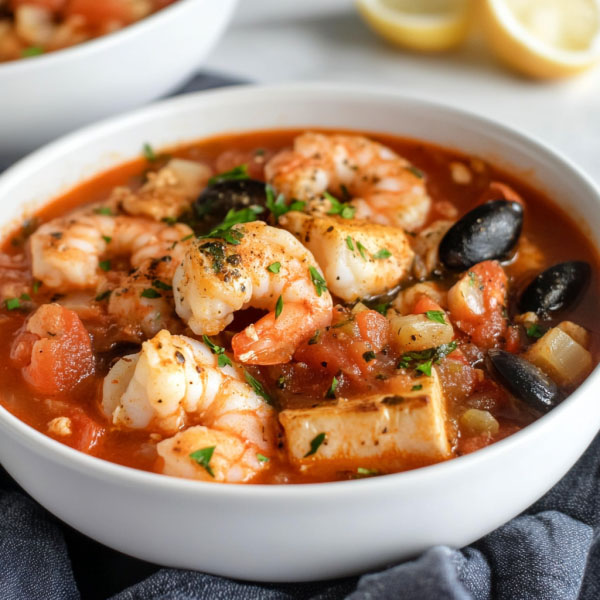
A briny, tomato-wine broth brimming with clams, mussels, shrimp, scallops, and firm white fish—finished with fresh herbs and a crusty loaf for dunking. Cioppino may sound restaurant-exclusive, but many top recipes highlight how approachable it is at home, even with a generous seafood mix. This iconic San Francisco stew delivers cozy comfort with elegant flair, making it weeknight-friendly yet perfect for weekend entertaining. In this guide, you’ll learn pro tips for timing seafood perfectly, building a layered broth, and customizing heat and aromatics without losing balance. Expect substitutions for flexibility, make-ahead broth strategies, and serving ideas that feel restaurant-level without the fuss. Cioppino proves that big flavor and sophistication can come from one pot, with half the effort.
What Is Cioppino?
Cioppino is a San Francisco–born seafood stew, celebrated for its tomato and white wine base layered with aromatics like onion, garlic, and fennel. Into this flavorful broth goes a mix of shellfish and firm fish, creating a briny, satisfying bowl that feels both rustic and refined.
Compared to bouillabaisse, which leans saffron and Provençal herbs, or zuppa di pesce, which varies by Italian region, cioppino distinguishes itself with a tomato-forward profile, brightened by wine and often accented with chili heat. Its flexibility is key: the seafood mix adapts to whatever is fresh and available, making it approachable for home cooks.
Beloved for its big flavor payoff, cioppino offers a broth that’s simultaneously bright and rich, with customizable seafood combinations. The core approach from top recipes is straightforward: sweat aromatics, deglaze with wine, add tomatoes and stock, simmer, then stage seafood by cook time—clams and mussels first, shrimp and scallops next, and fish last—for tender, just-done bites. The result is a layered, deeply satisfying stew that celebrates the sea.
Origins & Popularity Snapshot
Cioppino’s origin story begins on San Francisco’s docks in the late 19th century. Italian immigrant fishermen pooled the day’s catch—clams, mussels, shrimp, and fish—into a communal tomato-wine stew, creating a versatile, crowd-pleasing meal. The name itself likely comes from “ciuppin,” a Ligurian fish stew, adapted to local ingredients and traditions.
Today, cioppino remains a hallmark of San Francisco cuisine, but its appeal has spread far beyond the Bay Area. Home cooks love its approachable technique: one pot, layered flavor, and flexible seafood choices. It feels special without being fussy, making it equally suited for family dinners or festive gatherings.
Modern recipes emphasize fennel for aromatic depth, chili flakes for gentle heat, and San Marzano tomatoes for balanced acidity. With its briny broth and customizable seafood mix, cioppino continues to trend as a dish that delivers restaurant-level sophistication in the comfort of home kitchens.
Ingredient Spotlight & Why Each Matters
- Aromatics: Onion, garlic, and fennel build sweetness and subtle anise notes that complement seafood.
- Tomatoes: Crushed San Marzano tomatoes provide balanced acidity and body; a spoonful of tomato paste adds umami depth.
- Wine: Dry white wine deglazes the pot, brightens the broth, and cooks off to leave a clean backbone.
- Stock: Seafood or fish stock enhances briny depth; chicken stock works in a pinch but is less ideal.
- Heat & herbs: Chili flakes, bay leaf, oregano, and parsley layer warmth and freshness.
- Seafood mix: Clams, mussels, shrimp, scallops, and firm white fish (cod or halibut) showcase variety. Staggered cooking ensures each protein is tender and just done.
- Finishers: A knob of butter or drizzle of olive oil adds sheen; lemon juice lifts flavors.
- Substitutions: Canned tomatoes if fresh aren’t in season; swap shellfish based on availability; adjust chili for family-friendly heat.
Tip: Salt in stages—stock and shellfish contribute salinity. Always finish seasoning after seafood opens and fish cooks to avoid oversalting.
Together, these ingredients create a broth that’s layered, balanced, and briny, with seafood that shines in every bite.
Equipment Checklist
- Large Dutch oven or heavy pot: Wide surface ensures even simmering and space for seafood.
- Lid: Essential for steaming clams and mussels open.
- Spider/tongs: Gentle handling prevents breaking delicate seafood.
- Ladle: Allows clean serving without disrupting fish pieces.
- Fine mesh strainer (optional): Clarifies stock for a refined finish.
- Crusty bread & warm bowls: The “equipment” that completes the experience—perfect for dunking and serving.
Top recipes rely on a single sturdy pot and careful staging. No special gear is required beyond these basics, making cioppino approachable for any home kitchen.
Easy Cioppino Recipe | Classic Italian-American Seafood Stew
Equipment
- Large Dutch oven or heavy pot
- Lid (for steaming shellfish)
- Spider/tongs (for handling seafood)
- Ladle for serving
- Cutting board & knife
- Fine mesh strainer (optional, for clarifying stock)
- Crusty bread & warm bowls (for serving)
Ingredients
- 3 tbsp olive oil
- 1 medium onion, diced
- 1 fennel bulb, diced
- 4 cloves garlic, minced
- 1 cup dry white wine (Sauvignon Blanc or Pinot Grigio)
- 1 can (28 oz) crushed San Marzano tomatoes
- 2 tbsp tomato paste
- 4 cups seafood or fish stock
- 1 bay leaf
- 1 tsp oregano
- ½ tsp chili flakes (adjust to taste)
- Salt & pepper to taste
- 1 lb clams, scrubbed
- 1 lb mussels, cleaned and debearded
- 1 lb firm white fish (cod or halibut), cut into chunks
- ½ lb shrimp, peeled and deveined
- ½ lb scallops
- Juice of 1 lemon
- 2 tbsp butter or olive oil (for finishing)
- ¼ cup fresh parsley, chopped
Instructions
- Prep: Clean shellfish, dice onion and fennel, mince garlic.
- Sweat aromatics: Heat olive oil in Dutch oven. Cook onion and fennel with salt until translucent. Add garlic briefly.
- Deglaze: Pour in wine; simmer to reduce and lift fond.
- Build broth: Add tomatoes, paste, stock, bay leaf, oregano, chili flakes. Simmer 15–20 minutes.
- Season & taste: Adjust salt, pepper, and chili.
- Stage seafood:Add clams and mussels; cover 5–7 minutes until they open.Add fish chunks; simmer gently 3–5 minutes.Add shrimp and scallops; cook 2–3 minutes until opaque.
- Finish: Stir in parsley, butter or olive oil, and lemon juice.
- Serve: Ladle into warm bowls, discard unopened shellfish, garnish with parsley, and serve with crusty bread.
Notes
- Make-ahead: Prepare broth up to 2 days ahead; add seafood just before serving.
- Storage: Refrigerate leftovers up to 2 days; seafood is best fresh.
- Freezing: Freeze broth only; add fresh seafood when reheating.
- Variations: Add saffron for floral depth, smoked paprika for warmth, or swap seafood based on availability.
- Pro Tip: Always stage seafood by cook time—shellfish first, fish next, shrimp/scallops last—for tender results.