
 Laura Mariano
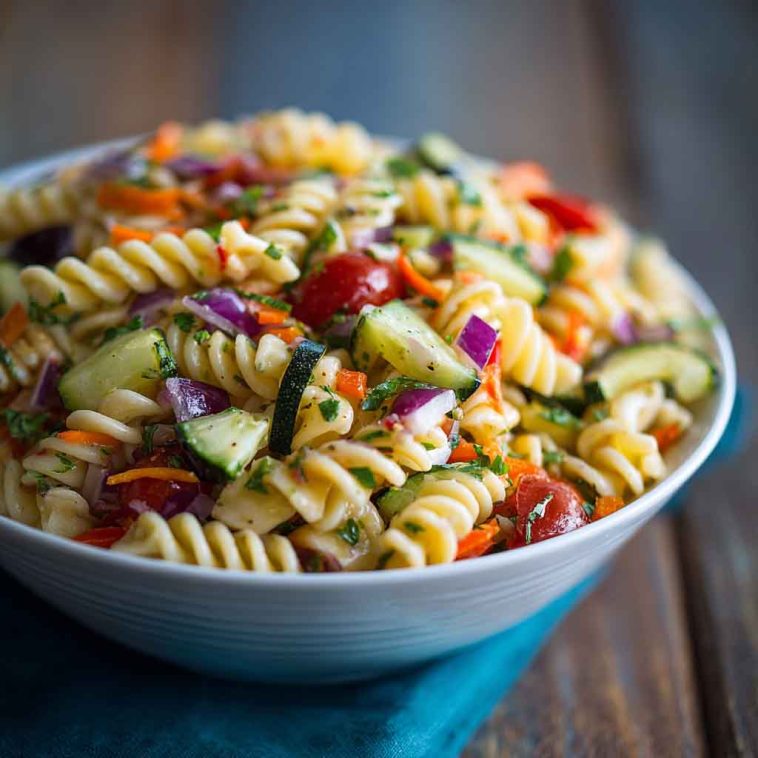
Why California Pasta Salad is a Summer Favorite
Nothing says summer like a colorful, refreshing pasta salad piled high with crisp vegetables, tender pasta, and vibrant flavors. California Pasta Salad has earned its reputation as a crowd-pleaser because it’s fresh, visually appealing, and incredibly easy to prepare. Its mix of textures and bright colors makes it a perfect dish to showcase seasonal produce at its peak.
Versatility is another reason it’s a go-to favorite. Whether you’re packing it for a picnic, bringing it to a potluck, serving it as a side for a weeknight dinner, or enjoying it as a light lunch, California Pasta Salad fits seamlessly into any occasion.
In this guide, you’ll learn which pasta and produce work best, how to layer flavors and textures, step-by-step preparation techniques, smart tips to avoid common mistakes, and creative variations to make this classic salad uniquely yours.
What Makes a California Pasta Salad Unique?
California Pasta Salad stands out for its signature combination of colorful vegetables, tender pasta, and optional protein, all tied together with a light, flavorful dressing. Unlike heavier, mayo-based pasta salads, this version focuses on freshness and balance. The tender pasta serves as a neutral backdrop, allowing crisp bell peppers, juicy cherry tomatoes, sweet corn, and creamy avocado to shine.
The magic lies in the interplay of textures and flavors. Each bite offers a contrast: the softness of pasta, the crunch of vegetables, the creaminess of cheese, and the zing of a lemony or vinaigrette dressing. Protein such as grilled chicken or shrimp can be added without overpowering the delicate balance, making it both satisfying and light. This salad captures the essence of California cuisine—fresh, vibrant, and healthful—making it a standout on any summer table.
Ingredient Breakdown & Why Each One Matters
Selecting the right ingredients is key to making a California Pasta Salad that’s fresh, flavorful, and visually appealing.
-
Pasta: Choose shapes that hold dressing well and can carry vegetables in each bite. Rotini, penne, and farfalle are ideal choices, as their grooves or pockets trap flavors beautifully. Cook pasta al dente to avoid a mushy texture, then rinse under cold water to stop the cooking process.
-
Vegetables: Bell peppers, cherry tomatoes, cucumbers, corn, and avocado create a rainbow of colors and textures. Crisp, fresh produce adds crunch, while avocado adds a creamy element that complements the tangy dressing. Seasonal, ripe vegetables make the salad taste vibrant and refreshing.
-
Protein (optional): Grilled chicken, shrimp, or beans add heartiness for a more filling dish. Ensure proteins are cooked and cooled before tossing with the salad to maintain freshness.
-
Cheese: Feta, mozzarella pearls, or cubed cheddar add richness and a subtle tang. Choose cheeses that don’t overpower the freshness of the vegetables.
-
Dressing: Light vinaigrettes or olive oil with lemon provide flavor without heaviness. Creamy dressings can be used sparingly for a slightly richer salad.
-
Herbs & Seasonings: Fresh parsley, basil, salt, pepper, and garlic powder enhance flavor layers without masking the freshness of the produce.
By selecting high-quality, fresh ingredients, you ensure each bite is flavorful, colorful, and perfectly balanced—a hallmark of a true California Pasta Salad.
Essential Tools for Easy Prep
The right tools make preparing California Pasta Salad simple and efficient:
-
Large Mixing Bowl: Ensures there’s enough space to toss pasta, vegetables, and dressing evenly.
-
Cutting Board & Chef’s Knife: For safely chopping vegetables and proteins.
-
Measuring Cups & Spoons: Precision matters, especially for dressing and seasonings.
-
Salad Tongs or Large Spoon: Helps coat the ingredients evenly with dressing without mashing delicate produce.
-
Optional: Pasta strainer for draining, and an airtight storage container if preparing the salad ahead of time.
Having these tools on hand ensures a smooth prep process and a perfectly tossed salad every time.
Step-by-Step Instructions
-
Cook Pasta: Boil pasta according to package directions until al dente. Drain and rinse under cold water to stop cooking and cool the pasta.
-
Prepare Vegetables: Wash and chop bell peppers, cucumbers, cherry tomatoes, and corn. Dice avocado just before tossing to prevent browning.
-
Cook Protein (Optional): Grill or sauté chicken or shrimp, then cool before adding to the salad.
-
Combine Ingredients: In a large mixing bowl, add pasta, vegetables, protein, and cheese. Drizzle with dressing.
-
Toss Salad: Gently mix using salad tongs or a large spoon, ensuring dressing evenly coats all ingredients.
-
Chill: Refrigerate for at least 30 minutes to allow flavors to meld and the salad to become refreshing.
This method ensures a balanced texture, vibrant color, and fresh flavor in every bite.
Common Mistakes to Avoid
Even simple pasta salads can go wrong without attention to a few key details:
-
Overcooking Pasta: Leads to mushy, gummy salad. Always cook al dente and rinse with cold water.
-
Underdressing or Overdressing: Too little dressing results in a dry salad; too much makes it soggy. Measure carefully and adjust to taste.
-
Adding Avocado Too Early: Prevent browning by adding avocado just before serving.
-
Using Wilted or Watery Vegetables: Fresh, crisp produce is essential for texture and visual appeal. Pat vegetables dry if necessary.
Avoiding these pitfalls ensures a vibrant, crisp, and flavorful California Pasta Salad every time.
Flavor Variations to Try
California Pasta Salad is incredibly versatile, and small tweaks can transform it into an entirely new dish. Here are some favorite variations:
-
Mediterranean Style: Add kalamata olives, sun-dried tomatoes, artichoke hearts, and crumbled feta cheese. A drizzle of olive oil with lemon or a red wine vinaigrette highlights the bright, briny flavors. This version pairs beautifully with grilled lamb or chicken.
-
Southwest Twist: Incorporate roasted corn, black beans, diced avocado, and a lime-cilantro dressing. A pinch of cumin or chili powder adds warmth, while diced red bell peppers give a fresh crunch. Perfect alongside tacos or grilled shrimp.
-
Protein Boost: Make it more filling by adding grilled chicken, shrimp, or tofu. Protein enhances the salad’s versatility for lunches or light dinners without overwhelming the fresh vegetable flavors.
-
Vegan Version: Omit cheese and substitute with chickpeas, tempeh, or even roasted cashews for crunch. A simple olive oil and lemon dressing keeps the salad light, fresh, and plant-based.
-
Creamy Dressing Variation: Swap the vinaigrette for a light mayo or Greek yogurt base, seasoned with lemon juice, garlic, and fresh herbs. This creates a richer, slightly tangy salad reminiscent of classic pasta salads while maintaining freshness.
With these variations, California Pasta Salad becomes a canvas for your culinary creativity, letting you tailor it to dietary needs, seasonal produce, or flavor preferences.
Expert Tips for the Best Results Every Time
Achieving the perfect California Pasta Salad is easier when you follow a few expert tips:
-
Cook Pasta Slightly Under Al Dente: It will absorb dressing and chill without becoming mushy. Rinse under cold water immediately to stop the cooking process.
-
Uniform Vegetable Chopping: Cut all vegetables to a similar size to ensure even texture and balanced bites.
-
Gentle Tossing: Use salad tongs or a large spoon to toss ingredients carefully, preventing delicate veggies like avocado or cherry tomatoes from bruising.
-
Season Gradually: Taste as you go, adjusting salt, pepper, and dressing. Sometimes a pinch of extra lemon or a drizzle of olive oil can elevate the flavor.
-
Chill Before Serving: Refrigerate for at least 30 minutes to allow flavors to meld and create a refreshing, cohesive salad.
Following these techniques ensures your salad is visually appealing, evenly flavored, and maintains its crisp, refreshing character.
Storage & Make-Ahead Guide
California Pasta Salad keeps well with proper storage and prep:
-
Refrigeration: Store the salad in an airtight container for 3–4 days. Keep avocado separate or add just before serving to prevent browning.
-
Make-Ahead Tips: Cook pasta and chop vegetables in advance. Combine with dressing and optional protein just before serving to maintain maximum freshness.
-
Freezing: Not recommended for salads containing fresh vegetables, cheese, or avocado, as freezing compromises texture. You can freeze cooked pasta alone if desired and mix in fresh ingredients later.
For entertaining, preparing ingredients ahead allows you to assemble the salad quickly while keeping the vibrant colors and crisp textures intact.
Serving Ideas & Pairings
California Pasta Salad is perfect as a light, colorful side:
-
Serve alongside grilled meats, seafood, or barbecue favorites for a refreshing contrast.
-
Pack it in picnic containers or mason jars for summer outings or work lunches.
-
Pair with garlic bread, fresh rolls, or pita wedges for a complete meal.
-
Garnish with fresh herbs like parsley, basil, or cilantro to add fragrance and visual appeal.
Its versatility means it works equally well at casual gatherings, family dinners, or potlucks, making it a dependable, crowd-pleasing dish.
Nutrition Snapshot
A standard serving of California Pasta Salad (about 1 cup) provides roughly:
-
Calories: 200–250
-
Carbohydrates: 30–35g
-
Protein: 6–10g (higher with added protein)
-
Fat: 8–12g (depending on dressing and cheese)
To make it lighter, reduce cheese or use a low-fat dressing. For higher protein, include chicken, shrimp, tofu, or beans. Incorporating a variety of colorful vegetables adds fiber, vitamins, and antioxidants, making this salad both delicious and nourishing.
FAQs
Q: How long can I store California Pasta Salad?
A: Keep it in an airtight container in the refrigerator for 3–4 days. Avocado should be added just before serving to prevent browning.
Q: Can I make it ahead for a party?
A: Yes. Cook pasta and chop vegetables in advance. Combine all ingredients and chill at least 30 minutes before serving.
Q: How do I keep vegetables crisp in the salad?
A: Pat them dry before adding and toss gently with dressing. Avoid letting them sit in the dressing for too long.
Q: Can I substitute pasta with zucchini noodles or quinoa?
A: Yes. Zucchini noodles reduce carbs, while quinoa adds protein and a nutty flavor. Adjust dressing slightly for moisture.
Q: What’s the best dressing for California Pasta Salad?
A: Light vinaigrettes, lemon-olive oil, or a lightly creamy Greek yogurt dressing work best to balance flavors without overpowering fresh vegetables.
Q: Can it be made vegan or gluten-free?
A: Absolutely. Omit cheese or use plant-based alternatives, and choose gluten-free pasta to suit dietary needs.
Final Thoughts & Encouragement
California Pasta Salad is a simple, colorful, and versatile dish that brings fresh flavors to any table. Its combination of crisp vegetables, tender pasta, and zesty dressing makes it perfect for summer gatherings, weeknight dinners, or lunchboxes. Experiment with vegetables, proteins, cheeses, and dressings to make it uniquely yours—whether you prefer Mediterranean flair, a Southwest twist, or a vegan version. Once you’ve mastered the basics, this salad becomes a reliable favorite that’s both easy to prepare and delightful to eat, earning a permanent spot in your culinary repertoire.
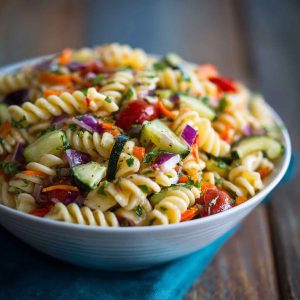
Easy California Pasta Salad – Fresh, Colorful & Delicious
Equipment
- Large mixing bowl
- Cutting board & chef’s knife
- Measuring cups & spoons
- Pasta strainer
- Salad tongs or large spoon
- Airtight storage container (for make-ahead)
Ingredients
- 12 oz rotini, penne, or farfalle pasta
- 1 cup cherry tomatoes, halved
- 1 cup diced cucumbers
- 1 cup diced bell peppers (mixed colors)
- 1 cup corn kernels (fresh or frozen, thawed)
- 1 avocado, diced (added just before serving)
- 1/2 cup feta, mozzarella, or cheddar cheese (optional)
- 1 cup cooked protein: grilled chicken, shrimp, tofu, or beans (optional)
- 3 tbsp olive oil
- 2 tbsp lemon juice or red wine vinegar
- 1 tsp garlic powder
- Salt & pepper, to taste
- 2 tbsp fresh parsley or basil, chopped
Optional Flavor Variations:
- Kalamata olives, sun-dried tomatoes, lime-cilantro dressing, black beans, chickpeas
Instructions
- Cook Pasta: Boil pasta according to package directions until al dente. Drain and rinse under cold water.
- Prep Vegetables: Wash and chop tomatoes, cucumbers, bell peppers, corn, and avocado (add avocado last to prevent browning).
- Cook Protein (Optional): Grill or sauté chicken, shrimp, or tofu; cool before adding.
- Combine Ingredients: In a large mixing bowl, combine pasta, vegetables, protein, and cheese.
- Make Dressing: Whisk olive oil, lemon juice or vinegar, garlic powder, salt, and pepper. Pour over salad.
- Toss Salad: Gently mix with salad tongs or a spoon until evenly coated.
- Chill: Refrigerate at least 30 minutes for flavors to meld before serving.
Notes
- Extra Flavor: Add fresh herbs like parsley, basil, or cilantro just before serving.
- Make-Ahead Tip: Prepare pasta and vegetables separately; combine with dressing just before serving for maximum freshness.
- Storage: Store in an airtight container in the fridge for 3–4 days; add avocado last to prevent browning.
- Variations: Try Mediterranean (olives, feta, sun-dried tomatoes), Southwest (corn, black beans, lime-cilantro), or vegan (omit cheese, add chickpeas/tempeh).
- Creamy Dressing Option: Use Greek yogurt or light mayo instead of vinaigrette for a richer salad.