

 Laura Mariano
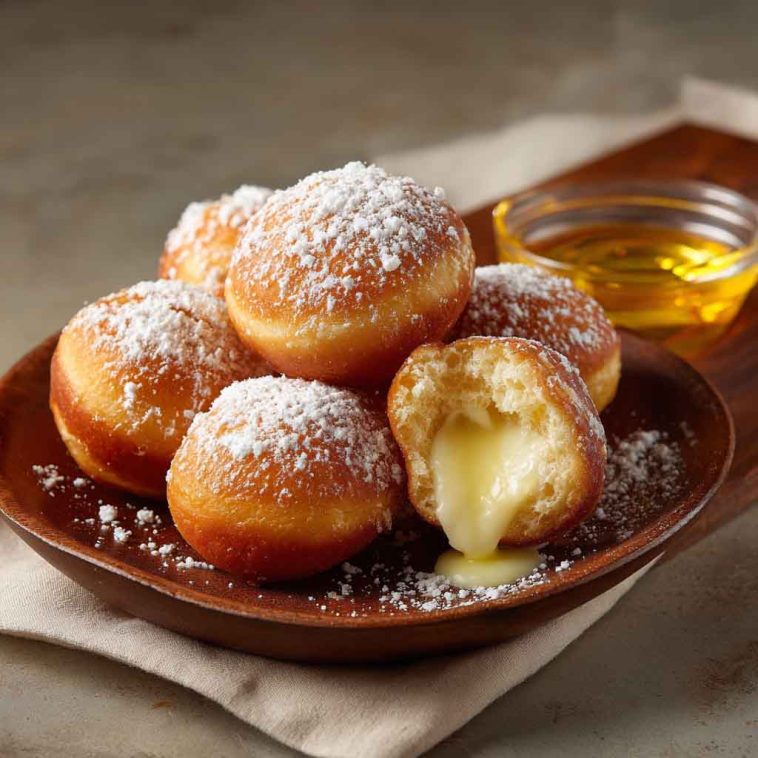
Why Everyone Loves Bomboloni alla Crema
If there’s one Italian treat that can make anyone feel like they’re strolling through a sunlit piazza in Florence, it’s bomboloni alla crema. These delightful cream-filled doughnuts are Italy’s beloved answer to the American doughnut or the French beignet—but dare we say, even more indulgent.
What makes bomboloni so irresistible? It starts with the dough—light, airy, and buttery. When fried, it forms a golden-brown crust that shatters ever so slightly before giving way to a soft, pillowy center. And the best part? That silky, rich pastry cream hidden inside, infused with vanilla and sometimes kissed with citrus or a dash of rum.
They’re perfect for weekend baking, holiday brunches, or simply as a sweet pick-me-up with your morning espresso. Once you’ve made these from scratch, you’ll understand why bomboloni hold a treasured spot in Italian hearts—and kitchens.
What Are Bomboloni alla Crema? (Definition + Origin)
Bomboloni alla crema are Italian doughnuts traditionally filled with a luscious vanilla pastry cream. The name “bomboloni” stems from the Italian word bomba, meaning “bomb”—a nod to their plump, round shape and the explosion of flavor inside.
Originating in Tuscany but popular across Italy, these doughnuts differ slightly from region to region. In Rome and Lazio, they’re often rolled in granulated sugar and served warm, sometimes even filled with chocolate or Nutella. The Tuscan variety tends to be slightly smaller and lighter, with a stronger emphasis on the cream.
Unlike American-style donuts with a visible hole, bomboloni are fully enclosed, allowing them to hold generous amounts of filling. Modern twists include versions flavored with lemon curd, pistachio cream, or mascarpone—though the classic vanilla crema remains the gold standard.
Their deep-rooted connection to Italian pastry traditions makes them a bakery staple and a must-try for homemade bakers.
What Makes This Recipe Stand Out
This recipe celebrates true Italian bomboloni, made just like the nonnas and professional pastry chefs prepare them—with an enriched yeast dough and pastry cream cooked from scratch.
While some modern shortcuts use instant pudding or pre-made doughs, we go all in for authentic texture and taste. The dough is soft, slightly sweet, and enriched with eggs and butter for that unmistakable flavor.
And frying? It’s non-negotiable. Baking may be cleaner, but frying creates the essential crispy golden shell that defines bomboloni.
You’ll also find pro tips throughout—from managing proofing times to using the right oil temperature—to help you master these doughnuts whether it’s your first batch or fiftieth.
Key Ingredients Overview (Cream + Dough)
Dough Ingredients:
-
All-purpose or bread flour – Bread flour gives extra rise and chew
-
Whole milk – Warmed to activate yeast and enrich the dough
-
Eggs + egg yolk – Add richness and structure
-
Unsalted butter – Softened, for tenderness
-
Granulated sugar – For a slightly sweet base
-
Instant or active dry yeast – The lift behind your dough
-
Salt – Balances sweetness
Optional flavorings:
-
Fresh lemon or orange zest – Brightens the dough
-
Rum or grappa – A splash adds depth and Italian flair
Pastry Cream Ingredients:
-
Whole milk – The base of a smooth custard
-
Egg yolks – For color, richness, and thickness
-
Granulated sugar – Sweetens the cream
-
Cornstarch – Helps stabilize and thicken
-
Vanilla bean or high-quality extract – For that authentic flavor
The quality of your ingredients makes a big difference. Use fresh eggs, real butter, and if possible, scrape a vanilla bean pod for that aromatic touch. The result? Doughnuts that taste like they came straight from an Italian bakery.
Essential Tools & Equipment
To make bomboloni with ease and precision, you’ll want to have the following tools on hand:
-
Stand mixer with dough hook (or a large mixing bowl and strong arms!)
-
Thermometer – For ensuring your oil stays at the sweet spot: 175–180°C (345–355°F)
-
Rolling pin – For flattening dough evenly
-
Round cutter – 2.5–3 inch is ideal for classic size
-
Piping bag with round tip – To neatly fill doughnuts with pastry cream
-
Heavy-bottomed pot or deep fryer – For consistent frying temperature
-
Wire rack + paper towels – For draining and cooling
Having the right gear means smoother prep and professional-looking results, even in a home kitchen.
Step-by-Step Recipe Instructions
A. Make the Dough
-
Activate yeast: In a small bowl, combine warm milk (not hot!) with sugar and yeast. Let sit 5–10 minutes until frothy.
-
Mix ingredients: In a mixer bowl, add flour, eggs, sugar, salt, and softened butter. Add activated yeast mixture and knead on medium speed for 7–10 minutes until dough is elastic and smooth.
-
First proof: Cover the bowl with plastic wrap or a clean towel. Let rise in a warm spot for 1.5–2 hours until doubled in size.
-
Roll and cut: On a floured surface, roll dough to ½ inch thick. Use a cutter to shape rounds. Place on parchment-lined trays.
-
Second rise: Cover and proof another 30–45 minutes until puffy.
B. Make the Pastry Cream
-
Heat milk: Warm milk with vanilla bean (or extract) in a saucepan.
-
Whisk yolks + sugar + cornstarch: In a separate bowl, beat until light.
-
Temper eggs: Slowly pour hot milk into egg mixture while whisking constantly.
-
Cook and thicken: Return mixture to saucepan. Cook over medium heat, stirring constantly, until thick and bubbly.
-
Cool: Pour into a bowl, press plastic wrap on top, and chill fully before using.
C. Fry and Fill
-
Heat oil: In a deep pot, bring oil to 175–180°C (345–355°F).
-
Fry doughnuts: In batches, fry until golden brown, 1–2 minutes per side.
-
Drain and coat: Place on paper towels, then roll in granulated sugar.
-
Fill: Poke a hole in the side of each bombolone and pipe in the chilled pastry cream until full and slightly oozing.
Expert Tips for Best Results
-
Use bread flour for a chewier, more structured dough—perfect for holding that creamy filling.
-
Chill your pastry cream fully before piping—it needs to be thick and cold to avoid leaks.
-
Don’t overcrowd the frying pot—this drops the oil temperature and can lead to greasy or undercooked doughnuts.
-
Test your oil regularly between batches to maintain the ideal temperature window.
-
For added aroma, try infusing your milk with citrus zest or a splash of rum before making the dough or pastry cream.
Delicious Variations & Flavor Twists
Once you’ve mastered the classic Bomboloni alla Crema, the door is wide open for fun and flavorful twists. Here are some beloved and creative ways to customize them:
-
Chocolate Bomboloni: Swap traditional vanilla cream for chocolate pastry cream made with cocoa powder or melted dark chocolate. Want it even easier? Fill with Nutella for a rich hazelnut surprise.
-
Citrus Cream: Add lemon or orange zest to the pastry cream while it’s warming—this adds a bright, fresh twist that pairs beautifully with the rich dough.
-
Boozy Bomboloni: Stir a splash of rum, limoncello, or amaretto into the cooled pastry cream for a grown-up upgrade. Start with 1–2 teaspoons and adjust to taste.
-
Ricotta Bomboloni: Inspired by Sicilian desserts, swap pastry cream for a sweetened ricotta filling. Combine ricotta with powdered sugar, a touch of cinnamon, and citrus zest. Light, creamy, and subtly tangy.
-
Seasonal Fillings: Think jam in summer (strawberry, apricot, fig) or spiced apple compote in fall. Pistachio or chestnut cream also makes a decadent seasonal twist.
These options let you adapt bomboloni for any season, palate, or occasion.
Serving Suggestions & When to Enjoy
Bomboloni alla crema are versatile enough to shine at breakfast, dessert, or brunch gatherings:
-
Breakfast favorite: In Italy, they’re often enjoyed first thing in the morning with a cappuccino or café latte—especially at pastry shops and bakeries.
-
Dessert delight: Serve them warm after dinner, dusted in powdered sugar or rolled in extra granulated sugar for a classic look.
-
Brunch-worthy centerpiece: Stack them on a cake stand for a stunning and interactive brunch centerpiece guests can grab and fill.
Pair with espresso, latte, or even a digestif if you’ve spiked the cream—delicious any time of day.
Storage, Reheating & Make-Ahead Tips
Freshly fried bomboloni are best eaten warm the same day, but here’s how to store and plan ahead without sacrificing quality:
Storage:
-
Keep filled bomboloni in an airtight container at room temperature for up to 1 day, or refrigerated for 2 days.
-
Avoid moisture—sogginess ruins that delicate outer crisp.
Reheating:
-
Best reheated in an air fryer or 350°F oven for 3–5 minutes to revive crispness.
-
Avoid microwaving; it softens the dough and can make the cream ooze out.
Freezing:
-
Freeze unfilled bomboloni after frying and cooling. Reheat, then pipe in fresh cream.
-
Or freeze dough rounds before second rise—thaw and proof before frying.
Pastry Cream:
-
Store pastry cream separately, up to 3 days in the fridge.
-
Pipe into doughnuts just before serving for best texture and flavor.
Troubleshooting Common Issues
Even seasoned bakers can run into bumps—here’s how to fix the most common bomboloni problems:
-
Dough not rising?
-
Likely culprit: inactive yeast or your room is too cold.
-
Use fresh yeast, and let dough rise in a warm, draft-free area (oven with light on works great).
-
-
Greasy donuts?
-
Oil was too cold or dough was overproofed.
-
Use a thermometer to maintain 175–180°C (345–355°F) and avoid letting dough rise too long after cutting.
-
-
Cream leaking out?
-
The pastry cream may be too warm or runny.
-
Chill thoroughly before filling, and avoid overfilling the bomboloni.
-
-
Dense or tough texture?
-
Caused by over-kneading, adding too much flour, or under-proofing.
-
Use bread flour for structure but don’t overdo it; dough should be soft and tacky, not dry.
-
These small adjustments make a big difference in achieving bakery-quality results.
FAQs – People Also Ask
Q1: What’s the difference between Bomboloni and donuts?
While both are fried dough treats, bomboloni are Italian doughnuts with no center hole and often filled with cream or jam. Their dough is usually more enriched and tender, with a slightly softer, richer crumb. Donuts in the U.S. often have a hole and use a less rich dough.
Q2: Can Bomboloni be baked instead of fried?
Technically yes, but the texture changes. Baked bomboloni come out more like sweet rolls—soft but without that essential crisp crust. Frying gives you the authentic Italian street-food experience with its golden exterior and light interior.
Q3: How do Italians eat Bomboloni?
They’re commonly enjoyed for breakfast in Italy, especially from cafés and pasticcerias. Italians often eat them warm, fresh from the fryer, sometimes filled on the spot, and always paired with coffee. They’re also popular during festivals and holidays.
Q4: Can I make Bomboloni dough ahead of time?
Yes! After the first rise, you can refrigerate the dough overnight. Let it come to room temperature for about 45–60 minutes, then roll, cut, and allow for the second proof before frying. This helps build flavor and makes your baking day easier.
Q5: What other fillings can I use?
Get creative! Fillings can include:
-
Jam or fruit preserves (apricot, raspberry, fig)
-
Chocolate ganache or Nutella
-
Lemon curd or citrus pastry cream
-
Pistachio or hazelnut spread
-
Sweetened ricotta or mascarpone
These variations keep bomboloni exciting and seasonal.
Q6: Is Bomboloni dough similar to brioche?
Yes—very similar! Bomboloni dough is an enriched dough, meaning it contains eggs, butter, milk, and sugar, like brioche. This gives it a soft, tender crumb and slightly sweet flavor that sets it apart from basic yeasted doughs.

Bomboloni alla Crema Recipe Summary
Equipment
- Stand mixer with dough hook (or mixing bowl + strong hands)
- Heavy-bottomed pot or deep fryer
- Cooking thermometer
- Rolling Pin
- Round dough cutter (2.5–3 inch)
- Piping bag with round tip
- Wire rack and paper towels
Ingredients
Dough:
- Flour (bread or all-purpose)
- Warm whole milk
- Granulated sugar
- Active dry or instant yeast
- Eggs
- Unsalted butter
- Salt
- (Optional: lemon/orange zest, splash of rum)
Pastry Cream:
- Whole milk
- Egg yolks
- Granulated sugar
- Cornstarch
- Vanilla bean or vanilla extract
Instructions
- Prepare the dough: Activate yeast in warm milk with sugar. Mix with flour, eggs, butter, and salt; knead until smooth and elastic. Let rise until doubled (1.5–2 hrs).
- Roll and cut: Roll dough ½ inch thick, cut rounds, and let rise again (30–45 min).
- Make pastry cream: Heat milk with vanilla. Whisk yolks, sugar, and cornstarch; temper with milk. Cook until thick, chill fully.
- Fry bomboloni: Heat oil to 175–180°C. Fry doughnuts until golden (1–2 min each side). Drain and roll in sugar.
- Fill: Pipe chilled pastry cream into warm doughnuts. Serve immediately or store properly.
Notes
- For best texture, use bread flour or high-quality all-purpose.
- Chill pastry cream fully before filling to avoid leakage.
- Maintain oil temperature with a thermometer for perfect frying.
- Bomboloni are best eaten fresh but can be reheated in an air fryer or oven.
- Freeze unfilled dough rounds or doughnuts and pipe cream fresh after reheating.
- Try variations like chocolate cream, Nutella, or ricotta filling for creative twists.