

 Laura Mariano
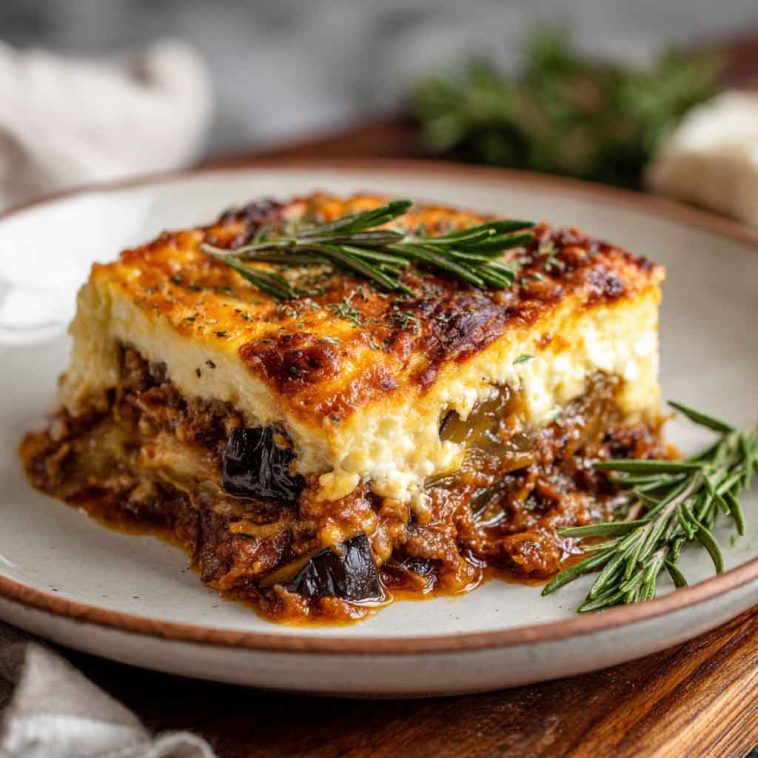
Why Moussaka Is Greece’s Ultimate Comfort Dish
Few dishes embody Greek comfort food like classic moussaka—a warm, layered casserole where meltingly tender eggplant, aromatic meat sauce, and silky béchamel come together in perfect harmony. Each bite is a marriage of rich flavors and indulgent textures, from the slightly sweet spices in the ground meat to the creamy top layer that gently browns in the oven.
What sets moussaka apart is not just the ingredients but the love and technique behind every step: properly prepping vegetables, patiently simmering the sauce, and layering with care. It’s a dish that feels both rustic and refined—something that comforts the soul while impressing dinner guests.
In this first part, you’ll learn the traditional building blocks of moussaka, from its Mediterranean roots to mastering the layering technique that creates those clean, satisfying slices. Whether you’re cooking it for the first time or refining your method, this guide ensures a truly authentic Greek experience at home.
Moussaka Origins & Evolution
Moussaka may be considered quintessentially Greek today, but its roots lie in a broader Eastern Mediterranean tradition, shaped over centuries by cultural exchange. Versions of eggplant-based casseroles have long been enjoyed in Ottoman, Levantine, and Balkan cuisines, often featuring stewed vegetables and meat layered or cooked together.
The modern Greek version, as we know it, was redefined in the 1920s by Nikolaos Tselementes, a French-trained Greek chef. Inspired by Western culinary techniques, he introduced the now-standard béchamel topping—transforming moussaka from a rustic layered dish into a baked, refined entrée that married Greek ingredients with French flair.
Moussaka’s evolution didn’t stop there. Regional variations across Greece and Cyprus incorporate sliced potatoes, use lamb or beef mince, or even explore vegetarian renditions using lentils or mushrooms. Each version reflects local ingredients, religious fasting traditions, and personal flair—making moussaka both deeply rooted and endlessly adaptable.
Today, the classic layered style with eggplant, meat sauce, and béchamel remains a Sunday favorite and holiday centerpiece in Greek households. It’s a dish steeped in history and warmth, served with pride across generations.
What Makes Classic Greek Moussaka: Ingredient Breakdown
At its core, a traditional Greek moussaka features three main components—eggplant, meat sauce, and béchamel—layered with intention and balance. Let’s break them down:
Eggplant (Aubergine)
Eggplant is the star vegetable, lending a silky texture and slightly sweet flavor once cooked. Choose firm, medium-sized eggplants. To remove any bitterness, slice and salt them, then let them sit for 30 minutes, followed by a rinse and pat dry. This step also prevents sogginess.
Once prepped, slices are either roasted or lightly pan-fried until golden. Roasting is lighter and cleaner; frying offers more depth and richness. Your choice sets the tone.
Potatoes (Optional but Traditional)
While not universal, a base layer of thinly sliced potatoes adds heartiness and structure. You can lightly roast or shallow-fry them just until tender. This layer absorbs the juices from above, creating a delicious base.
Meat Sauce
Ground lamb or beef is used, often depending on region or personal preference. Lamb adds richness; beef is more common in modern homes. The sauce includes onions, garlic, crushed tomatoes, olive oil, red wine, and spices like cinnamon, nutmeg, and allspice—classic Greek aromatics that give moussaka its signature warmth.
Béchamel Sauce
A creamy white sauce made from butter, flour, and milk, thickened to a custard-like texture with egg yolk and nutmeg. A touch of Parmesan or Kefalotyri cheese adds sharpness and richness.
Each layer is seasoned with intention—ensuring that the final baked dish is flavorful from top to bottom.
Tools & Preparation Tips
To make authentic moussaka, having the right tools and preparation mindset helps a lot. You’ll need:
-
A 9×13″ baking dish
-
Sharp knife for clean vegetable slicing
-
Colander for salting eggplant
-
Skillets or sauté pans for meat and vegetables
-
A medium saucepan for béchamel
-
A whisk for smooth sauce making
Tips for success:
-
Slice vegetables evenly for uniform cooking.
-
Salt the eggplant properly and don’t skip the resting and rinsing step.
-
Pre-roast or fry the potatoes and eggplant separately to avoid soggy layers.
These steps make the difference between a dense casserole and a perfectly layered, sliceable masterpiece.
Step-by-Step Cooking Technique
Creating a classic moussaka is a multi-step process, but it’s all about layering love and flavor.
Prepare the Eggplant
-
Slice into ½-inch rounds or long strips.
-
Salt both sides and place in a colander for 30 minutes.
-
Rinse, pat dry, and brush with olive oil.
-
Roast at 400°F (200°C) for 20 minutes, or sauté in batches until golden and tender.
Prepare the Potatoes (if using)
-
Peel and slice into ¼-inch rounds.
-
Lightly roast or shallow-fry until just fork-tender.
-
Set aside on paper towels to drain excess oil.
Make the Meat Sauce
-
In a large skillet, heat olive oil and sauté onion and garlic until soft.
-
Add ground lamb or beef; brown well, breaking into small bits.
-
Pour in red wine and simmer off alcohol.
-
Stir in tomatoes, tomato paste, and spices—cinnamon, nutmeg, bay leaf, allspice.
-
Simmer for 20–30 minutes, until thick and deeply aromatic.
Make the Béchamel
-
In a saucepan, melt butter, then whisk in flour to make a roux.
-
Gradually add warm milk, whisking until thickened.
-
Season with salt, pepper, nutmeg.
-
Remove from heat and temper in beaten egg yolk, stirring fast to avoid scrambling.
-
Fold in grated cheese for richness.
Layer & Bake
-
Lightly grease the baking dish. Sprinkle breadcrumbs on the bottom (optional).
-
Arrange layers:
-
Potatoes
-
Half the eggplant
-
Meat sauce
-
Remaining eggplant
-
Pour béchamel on top and spread evenly
-
-
Bake at 375°F (190°C) for 45–60 minutes, until golden and bubbling.
Let the moussaka rest for 30–45 minutes before slicing. This allows the layers to set, ensuring neat, gorgeous portions that hold their shape.
Creative Variations & Modern Twists
Explore how moussaka adapts to different tastes and dietary needs:
-
Vegetarian/Vegan Moussaka: swap meat for lentils, mushrooms, or chickpeas; béchamel made with plant milk and olive oil
-
Cheese swaps: use Gruyère, mozzarella, or vegan alternatives
-
Gluten-free moussaka: use cornstarch or rice flour in béchamel
-
Low-carb option: omit potatoes, use zucchini or cauliflower slices
-
Regional spins: Balkan versions with only eggplant and no béchamel; Middle Eastern with béchamel omitted altogether
Serving Suggestions & Pairings
Complementary dishes and wine tips:
-
Classic sides: crusty Greek bread, lemony roasted potatoes, tzatziki, or Greek village salad
-
Light greens: arugula or dill salad to contrast richness
-
Wine pairings: try a dry red like Agiorgitiko or a light white like Assyrtiko
-
Portion tips: serve in squares with a drizzle of olive oil and oregano
Storage, Reheating & Make-Ahead Tips
-
Make-ahead: Assemble the day before, refrigerate before baking
-
Storing: Cool completely; refrigerate up to 4 days
-
Freezing: Freeze whole tray or slices; wrap tightly in foil and plastic
-
Reheating: Oven at 350°F, covered in foil until heated through; microwave for convenience
Nutrition Overview & Lightening Options
-
Calories: Typically ~400–500 per slice depending on portion and ingredients
-
Macros: High in protein and fats; moderate carbs from béchamel and potatoes
-
Lighter tips: Roast instead of frying; skip potatoes; use low-fat milk in béchamel
-
Added value: Tomatoes and eggplant bring fiber and antioxidants
Frequently Asked Questions
-
Can I make moussaka ahead of time? Yes, it’s perfect for prepping the night before baking.
-
What meat is best—beef or lamb? Lamb is traditional but beef is more common today.
-
How do I avoid soggy eggplant? Salt and drain slices, then roast or pan-fry before layering.
-
Can I freeze moussaka? Absolutely—baked and cooled moussaka freezes well for up to 3 months.
-
Why is my béchamel lumpy or thin? Whisk constantly while adding milk slowly; if thin, simmer longer.
-
Can I use zucchini instead of eggplant? Yes—zucchini slices work well as a low-carb swap.
Classic Greek Eggplant Moussaka
Equipment
- 9×13” baking dish
- Skillets or sauté pans (x2)
- Saucepan (for béchamel)
- Whisk
- Sharp knife & cutting board
- Colander (for draining eggplant)
- Large mixing spoon or spatula
- Paper towels
Ingredients
For the eggplant layer:
- 3 medium eggplants (about 2.5–3 lbs), sliced ½-inch thickSalt (for draining bitterness)Olive oil (for roasting or frying)
Optional potato base:
- 2–3 medium potatoes, peeled and sliced ¼-inch thickOlive oil, for roasting or frying
For the meat sauce:
- 1 lb ground lamb or beef
- 1 onion, finely chopped
- 3 garlic cloves, minced
- 1 (14 oz) can crushed tomatoes
- 2 tbsp tomato paste
- ¼ cup red wine (optional)
- 1 tsp ground cinnamon
- ¼ tsp ground allspice or nutmeg
- Salt and pepper, to taste
- 2 tbsp olive oil
For the béchamel sauce:
- 4 tbsp butter
- 4 tbsp all-purpose flour
- 3 cups whole milk, warmed
- 1 egg, lightly beaten (tempered)
- ¼ tsp ground nutmeg
- ½ cup grated Parmesan or Kefalotyri cheese
- Salt, to taste
Assembly:
- Extra grated cheese (optional, for topping)
- Fine breadcrumbs (optional, to coat base of baking dish)
Instructions
Prep the Eggplant:
- Slice eggplants and sprinkle both sides with salt. Let sit in a colander for 30 minutes to draw out bitterness. Rinse and pat dry.Brush with olive oil and roast in a 400°F (200°C) oven for 20–25 minutes until golden (or pan-fry in batches if preferred). Set aside.
Prep the Potatoes (if using):
- Peel, slice, and roast or lightly fry potato slices until just fork-tender. Lay them out to cool.
Cook the Meat Sauce:
- In a skillet, heat olive oil. Sauté onions until soft, then add garlic.Brown the ground meat, breaking it up as it cooks.Stir in tomato paste, crushed tomatoes, red wine, cinnamon, and allspice.Simmer uncovered for 20–25 minutes until thick and saucy. Season with salt and pepper. Let cool slightly.
Make the Béchamel Sauce:
- In a saucepan, melt butter. Add flour and whisk constantly to form a roux.Gradually whisk in warm milk, stirring until smooth and thickened.Off heat, season with nutmeg and salt. Temper the egg with a bit of warm sauce, then stir it into the béchamel with cheese.
Assemble the Moussaka:
- Lightly grease the baking dish. Optionally, dust with breadcrumbs.Layer in order: potatoes (if using), half of the eggplant, all the meat sauce, remaining eggplant, then pour over the béchamel.Spread béchamel evenly. Sprinkle with more cheese if desired.
Bake:
- Bake at 375°F (190°C) for 45–60 minutes until golden and bubbling on top.Cool for at least 30 minutes before slicing for clean layers.
Notes
- Make-ahead tip: Moussaka can be assembled a day in advance and baked the next day. Flavors improve overnight!
- Leaner version: Use lean beef, skip the potatoes, and lighten the béchamel by using low-fat milk.
- Vegetarian tip: Swap meat for a lentil-tomato sauce with mushrooms.
- Freezing: Freeze fully cooked and cooled moussaka slices wrapped in foil for up to 2 months.
- Reheating: Bake covered at 350°F until warmed through.