
Classic French Butter Cake – Rich, Buttery & Perfectly Moist

The Timeless Appeal of Classic French Butter Cake

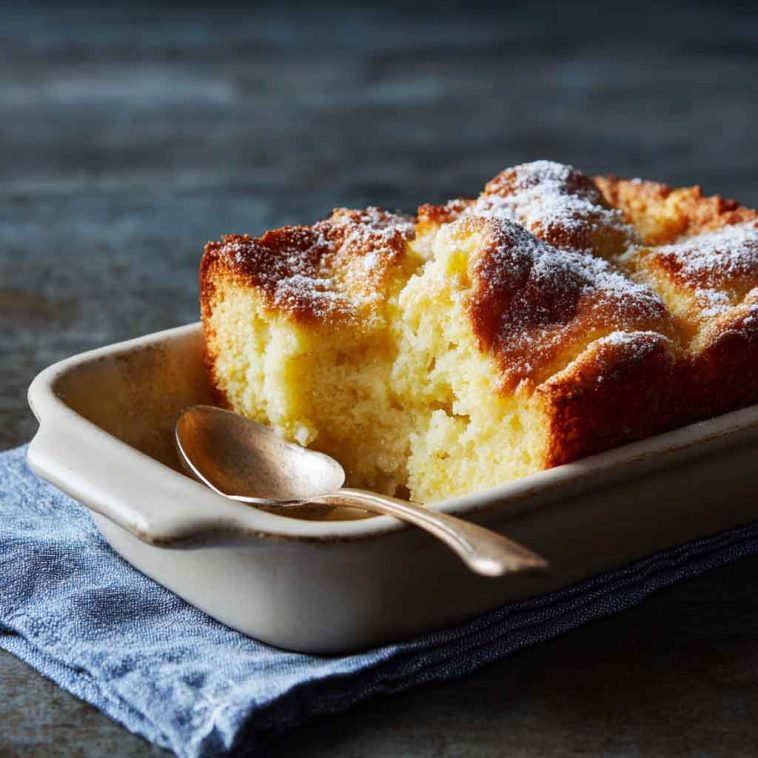
Few desserts embody elegance and simplicity quite like the classic French butter cake. With its tender crumb, rich buttery flavor, and delicate golden crust, this cake exudes both sophistication and comfort. It’s the kind of treat that can elevate a quiet afternoon tea, serve as the centerpiece for a celebratory gathering, or simply satisfy a craving for something sweet and indulgent.

The beauty of French butter cake lies not only in its flavor but also in its approachability for home bakers. While it draws inspiration from centuries-old French patisserie techniques, it doesn’t require advanced skills or exotic ingredients. With a careful balance of butter, sugar, eggs, and flour, even novice bakers can achieve a moist, flavorful cake with a tender crumb.

Moreover, the versatility of this cake makes it a perennial favorite. You can enjoy it plain, dusted with powdered sugar, or paired with fresh fruits, glazes, or creams. From a simple tea-time indulgence to a special dessert for family gatherings, the classic French butter cake promises a consistent and satisfying experience. By the end of this guide, you’ll have a foolproof method to create a cake that’s buttery, tender, and beautifully golden—perfect every time.

History & Origins of French Butter Cake

The French butter cake, or gâteau au beurre, has its roots in both traditional home baking and classic French patisserie. Its origin is closely tied to the French mastery of butter and sugar, where proper techniques for creaming, folding, and baking were developed to produce tender, flavorful desserts.

Traditional recipes emphasized the importance of technique: creaming butter and sugar to incorporate air, folding in flour gently to maintain a light texture, and careful control of oven temperature to achieve a golden crust without overbaking. These principles have been passed down through generations, influencing not only French home bakers but also international variations of butter cake.

Over time, the French butter cake has evolved, inspiring modern twists such as flavored versions with citrus zest, almond essence, or chocolate additions, yet it has always retained its signature buttery richness and tender crumb, making it a timeless classic in both professional and home kitchens.

Flavor & Texture Profile

A classic French butter cake is celebrated for its rich, buttery aroma and tender, moist crumb. The exterior bakes to a softly golden crust that offers just a hint of crispness, contrasting beautifully with the delicate interior. Each bite melts in the mouth, delivering a subtle sweetness that complements, rather than overwhelms, additional flavors.

The cake’s flavor profile is versatile, allowing it to pair effortlessly with a variety of enhancements. Vanilla extract provides warmth and depth, almond extract adds a nutty, fragrant nuance, and citrus zest can lend a bright, aromatic lift. Its texture makes it ideal for layering with glazes, fresh fruits, or cream toppings without losing structure.

Whether enjoyed plain with tea or transformed into a more elaborate dessert, the balance of richness, subtle sweetness, and tender crumb ensures the cake remains satisfying, elegant, and universally appealing.

Ingredient Insights & Selection Tips

The key to a flawless French butter cake is selecting the right ingredients and understanding their roles:

  • Butter: Use high-quality unsalted butter for full flavor and control over salt levels. Softened to room temperature, it creams perfectly with sugar, creating a light, aerated base.

  • Flour: All-purpose flour works well, but cake flour can yield a finer, softer crumb. Proper sifting ensures even distribution of leavening agents.

  • Sugar: Granulated sugar is traditional, but superfine sugar can dissolve more quickly, helping to achieve a light texture. Creaming sugar with butter until pale and fluffy is essential for aeration.

  • Eggs: Always use room temperature eggs for proper emulsification, which helps the cake rise evenly and maintain tenderness.

  • Flavorings: Vanilla extract is classic, almond extract adds subtle complexity, and citrus zest (lemon or orange) brightens the overall flavor.

  • Leavening Agents: Baking powder or a combination of baking powder and baking soda provides lift while keeping the cake tender.

  • Milk or Cream: Adds moisture and helps achieve a delicate crumb.

  • Optional Add-ins: Nuts, chocolate chips, or small pieces of fruit can provide texture and flavor variations.

Pro Tips:

  • Weigh ingredients for accuracy—precision matters in baking.

  • Cream butter and sugar until light and fluffy to trap air for lift.

  • Avoid overmixing flour to maintain a tender, soft crumb.

By understanding the purpose of each ingredient and following these guidelines, you ensure a cake that is moist, flavorful, and perfectly textured every time.

Tools & Equipment

Having the right tools can make all the difference:

  • Mixing Bowls: For combining wet and dry ingredients.

  • Electric Mixer or Stand Mixer: Essential for properly creaming butter and sugar.

  • Spatula: For gentle folding of dry ingredients to prevent overmixing.

  • Loaf or Bundt Pan: Greased and floured to prevent sticking; choose based on desired cake shape.

  • Measuring Cups and Spoons or Kitchen Scale: Accuracy ensures consistent results.

  • Oven Thermometer: Confirms precise baking temperature for perfect crumb and golden crust.

Optional: Sifter for flour, fine zester for citrus, and cooling rack for even cooling.

Step-by-Step Cake Preparation

1. Cream Butter and Sugar:
Place softened butter in a mixing bowl and beat with sugar until pale, light, and fluffy. This aerates the batter, ensuring a tender cake.

2. Incorporate Eggs:
Add eggs one at a time, mixing well after each addition. This ensures proper emulsification and prevents the batter from curdling.

3. Add Flavorings:
Mix in vanilla extract, almond extract, or citrus zest. These enhance the cake’s aroma and depth without overpowering the buttery base.

4. Fold in Dry Ingredients:
Gently fold in sifted flour combined with leavening agents. Use a spatula to fold carefully, preserving the trapped air from creaming. Avoid overmixing to prevent a dense cake.

5. Add Milk or Cream:
Slowly incorporate milk or cream until the batter reaches a smooth, slightly thick consistency. This adds moisture and tenderness to the final cake.

6. Bake:
Pour batter into prepared pan and bake in a preheated oven until a toothpick inserted in the center comes out clean. Oven times vary depending on pan size and shape, so monitor closely.

7. Cool:
Allow the cake to cool in the pan briefly before transferring to a wire rack. This prevents sogginess and maintains the delicate texture.

Pro Tip: Avoid opening the oven door early; this ensures the cake rises evenly and the crumb remains tender.

Classic French Butter Cake – Rich, Buttery & Perfectly Moist

Indulge in the timeless elegance of this Classic French Butter Cake! Soft, buttery, and perfectly moist, it’s ideal for afternoon tea, dessert, or a special occasion. Simple to make yet sophisticated in flavor, this cake will impress family, friends, and anyone who loves classic French baking.
Prep Time 15 minutes
Cook Time 45 minutes
Total Time 1 hour
Course Dessert / Tea-Time Treat
Cuisine French, European
Servings 10
Calories 350 kcal

Equipment

  • Mixing bowls
  • Electric mixer or stand mixer
  • Spatula for folding
  • Loaf or bundt pan (greased and floured)
  • Measuring cups and spoons or kitchen scale
  • Oven thermometer (optional but recommended)
  • Wire rack (for cooling)
  • Sifter for flour (optional)

Ingredients
  

Cake Batter:

  • 1 cup (227 g) unsalted butter, softened
  • 1 1/2 cups (300 g) granulated sugar (or superfine sugar)
  • 4 large eggs, room temperature
  • 2 tsp vanilla extract
  • 1/2 tsp almond extract (optional)
  • Zest of 1 lemon or orange (optional)
  • 2 1/2 cups (300 g) all-purpose flour (or cake flour for softer crumb)
  • 2 1/2 tsp baking powder
  • 1/2 tsp salt
  • 1/2 cup (120 ml) whole milk or cream

Optional Add-ins & Toppings:

  • 1/2 cup chopped nuts, chocolate chips, or dried fruit
  • Powdered sugar for dusting
  • Glaze: lemon, vanilla, or chocolate

Instructions
 

  • Preheat Oven: Preheat to 350°F (175°C). Grease and flour your chosen pan.
  • Cream Butter and Sugar: Beat butter and sugar until pale and fluffy, about 3–5 minutes.
  • Add Eggs: Incorporate eggs one at a time, mixing well after each.
  • Add Flavorings: Stir in vanilla extract, almond extract, and citrus zest if using.
  • Fold Dry Ingredients: Sift together flour, baking powder, and salt. Gently fold into the wet mixture, alternating with milk or cream, until combined.
  • Add Optional Mix-ins: Fold in nuts, chocolate chips, or dried fruit gently.
  • Bake: Pour batter into prepared pan. Bake for 45–55 minutes, until a toothpick comes out clean.
  • Cool: Allow to cool in pan 10–15 minutes, then transfer to a wire rack. Cool completely before glazing or slicing.
  • Serve: Dust with powdered sugar, drizzle glaze, or serve with fresh fruit and whipped cream as desired.

Notes

  • Substitutions: Butter can be partially replaced with yogurt or milk alternatives for a lighter version. Avoid using oil alone, as texture will differ.
  • Gluten-Free Option: Use almond flour or gluten-free flour blends; adjust liquids if needed.
  • Mini Cakes/Cupcakes: Divide batter into muffin tins for smaller portions; bake 20–25 minutes.
  • Storage: Store in airtight container at room temperature for 2–3 days, or refrigerate up to 1 week. Freeze tightly wrapped up to 2 months.
  • Flavor Variations: Add cocoa powder for chocolate version, or spices like cinnamon and nutmeg for a warm twist.
  • Baking Tips: Use room-temperature ingredients, fold flour gently, and avoid opening oven early for a perfect rise.
Keyword afternoon tea cake, buttery cake, classic cake recipe, elegant desser, French butter cake, gâteau au beurre, tender cake