
 Laura Mariano
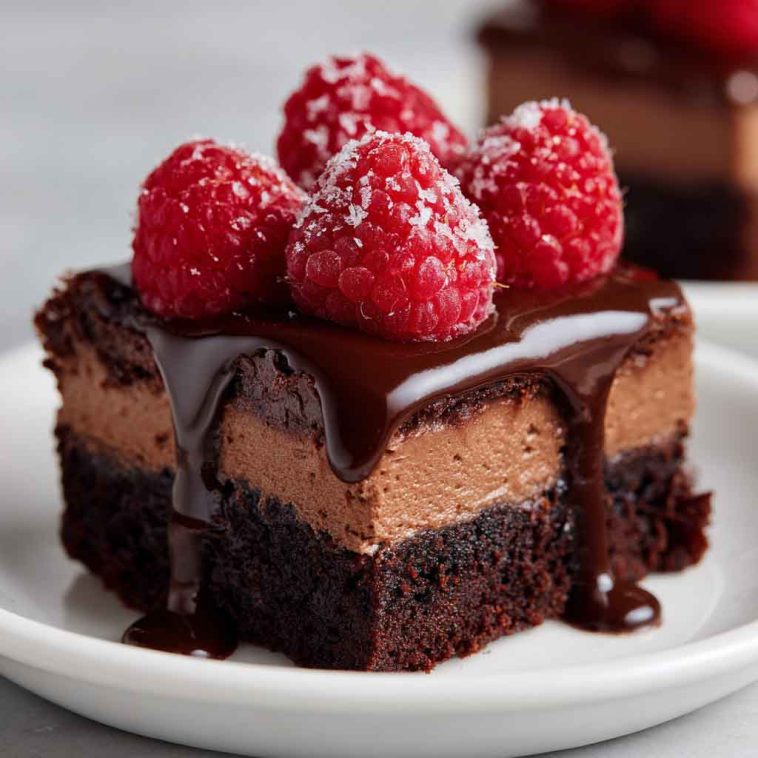
Chocolate Mousse Brownies
Pinterest has become one of the most powerful platforms for food bloggers and recipe creators looking to drive traffic and grow their audience. Unlike traditional social media, Pinterest functions as a visual search engine, making it a top destination for users seeking recipe inspiration. This means that optimizing your pins for Pinterest isn’t just helpful—it’s essential for visibility and clicks.
Crafting the perfect Pinterest title, description, and keywords directly impacts how your pins rank and appear in search results. These elements work together to catch the eye, attract clicks, and ultimately funnel users to your blog or website.
Chocolate mousse brownies are a fantastic recipe choice to showcase on Pinterest because they combine indulgent appeal with visual richness—two factors that perform exceptionally well on the platform. When paired with Pinterest SEO best practices, a pin for chocolate mousse brownies can become highly shareable and drive steady, long-term traffic. This article will guide you through Pinterest SEO basics, crafting irresistible titles and descriptions, and choosing the right keywords and hashtags to maximize your pin’s potential.
Understanding Pinterest SEO Basics for Recipes
Pinterest’s search engine uses a visual-first approach, focusing heavily on images, but behind the scenes, keywords play a crucial role in helping your pins get discovered. Unlike Google, where users type specific queries, Pinterest users often search with broad, inspiration-driven keywords. This means keyword strategy on Pinterest must balance broad appeal with niche specificity to reach the right audience.
Pinterest SEO for recipes differs from traditional web SEO because it prioritizes engagement signals such as saves, clicks, and comments alongside keyword relevance. The platform analyzes the text in your pin title, description, and even image alt text to determine how relevant your content is to a user’s search.
Keyword research for Pinterest should involve tools like Pinterest Trends and Google Keyword Planner but always with a focus on what Pinterest users are searching for visually. Understanding how Pinterest ranks pins—through a combination of engagement, keyword usage, and relevancy—is key to crafting pins that don’t just look good but also get found and shared.
Crafting the Perfect Pinterest Title for Chocolate Mousse Brownies
Your Pinterest title is often the first thing users notice after the image, so it must be both compelling and keyword-rich. Incorporate your primary keyword phrase, like “Chocolate Mousse Brownies,” near the beginning of the title to boost search visibility.
Keep titles concise—ideally between 30 to 40 characters—to ensure they display fully on mobile and desktop. Using numbers or descriptive adjectives can make titles more clickable, such as “Easy Chocolate Mousse Brownies” or “Decadent Chocolate Mousse Brownies Recipe.”
Emotional and sensory words help draw users in by tapping into feelings and senses, for example, “Creamy,” “Rich,” “Fudgy,” or “Indulgent.” However, avoid clickbait phrases that may disappoint users or reduce trust; instead, focus on honest, enticing descriptions.
Examples of strong Pinterest titles:
-
“Fudgy Chocolate Mousse Brownies You’ll Love”
-
“How to Make Creamy Chocolate Mousse Brownies”
-
“Decadent Chocolate Mousse Brownies Recipe (30 Minutes!)”
Balancing clarity and creativity will help your pin stand out and drive engagement.
Writing an Engaging Pinterest Description
The Pinterest description serves two purposes: improving your pin’s searchability and persuading users to click through. It’s important to include relevant keywords naturally within your description—avoid keyword stuffing, which can appear spammy and hurt engagement.
Describe the recipe’s key benefits and sensory qualities to appeal to readers’ tastes and emotions. For example, highlight the brownies’ creamy texture, rich chocolate flavor, or how easy the recipe is to prepare. Including details about prep time, serving suggestions, or special ingredients adds value.
Always include a clear call to action (CTA) to encourage users to try the recipe or visit your blog, such as “Try this creamy, decadent chocolate mousse brownies recipe today!” or “Perfect for chocolate lovers looking for an easy, elegant dessert.”
Example optimized description:
“Indulge in these creamy, fudgy chocolate mousse brownies that come together in just 30 minutes! Perfect for easy weeknight desserts or special occasions, this recipe combines rich chocolate flavor with a melt-in-your-mouth texture. Gluten-free and easy to customize. Try it today and impress your family and friends!”
Well-crafted descriptions boost your pin’s relevancy and entice clicks, helping it gain traction on Pinterest.
Selecting Pinterest Keywords & Hashtags for Chocolate Mousse Brownies
Researching and selecting the right keywords is foundational to Pinterest SEO success. Use tools like Pinterest Trends, Google Keyword Planner, and even Pinterest’s search bar autocomplete to discover popular and relevant keywords related to chocolate mousse brownies.
Balance broad keywords (“chocolate brownies,” “easy dessert recipes”) with more niche, specific phrases (“cream cheese chocolate mousse brownies,” “gluten-free mousse brownies”) to target both wide and focused audiences.
Hashtags on Pinterest work differently than on other platforms; they help categorize your content but should be used thoughtfully. Include 3-5 relevant hashtags that complement your keywords, such as #ChocolateBrownies, #DessertRecipes, or #EasyDesserts.
Add your primary keywords naturally in the pin’s title and description, and sprinkle hashtags at the end of the description or in the first comment when possible.
Examples of strong keywords for chocolate mousse brownies:
-
Chocolate mousse brownies recipe
-
Fudgy chocolate dessert
-
Easy chocolate brownies
-
Gluten-free chocolate mousse
-
No-bake mousse brownies
Effective keyword and hashtag use increases the chance your pins show up in related searches and are seen by your target audience, boosting your recipe’s reach and engagement.
Designing Eye-Catching Pinterest Pins for Chocolate Mousse Brownies
Creating visually striking pins is essential to capture Pinterest users’ attention and encourage saves and clicks. Use high-quality, well-lit photos that showcase the rich texture and decadent appeal of chocolate mousse brownies. Close-up shots highlighting gooey layers or a clean slice can evoke a sensory response.
Incorporate text overlays with your main keywords and a compelling call-to-action, such as “Easy Chocolate Mousse Brownies” or “Fudgy & Creamy Dessert.” Choose readable fonts that contrast well against the background image but don’t overcrowd the pin. Pinterest recommends vertical pins with a 2:3 aspect ratio (e.g., 1000 x 1500 pixels) for optimal display.
Use your brand colors subtly to maintain consistency and recognition. Adding subtle design elements like borders or icons can help your pin stand out in the feed. Test different designs to see which style drives the most engagement.
Scheduling and Consistency: Keys to Pinterest Growth
Posting consistently is crucial for building an engaged Pinterest audience. Use scheduling tools like Tailwind or Pinterest’s native scheduler to plan pins ahead of time. Spreading out pins over weeks ensures ongoing visibility rather than a quick burst that fades fast.
Pin your chocolate mousse brownies recipe multiple times, using different titles, descriptions, and images to reach varied audiences and avoid content fatigue. Repinning to relevant group boards and your own boards increases exposure.
Engage with your Pinterest community by responding to comments, saving related pins, and following users with similar interests. This activity signals to Pinterest that you’re an active, valuable contributor, helping your pins rank higher.
Tracking Performance & Using Analytics to Improve
Pinterest Analytics provides valuable insights into how your pins perform—monitor metrics like impressions, saves, clicks, and engagement rates. For your chocolate mousse brownies pins, track which images and titles get the most saves and clicks to understand what resonates.
Analyze audience demographics and interests to tailor future pins and blog content. Use keyword performance data to refine your keyword strategy regularly.
Set monthly goals for growth, such as increasing saves or referral traffic to your site. Use A/B testing by creating multiple pins for the same recipe and comparing their performance.
Regularly review and update underperforming pins by tweaking titles, descriptions, or images to boost visibility.
Final Thoughts: Harnessing Pinterest to Grow Your Recipe Blog
Pinterest is a powerful tool for recipe bloggers who want to increase their reach and connect with passionate food lovers. By mastering SEO basics, crafting compelling titles and descriptions, selecting the right keywords, and designing eye-catching pins, you set your chocolate mousse brownies recipe up for success.
Consistency in pinning and actively engaging with your Pinterest community will build momentum and long-term traffic growth. Leverage analytics to stay informed and continuously improve your strategy.
With dedication and smart optimization, your Pinterest presence can become a reliable source of targeted traffic, turning casual browsers into loyal readers and home cooks eager to try your delicious recipes.
Frequently Asked Questions (FAQs) for Pinterest Optimization of Chocolate Mousse Brownies
-
How do I get more clicks on my Pinterest recipe pins?
Tips on combining engaging images, keyword-rich titles, and clear descriptions to boost click-through rates. -
What keywords should I use for recipe pins on Pinterest?
Advice on choosing a mix of broad and niche keywords tailored to your recipe and audience. -
How often should I pin my recipe to Pinterest?
Recommendations on consistent pinning schedules, repinning strategies, and avoiding content fatigue. -
Can I use the same pin multiple times?
Explanation of the benefits of reusing pins with slight variations in titles, descriptions, or images for better reach. -
How do Pinterest hashtags work for recipes?
Guidance on selecting and placing hashtags effectively without overdoing it. -
What size and format are best for Pinterest pins?
Overview of Pinterest’s preferred vertical pin dimensions and file formats for optimal display. -
Is it better to pin directly from my website or upload pins manually?
Pros and cons of each method and best practices for SEO and traffic.
Chocolate Mousse Brownies Recipe
Equipment
- 8x8 inch baking pan
- Mixing bowls
- Electric mixer or whisk
- Spatula
- Measuring Cups and Spoons
- Saucepan for melting chocolate
- Cooling rack
Ingredients
Brownie Base:
- 1/2 cup unsalted butter
- 1 cup granulated sugar
- 2 large eggs
- 1 tsp vanilla extract
- 1/3 cup unsweetened cocoa powder
- 1/2 cup all-purpose flour
- 1/4 tsp salt
- 1/4 tsp baking powder
Chocolate Mousse Topping:
- 1 cup heavy whipping cream
- 4 oz semi-sweet or bittersweet chocolate, melted and slightly cooled
- 2 tbsp powdered sugar
- 1 tsp vanilla extract
Instructions
Brownie Base:
- Preheat oven to 350°F (175°C). Grease and line an 8x8 inch baking pan.
- Melt butter and stir in sugar until combined.
- Beat in eggs and vanilla extract until smooth.
- Sift cocoa powder, flour, salt, and baking powder; gradually fold into wet ingredients.
- Pour batter into prepared pan and bake for 20-25 minutes, or until a toothpick inserted near the center comes out with moist crumbs. Cool completely.
Chocolate Mousse Topping:
- Whip heavy cream with powdered sugar and vanilla until soft peaks form.
- Gently fold melted chocolate into whipped cream until fully combined and smooth.
- Spread mousse evenly over cooled brownie base.
- Refrigerate at least 2 hours until mousse is set before slicing and serving.
Notes
- Use high-quality chocolate for best flavor and smooth texture.
- Ensure brownies are fully cooled before adding mousse to prevent melting.
- For a gluten-free option, substitute flour with almond flour or gluten-free baking mix.
- Garnish with fresh berries or a dusting of cocoa powder for presentation.
- Store covered in the refrigerator for up to 3 days.