
 Laura Mariano
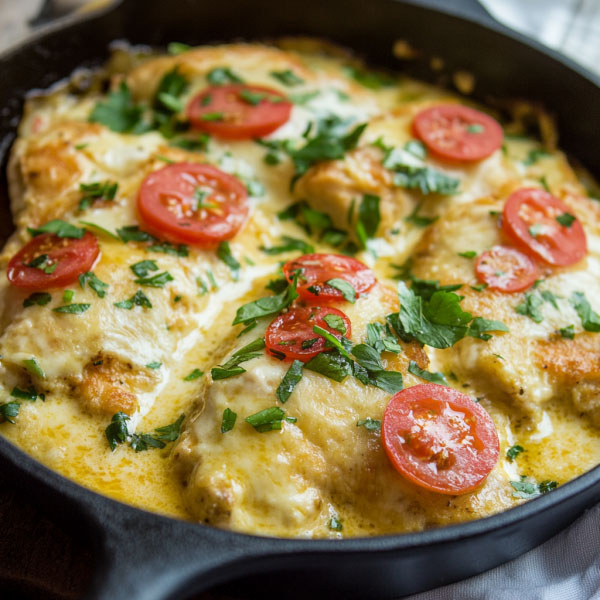
Classic Chicken Francese: Tender Chicken in Lemon-Butter Sauce
There’s something irresistibly comforting about Chicken Francese: tender, golden chicken, lightly coated in flour and egg, then bathed in a silky lemon‑butter sauce that’s bright, tangy, and utterly satisfying. Loved in Italian‑American kitchens from New York to California, this dish is a perfect balance of crispness and citrusy richness that makes it a go‑to for family dinners and special occasions alike.
Though it sounds fancy, Chicken Francese is surprisingly approachable. With a few simple ingredients, some straightforward techniques, and the right timing, anyone can create restaurant-quality results in their own kitchen. In this article, you’ll discover step-by-step instructions for preparing Chicken Francese, from selecting the best cuts of chicken to making the zesty, buttery sauce that defines the dish. We’ll also cover useful tips to avoid common pitfalls, flavor-enhancing tricks, and answers to frequently asked questions. By the end, you’ll be confident in making a dish that’s crispy, flavorful, and tender—the hallmark of classic Chicken Francese.
What Is Chicken Francese?
Chicken Francese (or Française) is an Italian‑American dish that blends simple ingredients into a deceptively elegant meal. Despite its French-inspired name, it is not a traditional French recipe. Instead, it was created by Italian immigrants in the United States, adapting their culinary heritage with local ingredients and tastes. The hallmark of Chicken Francese is a thin chicken cutlet, first dredged in seasoned flour, then dipped in an egg wash, creating a light coating that crisps beautifully when sautéed.
The chicken is cooked quickly in a hot pan, then finished in a buttery, tangy sauce made from lemon juice, white wine, and chicken broth. This combination results in a tender interior, a lightly golden crust, and a vibrant sauce that clings perfectly thanks to the egg coating.
Chicken Francese is often compared to dishes like Chicken Piccata. While both use lemon and butter, Francese relies on an egg-flour coating for texture, whereas Piccata features capers and no egg coating. Its lighter coating distinguishes it from breaded dishes like Chicken Milanese or Chicken Parmigiana, which use breadcrumbs for a thicker crust. Understanding these differences helps cooks decide which lemon-chicken dish suits their menu, occasion, or personal taste.
The Origin & Culinary History
Chicken Francese’s roots lie in the bustling Italian immigrant communities of early 20th-century New York. As Italian cooks adapted their home recipes to American ingredients, they created approachable, flavorful dishes that quickly became restaurant staples. The term “Francese” translates to “in the French style,” reflecting Italian culinary admiration for French techniques, particularly the use of egg coatings and butter-based sauces.
Unlike authentic French recipes, Italian-Americans emphasized simplicity and accessibility, resulting in a dish that is both elegant and practical. Restaurants across New York and beyond popularized Chicken Francese, presenting it as a mainstay for diners seeking light, flavorful chicken paired with pasta or vegetables.
Over time, Chicken Francese evolved into a classic Italian-American comfort food, celebrated for its balance of textures: crispy outside, tender inside, finished with a tangy, buttery sauce. The dish demonstrates the fusion of cultural influences, combining Italian techniques, French inspiration, and American ingredients. Today, it remains a symbol of Italian-American cuisine, appearing on menus from casual trattorias to fine dining establishments, and continues to delight home cooks who want to recreate a taste of culinary history in their own kitchens.
Chicken Francese vs Other Lemon Chicken Dishes
When planning a lemon-chicken meal, it helps to understand how Chicken Francese compares to similar dishes. Chicken Piccata, for example, also features a lemony, buttery sauce but has no egg coating. Instead, it often includes capers and a slightly thinner sauce. Francese provides a tender, lightly crispy texture thanks to its flour-egg coating, while Piccata leans toward a lighter, more acidic flavor profile.
Chicken Milanese and Chicken Parmigiana offer another point of comparison. Milanese uses a breaded cutlet that is pan-fried until crisp, often served without sauce, emphasizing the crunch and the quality of the meat. Parmigiana adds tomato sauce and cheese on top, creating a richer, heavier dish. Chicken Francese strikes a balance: it has a delicate crust that absorbs the lemon-butter sauce without overwhelming the palate.
Understanding these distinctions helps cooks choose the right dish for their menu. If you want a light, elegant option, Francese is ideal. For a tangier, zestier profile, Piccata shines. If crunch or cheesy richness is desired, Milanese or Parmigiana fits the bill. Knowing these differences ensures the right dish for the right occasion, whether a weeknight dinner, a celebratory meal, or a restaurant menu feature.
Ingredients Overview: What You Need
To make classic Chicken Francese, focus on three main components: the chicken, the coating, and the sauce.
Chicken: Use boneless, skinless chicken breasts, pounded thin for even cooking. Proper preparation ensures tender, juicy meat that absorbs the sauce.
Coating: The iconic light coating is made from seasoned flour and eggs. The egg adheres to the chicken, helping the sauce cling while creating a delicate golden crust.
Sauce: A simple lemon-butter sauce is key. Fresh lemon juice, white wine, and chicken broth form the base, finished with butter for richness. Aromatics like garlic or shallots can enhance flavor without overpowering the dish.
Seasonings: Salt, pepper, and a touch of herbs like parsley or thyme add depth.
Optional garnish: Lemon slices, fresh parsley, or even grated parmesan can elevate presentation.
Organizing ingredients into these categories helps with clarity and ensures cooks gather everything before starting. By understanding the roles of each component—chicken, coating, and sauce—you can confidently create a perfectly balanced Chicken Francese that’s tender, flavorful, and visually appealing.
Step‑by‑Step Recipe Instructions
Prep the Chicken:
-
Slice boneless chicken breasts in half horizontally, then pound each piece to about ½ inch thick. This ensures even cooking and tenderness.
-
Season lightly with salt and pepper.
Prepare the Coating:
-
Place flour in a shallow dish. In another bowl, beat eggs with a splash of milk.
-
Dredge chicken in flour, shaking off excess, then dip into the egg mixture. The egg coating helps the sauce cling beautifully.
Sauté the Chicken:
-
Heat 2–3 tbsp of olive oil and 1 tbsp butter in a large skillet over medium-high heat.
-
Add chicken pieces and sauté until golden brown on each side, 2–3 minutes per side. Listen for that sizzle!
-
Remove chicken and keep warm on a plate.
Make the Lemon-Butter Sauce:
-
In the same skillet, add minced garlic or shallots and sauté briefly.
-
Deglaze pan with ½ cup white wine, scraping up browned bits.
-
Stir in ½ cup chicken broth and juice of 1–2 lemons. Let simmer 3–5 minutes.
-
Reduce heat and whisk in 3 tbsp butter until sauce is silky. Taste and adjust seasoning.
Combine and Serve:
-
Return chicken to the pan, spooning sauce over each piece. Simmer 1–2 minutes to coat thoroughly.
-
Plate chicken, pour extra sauce over top, and garnish with parsley and lemon slices.
Pro Tip: Serve immediately for best texture. Overcooked chicken or cooled sauce can diminish the delicate balance of crispiness and tenderness.

Chicken Francese Recipe – Easy Lemon Butter Chicken Dinner
Equipment
- Cutting board & knife
- Meat mallet or rolling pin
- Shallow bowls for dredging
- Large skillet
- Tongs or spatula
- Whisk
- Measuring cups & spoons
- Plate for resting cooked chicken
Ingredients
Chicken & Coating:
- 4 boneless, skinless chicken breasts
- ½ cup all-purpose flour
- 2 large eggs
- 1 tbsp milk
- Salt & pepper, to taste
- 2–3 tbsp olive oil
- 1 tbsp butter
Lemon-Butter Sauce:
- 2 garlic cloves, minced (or shallots)
- ½ cup white wine (or extra chicken broth + splash lemon juice)
- ½ cup chicken broth
- Juice of 1–2 lemons
- 3 tbsp unsalted butter
- Fresh parsley, for garnish
- Lemon slices, for garnish
Instructions
Prep Chicken:
- Slice and pound chicken breasts to ½ inch thickness. Season with salt & pepper.
Coat Chicken:
- Place flour in one shallow bowl, beat eggs + milk in another.Dredge chicken in flour, shake off excess, then dip in egg mixture.
Sauté Chicken:
- Heat olive oil + butter in skillet over medium-high.Cook chicken 2–3 min per side until golden. Remove and keep warm.
Make Sauce:
- Sauté garlic briefly in same pan.Deglaze with wine, scraping browned bits.Add broth + lemon juice, simmer 3–5 minutes.Reduce heat, whisk in butter until silky.
Combine & Serve:
- Return chicken to skillet, coat with sauce, simmer 1–2 min.Garnish with parsley and lemon slices. Serve immediately.
Notes
- Make-ahead: Prepare sauce ahead; cook chicken just before serving.
- Gluten-free: Substitute flour with cornstarch or gluten-free flour.
- Dairy-free: Replace butter with olive oil.
- Variations: Add fresh herbs like thyme or tarragon, or a splash of cream for richer sauce.
- Serving ideas: Pair with linguine, angel hair pasta, steamed vegetables, or a light salad.