

 Laura Mariano
Introduction & Hook
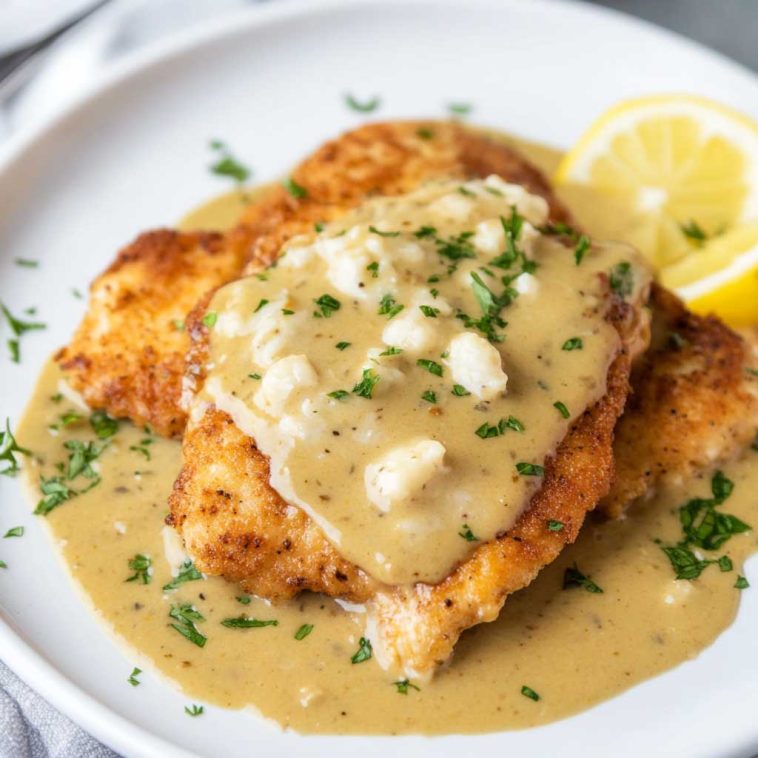
Chicken Francese is one of those dishes that feels like a warm embrace at the dinner table. With its golden, crisp chicken cutlets bathed in a silky lemon-butter sauce, it’s no wonder this Italian-American classic has stood the test of time. The first bite delivers a balance of tangy brightness and rich comfort, making it equally suited for a weeknight dinner or a special occasion.
Part of its charm lies in its simplicity: everyday ingredients transformed into something elegant. The flour-and-egg coating creates a delicate crust that soaks up the sauce without losing its crispness, while the lemon and butter dance together to create a flavor that’s both refreshing and indulgent.
In this guide, we’ll explore the roots of Chicken Francese, break down its essential components, and walk through a step-by-step process that blends tradition with approachable cooking. Whether you’re new to Italian-American cuisine or looking to perfect your technique, you’ll find that this dish is as rewarding to make as it is to eat. By the end, you’ll be ready to serve a plate that looks restaurant-worthy but feels like home.
What Is Chicken Francese?
Chicken Francese is a dish built on simplicity and finesse. At its core, it consists of chicken cutlets dredged first in flour, then dipped in beaten egg, before being pan-fried until golden brown. Once crisp and tender, the chicken is simmered briefly in a lemon-butter wine sauce that infuses it with tangy brightness and luxurious richness.
The dish traces its origins to Italian-American restaurants in New York, where chefs adapted traditional Italian cooking techniques to suit local tastes. Francese quickly became a menu staple, celebrated for its balance of flavors and its ability to feel both comforting and refined.
It’s often compared to Chicken Piccata, another Italian-American favorite. While both feature chicken in a lemony sauce, Piccata relies on capers for briny punch and skips the egg coating. Francese, by contrast, is smoother and more elegant, with its delicate crust and velvety sauce.
The flavor profile is what makes Francese unforgettable: tangy lemon juice cuts through the richness of butter, white wine adds depth, and chicken broth rounds out the savory notes. The result is a dish that feels light yet indulgent, perfect for impressing guests or elevating a simple family dinner.
The Chicken Base
The foundation of Chicken Francese lies in the chicken itself. Most cooks prefer boneless, skinless chicken breasts, sliced into thin cutlets. Alternatively, pre-cut chicken cutlets save time and ensure uniform thickness.
For tenderness, pounding the chicken evenly is essential. A gentle tap with a meat mallet or rolling pin helps break down fibers, ensuring the meat cooks quickly and remains juicy. Even thickness also guarantees that each piece cooks at the same rate, preventing dryness.
Dredging is another crucial step. A light coating of flour followed by a dip in beaten egg creates the signature crust. This delicate layer not only adds texture but also helps the sauce cling to the chicken, making each bite flavorful.
Chicken is the ideal protein for Francese because of its mild flavor and versatility. It absorbs the lemon-butter sauce beautifully, allowing the tangy and savory notes to shine without being overpowering. The result is a dish that feels balanced, approachable, and universally appealing.
The Lemon-Butter Sauce
The sauce is the soul of Chicken Francese. Traditionally, it’s made with fresh lemon juice, butter, white wine, and chicken broth. Each ingredient plays a role: lemon provides brightness, butter adds richness, wine contributes depth, and broth ties everything together with savory warmth.
Balancing acidity with richness is key. Too much lemon can make the sauce sharp, while too much butter can weigh it down. The goal is harmony — a sauce that feels lively yet indulgent.
Texture matters just as much as flavor. A silky sauce elevates the dish, coating the chicken without feeling greasy. To achieve this, whisk constantly as the butter melts into the liquid. This prevents separation and ensures a smooth, glossy finish.
An expert tip: add the butter gradually, whisking after each addition. This technique, known as “mounting,” helps emulsify the sauce and lock in its luxurious texture.
When done right, the sauce transforms the chicken into something extraordinary — tangy, savory, buttery, and elegant all at once.
Step-by-Step Guide to Making Chicken Francese
- Prepare the chicken cutlets. Slice chicken breasts horizontally to create thin cutlets. Pound gently to ensure even thickness.
- Dredge in flour and egg. Lightly coat each cutlet in flour, then dip into beaten eggs. This creates the delicate crust.
- Pan-fry until golden. Heat olive oil in a skillet and fry the cutlets until both sides are golden brown. Remove and set aside.
- Make the lemon-butter wine sauce. In the same pan, add white wine and chicken broth, scraping up browned bits for flavor. Stir in fresh lemon juice. Reduce slightly, then whisk in butter until silky.
- Simmer the chicken in sauce. Return the cutlets to the pan, spooning sauce over them. Let simmer briefly so the flavors meld.
- Serve hot with garnish. Transfer to a platter, pour sauce over the chicken, and garnish with fresh parsley for brightness.
Tip: Adding lemon slices to the pan while simmering enhances aroma and presentation.
This step-by-step process ensures crisp cutlets, a velvety sauce, and a dish that feels both traditional and approachable. Serve with pasta, rice, or crusty bread to soak up every drop of sauce.
Variations & Creative Twists
Chicken Francese is wonderfully versatile, and small tweaks can transform it into something new. For a creamy version, add a splash of heavy cream to the sauce after whisking in the butter. This creates a richer, velvety texture that pairs beautifully with pasta.
If you enjoy heat, try a spicy twist by sprinkling chili flakes into the sauce. The gentle burn balances the lemon’s brightness and adds depth.
Vegetarians can enjoy Francese too. Substitute chicken with cauliflower steaks or zucchini slices. Dredge and fry them the same way, then simmer in the lemon-butter sauce for a lighter but equally satisfying dish.
For those avoiding gluten, a gluten-free adaptation works well with rice flour or cornstarch in place of wheat flour. The coating remains crisp, and the sauce clings just as beautifully.
Finally, consider making mini cutlets for appetizers. Bite-sized pieces served with toothpicks and a drizzle of sauce make elegant party fare.
Serving Suggestions & Pairings
Chicken Francese pairs beautifully with starches that soak up its luscious sauce. Serve it over angel hair pasta, fluffy rice, or creamy mashed potatoes.
For balance, add roasted vegetables like asparagus or carrots, or a crisp green salad with vinaigrette.
Garnishes elevate presentation: lemon slices add brightness, fresh parsley adds color, and a sprinkle of Parmesan lends savory depth.
For social media-worthy plating, arrange cutlets neatly, drizzle sauce generously, and add garnishes artfully. A rustic wooden board or white plate makes the golden chicken pop — perfect for Pinterest inspiration.
Storage & Make-Ahead Tips
Chicken Francese is best enjoyed fresh, but leftovers can be stored. Place cooled cutlets in an airtight container and refrigerate for up to 3 days.
Freezing is not recommended, as the sauce tends to separate and lose its silky texture.
For make-ahead convenience, prepare the sauce separately and refrigerate. Reheat gently and add freshly cooked chicken cutlets just before serving. This ensures crispness and flavor balance.
Common Mistakes & How to Avoid Them
- Overcooking chicken: leads to dryness. Pound evenly and cook just until golden.
- Sauce too thin: simmer long enough to reduce, and whisk butter gradually.
- Soggy coating: dredge properly in flour and egg, and avoid overcrowding the pan.
- Too much lemon: balance acidity with butter and broth to prevent overpowering sharpness.
Attention to these details ensures a flawless dish every time.
Nutritional Snapshot
A serving of Chicken Francese typically ranges from 350–450 calories, depending on portion size and sauce richness. It provides lean protein from chicken and healthy fats from olive oil and butter.
For lighter versions, use thin chicken cutlets, reduce butter, or substitute with olive oil. Portion control is key — one cutlet with vegetables makes a balanced meal.
FAQs
Can I make Chicken Francese ahead of time? Yes, but it’s best to prepare the sauce separately and cook chicken fresh for crispness.
What’s the difference between Chicken Francese and Chicken Piccata? Francese uses an egg coating and smooth sauce, while Piccata skips the egg and adds capers.
Can I freeze Chicken Francese? Not recommended, as the sauce texture suffers.
How do I keep chicken tender? Pound evenly, avoid overcooking, and simmer gently in sauce.
Can I substitute wine in the sauce? Yes, use extra broth or a splash of lemon juice for acidity.
What sides go best with Chicken Francese? Pasta, rice, mashed potatoes, roasted vegetables, or salad.
Conclusion & Final Thoughts
Chicken Francese is a timeless Italian-American favorite, celebrated for its savory, tangy, and versatile nature. From golden cutlets to silky lemon-butter sauce, it’s a dish that feels both comforting and elegant.
With variations ranging from creamy to spicy, vegetarian to gluten-free, it adapts to any table. Whether served at family dinners or festive gatherings, it always impresses.
Experiment, enjoy, and share your creations — this classic is meant to be celebrated.
Chicken Francese Recipe – Classic Italian Dinner
Equipment
- Cutting board
- Sharp knife
- Meat mallet or rolling pin
- Shallow bowls for dredging
- Large skillet
- Whisk
- Tongs
Ingredients
- 4 boneless, skinless chicken breasts (sliced into cutlets)
- ½ cup all-purpose flour (or rice flour for gluten-free)
- 2 large eggs, beaten
- 3 tbsp olive oil
- 3 tbsp unsalted butter
- ½ cup dry white wine (or extra broth if substituting)
- 1 cup chicken broth
- Juice of 1–2 lemons
- Salt and pepper, to taste
- Fresh parsley, chopped (for garnish)
- Lemon slices (optional, for garnish)
Instructions
- Slice chicken breasts into thin cutlets and pound gently for even thickness.
- Dredge each cutlet in flour, then dip into beaten eggs.
- Heat olive oil in a skillet and pan-fry cutlets until golden brown. Remove and set aside.
- In the same skillet, add wine and broth, scraping up browned bits. Stir in lemon juice.
- Reduce slightly, then whisk in butter gradually until sauce is silky.
- Return chicken to the pan, spooning sauce over cutlets. Simmer briefly.
- Serve hot, garnished with parsley and lemon slices.
Notes
- For a creamy variation, add ¼ cup heavy cream to the sauce.
- For spice, sprinkle chili flakes into the sauce.
- Vegetarian option: substitute chicken with cauliflower steaks or zucchini slices.
- Best enjoyed fresh; refrigerate leftovers up to 3 days.
- Avoid freezing, as the sauce may separate.