
 Laura Mariano
Why German Potato Pancakes Are Irresistible
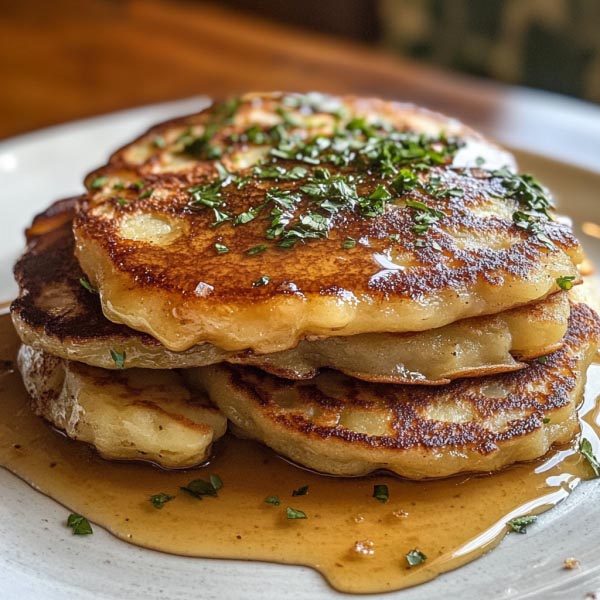
Few dishes capture the essence of German comfort food quite like Kartoffelpuffer, or German potato pancakes. With their crispy edges, buttery centers, and nostalgic flavors, they embody the perfect balance of rustic simplicity and indulgence. Bite into one, and you’ll experience the satisfying crunch followed by a soft, savory interior that feels both hearty and familiar.
These pancakes are versatile enough to serve at breakfast with applesauce, as a snack with sour cream, or as part of a festive dinner alongside roasted meats. Their adaptability makes them beloved across generations, whether enjoyed at bustling Christmas markets or prepared in cozy family kitchens.
In this guide, you’ll learn what German potato pancakes are, their rich history, flavor and texture profile, nutritional benefits, key ingredients and substitutions, and a step-by-step cooking process. By the end, you’ll see why Kartoffelpuffer remain an irresistible staple in German cuisine.
What Are German Potato Pancakes?
German potato pancakes, known as Kartoffelpuffer, are traditional savory pancakes made from grated potatoes, onions, eggs, and flour. The mixture is pan-fried in butter or oil until golden brown, resulting in crispy edges and a tender, buttery center.
Unlike hash browns, which are typically shredded potatoes fried in loose form, or latkes, which often include matzo meal and are associated with Jewish cuisine, Kartoffelpuffer are distinctly German in preparation and flavor. Their use of butter and finely grated potatoes creates a richer, more indulgent bite.
They can be served sweet or savory, making them versatile for any meal.
The History & Popularity of Kartoffelpuffer
Kartoffelpuffer have roots in German cuisine dating back over 400 years. Originally a peasant dish, they were created as a way to transform humble potatoes into something filling and flavorful.
Regional variations abound across Germany. In some areas, they are served with applesauce for sweetness, while in others they accompany meats or are enjoyed with sour cream. At Christmas markets, Kartoffelpuffer are a staple, often cooked on large griddles and served piping hot to crowds seeking comfort food during the festive season.
Their enduring popularity lies in their simplicity, adaptability, and nostalgic appeal. Whether eaten at home or in public celebrations, they remain a cherished part of German culinary tradition.
Flavor & Texture Profile
German potato pancakes deliver a flavor and texture profile that’s both comforting and versatile:
- Crispy Exterior: Golden-brown edges that provide satisfying crunch.
- Soft, Buttery Interior: Tender potato base enriched with butter.
- Savory Onion Notes: Balanced with natural potato sweetness.
- Versatility: Delicious with sweet applesauce or savory sour cream.
Each bite offers contrast—crisp outside, soft inside—making them irresistible.
Nutritional Benefits & Comfort Factor
While indulgent, Kartoffelpuffer offer nutritional value:
- Potatoes: Provide fiber, potassium, and vitamin C.
- Eggs & Flour: Add protein and structure.
- Onions: Contribute antioxidants and flavor.
Their comfort factor lies in the warmth and familiarity of crispy potatoes paired with buttery richness. They’re wholesome yet indulgent, especially when paired with fresh sides.
Tip: Serve with applesauce or sour cream to balance richness.
Key Ingredients & Smart Substitutions
- Potatoes: Yukon Gold for creamy texture, Russet for crispness.
- Onions: Yellow for sharpness, sweet for milder flavor.
- Butter vs. Oil: Butter for richness, oil for lighter frying.
- Substitutions: Gluten-free flour for dietary needs, vegan egg replacers for plant-based diets.
- Flavor Boosters: Garlic, chives, smoked paprika for depth.
Smart substitutions allow customization based on preferences and dietary needs.
Step-by-Step Cooking Process
- Grate Potatoes: Peel and grate potatoes. Place in a towel and squeeze out excess moisture.
- Mix Ingredients: Combine grated potatoes with diced onions, eggs, flour, salt, and pepper. Mix until cohesive.
- Heat Pan: Warm butter or oil in a skillet over medium-high heat.
- Form Pancakes: Scoop mixture into pan, flatten gently with spatula.
- Fry Until Golden: Cook 3–4 minutes per side until crispy and golden brown.
- Drain: Place pancakes on paper towels to absorb excess oil.
- Serve Hot: Pair with applesauce, sour cream, or festive sides.
Expert Tip: Use a cast-iron skillet for maximum crispness and even cooking.
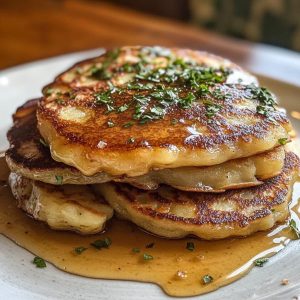
Buttery German Potato Pancakes Recipe – Authentic Comfort Food Side Dish
Equipment
- Box grater (or food processor)
- Mixing bowls
- Cast-iron skillet or frying pan
- Spatula
- Paper towels (for draining)
Ingredients
- 2 lbs potatoes (Yukon Gold or Russet)
- 1 medium onion, finely grated
- 2 large eggs
- ¼ cup all-purpose flour (or gluten-free flour)
- ½ tsp salt
- ¼ tsp black pepper
- 4 tbsp butter (or oil for frying)
- Optional: garlic, chives, smoked paprika for flavor
- Serving options: applesauce, sour cream, or smoked salmon
Instructions
- Grate Potatoes: Peel and grate potatoes. Place in a clean towel and squeeze out excess moisture.
- Mix Batter: In a bowl, combine grated potatoes, onion, eggs, flour, salt, and pepper. Mix until cohesive.
- Heat Pan: Melt butter or heat oil in a skillet over medium-high heat.
- Form Pancakes: Scoop batter into pan, flatten gently with spatula.
- Fry Until Golden: Cook 3–4 minutes per side until crispy and golden brown.
- Drain: Place pancakes on paper towels to absorb excess oil.
- Serve Hot: Pair with applesauce, sour cream, or festive toppings.
- Expert Tip: Use a cast-iron skillet for maximum crispness and even cooking.
Notes
- Variations: Add Gruyère cheese, chili flakes, or rosemary for festive twists.
- Storage: Refrigerate in airtight container for 2–3 days. Freeze for up to 1 month.
- Reheating: Use oven or air fryer to restore crispness. Avoid microwaving.
- Healthier Options: Bake instead of fry, use olive oil, or add spinach/zucchini for fiber.
- Pairings: Best with German beer, cider, or sparkling water.