
 Laura Mariano
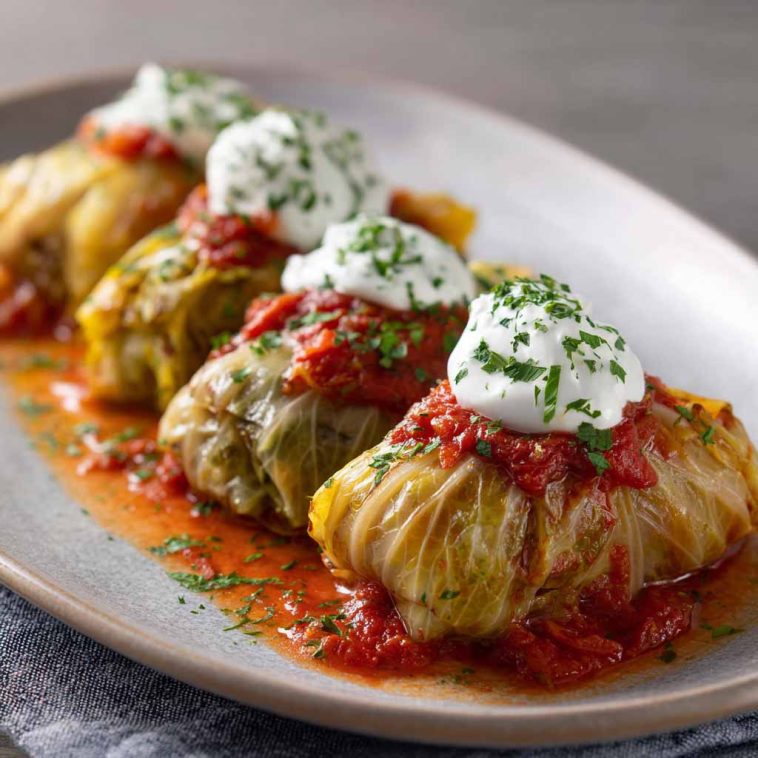
Vegetarian Stuffed Cabbage Rolls: Comfort Food with a Twist
There’s something deeply comforting about family dinners on chilly evenings—steaming dishes brought to the table, laughter filling the room, and the aroma of slow‑cooked meals wafting through the air. Stuffed cabbage rolls have always been a staple of cozy winter meals, but the vegetarian version brings a lighter, fresher twist without losing any of the heartiness. Filled with grains, legumes, and spices, these rolls are nourishing yet satisfying, offering the same warmth and comfort as their meat‑filled counterparts. They’re proof that comfort food doesn’t have to be heavy—it can be wholesome, flavorful, and perfectly suited for modern tastes.
Origins & Cultural Background
Cabbage rolls trace their roots to Eastern Europe, where they’ve been a beloved dish for centuries. In Poland and Ukraine, they’re known as gołąbki or holubtsi, typically filled with rice and meat, then simmered in tomato sauce. Across the Mediterranean, variations include grape leaves stuffed with rice and herbs, showing how versatile the concept is.
Vegetarian versions are gaining popularity worldwide, not only for dietary preferences but also for their ability to highlight the natural flavors of grains, legumes, and vegetables. They honor tradition while embracing modern health‑conscious cooking, making them a dish that bridges cultures and generations.
What Makes Vegetarian Stuffed Cabbage Rolls Special?
Vegetarian stuffed cabbage rolls are more than just a meatless alternative—they’re a celebration of flavor and nutrition. Instead of relying on meat, the filling draws depth from grains like rice or quinoa, legumes such as lentils or chickpeas, and aromatic spices. This combination creates a hearty yet balanced dish that satisfies without being overly heavy.
The rolls are simmered in a tangy tomato sauce, which infuses the cabbage leaves with flavor while keeping them tender. The result is a dish that’s comforting, nourishing, and versatile enough to serve as a main course or side. They’re perfect for family dinners, potlucks, or meal prep, offering both tradition and innovation in every bite.
Choosing the Right Cabbage
The choice of cabbage is crucial. Savoy cabbage, with its tender, crinkled leaves, is ideal for rolling, while green cabbage offers sturdier leaves that hold up well during cooking. Flexibility matters—leaves should be pliable enough to wrap around the filling without tearing.
Blanching the cabbage head in boiling water softens the leaves, making them easier to peel and roll. Alternatively, freezing the cabbage overnight and thawing it the next day achieves the same effect, saving time and effort. Fresh, firm cabbage ensures rolls that are both flavorful and structurally sound.
Essential Tools & Preparation Tips
To prepare vegetarian stuffed cabbage rolls, you’ll need a large pot for blanching the cabbage, a sharp knife for coring, and a baking dish or Dutch oven for cooking. Cooling racks and airtight containers are helpful for storage.
Tip: Freeze the cabbage head overnight before peeling—the thawed leaves will be soft and flexible, making rolling much easier.
Best Vegetarian Stuffed Cabbage Rolls Recipe | Easy Meatless Dinner
Equipment
- Large pot for blanching cabbage
- Sharp knife for coring and trimming leaves
- Mixing bowls
- Baking dish or Dutch oven
- Airtight containers (for storage)
Ingredients
- 1 large head of savoy or green cabbage
- 1 cup cooked rice or quinoa
- 1 cup cooked lentils or chickpeas
- 1 small onion, finely chopped
- 2 garlic cloves, minced
- 1 tsp paprika
- 1 tsp cumin
- 2 cups tomato sauce
- 2 tbsp olive oil
- Salt and pepper to taste
- Fresh parsley or dill for garnish
Instructions
- Prep Cabbage: Core cabbage and blanch leaves in boiling water for 2–3 minutes until pliable. Drain and cool.
- Make Filling: In a bowl, combine rice/quinoa, lentils/chickpeas, onion, garlic, spices, olive oil, salt, and pepper. Mix well.
- Stuff Rolls: Place 2–3 tbsp filling in each leaf. Fold sides inward and roll tightly.
- Arrange & Sauce: Place rolls seam‑side down in baking dish. Pour tomato sauce over rolls.
- Cook: Cover and bake at 350°F (175°C) for 40–45 minutes until tender.
- Serve: Garnish with fresh herbs and serve hot.
- Tip: Freeze cabbage head overnight and thaw for easier peeling.
Notes
- Savoy cabbage is best for flexibility; green cabbage works well too.
- Filling can be customized with grains like farro or barley.
- Add chili flakes or harissa for spice.
- Rolls can be assembled ahead and refrigerated up to 24 hours before baking.
- Store leftovers in fridge up to 4 days; reheat gently with extra sauce.
- Freeze uncooked rolls in sauce for up to 2 months.