

 Laura Mariano
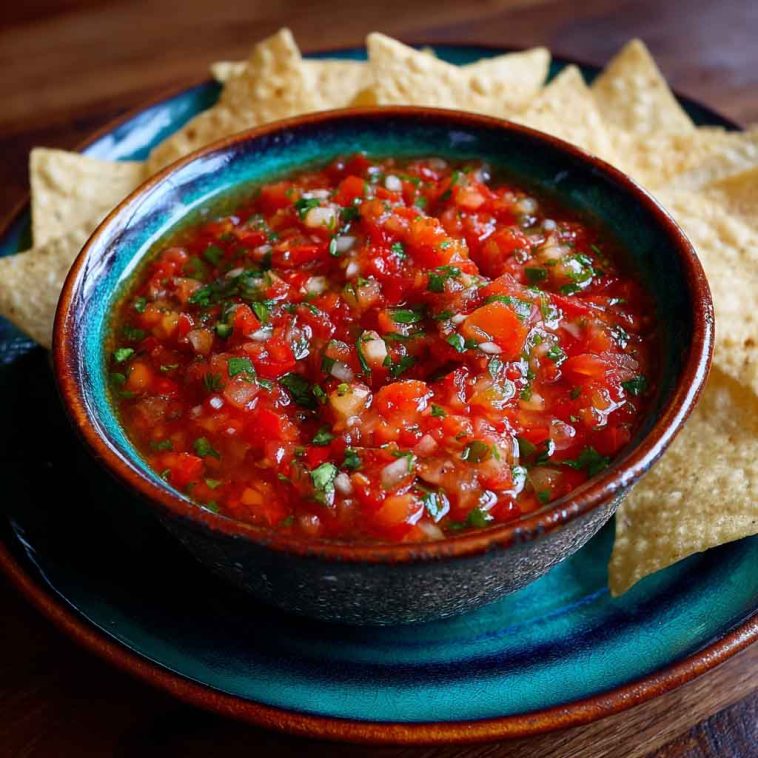
Homemade Salsa Is a Game-Changer
Few things capture freshness like a bowl of homemade salsa. Imagine ripe tomatoes bursting with flavor, zesty lime juice adding brightness, and vibrant cilantro bringing a refreshing herbal note. Add in the subtle heat of peppers and the crunch of onions, and you have a dip that’s more than just a condiment—it’s a kitchen essential.
Salsa isn’t limited to tortilla chips. It elevates tacos, burritos, grilled meats, seafood, eggs, and even salads. Its versatility makes it one of the most indispensable recipes in any cook’s repertoire. Unlike store-bought versions, homemade salsa allows you to control the spice level, texture, and freshness, ensuring every bite is tailored to your taste.
In this guide, you’ll learn what salsa is, why it’s beloved worldwide, its flavor and nutritional benefits, the key ingredients and smart substitutions, and a step-by-step process to make it perfectly at home.
What Is Salsa?
Salsa is a traditional Mexican-style sauce made with tomatoes, onions, peppers, garlic, lime, and herbs. It can be served fresh or cooked, depending on the desired flavor and texture.
Fresh salsa, often called pico de gallo, is chunky and uncooked, highlighting the crispness of raw vegetables and herbs. Cooked salsa, on the other hand, involves simmering or roasting ingredients, resulting in a smoother, deeper flavor.
Homemade salsa beats store-bought every time because it’s fresher, customizable, and free from preservatives. You can adjust the spice level, experiment with different peppers, or add fruits like mango for sweetness. It’s a simple recipe that delivers bold flavor and endless versatility.
The Popularity of Salsa Worldwide
Salsa is a cornerstone of Mexican cuisine, traditionally served alongside tacos, grilled meats, and street food. Its balance of acidity, spice, and freshness makes it indispensable.
In the United States, salsa rose to prominence through Tex-Mex cuisine, becoming a staple in restaurants and households. Today, it rivals ketchup as one of the most popular condiments.
Globally, salsa has been embraced in kitchens from Europe to Asia, often adapted with local ingredients. Mango salsa in tropical regions, roasted pepper salsa in Mediterranean cooking, and fusion versions in modern restaurants showcase its versatility.
Social media has amplified salsa’s popularity. Food bloggers and influencers share colorful bowls of salsa garnished with herbs, inspiring home cooks to experiment. Its vibrant colors and rustic appeal make it highly photogenic, fueling its rise as a shareable recipe online.
Flavor & Texture Profile
Homemade salsa is bright, tangy, and slightly spicy, with layers of flavor that unfold in each bite.
- Tomatoes provide sweetness and acidity.
- Lime juice adds zesty freshness.
- Cilantro contributes herbal brightness.
- Peppers bring heat, ranging from mild jalapeños to fiery habaneros.
- Onions and garlic add savory depth.
Texture varies depending on preparation. Chunky salsa (like pico de gallo) highlights crisp vegetables, offering a rustic feel. Smooth salsa, achieved by blending or cooking, delivers a velvety consistency perfect for drizzling over dishes.
This balance of flavors and textures makes salsa both comforting and refreshing. It can be bold and spicy or mild and cooling, depending on your preferences.
Nutritional Benefits & Comfort Factor
Salsa is as nutritious as it is delicious.
- Tomatoes are rich in vitamin C and lycopene, supporting immune health and antioxidants.
- Peppers provide capsaicin, known for metabolism-boosting properties.
- Garlic offers antibacterial and heart-healthy benefits.
- Cilantro and lime add vitamins and minerals with minimal calories.
Salsa’s comfort factor lies in its versatility. It’s naturally low-calorie, making it a guilt-free addition to meals. Its freshness and tang evoke feelings of warmth and satisfaction, whether paired with chips at a party or spooned over grilled chicken at dinner.
Tip: Pair salsa with whole-grain bread or brown rice for added fiber and balance.
Key Ingredients & Smart Substitutions
- Tomatoes: Fresh for brightness; canned for convenience.
- Peppers: Jalapeños for mild heat, serranos for medium, habaneros for fiery spice.
- Flavor Boosters: Lime juice, cilantro, garlic, and onions.
- Substitutions: Roasted peppers for smokiness, tomatillos for tang, or mango for sweetness.
- Optional Add-ins: Corn, beans, or avocado for heartiness.
Smart substitutions allow you to adapt salsa to your pantry and preferences.
Step-by-Step Preparation Process
- Prep Vegetables: Wash and chop tomatoes, onions, peppers, garlic, and cilantro.
- Choose Texture: For chunky salsa, dice ingredients finely. For smooth salsa, blend until desired consistency.
- Adjust Spice: Add peppers gradually, tasting as you go. Remove seeds for less heat.
- Season: Add lime juice, salt, and pepper. Mix thoroughly.
- Optional Roast: Roast tomatoes and peppers before blending for smoky depth.
- Chill & Serve: Refrigerate for 30 minutes to let flavors meld. Serve with chips, tacos, or grilled meats.
Expert Tip: Roasting enhances flavor complexity, making salsa taste richer and more robust.
Best Homemade Salsa Ever Recipe – Authentic Mexican Dip
Equipment
- Cutting board & sharp knife
- Blender or food processor (for smooth salsa)
- Mixing bowl
- Skillet or baking sheet (optional for roasting)
Ingredients
- 4 ripe Roma or plum tomatoes (fresh or roasted)
- 1 medium onion, finely chopped
- 2–3 peppers (jalapeño, serrano, or habanero, depending on spice preference)
- 2 garlic cloves, minced
- Juice of 1 lime
- ½ cup fresh cilantro, chopped
- Salt & black pepper to taste
Optional Add-ins
- ½ cup corn kernels
- ½ cup black beans
- 1 diced avocado
- 1 cup diced mango or pineapple (for fruit salsa variation)
Instructions
- Prep Vegetables: Wash and chop tomatoes, onions, peppers, garlic, and cilantro.
- Choose Texture: For chunky salsa, dice ingredients finely. For smooth salsa, blend until desired consistency.
- Adjust Spice: Add peppers gradually, tasting as you go. Remove seeds for less heat.
- Season: Stir in lime juice, salt, and pepper. Mix thoroughly.
- Optional Roast: Roast tomatoes and peppers before blending for smoky depth.
- Chill & Serve: Refrigerate for 30 minutes to let flavors meld. Serve with chips, tacos, or grilled meats.
Notes
- Variations: Try salsa verde with tomatillos, fruit salsa with mango or pineapple, or fiery habanero salsa.
- Storage: Refrigerate in airtight container for 3–4 days; freeze for up to 2 months.
- Pairings: Serve with tortilla chips, tacos, burritos, grilled meats, or eggs.
- Healthier Options: Reduce salt, add extra vegetables for fiber, and pair with baked chips.
- Common Mistakes: Avoid watery tomatoes, don’t overseason with salt, and always add lime juice for brightness.