
 Laura Mariano
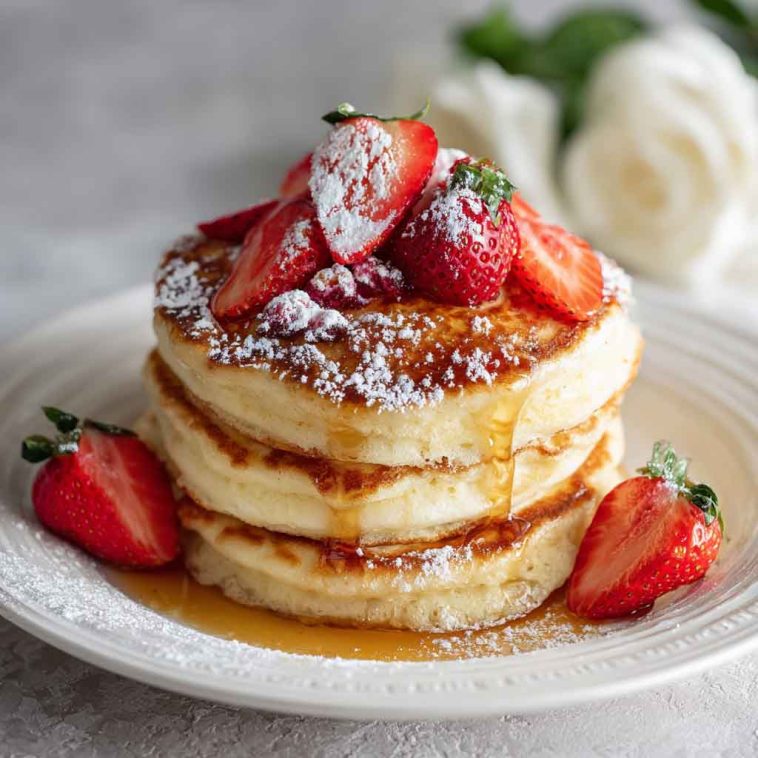
Introduction to the Best Fluffy Pancake
There’s something magical about waking up to the scent of pancakes sizzling on the griddle. Fluffy pancakes—golden, tender, and stacked high—are the gold standard of breakfast comfort. They evoke memories of lazy weekend mornings, cozy family brunches, and syrup-drenched smiles.
What sets a truly fluffy pancake apart is its texture: a soft, airy interior with just the right amount of rise, and crisp, golden edges that add contrast. It’s not just about taste—it’s about the feel of each bite.
These pancakes are more than a meal; they’re a ritual. Whether served with butter and maple syrup or topped with fruit and whipped cream, they bring warmth and joy to the table. And the best part? They’re surprisingly easy to master with the right ingredients and technique.
What Defines a Fluffy Pancake?
A fluffy pancake is defined by its light, airy texture, golden exterior, and soft, tender crumb. Unlike dense or chewy pancakes, fluffy ones rise beautifully and feel almost cake-like inside.
They differ from buttermilk pancakes, which are tangier and slightly denser due to the acidity of the buttermilk, and from crepe-style pancakes, which are thin, delicate, and often rolled or folded.
Fluffiness depends on batter chemistry—specifically the interaction between leavening agents (like baking powder and baking soda) and liquids. It also hinges on technique: gentle mixing, proper resting, and controlled heat.
When done right, fluffy pancakes puff up on the griddle, develop crisp edges, and stay moist inside. They’re versatile, forgiving, and endlessly customizable—perfect for breakfast purists and creative cooks alike.
Origins & Evolution of Pancakes
Pancakes have ancient roots, dating back to griddle cakes made by early civilizations using flour, eggs, and milk. They’ve appeared in cultures worldwide—from French crêpes to Ethiopian injera and Russian blini.
In the U.S., diner-style pancakes became iconic in the 20th century, known for their fluffy texture and generous stacks. Meanwhile, Japanese soufflé pancakes—tall, jiggly, and cloud-like—have taken social media by storm, showcasing a new level of fluffiness.
The rise of food blogs and viral videos has elevated pancakes from humble breakfast fare to brunch showpieces. Home cooks now experiment with ingredients, toppings, and techniques to achieve the perfect stack.
Despite their evolution, pancakes remain a symbol of comfort and creativity—whether served with syrup, fruit, or a dusting of powdered sugar.
Choosing the Right Ingredients
Flour: Use all-purpose flour for a balanced texture. For extra tenderness, try cake flour, which has lower protein and yields a softer crumb.
Leavening Agents:
- Baking powder provides lift and fluffiness.
- Baking soda reacts with acidic ingredients like buttermilk or yogurt to enhance rise. Use both for optimal puff and golden color.
Liquids:
- Milk creates a neutral base.
- Buttermilk adds tang and reacts with baking soda.
- Yogurt offers richness and acidity. Choose based on flavor preference and desired texture.
Fats:
- Melted butter adds flavor and richness.
- Oil makes pancakes moist and tender. Butter is preferred for taste, but oil works well for lighter results.
Sweeteners & Flavorings:
- Sugar adds sweetness and helps browning.
- Vanilla extract enhances aroma.
- Salt balances flavors and strengthens structure.
The right combination of ingredients ensures pancakes that are flavorful, fluffy, and golden every time.
Step-by-Step Technique for Maximum Fluff
1. Mix Dry Ingredients In a bowl, whisk together flour, baking powder, baking soda, sugar, and salt. This ensures even distribution of leavening agents.
2. Mix Wet Ingredients In a separate bowl, combine milk (or buttermilk), eggs, melted butter, and vanilla. Make sure all ingredients are room temperature for better mixing and rise.
3. Combine Gently Pour wet ingredients into dry. Stir until just combined—lumps are okay. Overmixing develops gluten, leading to dense pancakes.
4. Rest the Batter Let the batter sit for 10–15 minutes. This allows the flour to hydrate and the leavening agents to activate, resulting in a fluffier texture.
5. Preheat and Grease the Pan Heat a nonstick skillet or griddle over medium heat. Lightly grease with butter or oil. The pan should be hot but not smoking.
6. Pour and Cook Use a ¼ cup measuring cup to pour batter for consistent size. Cook until bubbles form on the surface and edges look set (2–3 minutes). Flip and cook another 1–2 minutes until golden.
Pro Tip: Avoid pressing down after flipping—this deflates the pancake. Keep the heat steady and don’t overcrowd the pan.
Serve warm with your favorite toppings and enjoy the fluffiest pancakes ever.
Common Mistakes to Avoid
Overmixing the batter develops gluten, making pancakes tough and dense. Stir gently and stop when just combined.
Using cold ingredients can prevent proper rise and lead to uneven texture. Always bring eggs and milk to room temperature.
Cooking on high heat burns the outside while leaving the inside raw. Stick to medium heat for even browning.
Skipping the rest time means the batter won’t fully activate or hydrate, resulting in flatter pancakes.
Avoid these pitfalls and you’ll be rewarded with golden, fluffy perfection every time.
Best Fluffy Pancake Recipe – Light & Airy Homemade Pancakes for Breakfast Bliss
Equipment
- Mixing bowls
- Whisk
- Measuring Cups and Spoons
- Nonstick skillet or griddle
- Spatula
Ingredients
- 1½ cups all-purpose flour
- 2 tbsp sugar
- 1 tbsp baking powder
- ½ tsp baking soda
- ½ tsp salt
- 1¼ cups milk (or buttermilk)
- 1 egg
- 2 tbsp melted butter (or oil)
- 1 tsp vanilla extract
- Optional add-ins: blueberries, chocolate chips, banana slices
Instructions
- Mix Dry Ingredients In a bowl, whisk together flour, sugar, baking powder, baking soda, and salt.
- Mix Wet Ingredients In another bowl, combine milk, egg, melted butter, and vanilla. Ensure all ingredients are room temperature.
- Combine Gently Pour wet into dry and stir until just combined. Lumps are okay—do not overmix.
- Rest the Batter Let the batter sit for 10–15 minutes to hydrate and activate leavening.
- Preheat and Grease Pan Heat a nonstick skillet over medium heat. Lightly grease with butter or oil.
- Cook Pancakes Pour ¼ cup batter per pancake. Cook until bubbles form and edges set (2–3 minutes), then flip and cook another 1–2 minutes.
- Serve Warm Stack and top with syrup, fruit, or whipped cream.
Notes
- For extra fluff, use buttermilk and add ¼ tsp baking soda
- Don’t overmix—lumps = fluff
- Resting batter improves texture and rise
- Add-ins like fruit or chocolate chips should be folded in gently
- Reheat leftovers in toaster or oven for best texture
- Freeze between parchment layers for up to 2 months