
 Laura Mariano
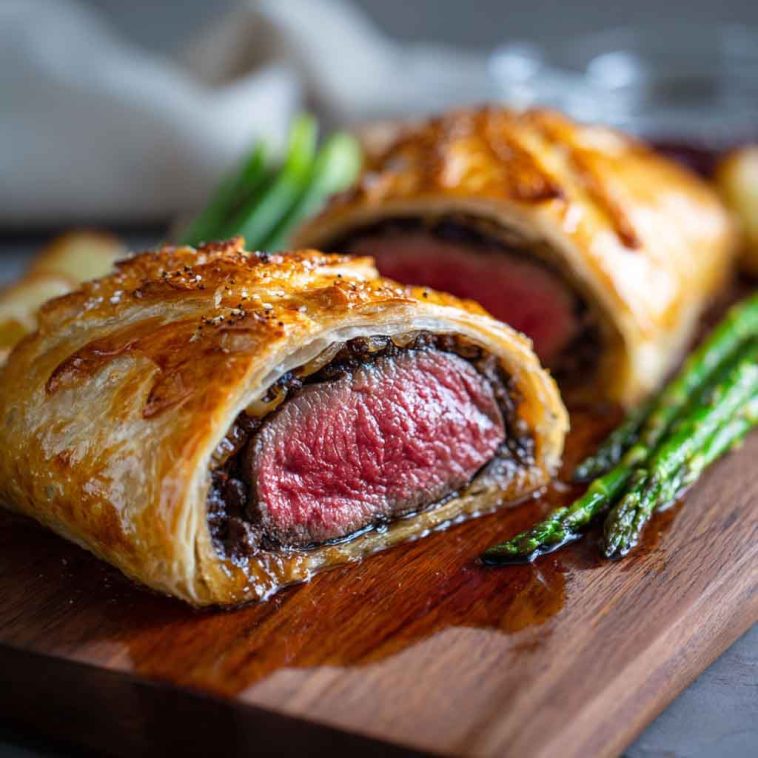
Beef Wellington Recipe – Classic, Elegant, and Surprisingly Easy
Few dishes capture the elegance of fine dining quite like Beef Wellington. Known for its dramatic presentation and rich layers of flavor, this iconic dish combines tender beef tenderloin, savory mushroom duxelles, delicate prosciutto, and flaky golden puff pastry into one unforgettable centerpiece. When sliced, the beautiful layers reveal juicy pink beef surrounded by aromatic mushrooms and crisp, buttery pastry.
Because of its luxurious ingredients and refined appearance, Beef Wellington is often associated with high-end restaurants and special occasions. Many home cooks assume it’s complicated or difficult to prepare. However, with the right guidance and a few helpful techniques, it’s surprisingly achievable to make at home.
Beef Wellington is the kind of dish that instantly elevates a meal. It’s perfect for holiday dinners, Christmas celebrations, romantic date nights, and elegant dinner parties. Serving it to guests always feels impressive, yet the preparation is far more approachable than it seems.
In this guide, you’ll learn everything you need to make a perfect Beef Wellington. We’ll cover the essential ingredients, walk through the step-by-step cooking process, share expert tips for success, and highlight common mistakes to avoid. With a little preparation and attention to detail, you can confidently create a restaurant-quality Beef Wellington in your own kitchen.
What Is Beef Wellington?
Beef Wellington is a classic dish made by wrapping a beef tenderloin in layers of savory ingredients and baking it inside a sheet of puff pastry. The result is a stunning combination of textures and flavors that makes it one of the most celebrated dishes in traditional European-inspired cuisine.
The core of the dish is a high-quality beef tenderloin, known for its exceptional tenderness and mild flavor. The beef is first seared to develop a rich crust, then coated with Dijon mustard and wrapped in a layer of mushroom duxelles—a finely chopped mixture of mushrooms cooked with herbs and aromatics.
Often, thin slices of prosciutto or pâté are added as another layer between the beef and the pastry. These ingredients enhance the flavor while also helping protect the pastry from excess moisture.
Finally, the entire assembly is wrapped in buttery puff pastry and baked until golden brown.
The magic of Beef Wellington lies in its balance of textures. The center remains juicy and tender, the mushroom layer provides deep savory flavor, and the pastry exterior becomes crisp and flaky.
This luxurious combination is why Beef Wellington has become a signature dish in fine dining restaurants and cooking competitions around the world.
The History of Beef Wellington
The exact origin of Beef Wellington is debated, but many culinary historians believe it was named after Arthur Wellesley, the first Duke of Wellington and a famous British military leader. According to popular theory, the dish was created in celebration of his victory at the Battle of Waterloo in 1815.
Another theory suggests the dish was inspired by a classic French preparation called filet de bœuf en croûte, which involves wrapping beef in pastry before baking. British chefs may have adapted this technique and eventually gave it the name “Wellington.”
Regardless of its precise origin, the dish became popular in British cuisine during the 19th and early 20th centuries. Over time, it evolved into a refined centerpiece meal often served at formal dinners and celebrations.
Today, Beef Wellington is widely recognized as a luxurious holiday dish and a symbol of classic European-style cooking.
Why This Beef Wellington Recipe Works
Beef Wellington can seem intimidating, but the right technique makes all the difference. This recipe focuses on reliable steps that help ensure excellent results every time.
One key factor is proper seasoning and searing of the beef. Searing the tenderloin first develops a flavorful crust and locks in the meat’s natural juices.
Another important step is moisture control. The mushroom duxelles must be cooked thoroughly until nearly dry. This prevents excess moisture from soaking into the puff pastry during baking.
The recipe also uses prosciutto as a protective layer, which helps keep the pastry crisp while adding additional savory flavor.
Finally, chilling the wrapped Wellington before baking helps the pastry hold its shape and bake evenly.
By following a clear, step-by-step process, even beginner cooks can successfully prepare this elegant dish.
Ingredients You’ll Need
Beef Wellington relies on a small group of high-quality ingredients that work together to create its signature flavor.
The most important ingredient is beef tenderloin, preferably a center-cut piece for even cooking and presentation. Tenderloin is naturally tender and cooks beautifully inside the pastry.
Mushrooms are used to make the classic duxelles filling. When finely chopped and cooked with aromatics, they provide deep umami flavor that complements the beef.
Prosciutto adds a salty, savory element and forms a protective layer around the beef. This helps prevent the pastry from becoming soggy.
Puff pastry creates the golden, flaky outer shell that makes the dish so visually impressive.
Dijon mustard is brushed over the seared beef. It adds a subtle tangy flavor while helping the mushroom mixture adhere to the meat.
Other key ingredients include olive oil, salt, and black pepper for seasoning, and egg wash to give the pastry its beautiful golden finish.
Optional additions like thyme, garlic, shallots, or pâté can enhance the depth of flavor even further.
Kitchen Equipment Needed
Preparing Beef Wellington doesn’t require complicated tools, but a few kitchen essentials will make the process much easier.
A large skillet or cast-iron pan is used to sear the beef and develop a rich crust before wrapping it.
A food processor is helpful for finely chopping the mushrooms when making duxelles, although a sharp knife works as well.
You’ll also need a baking sheet lined with parchment paper to bake the Wellington evenly.
Plastic wrap helps roll and shape the beef with the prosciutto and mushroom mixture.
A pastry brush is useful for applying egg wash to the puff pastry before baking.
Finally, a meat thermometer is highly recommended to ensure the beef reaches the perfect internal temperature without overcooking.
Optional tools like kitchen twine or a cooling rack can also be helpful during preparation.
Step-by-Step: How to Make Beef Wellington
Making Beef Wellington involves several stages, but each step contributes to the final texture and flavor of the dish.
Step 1: Prepare the Beef
Start by seasoning the beef tenderloin generously with salt and black pepper.
Heat a skillet over high heat and add a small amount of olive oil. Sear the beef on all sides until a deep golden-brown crust forms. This step enhances flavor and helps seal in juices.
Once seared, remove the beef from the pan and allow it to cool slightly. Brush the surface lightly with Dijon mustard to add flavor and help the next layers stick.
Step 2: Make the Mushroom Duxelles
Finely chop the mushrooms using a food processor or knife.
In the same skillet, cook the mushrooms with finely chopped shallots, garlic, and fresh thyme. Stir frequently while the mixture cooks down.
Continue cooking until nearly all the moisture has evaporated and the mushrooms form a thick, paste-like mixture. This step is essential for preventing soggy pastry later.
Allow the duxelles to cool completely before assembling the Wellington.
Step 3: Wrap the Beef
Lay several slices of prosciutto on a sheet of plastic wrap, slightly overlapping to form a rectangle.
Spread the cooled mushroom duxelles evenly over the prosciutto.
Place the seared beef tenderloin in the center and carefully roll everything together using the plastic wrap. This creates a tight, even layer around the beef.
Twist the ends of the plastic wrap to secure the roll and refrigerate for about 15–20 minutes. Chilling helps the Wellington hold its shape during the next step.
Step 4: Wrap in Puff Pastry
Roll out the puff pastry on a lightly floured surface until large enough to fully wrap the beef.
Remove the plastic wrap from the chilled beef and place it in the center of the pastry.
Fold the pastry around the beef, sealing the edges carefully. Trim any excess pastry if necessary.
Brush the entire surface with egg wash to help create a glossy golden finish.
Step 5: Chill Before Baking
Place the wrapped Wellington on a parchment-lined baking sheet and refrigerate it for 20–30 minutes.
This chilling step helps the pastry stay firm and ensures it bakes evenly without losing its shape.
Step 6: Bake
Preheat the oven to 400°F (200°C).
Bake the Wellington until the pastry becomes deep golden brown and crisp.
Use a meat thermometer to check the internal temperature:
-
Rare: 120–125°F
-
Medium-rare: 130–135°F
-
Medium: 140–145°F
For most people, medium-rare is the ideal doneness for Beef Wellington.
Step 7: Rest and Slice
Remove the Wellington from the oven and allow it to rest for about 10 minutes before slicing.
Resting allows the juices to redistribute throughout the meat, keeping the slices tender and flavorful.
Use a sharp knife to cut thick slices and reveal the beautiful layers inside.
Pro Tips for Perfect Beef Wellington
Creating a flawless Beef Wellington requires attention to detail and a few professional tips. First, use a center-cut beef tenderloin, which ensures even cooking and a uniform appearance when sliced. Second, dry the mushrooms thoroughly after cooking the duxelles; excess moisture is the main cause of soggy pastry. Chilling the beef between steps, especially after rolling it in prosciutto and before wrapping in puff pastry, helps the Wellington maintain its shape during baking. Using a meat thermometer is essential to achieve your desired doneness and avoid overcooked beef. Finally, don’t skip the resting time after baking. Allowing the Wellington to rest for 10 minutes ensures that juices redistribute evenly, keeping the meat tender and juicy while preserving the crispness of the pastry.
Common Mistakes to Avoid
Even experienced cooks can make mistakes when preparing Beef Wellington. One frequent error is undercooked pastry, usually caused by an oven that isn’t hot enough. Overcooked beef happens when no thermometer is used to monitor internal temperature. Another common problem is watery mushroom filling, often from not cooking the duxelles long enough to evaporate moisture. Pastry splitting can occur if the Wellington is overfilled or not sealed properly, and skipping chilling steps can cause the pastry to lose structure during baking. Avoiding these mistakes ensures a golden, crisp pastry and perfectly cooked, juicy beef in the center.
Variations of Beef Wellington
Beef Wellington can be adapted to suit different tastes and dietary preferences. Mini Beef Wellingtons make individual servings perfect for appetizers or dinner parties. Salmon Wellington swaps beef for fish and uses a similar mushroom and pastry wrap for a lighter version. Vegetarian Wellington replaces the beef with hearty mushrooms, roasted vegetables, or lentil-based fillings, offering a plant-based alternative without losing richness. The Gordon Ramsay-style Wellington includes prosciutto and a thin crepe layer around the beef, providing extra protection for the pastry and enhanced flavor. Experimenting with these variations lets you customize textures, flavors, and presentation while still achieving an impressive dish.
Best Side Dishes for Beef Wellington
Beef Wellington pairs beautifully with classic sides that complement its rich flavors. Roasted garlic mashed potatoes or a creamy potato gratin provide a comforting starch. Buttered green beans, honey-glazed carrots, or roasted asparagus add color and fresh flavor to balance the richness of the beef. For added indulgence, serve with a red wine sauce or mushroom sauce to enhance the savory layers of the dish. When planning your menu, focus on sides that provide contrast in texture and flavor while keeping the overall meal elegant and cohesive. Simple, well-prepared vegetables and sauces highlight the Wellington without overpowering it.
How to Store and Reheat Beef Wellington
Leftover Beef Wellington can be stored carefully to preserve flavor and texture. Refrigerate any uneaten portions for up to 3 days, wrapped tightly in foil or plastic wrap. For long-term storage, freeze individual slices, ensuring they are well-sealed to prevent freezer burn. To reheat, place slices in a low-temperature oven (around 300°F / 150°C) until warmed through. Avoid microwaving, as it softens the pastry and compromises its crisp texture. Proper storage and gentle reheating help maintain both the juicy beef interior and the flaky golden pastry.
Frequently Asked Questions (FAQs)
1. What cut of beef is best for Beef Wellington?
The best choice is center-cut beef tenderloin, which is tender, evenly shaped, and cooks consistently inside the puff pastry.
2. Why is my Beef Wellington soggy?
Sogginess usually results from mushroom duxelles with too much moisture. Cooking the mushrooms thoroughly until dry and using prosciutto as a protective layer helps prevent this problem.
3. Can Beef Wellington be made ahead of time?
Yes. You can assemble the Wellington several hours in advance and refrigerate until ready to bake. This allows for stress-free preparation on the day of serving.
4. What temperature should Beef Wellington be cooked to?
For medium-rare, aim for an internal temperature of 130–135°F (54–57°C). A meat thermometer ensures precise cooking and prevents overdone beef.
5. Can I freeze Beef Wellington?
Yes. Beef Wellington can be frozen either before or after baking. Wrap it tightly and thaw in the refrigerator before reheating gently in the oven.
Final Thoughts
Beef Wellington is the ultimate show-stopping dish, perfect for impressing guests at holiday dinners, romantic occasions, or special celebrations. With proper technique, attention to moisture control, and careful temperature monitoring, this elegant recipe is entirely achievable at home. The combination of tender beef, savory mushroom duxelles, and crisp, golden puff pastry creates a luxurious flavor experience that feels restaurant-quality. With patience and practice, homemade Beef Wellington can become the centerpiece of your next unforgettable dinner.
Beef Wellington Recipe – Classic Gourmet Dinner
Equipment
- Skillet or cast iron pan
- Baking sheet
- Parchment paper
- Food processor (for mushrooms)
- Plastic wrap
- Pastry brush
- Meat thermometer
Ingredients
For the Beef Wellington:
- 2 lb (900 g) center-cut beef tenderloin
- Salt and black pepper, to taste
- 2 tbsp olive oil
- 2–3 tbsp Dijon mustard
- 1 lb (450 g) mushrooms, finely chopped
- 2–3 shallots, minced
- 2 cloves garlic, minced
- 1 tsp fresh thyme leaves
- 6–8 slices prosciutto
- 1 sheet puff pastry, thawed
- 1 egg, beaten (for egg wash)
Optional additions:
- 2 tbsp pâté (chicken liver or mushroom)
- Fresh herbs for garnish
Instructions
- Prepare the Beef:Season tenderloin generously with salt and pepper. Sear in hot olive oil until browned on all sides. Remove from pan and brush with Dijon mustard.
- Make Mushroom Duxelles:Finely chop mushrooms in a food processor. Cook with shallots, garlic, and thyme until all moisture evaporates. Allow to cool.
- Wrap the Beef:Lay prosciutto slices on plastic wrap, slightly overlapping. Spread mushroom duxelles evenly over prosciutto. Place beef in center and roll tightly. Chill for 20 minutes.
- Wrap in Puff Pastry:Roll out puff pastry. Place beef roll in center, fold and seal edges. Brush with egg wash.
- Chill Before Baking:Refrigerate wrapped Wellington for 20–30 minutes to firm up pastry.
- Bake:Preheat oven to 400°F (200°C). Bake until pastry is golden brown and internal temperature reaches 130–135°F for medium-rare beef (adjust for desired doneness).
- Rest and Slice:Let Wellington rest for 10 minutes before slicing to retain juices. Slice and serve with your favorite sides.
Notes
- Moisture control: Ensure mushrooms are dry to prevent soggy pastry.
- Chill steps: Refrigerate between assembly stages for easier handling and better pastry structure.
- Meat thermometer: Essential for accurate doneness—overcooked beef loses tenderness.
- Variations: Try mini Wellingtons for individual servings, salmon Wellington, or vegetarian Wellington with roasted vegetables and mushrooms.
- Make ahead: Assemble Wellington several hours in advance, then refrigerate until ready to bake.
- Serving: Best paired with roasted vegetables, mashed potatoes, and a rich red wine sauce.