

 Laura Mariano
Why BBQ Chicken on the Grill Is a Timeless Summer Favorite
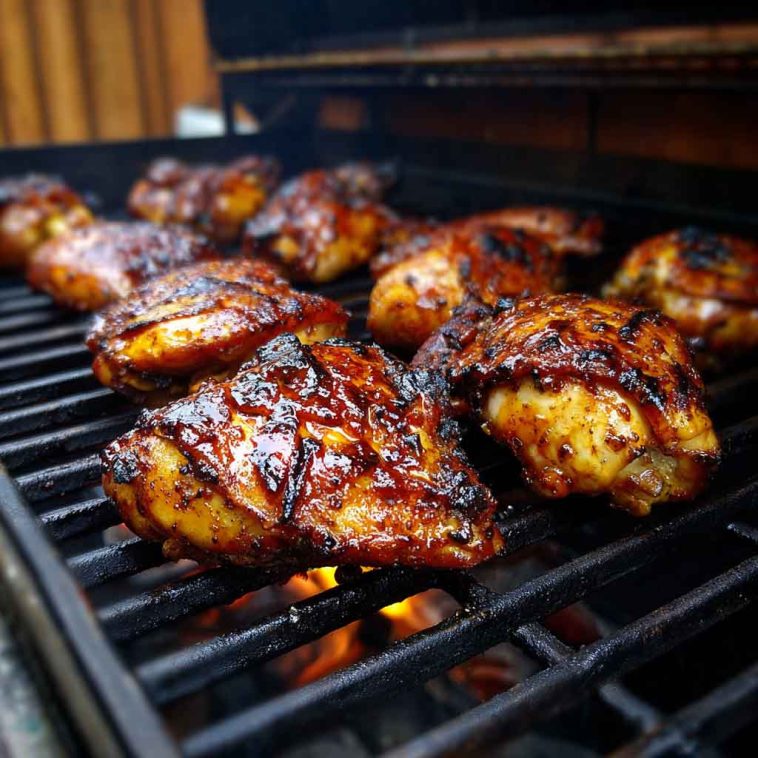
There’s nothing quite like BBQ chicken fresh off the grill—smoky char marks, juicy, tender meat, and bold, mouthwatering barbecue flavors that bring people together. Whether it’s a casual family dinner, a backyard cookout, or a festive party, grilled BBQ chicken is a perennial summer favorite that satisfies every craving. Its versatility means you can prepare it in countless ways, from spicy dry rubs to sweet and tangy sauces, making it a crowd-pleaser for all occasions.
Mastering the art of BBQ chicken on the grill is about more than just cooking; it’s about building layers of flavor and knowing the right techniques to keep the chicken moist and perfectly charred. This guide will walk you through everything—from choosing the best cuts and preparing sauces to grilling tips that ensure your chicken is juicy, flavorful, and cooked to perfection every time.
Understanding Different Cuts of Chicken for Grilling
Choosing the right cut of chicken affects not only cooking time but also how well it absorbs marinades and BBQ sauces. Whole chickens provide a show-stopping centerpiece but require more grilling skill to cook evenly. Chicken breasts are lean and cook quickly, but can dry out if overcooked. Thighs and drumsticks, with their higher fat content, stay juicy and flavorful, making them favorites for grilling. Wings are perfect for bite-sized snacking and develop a great crispy exterior.
Each cut has its pros and cons: breasts suit quick meals and mild flavors, thighs offer rich taste and forgiving cooking times, while drumsticks and wings bring finger-food fun. Understanding these differences helps you plan your grill session and marinade or sauce choices to match, ensuring every bite is delicious and well-cooked.
Choosing and Preparing Your BBQ Sauce
BBQ sauce is the heart of many grilled chicken recipes, and choosing the right one—or making your own—can elevate your dish to legendary status. There are several regional and stylistic types of BBQ sauce: tomato-based sauces are classic and sweet, vinegar-based sauces bring tangy sharpness popular in the Carolinas, mustard-based sauces offer a tangy-sweet balance seen in South Carolina, and others incorporate unique blends of spices and heat.
Deciding between homemade and store-bought sauces depends on time and taste preferences. Homemade sauces allow for custom sweetness, spice levels, and freshness, while store-bought options offer convenience and consistent flavor.
When applying sauce, timing matters: brush on the chicken during the last 10–15 minutes of grilling to build sticky, caramelized layers without burning the sugars. Applying too early or too thickly can cause flare-ups and bitter char. A thin initial coat followed by layers towards the end ensures the best flavor and texture.
Try this easy homemade BBQ sauce: combine ketchup, apple cider vinegar, brown sugar, smoked paprika, garlic powder, and a dash of hot sauce—simmer for 10 minutes, then cool before using.
Essential Marinades and Dry Rubs for BBQ Chicken
Marinades and dry rubs are crucial for tenderizing chicken and infusing it with complex flavors before grilling. Marinades typically combine acidic ingredients like citrus juice or vinegar with herbs, spices, and oil to break down proteins gently and enhance juiciness. Dry rubs use a mix of spices and sugar applied directly to the chicken’s surface for a flavorful crust.
Popular marinade ingredients include garlic, paprika, brown sugar, cayenne, thyme, and rosemary. A dry rub often features similar spices but without liquid, creating a concentrated flavor layer.
Choosing between a wet marinade or dry rub depends on your desired flavor profile and cooking style. Marinades penetrate deeper and add moisture, while dry rubs create bold, textured surfaces that crisp up nicely on the grill.
Marinate chicken for at least 30 minutes and up to 8 hours. Avoid over-marinating acidic mixes to prevent mushy texture. Dry rubs can be applied just before grilling or several hours ahead for more intensity.
Preparing the Grill – Gas vs. Charcoal
Your grill choice influences flavor and cooking approach. Gas grills offer convenience with quick startup and precise temperature control, making them ideal for beginners and busy cooks. Charcoal grills impart smoky, intense flavors prized by BBQ enthusiasts but require more skill to manage heat zones and airflow.
Setting up your grill correctly is essential. Create indirect heat zones by piling coals on one side or turning off some gas burners. Indirect heat allows slower cooking for larger or bone-in cuts, while direct heat sears and chars smaller pieces.
Always clean your grill grates thoroughly before cooking to prevent sticking and unwanted flavors. Oil the grates lightly using a paper towel dipped in oil held with tongs.
Pro Tip: Use a reliable grill thermometer to monitor and maintain consistent heat, ensuring chicken cooks evenly without drying out or burning.
Safety and Handling Tips Before Grilling
Handling raw chicken with care is critical to avoid contamination. Always thaw chicken safely in the refrigerator or cold water, never at room temperature. Use separate utensils and cutting boards for raw and cooked chicken to prevent cross-contamination.
Cook chicken to a safe internal temperature of 165°F (74°C), checked with a meat thermometer inserted into the thickest part. This ensures it’s juicy and safe to eat.
Keep raw chicken refrigerated until it’s time to grill, and never leave it out in warm weather for extended periods.
Tools and Equipment You’ll Need
To grill perfect BBQ chicken, gather the following essentials:
-
Long-handled tongs for easy flipping without piercing the meat
-
A sturdy grill brush to clean grates before and after cooking
-
A meat thermometer (digital instant-read preferred) to check doneness accurately
-
Basting brushes to apply sauce in layers without overpowering
-
Aluminum foil and drip pans for indirect cooking and easy cleanup
-
Grill gloves to protect your hands from heat
-
A timer to track cooking and resting times
Having these tools ready ensures smooth grilling and delicious results.
Step-by-Step Guide to Grilling Perfect BBQ Chicken
Grilling BBQ chicken to juicy, smoky perfection starts with mastering heat management. First, preheat your grill to medium-high and set up two zones: direct heat for searing and indirect heat for gentle cooking. Begin by placing the chicken pieces directly over the hottest part of the grill. This sears the skin, locking in juices and creating those sought-after grill marks.
After about 3-4 minutes per side, move the chicken to the cooler indirect heat zone. This slower cooking method ensures the inside cooks through without burning the outside. Close the lid to maintain consistent temperature, checking occasionally.
Once the chicken is nearly cooked, start basting with your favorite BBQ sauce. Apply several thin coats rather than a thick slather to prevent burning. Baste during the last 5-10 minutes of cooking, flipping the pieces to caramelize the sauce evenly.
Use visual cues like the juices running clear and firm but springy flesh to gauge doneness. For precision, an instant-read thermometer inserted into the thickest part of the chicken should register 165°F (74°C).
Finally, remove the chicken and let it rest for 5-10 minutes under loose foil. Resting allows the juices to redistribute, resulting in moist, tender meat that melts in your mouth.
Flavor Variations and Recipe Twists
Elevate your BBQ chicken by exploring exciting flavor twists. For a spicy kick, add cayenne pepper, hot sauce, or smoky chipotle to your BBQ sauce. Sweeten things up by mixing honey or molasses into your glaze, creating a luscious sweet-and-smoky balance.
Herb-infused marinades offer fresh, aromatic complexity—try rosemary, thyme, or oregano steeped in olive oil and lemon juice before grilling. For global flair, experiment with Korean BBQ glaze, rich in soy and sesame, or a bold Jamaican jerk marinade packed with allspice, scotch bonnet peppers, and thyme.
These variations keep your BBQ chicken interesting and let you tailor the flavor profile to your guests’ preferences or your mood.
What to Serve with BBQ Chicken on the Grill
The perfect BBQ chicken deserves delicious sides that complement its smoky richness. Classic pairings like creamy coleslaw, buttery corn on the cob, tangy baked beans, and savory potato salad add balance and texture to your meal.
For lighter options, fresh garden salads or grilled vegetables such as zucchini, bell peppers, and asparagus bring brightness and crunch. Don’t forget the bread—a crusty baguette or soft dinner rolls work well.
When it comes to drinks, refreshing iced tea, cold lemonade, or a crisp beer are timeless choices. For a more sophisticated pairing, a fruity red wine like Zinfandel or a chilled rosé enhances the smoky flavors beautifully.
Tips for Grilling Chicken for a Crowd
Grilling chicken for a large group requires strategic planning. Avoid overcrowding the grill to ensure even heat circulation and prevent steaming instead of searing. Cook in batches if necessary, keeping finished pieces warm by tenting with foil on a cooler part of the grill or in a low oven.
Efficient basting is key—use a brush to coat multiple pieces quickly, rotating them regularly for even cooking. For easy serving, consider using skewers or a grill basket to cook bite-sized pieces or boneless chicken, which also speeds up grilling time.
Prepping chicken in uniform sizes helps everything cook evenly, and having a digital thermometer on hand ensures safety and perfect doneness.
Storage, Leftovers & Reheating
Store leftover grilled chicken in airtight containers in the refrigerator within two hours of cooking. Properly stored, it will keep well for 3-4 days. When reheating, avoid drying out the meat by warming it gently in the oven covered with foil or in a microwave with a damp paper towel to retain moisture.
Leftover BBQ chicken makes a versatile ingredient—shred it for salads, fold into sandwiches or wraps, or mix into casseroles for a quick meal. Repurposing leftovers not only reduces waste but extends the deliciousness of your grilled feast.
FAQs – Common Questions About BBQ Chicken on the Grill
Can I grill frozen chicken?
It’s best to thaw chicken completely before grilling to ensure even cooking and food safety.
How do I prevent chicken from sticking to the grill?
Clean and oil your grill grates thoroughly before cooking, and avoid moving the chicken too soon.
What if my chicken is burning on the outside but raw inside?
Lower the heat and move the chicken to indirect heat to cook through without burning.
How long does it take to grill chicken pieces?
Typically, 25-30 minutes total—sear 3-4 minutes per side, then cook indirectly until 165°F internal temperature.
Can I use a slow cooker instead of a grill for BBQ chicken?
Yes, but grilling imparts smoky flavor and texture that slow cooking can’t replicate.
What’s the difference between grilling and smoking chicken?
Grilling uses high, direct heat for faster cooking, while smoking cooks low and slow with indirect heat and smoke flavor.
Final Thoughts – Mastering BBQ Chicken for Every Season
Grilling BBQ chicken is an art that combines technique, timing, and creativity. With the right heat management and flavor-building tips, you can serve juicy, flavorful chicken all year round. Don’t be afraid to experiment with different sauces, marinades, and sides to keep your grilling adventures fresh and exciting. Whether you’re cooking for a family dinner or a lively cookout, mastering these basics will make your BBQ chicken the star of the show. Share your favorite recipes and tips with friends, and keep the flame of great grilling alive!
BBQ Chicken on the Grill
Equipment
- Grill (charcoal or gas)
- Instant-read meat thermometer
- Grill brush (for cleaning grates)
- Basting brush
- Tongs
- Aluminum foil (for resting)
- Grill basket or skewers (optional)
Ingredients
- 4 bone-in, skin-on chicken thighs (or breasts, drumsticks, wings)
- 2 tbsp olive oil
- Salt and freshly ground black pepper, to taste
- 1 cup BBQ sauce (store-bought or homemade)
Optional marinade:
- 1/4 cup olive oil
- 2 tbsp apple cider vinegar or lemon juice
- 2 cloves garlic, minced
- 1 tsp smoked paprika
- 1 tsp chili powder or cayenne (for spice)
- Salt and pepper
Instructions
- Prepare the chicken: Pat chicken dry with paper towels. If marinating, combine marinade ingredients in a bowl, add chicken, and refrigerate 1–4 hours.
- Preheat grill: Set up grill for two-zone cooking — direct high heat and indirect medium heat. Clean and oil grill grates.
- Sear chicken: Place chicken skin-side down on direct heat. Sear 3–4 minutes until grill marks form, then flip and sear other side 3–4 minutes.
- Move to indirect heat: Transfer chicken to indirect heat zone. Close lid and cook 15–20 minutes, flipping occasionally.
- Baste with BBQ sauce: In the last 5–10 minutes, brush chicken with BBQ sauce, turning and basting every few minutes to caramelize the glaze.
- Check doneness: Use instant-read thermometer — chicken is done at 165°F (74°C).
- Rest: Remove chicken and tent with foil. Rest 5–10 minutes before serving.
Notes
- For boneless chicken breasts, reduce grilling time and watch closely to prevent drying out.
- Use thick BBQ sauce or reduce it slightly to avoid flare-ups during basting.
- Try experimenting with different wood chips on a charcoal grill for added smoky flavor.
- Leftover chicken is great for sandwiches, salads, or quesadillas.
- Always use a meat thermometer to ensure safe cooking and best texture.