
 Laura Mariano
A Hawaiian BBQ Icon
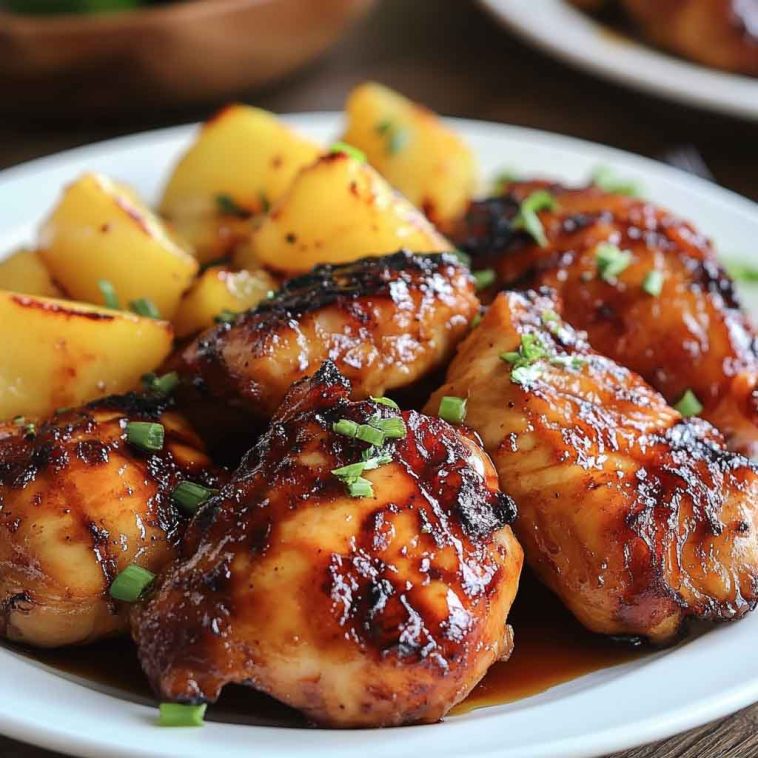
If there’s one dish that captures the spirit of Hawaiian backyard gatherings, it’s Huli Huli Chicken. The name “Huli Huli” comes from the Hawaiian word for “turn-turn,” referencing the traditional method of rotating the chicken over open flames on a spit. With its irresistible glaze—sweet from pineapple and brown sugar, savory with soy sauce, and bright with fresh ginger and garlic—this chicken is a staple at luaus, community fundraisers, and summer BBQs.
What makes it special isn’t just the taste, but the cooking tradition and aloha spirit it represents. The smoky char from the grill, sticky caramelized glaze, and juicy, tender chicken make this dish unforgettable.
Reader Promise: In this guide, you’ll learn the authentic backstory, how to build a flavor-packed marinade, expert grilling tips, and the best ways to serve Huli Huli Chicken for family, friends, and festive occasions.
What Is Hawaiian Huli Huli Chicken?
Huli Huli Chicken is a beloved Hawaiian grilled chicken dish that features a signature marinade of pineapple juice, soy sauce, brown sugar, garlic, and ginger. It’s grilled to smoky perfection, often basted repeatedly with the marinade as it cooks, creating a sweet-savory glaze with delicious caramelized edges.
The dish originated in the 1950s, when Hawaiian businessman and politician Ernest Morgado first made it for a community fundraiser. Its popularity quickly spread across the islands, and it became a local treasure served at roadside stands, school events, and beach gatherings.
Huli Huli isn’t just about taste—it’s about tradition, community, and tropical flavor. Whether cooked on a rotisserie, grill grates, or even baked in the oven, the results are always juicy, flavorful, and deeply satisfying.
Huli Huli Chicken vs. Other Grilled Chicken Styles
At first glance, Huli Huli Chicken might resemble teriyaki or American BBQ chicken—but the flavor is distinctively different.
-
Not as thick or sticky as teriyaki, Huli Huli has a lighter, fruitier profile thanks to the pineapple juice and ginger, with added depth from ketchup and garlic.
-
Compared to traditional BBQ chicken, it’s tangier and less smoky, focusing more on tropical brightness than heavy smoke or spice.
-
Unlike dry rubs or sugar-heavy sauces, the Huli Huli method involves repeated basting and turning while grilling, allowing layers of flavor to build and caramelize naturally.
It’s a unique fusion of sweet, salty, tangy, and umami flavors—one that’s unmistakably Hawaiian and perfect for summer cookouts.
Key Ingredients Breakdown: Flavor Builders
The magic of Huli Huli Chicken lies in its marinade, which transforms humble chicken into something truly memorable. Here’s how each core ingredient contributes:
-
Pineapple Juice: The star of the show. Its natural acidity tenderizes the chicken while adding bright, tropical sweetness.
-
Soy Sauce: Provides saltiness and deep umami, balancing the sugar and fruit.
-
Brown Sugar or Honey: Adds rich sweetness and helps the glaze caramelize beautifully over the grill.
-
Ketchup: Often overlooked, it adds body, acidity, and a touch of tang to round out the flavor.
-
Fresh Garlic & Ginger: Essential for bold, aromatic depth—these warm spices give the marinade a punch that cuts through the sweetness.
-
Optional Add-Ins:
-
Chili flakes or Sriracha for heat
-
Sesame oil for nuttiness
-
Worcestershire sauce for a bit of umami complexity
-
Expert Tip: Always reserve some marinade before adding the raw chicken—you’ll want to use it as a basting sauce while grilling, or drizzle it over the finished dish for extra flavor.
Best Chicken Cuts for Huli Huli
While you can use any part of the chicken, some cuts shine better for the classic Huli Huli experience:
-
Bone-in, skin-on chicken thighs are the most traditional and flavorful. They stay juicy over high heat and absorb the marinade well.
-
Drumsticks are a crowd-pleaser, especially for kids or casual BBQ platters.
-
Chicken breasts are a leaner option but can dry out if not marinated long enough or cooked carefully.
-
Whole chickens or spatchcocked (butterflied) chickens are fantastic if you’re using a rotisserie setup—perfect for entertaining.
Grill Tip: Dark meat like thighs and drumsticks stand up better to the high-heat, direct grilling and long basting process that makes Huli Huli Chicken so distinctive.
The Science of Marinating
Huli Huli Chicken’s depth of flavor comes from a well-balanced marinade and proper marination time. Here’s what happens on a scientific level:
-
Pineapple juice contains enzymes (like bromelain) that break down proteins in meat, tenderizing the chicken naturally.
-
Soy sauce and sugar penetrate the surface layers, seasoning and slightly curing the meat.
-
Ginger and garlic add aromatic oils that infuse deeply into the muscle tissue over time.
Marination Time:
-
Ideal: 8–12 hours in the refrigerator
-
Minimum: 4 hours if you’re short on time
-
Maximum: 24 hours — going beyond that can make the texture mushy due to the pineapple enzymes.
Pro Tip: Always marinate in a glass, ceramic, or food-safe plastic container. Avoid aluminum or reactive metals, as acidic marinades can cause off flavors and discoloration.
How to Cook Huli Huli Chicken – Step-by-Step
Grilling Huli Huli Chicken is all about patience, basting, and mastering the heat.
-
Marinate the Chicken:
Place chicken in a large bowl or zip-top bag and pour in the marinade. Refrigerate for 4–12 hours. For best flavor, go overnight. -
Preheat the Grill:
Set your grill to medium-high heat. Oil the grates to prevent sticking. -
Grill & Turn:
Remove chicken from marinade and pat it dry (discard used marinade). Place chicken skin-side down. Grill uncovered, turning every 3–4 minutes, to prevent burning and to develop a charred crust. -
Baste Often:
Use the reserved (clean) marinade to baste the chicken generously each time you flip. -
Cook to Temp:
Cook until internal temp reaches 165°F for breasts or 175°F for thighs. Use a meat thermometer for accuracy. -
Rest:
Let the chicken rest for 5–10 minutes before slicing. This locks in the juices.
Pro Tip: If your marinade contains a lot of sugar, grill over indirect heat to prevent burning. Charcoal grills or wood chips add authentic smoky depth.
Oven, Air Fryer & Indoor Alternatives
No grill? No problem. You can still enjoy Huli Huli Chicken with these methods:
-
Oven-Baked: Preheat oven to 400°F. Place marinated chicken on a lined baking tray. Bake 35–40 minutes, basting once halfway. Broil for 2–3 minutes at the end for caramelization.
-
Air Fryer: Cook at 375°F for 20–25 minutes, flipping and basting halfway. Works best for boneless pieces.
-
Grill Pan (Stovetop): Sear marinated boneless chicken on a stovetop grill pan over medium-high heat, flipping and basting until fully cooked.
-
Slow Cooker: Marinate chicken first. Cook on low for 6 hours, then finish under the broiler to caramelize.
Choose your method based on convenience and the cut of chicken you’re using.
What to Serve with Huli Huli Chicken
Pair your Huli Huli Chicken with sides that reflect its tropical, BBQ-style roots:
Classic Hawaiian Sides:
-
Steamed white rice
-
Macaroni salad
-
Hawaiian sweet rolls
Fresh & Crisp:
-
Grilled pineapple rings
-
Cabbage slaw or tropical coleslaw
-
Pickled cucumbers or veggies
With Island Flair:
-
Coconut rice with lime zest
-
Mango or pineapple salsa
-
Simple cucumber tomato salad
Pro Tip: Add a few lime wedges and fresh cilantro for bright contrast that cuts through the sweetness of the glaze.
Delicious Variations You Can Try
Huli Huli Chicken is easily adaptable to suit your taste or occasion:
-
Spicy Huli Huli: Stir in chili flakes or a squeeze of Sriracha into the marinade for a fiery kick.
-
Grilled Skewers: Thread boneless chicken chunks with bell peppers and onions onto skewers—perfect for parties.
-
Huli Huli Wings: Use chicken wings and reduce the cooking time. Great for game day or snacks.
-
Vegetarian/Vegan: Marinate tofu slices or cauliflower steaks and grill or roast.
-
Gluten-Free: Swap regular soy sauce with tamari or coconut aminos.
These variations ensure everyone at your table can enjoy the Hawaiian-inspired flavor.
Expert Tips for Authentic Flavor
-
Marinate overnight whenever possible for deeper flavor penetration.
-
Pat the chicken dry before grilling to promote browning instead of steaming.
-
Baste frequently to build up the shiny, sticky glaze characteristic of Huli Huli.
-
Use charcoal or hardwood chips like mesquite or kiawe for that real Hawaiian BBQ aroma.
-
Add pineapple slices directly to the grill—caramelized fruit is a perfect pairing.
Pro Tip: Want that signature rotisserie-style finish? Use a rotating grill basket or turn the chicken frequently over indirect heat for even charring and juicy results.
Make-Ahead & Storage Tips
-
Make-Ahead: Marinate chicken up to 2 days in advance in the refrigerator.
-
Leftovers: Store cooked chicken in an airtight container for up to 4 days in the fridge.
-
Reheating: Warm gently in a 300°F oven or covered skillet to avoid drying out.
-
Freezing: Freeze raw, marinated chicken for up to 2 months. Thaw overnight before cooking.
This makes Huli Huli Chicken perfect for meal prep, BBQs, or easy weeknight dinners.
FAQs – People Also Ask
Q1: Can I use canned pineapple juice?
Yes, just make sure it’s 100% juice with no added sugar or syrup.
Q2: Can I reuse marinade for basting?
Only if it hasn’t touched raw chicken. Always reserve clean marinade separately for food safety.
Q3: Can I bake Huli Huli Chicken instead of grilling?
Absolutely! Bake at 400°F for 35–40 minutes, basting halfway, then broil for a caramelized finish.
Q4: Why is my chicken burning on the grill?
Sugar in the marinade can burn quickly. Use indirect heat and baste near the end to avoid scorching.
Hawaiian Huli Huli Chicken
Equipment
- Grill (charcoal or gas) or oven/air fryer
- Large mixing bowl or zip-top bag
- Tongs and basting brush
- Meat thermometer
- Knife and cutting board
- Baking tray (if oven-roasting)
Ingredients
For the Chicken:
- 2.5–3 lbs chicken thighs (bone-in, skin-on preferred)
- Salt and pepper, to taste
For the Marinade:
- 1 cup pineapple juice (100% juice)
- ½ cup soy sauce
- ⅓ cup brown sugar (or honey)
- ⅓ cup ketchup
- 2 tablespoons fresh grated ginger
- 2 tablespoons minced garlic
- Optional: 1 tsp sesame oil, chili flakes, or Worcestershire sauce
For Serving (Optional):
- Grilled pineapple slices
- Fresh cilantro or green onions
- Lime wedges
Instructions
Prepare the Marinade:
- In a bowl, whisk together pineapple juice, soy sauce, brown sugar, ketchup, ginger, and garlic. Set aside ½ cup of marinade for basting later.
Marinate the Chicken:
- Place chicken in a bowl or zip-top bag. Pour in remaining marinade, coat well, and refrigerate for 4–12 hours (overnight is best).
Preheat Grill or Oven:
- Set grill to medium-high. For oven, preheat to 400°F. Oil grates or line a baking tray.
Grill the Chicken:
- Remove chicken from marinade and pat dry. Grill over indirect heat, turning every 3–4 minutes, basting often with reserved marinade. Cook until internal temp reaches 165°F (or 175°F for thighs).
Oven Method (Alternative):
- Bake for 35–40 minutes, basting once halfway. Broil 2–3 minutes at end for charred edges.
Rest & Serve:
- Let chicken rest 5–10 minutes. Garnish with grilled pineapple, lime, or herbs if desired.
Notes
- Don’t skip marinating — it makes or breaks the flavor.
- For food safety, never reuse marinade that touched raw meat unless boiled.
- Charcoal grills give the most authentic smoky Hawaiian flavor.
- You can freeze uncooked marinated chicken for up to 2 months.