
 Laura Mariano
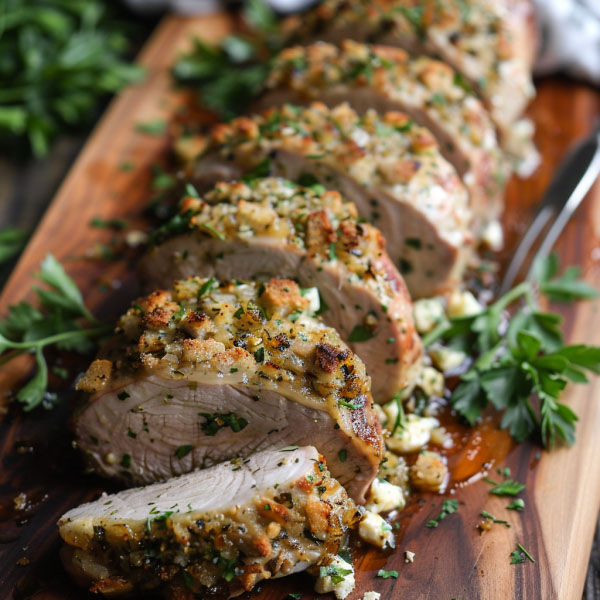
Stuffed Pork Tenderloin
Few dishes make a table feel festive quite like Stuffed Pork Tenderloin. This lean, tender cut of pork is transformed into a centerpiece by butterflying, filling, and roasting it to perfection. The stuffing—whether made with spinach and cheese, mushrooms, or apples—adds flavor, moisture, and elegance. It’s a recipe that looks impressive but is surprisingly approachable, making it ideal for holidays, dinner parties, or even a special weeknight meal. In this article, we’ll explore why pork tenderloin is such a versatile cut, the traditions behind stuffed meats, nutritional benefits, and a step-by-step guide to preparing this showstopper at home.
The Appeal of Pork Tenderloin
Pork tenderloin is prized for its tenderness and mild flavor. Unlike fattier cuts, it cooks quickly and pairs beautifully with bold seasonings or fillings. Stuffing the tenderloin elevates it from simple to spectacular, turning a lean cut into a dish bursting with flavor and texture.
It’s also versatile: you can stuff it with savory vegetables, creamy cheeses, or even fruit for a sweet-savory balance. The presentation—sliced into medallions revealing colorful layers—makes it a natural choice for entertaining.
Tip: Because pork tenderloin is lean, stuffing helps keep it moist during cooking, ensuring every bite is juicy and flavorful.
The History & Popularity of Stuffed Meats
Stuffed meats have a long culinary tradition. In European cuisines, roasts were often filled with herbs, bread, and vegetables to stretch ingredients and add flavor. Italian porchetta, French roulades, and Spanish stuffed roasts all highlight this technique.
Stuffed pork tenderloin is a modern adaptation, offering the elegance of a roulade with the convenience of a smaller cut. Its popularity has grown in American kitchens, especially for festive occasions, because it combines tradition with creativity.
Nutritional Notes
Pork tenderloin is one of the leanest cuts of pork, making it a healthy source of protein. A 3-ounce serving contains about 22 grams of protein and fewer calories than fattier cuts like pork shoulder.
The stuffing can add nutritional value depending on the ingredients. Spinach brings iron and vitamins, mushrooms add antioxidants, and apples provide fiber. Cheese contributes calcium and richness, though it increases fat content.
Tip: For a lighter version, use whole grains like quinoa or brown rice in the stuffing, and opt for reduced-fat cheese.
Why This Recipe Works
The beauty of stuffed pork tenderloin lies in its balance. The lean meat provides a tender base, while the stuffing adds moisture, flavor, and visual appeal. Rolling and roasting the tenderloin ensures even cooking and a dramatic presentation.
Tip: Secure the rolled tenderloin with kitchen twine to maintain shape and ensure even cooking.
Step-by-Step Preparation Guide
Step 1: Butterfly the Tenderloin Place the pork tenderloin on a cutting board. Using a sharp knife, slice lengthwise down the center, stopping just short of cutting through. Open it like a book.
Step 2: Prepare the Stuffing Choose your filling—spinach and feta, mushrooms and garlic, or apples and cranberries. Cook vegetables lightly to release moisture, then mix with cheese, herbs, or breadcrumbs.
Step 3: Fill and Roll Spread the stuffing evenly over the butterflied tenderloin. Roll tightly from one side, keeping the filling inside.
Step 4: Secure Tie with kitchen twine at 1-inch intervals or use toothpicks to hold the roll together.
Step 5: Sear for Color Heat oil in a skillet and sear the tenderloin on all sides until golden brown.
Step 6: Roast Transfer to a baking dish and roast at 375°F (190°C) until the internal temperature reaches 145°F (63°C).
Step 7: Rest and Slice Let rest for 10 minutes before slicing into medallions.
Expert Tip: Always use a meat thermometer—overcooking dries out tenderloin, while 145°F ensures juicy, safe pork.
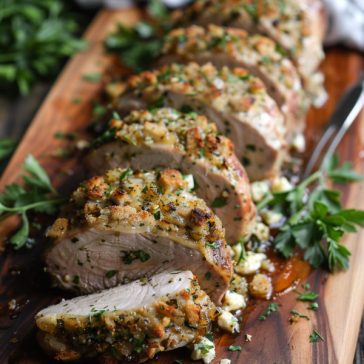
Stuffed Pork Tenderloin Recipe (Juicy & Flavorful Dinner)
Equipment
- Sharp chef’s knife
- Cutting board
- Mixing bowls
- Skillet (for searing)
- Kitchen twine or toothpicks
- Meat thermometer
- Oven-safe baking dish
Ingredients
- Pork tenderloin (whole, ~1–1.5 lbs)
- Butter or olive oil
- Garlic, onion, or shallots
- Fresh vegetables (spinach, mushrooms, or apples depending on filling)
- Cheese (feta, mozzarella, or cream cheese)
- Fresh herbs (parsley, thyme, rosemary)
- Breadcrumbs or grains (optional for texture)
- Salt and pepper
Instructions
- Butterfly Pork Tenderloin: Slice lengthwise down the center, stopping short of cutting through. Open like a book.
- Prepare Stuffing: Cook vegetables lightly to release moisture, then mix with cheese, herbs, and seasonings.
- Fill & Roll: Spread stuffing evenly, roll tightly, and secure with twine or toothpicks.
- Sear: Heat oil in a skillet and sear tenderloin on all sides until golden.
- Roast: Transfer to baking dish and roast at 375°F (190°C) until internal temperature reaches 145°F (63°C).
- Rest & Slice: Let rest for 10 minutes, then slice into medallions to reveal the filling.
Notes
- Don’t overstuff—the filling should be even and compact.
- Kitchen twine ensures the roll holds its shape.
- Resting after roasting is essential for juicy slices.
- Spinach and feta give a Mediterranean flair, while apples and cranberries add holiday charm.
- Leftovers freeze well when sliced and wrapped tightly.
- Pair with roasted vegetables, mashed potatoes, or a simple salad for a complete meal.