
 Laura Mariano
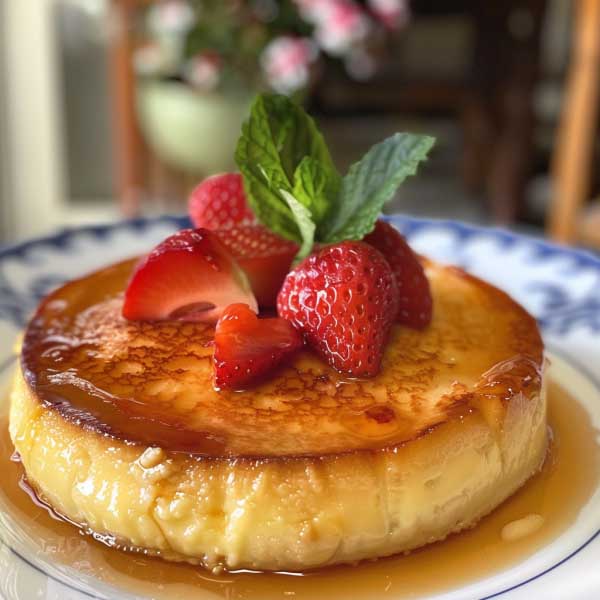
Spanish Flan Recipe: The Creamy Crown Jewel of Spanish Desserts
Spanish flan is the creamy, caramel-kissed dessert that reigns supreme across Spain and Latin America. Its universal appeal lies in its simplicity—just a handful of pantry staples transform into a luxurious custard with a silky texture and golden caramel crown. Whether served at family gatherings or fine restaurants, flan is a timeless treat that bridges cultures and generations.
Inspired by recipes from Spanish Sabores, AllRecipes, and Gamintraveler, this version stays true to tradition while offering tips for perfect results. Flan’s magic is in its contrast: rich yet light, sweet yet subtle, elegant yet easy to make. It’s often served chilled with whipped cream or fresh fruit, making it a refreshing finish to any meal. Once you master the technique, you’ll understand why flan is more than dessert—it’s a culinary icon.
What Is Spanish Flan?
Spanish flan is a baked custard dessert topped with a layer of caramel. It’s made by pouring a smooth egg-based mixture over melted sugar, then baking it gently in a water bath until set. Once chilled and inverted, the caramel flows over the custard, creating a glossy, golden finish.
Unlike crème caramel or Mexican flan, Spanish flan tends to be less sweet and slightly firmer in texture. It’s traditionally made with whole eggs, sweetened condensed milk, and evaporated or whole milk, giving it a rich yet balanced flavor. The custard is infused with vanilla and sometimes citrus zest or spices for added depth.
Flan is served cold, often garnished with whipped cream, berries, or citrus slices. Its smooth texture and delicate sweetness make it a favorite across cultures and cuisines.
Ingredient Breakdown
Here’s what you’ll need to make authentic Spanish flan:
- Sugar: Used to make the caramel base. Melt until golden and pour into ramekins or a flan mold.
- Eggs: Whole eggs or a mix of yolks and whites create the custard’s structure.
- Sweetened condensed milk: Adds richness and sweetness.
- Evaporated milk or whole milk: Balances the condensed milk and gives a creamy texture.
- Vanilla extract: Essential for flavor.
- Optional flavorings:
- Lemon zest: Adds brightness.
- Cinnamon stick: Infuses warmth.
- Orange peel: Offers a citrus twist.
Pro Tip: Use room-temperature eggs for a smoother custard. Cold eggs can cause uneven blending and air bubbles, which affect texture.
Each ingredient plays a role in creating flan’s signature balance of sweetness, creaminess, and aroma. You can customize with spices or citrus, but the classic version is all about simplicity and technique.
Step-by-Step Instructions
- Make the caramel: In a saucepan over medium heat, melt ¾ cup sugar until it turns golden brown. Do not stir—swirl the pan gently to avoid crystallization. Once golden, quickly pour into ramekins or a flan mold, tilting to coat the bottom evenly.
- Prepare the custard: In a blender or mixing bowl, combine 4 eggs, 1 can sweetened condensed milk, 1 can evaporated milk (or 1½ cups whole milk), and 1 tsp vanilla extract. Blend until smooth. Optional: add lemon zest or a cinnamon stick (remove before baking).
- Pour and bake: Pour the custard mixture over the caramel in your mold. Place the mold in a larger baking dish and fill the outer dish with hot water halfway up the sides (water bath). Bake at 325°F (160°C) for 50–60 minutes, or until the center is just set and a knife comes out clean.
- Cool and chill: Remove from oven and let cool to room temperature. Refrigerate for at least 4 hours or overnight.
- Unmold and serve: Run a knife around the edges, invert onto a plate, and let the caramel flow over the custard.
Bold Tips:
- Avoid overbaking—custard should jiggle slightly in the center.
- Use a water bath to ensure even cooking and prevent cracks.
- Blend gently to avoid bubbles that can ruin the smooth texture.
Common Mistakes to Avoid
Even a simple dessert like flan can go wrong without careful attention. Here are the most common pitfalls:
- Overbaking: This leads to a rubbery texture. The custard should be just set with a slight jiggle in the center. Use a knife or toothpick to test doneness.
- Skipping the water bath: Baking flan without a bain-marie causes uneven cooking and cracked tops. The steam from the water bath ensures gentle, even heat.
- Stirring caramel too much: Stirring melted sugar can cause it to crystallize. Instead, swirl the pan gently and watch closely for color changes.
- Not chilling long enough: Flan needs time to set and develop its texture. Refrigerate for at least 4 hours, preferably overnight.
Avoiding these mistakes ensures a silky, glossy flan with perfect flavor and presentation. Patience and precision are key to mastering this classic dessert.
Spanish Flan Recipe – Classic Caramel Custard Dessert with Silky Texture
Equipment
- Saucepan
- Mixing bowl or blender
- Ramekins or flan mold
- Baking dish (for water bath)
- Oven
- Knife or toothpick
- Plate for serving
Ingredients
- ¾ cup sugar (for caramel)
- 4 large eggs
- 1 can (14 oz) sweetened condensed milk
- 1 can (12 oz) evaporated milk or 1½ cups whole milk
- 1 tsp vanilla extract
- Optional: lemon zest, cinnamon stick, orange peel
Instructions
- Make caramel: Melt sugar in a saucepan over medium heat until golden. Swirl gently—don’t stir. Quickly pour into ramekins or mold, tilting to coat bottom.
- Blend custard: Mix eggs, condensed milk, evaporated/whole milk, and vanilla until smooth. Add optional zest or spices.
- Pour and bake: Pour custard over caramel. Place mold in a baking dish filled halfway with hot water. Bake at 325°F (160°C) for 50–60 minutes.
- Cool and chill: Let flan cool to room temperature, then refrigerate for at least 4 hours or overnight.
- Unmold and serve: Run a knife around edges, invert onto plate, and let caramel flow over custard.
Notes
- Use room-temperature eggs for a smoother custard.
- Don’t skip the water bath—it prevents cracks and ensures even cooking.
- For clean slices, use a hot knife.
- Store covered in the fridge for up to 4 days.
- Avoid freezing—texture will suffer.
- Try variations like coconut, coffee, chocolate, or citrus for a creative twist.