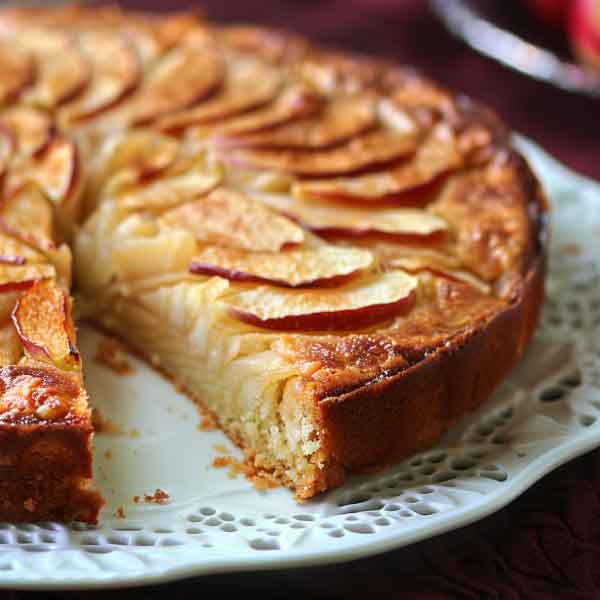
Introduction to French Apple Cake
French Apple Cake is the kind of dessert that feels like a warm hug from a countryside kitchen. Rustic yet refined, it’s a timeless favorite that celebrates the elegance of simplicity. With its buttery crumb, tender apple chunks, and subtle hint of rum, this cake is both comforting and sophisticated.
The appeal lies in its balance: fruit-forward without being overly sweet, moist without heaviness, and rich without excess. Each bite offers layers of flavor—sweet apples softened by baking, aromatic vanilla, and a whisper of boozy warmth from dark rum. The top bakes to a golden crust, slightly crisp and caramelized, adding texture to the custardy interior.
Whether served warm with a dollop of crème fraîche or enjoyed at room temperature with coffee, French Apple Cake is a celebration of seasonal fruit and classic technique. It’s the kind of dessert that never goes out of style—and always feels like home.
The Origins of French Apple Cake
French Apple Cake hails from the apple-rich regions of Normandy and Brittany, where orchards stretch across rolling hills and cider flows freely. These areas are known for their love of apples—in everything from savory dishes to desserts—and this cake is a delicious tribute to that heritage.
Rooted in the tradition of French home baking, the cake reflects the country’s culinary philosophy: use seasonal ingredients, keep it simple, and let the flavors shine. Unlike American apple cakes, which often include spices like cinnamon or resemble dense coffee cakes, the French version is lighter, more custard-like, and subtly boozy thanks to the addition of rum.
It’s a dessert born from practicality and elegance—easy to make, yet impressive in flavor and texture. French Apple Cake doesn’t rely on frosting or elaborate decoration. Instead, it lets the apples speak for themselves, wrapped in a tender, golden crumb that’s as inviting as it is delicious.
What Makes This Cake So Irresistible
What sets French Apple Cake apart is its unique texture—a delicate balance between cake and custard. The batter is light and egg-rich, enveloping chunks of fresh apple that soften as they bake, creating a creamy, almost pudding-like interior. It’s not overly sweet, which allows the natural flavor of the apples to shine.
The top of the cake forms a golden crust, slightly crisp and kissed with sugar. This contrast between the tender center and the caramelized top makes each bite a delight. The addition of dark rum adds a subtle warmth and depth, enhancing the fruit without overpowering it.
Pro tip: Use a mix of apple varieties. Combining tart and sweet apples—like Granny Smith and Honeycrisp—adds complexity and ensures the cake isn’t one-note. Some slices will melt into the batter, while firmer chunks retain their shape, offering texture and bursts of flavor.
This cake is irresistible not just for its taste, but for its simplicity. It’s a one-bowl wonder that feels fancy without fuss. Whether served at a dinner party or as a casual afternoon treat, it’s the kind of dessert that invites seconds—and maybe thirds.
Choosing the Right Apples
The success of French Apple Cake depends largely on the apples. Choosing the right varieties ensures the perfect balance of flavor and texture. Tart-sweet apples work best—they hold their shape during baking and offer a bright contrast to the rich batter.
Top choices include:
- Granny Smith: firm, tart, and ideal for structure
- Honeycrisp: sweet, juicy, and aromatic
- Braeburn: balanced flavor with good baking integrity
- Pink Lady: crisp and tangy, adds complexity
Using a combination of these apples creates layers of flavor and texture. Granny Smith provides bite, while Honeycrisp melts slightly into the batter, adding moisture and sweetness.
Prep tips:
- Peel the apples to avoid tough skin in the final cake.
- Slice thinly for a melt-in-the-batter effect, or cube for more texture.
- Drain excess moisture if apples are especially juicy—this prevents a soggy cake.
Expert tip: Toss apple pieces with a touch of lemon juice to preserve color and add brightness. Whether you prefer a smooth custard-like finish or a chunkier bite, your apple prep will shape the final experience.
Baking Tips for Perfect Texture
Achieving the perfect texture in French Apple Cake starts with the mixing technique. Whisk the eggs until light and foamy—this adds lift and helps create the cake’s signature custard-like crumb. Don’t overmix once the flour is added; gentle folding preserves air and prevents toughness.
Pan preparation is key. A springform pan makes unmolding easier and gives a clean edge, while a standard cake pan works just as well with proper lining. Always line the bottom with parchment paper and grease the sides to prevent sticking.
Baking time varies depending on apple moisture and pan depth—typically 45 to 60 minutes at 350°F (175°C). The cake should be golden on top and set in the center. A toothpick inserted should come out with moist crumbs, not wet batter.
Cooling is crucial. Let the cake rest in the pan for 10–15 minutes, then run a knife around the edge before unmolding. Allow it to cool completely before slicing—this helps the custard set and prevents crumbling.
Smart tip: For a classic French finish, dust with powdered sugar just before serving. Or go decadent with a spoonful of crème fraîche or whipped cream. These additions enhance the cake’s richness and add a touch of elegance.
Whether served warm or chilled, this cake delivers a perfect bite every time—tender, buttery, and bursting with apple flavor.
French Apple Cake – Rustic Fall Dessert with Tender Apples and Buttery Crumb
This French Apple Cake is a cozy, rustic dessert made with fresh apples, buttery batter, and a hint of vanilla. Perfect for fall gatherings, holiday tables, or a simple afternoon treat with coffee. Easy to make and irresistibly tender!
- Mixing bowls
- Whisk
- Rubber spatula
- 9-inch springform or cake pan
- Parchment paper
- Knife and peeler
- Cooling rack
- 3 medium apples (Granny Smith, Honeycrisp, or mix)
- ½ cup unsalted butter, melted
- ¾ cup granulated sugar
- 2 large eggs
- 1 tsp vanilla extract
- 2 tbsp dark rum (or apple juice/cider)
- 1 cup all-purpose flour
- 2 tsp baking powder
- ¼ tsp salt
- Optional: powdered sugar for dusting
Preheat oven to 350°F (175°C). Line bottom of pan with parchment and grease sides.
Peel and slice apples—thin slices for melt-in texture or small cubes for chunkier bite.
Whisk eggs and sugar until pale and foamy. Add vanilla and rum.
Stir in melted butter, then fold in flour, baking powder, and salt until just combined.
Fold in apples, reserving a few slices for the top if desired.
Pour batter into pan and smooth the top.
Bake for 45–60 minutes, until golden and a toothpick comes out clean.
Cool in pan for 15 minutes, then unmold and cool completely on rack.
Dust with powdered sugar before serving, if desired.
Use a mix of tart and sweet apples for depth.
Substitute rum with Calvados for an apple-forward twist.
For a kid-friendly version, use apple juice or cider.
Almond flour or whole wheat flour adds texture.
Add-ins like raisins, nuts, or lemon zest are welcome.
Serve warm or room temp with whipped cream or crème anglaise.
Store in fridge up to 4 days; freeze for up to 2 months.


Be First to Comment