
 Laura Mariano
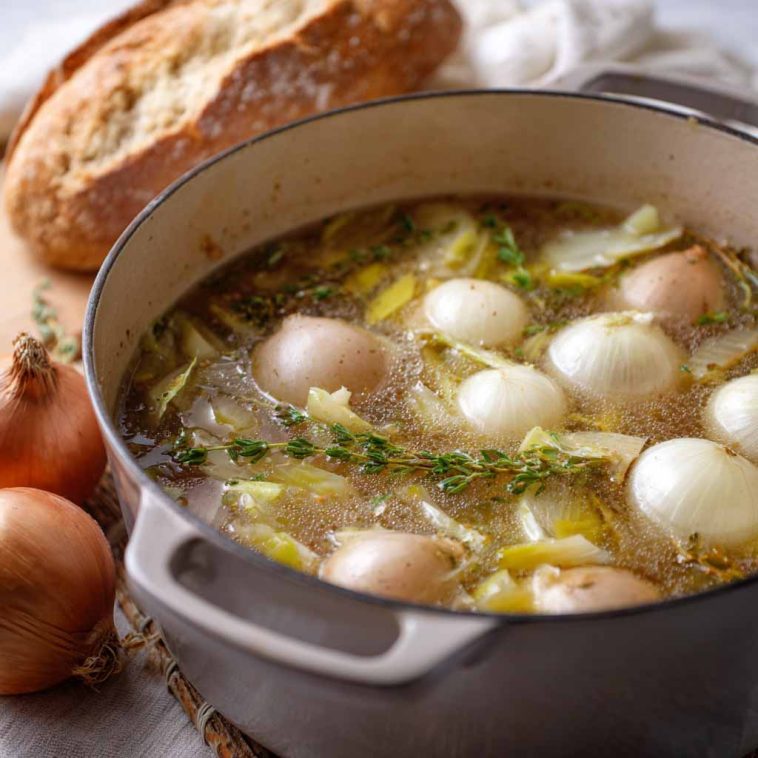
The Viral Charm of Onion Boil
Few side dishes have captured the internet’s imagination quite like the onion boil. What started as a humble comfort food has now become a viral sensation, popping up on TikTok and Instagram feeds with millions of views. Its appeal lies in its simplicity—whole onions cooked until tender, seasoned generously, and served steaming hot.
Beyond the trend, onion boil carries a sense of nostalgia. It’s the kind of dish that feels at home at family gatherings, backyard BBQs, or cozy weeknight dinners. The aroma of onions simmering in butter and spices fills the kitchen, creating warmth and anticipation.
Part of the charm is its versatility. Whether served alongside grilled meats, seafood, or vegetarian spreads, onion boil adapts beautifully. Social media has simply amplified what cooks have known for years: onions, when treated with care, transform into a sweet, savory, and comforting dish that deserves the spotlight.
What Is an Onion Boil Recipe?
At its core, an onion boil recipe involves whole onions boiled or roasted until tender. The cooking process softens their sharpness, turning them into sweet, melt-in-your-mouth bites. Often finished with butter, herbs, and spices, the dish is both rustic and indulgent.
The roots of onion boil trace back to Southern cooking traditions, particularly seafood boils. In these communal meals, onions were added to pots of shrimp, crab, or crawfish, absorbing the flavors of the broth. Over time, onions became a star in their own right, celebrated for their ability to carry seasoning and complement hearty spreads.
Today, onion boil has surged in popularity thanks to social media. Videos showcasing steaming foil-wrapped onions or bubbling pots have inspired home cooks to try their own versions. The trend resonates because it’s approachable—requiring minimal ingredients and effort—yet delivers impressive results.
Why Homemade Onion Boil Is Worth Trying
Making onion boil at home is rewarding for several reasons. First, it uses simple ingredients—onions, butter, and seasonings—that are inexpensive and easy to find. Preparation is minimal, making it accessible even for novice cooks.
Second, it embodies comfort food appeal. The tender onions, infused with butter and spices, evoke the same cozy satisfaction as mashed potatoes or roasted vegetables. It’s a dish that feels indulgent yet wholesome.
Finally, onion boil is versatile. Serve it as a side dish with BBQ ribs, grilled chicken, or steak. Pair it with seafood for a Southern-inspired feast, or enjoy it alongside vegetarian meals where onions take center stage. Its adaptability makes it a staple worth adding to your repertoire.
Choosing the Right Onions
Not all onions are created equal when it comes to boiling or roasting. Sweet onions, such as Vidalia or Walla Walla, are ideal because they mellow beautifully when cooked, offering a natural sweetness. Yellow onions are another excellent choice, balancing sharpness with depth of flavor.
Size matters too. Smaller onions cook faster and are perfect for quick boils, while larger onions hold their shape better and can be stuffed or seasoned more generously. When roasting in foil, larger onions develop a caramelized exterior while staying tender inside.
Tip: Larger onions also retain flavor better when hollowed slightly and filled with butter, garlic, or herbs. This technique creates a self-seasoned onion that bursts with flavor when cut open.
Flavor Boosters: Butter, Seasonings & Herbs
The classic onion boil relies on a butter and spice mix. Melted butter coats the onions, while salt and pepper provide the foundation. From there, variations abound:
- Garlic and paprika add warmth and smokiness.
- Cajun seasoning brings Southern flair with bold, spicy notes.
- Fresh herbs like parsley, thyme, or rosemary brighten the dish and balance richness.
For extra depth, drizzle onions with olive oil or add a splash of broth during cooking.
Expert Tip: Balance salt with acidity. A squeeze of lemon juice or a dash of vinegar cuts through richness, enhancing flavor without overpowering the onion’s natural sweetness.
Step-by-Step Guide: Making Onion Boil at Home
- Prepare onions: Peel outer layers, trim ends, and optionally hollow the center slightly for stuffing.
- Choose cooking method:
- Boiling: Place onions in a pot of salted water or broth. Simmer gently until tender, about 20–30 minutes.
- Foil-wrapped roasting: Place onions on foil, add butter and seasonings, wrap tightly, and roast at 375°F (190°C) for 40–50 minutes.
- Season generously: Add butter, garlic, paprika, or Cajun spice. For a lighter version, use olive oil and fresh herbs.
- Finish: Garnish with parsley, thyme, or lemon zest. Serve hot as a side dish.
Tip: Low and slow cooking ensures onions become tender and sweet without losing their shape.
Homemade Onion Boil Recipe – Easy Comfort Food Side Dish
Equipment
- Large pot (for boiling) or oven with baking tray (for roasting)
- Aluminum foil (if roasting)
- Knife + cutting board
- Tongs or slotted spoon
Ingredients
- 6 medium sweet or yellow onions
- 4 tbsp butter (or olive oil for lighter version)
- 2 cloves garlic, minced
- 1 tsp smoked paprika
- 1 tsp Cajun seasoning (optional)
- Salt & pepper to taste
- Fresh parsley or thyme for garnish
- Lemon wedges for serving
Instructions
- Prep onions: Peel outer layers, trim ends, and rinse. Optionally hollow slightly for stuffing.
- Boil method: Place onions in salted boiling water. Simmer gently for 25–30 minutes until tender. Drain.
- Roast method: Wrap each onion in foil with butter, garlic, and spices. Roast at 375°F (190°C) for 40–50 minutes until soft and caramelized.
- Season: Add butter, paprika, Cajun spice, salt, and pepper. Toss gently to coat.
- Finish: Garnish with parsley or thyme. Serve hot with lemon wedges.
Notes
- Onion choice: Sweet onions (Vidalia, Walla Walla) mellow beautifully; yellow onions add depth.
- Flavor boosters: Add Cajun seasoning for spice or drizzle with olive oil for a lighter version.
- Make-ahead: Cook onions, refrigerate, and reheat gently with butter before serving.
- Serving tip: Pair with grilled meats, seafood, or crusty bread to soak up juices.
- Pro Tip: Balance richness with acidity—lemon juice or vinegar enhances flavor.