
 Laura Mariano
A Slice of Tuscan Tradition
Picture a golden tart emerging from the oven: the aroma of lemon zest mingling with the sweetness of creamy custard, while a scattering of toasted pine nuts adds nutty fragrance. This is Torta della Nonna, or “Grandmother’s Cake,” a dessert that embodies Tuscan tradition and Italian comfort.
Beloved across Italy, it’s a dish that feels both rustic and refined. The crumbly shortcrust shell contrasts beautifully with the silky custard filling, while the pine nuts and powdered sugar finish give it a signature look and flavor. It’s the kind of dessert that evokes family gatherings, Sunday lunches, and festive celebrations.
This guide will walk you through the story, techniques, and variations of Torta della Nonna, helping you master an authentic recipe that’s as timeless as it is delicious.
The Story Behind Torta della Nonna
Torta della Nonna originates from Tuscany, where it was created as a simple yet elegant dessert to showcase local ingredients. Folklore suggests that the name came from its comforting nature—something a grandmother would bake to nourish and delight her family.
Over time, the cake became a symbol of warmth and tradition, spreading beyond Tuscany to become a staple across Italy. Its appeal lies in its balance: humble ingredients transformed into a dessert that feels celebratory.
Today, Torta della Nonna is found in bakeries and restaurants throughout Italy, often served as the perfect ending to a leisurely meal. Its reputation has crossed borders, making it a beloved treat worldwide.
What Defines Authentic Torta della Nonna
Authenticity in Torta della Nonna comes from three key components:
- Pasta Frolla (Shortcrust Pastry): A buttery, crumbly shell that provides structure and contrast.
- Crema Pasticcera (Pastry Cream): A silky custard infused with lemon zest and vanilla, offering richness and brightness.
- Pine Nuts & Powdered Sugar: The final flourish, adding nutty crunch and a delicate dusting of sweetness.
The magic lies in the balance of textures: the crisp pastry shell against the smooth custard, punctuated by the crunch of pine nuts.
Tip: Chill the pastry dough before baking to ensure flakiness and prevent shrinking.
Essential Techniques for Success
- Perfecting Pasta Frolla: Use cold butter and handle the dough lightly. Chill for at least 30 minutes before rolling to maintain structure.
- Custard Consistency: Whisk constantly while cooking to avoid lumps. Strain if necessary for extra smoothness.
- Toasting Pine Nuts: Toast lightly in a dry pan before sprinkling. This enhances flavor and adds depth.
- Oven Temperature: Bake at 350°F (175°C). Too hot and the pastry burns; too low and the custard won’t set properly.
- Expert Tip: Blind-bake the pastry shell before adding custard to prevent soggy bottoms.
Attention to these details ensures a dessert that’s both beautiful and delicious.
Flavor Variations & Regional Twists
While the classic version reigns supreme, variations abound:
- Chocolate Crema Pasticcera: Adds indulgence and richness.
- Nut Toppings: Almonds or hazelnuts can replace pine nuts for different flavor profiles.
- Regional Differences: Ligurian versions may include more citrus zest, while Tuscan versions emphasize vanilla.
- Modern Adaptations: Mini tartlets for individual servings, or gluten-free crusts for dietary needs.
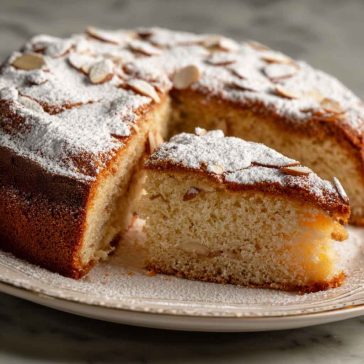
Authentic Italian Torta della Nonna Recipe – Classic Tuscan Dessert Idea
Equipment
- Mixing bowls
- Whisk
- Saucepan
- Rolling Pin
- Tart pan (9–10 inch)
- Parchment paper & baking weights
- Oven
Ingredients
For the Pastry (Pasta Frolla):
- 2 cups all-purpose flour
- ½ cup sugar
- 1 stick (½ cup) cold butter, cubed
- 2 eggs
- Pinch of salt
For the Custard (Crema Pasticcera):
- 2 cups whole milk
- 4 egg yolks
- ½ cup sugar
- 3 tbsp cornstarch
- Zest of 1 lemon
- 1 tsp vanilla extract
For Topping:
- ¼ cup pine nuts (toasted)
- Powdered sugar for dusting
Instructions
- Make Pastry: Mix flour, sugar, and salt. Cut in butter until crumbly. Add eggs, form dough, chill 30 minutes.
- Prepare Custard: Heat milk with lemon zest. Whisk yolks, sugar, and cornstarch. Temper with hot milk, return to pan, cook until thickened. Stir in vanilla. Cool completely.
- Blind-Bake Shell: Roll pastry, line tart pan, prick with fork. Bake at 350°F (175°C) for 15 minutes with weights.
- Assemble: Pour custard into shell. Sprinkle pine nuts.
- Bake: Return to oven for 25–30 minutes until golden.
- Cool & Garnish: Let cool 1 hour. Dust with powdered sugar before serving.
Notes
- Variations: Try chocolate custard, almond topping, or mini tartlets.
- Storage: Refrigerate up to 3 days. Freeze without powdered sugar for up to 1 month.
- Tips: Chill pastry to prevent shrinking; whisk custard constantly to avoid lumps.
- Pairings: Best with espresso or Vin Santo (Tuscan dessert wine).