
 Laura Mariano
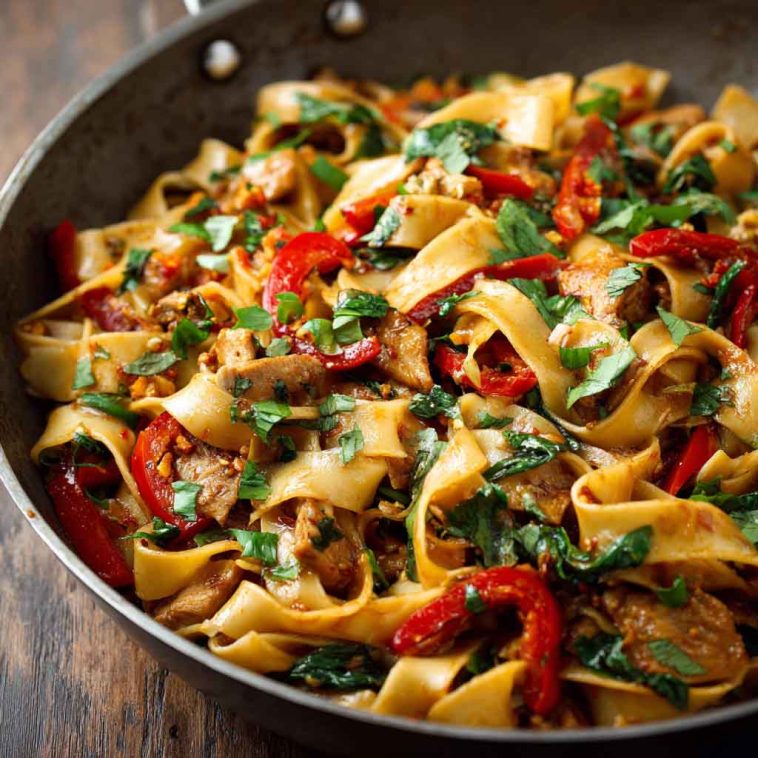
Introduction to Thai Drunken Noodles
Pad Kee Mao, or Thai Drunken Noodles, is one of Thailand’s most beloved street foods. Known for its bold flavors and irresistible aroma, this dish captures the essence of Thai cooking—spicy, savory, and deeply satisfying.
The appeal lies in the combination of chewy wide rice noodles, fiery chili sauce, and fragrant Thai basil. Each bite delivers a balance of heat, sweetness, and umami, making it a dish that excites the palate. Despite its restaurant-quality taste, drunken noodles are surprisingly easy to prepare at home.
Perfect for weeknight dinners or recreating the vibrant energy of Thai street food, this recipe comes together in under 30 minutes. Whether enjoyed solo or shared with friends, Pad Kee Mao is a dish that brings comfort, excitement, and authenticity straight to your table.
What Makes This Recipe Special?
Thai Drunken Noodles stand out because they combine bold, contrasting flavors in a quick stir-fry. The chili heat pairs with savory soy and oyster sauce, balanced by a touch of sweetness. This harmony of flavors is what makes Pad Kee Mao unforgettable.
The recipe is also incredibly versatile. You can use chicken, shrimp, beef, or tofu, making it adaptable to different preferences. The wide rice noodles soak up the sauce beautifully, ensuring every bite is packed with flavor.
Best of all, the dish is ready in under 30 minutes, making it ideal for busy weeknights. The quick stir-fry technique ensures freshness and vibrant texture.
Tip: Fresh Thai basil is the star ingredient—it adds a unique fragrance and authentic flavor that sets this dish apart from other noodle recipes.
Flavor Profile Breakdown
The flavor profile of Pad Kee Mao is bold, layered, and balanced:
- Noodles: Wide rice noodles provide a chewy texture and soak up the sauce perfectly.
- Sauce: A mix of soy, oyster, fish sauce, and sugar creates savory depth with sweet undertones.
- Aromatics: Garlic, ginger, and chilies infuse the dish with pungent heat and fragrance.
- Vegetables: Onions, baby corn, and bell peppers add crunch, color, and freshness.
- Protein: Chicken, shrimp, tofu, or beef make the dish hearty and customizable.
Together, these elements create a dish that’s spicy, savory, slightly sweet, and deeply aromatic.
Pro Tip: Adjust chili levels to suit your spice tolerance—Pad Kee Mao is traditionally fiery, but you can tone it down without losing flavor.
Step-by-Step Cooking Guide
Step 1: Prep Noodles Soak wide rice noodles in warm water until tender. Drain and set aside.
Step 2: Make Sauce In a bowl, mix soy sauce, oyster sauce, fish sauce, and sugar. Adjust to taste.
Step 3: Stir-Fry Aromatics Heat oil in a wok over high heat. Add garlic, onion, and chilies. Stir-fry until fragrant.
Step 4: Cook Protein Add chicken, shrimp, beef, or tofu. Stir-fry until browned and cooked through.
Step 5: Add Noodles & Vegetables Toss in soaked noodles, baby corn, and bell peppers. Pour sauce over and stir quickly to coat.
Step 6: Finish with Basil Add fresh Thai basil leaves. Stir until wilted and fragrant.
Step 7: Serve Plate hot and garnish with lime wedges for brightness.
Tip: Cook quickly on high heat to achieve authentic wok flavor (wok hei).
Common Mistakes to Avoid
- Overcooking Noodles: Leads to mushy texture. Always soak until just tender.
- Skipping Thai Basil: Essential for authentic flavor—regular basil won’t replicate the taste.
- Using Low Heat: Prevents proper wok hei. Always stir-fry on high heat.
- Adding Too Much Sauce: Results in soupy noodles. Use just enough to coat.
- Poor Prep: This dish cooks fast—prep all ingredients beforehand to avoid burning or overcooking.
Tip: Mise en place (ingredient prep) is crucial for stir-fries. Have everything ready before you start cooking.
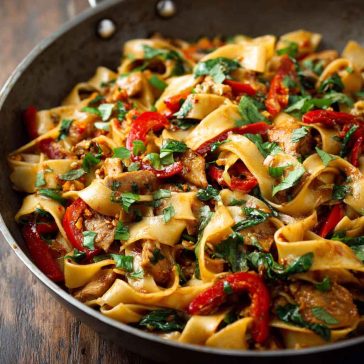
Thai Drunken Noodles Recipe – Easy Authentic Spicy Thai Dinner Idea
Equipment
- Wok or large skillet
- Mixing bowls
- Knife + cutting board
- Strainer for noodles
- Wooden spoon or spatula
Ingredients
- 12 oz wide rice noodles (fresh or dried, soaked)
- 2 tbsp vegetable oil
- 4 garlic cloves, minced
- 2–3 Thai chilies (adjust to taste), sliced
- 1 small onion, sliced
- 1 cup mixed vegetables (baby corn, bell peppers)
- 1 lb protein (chicken, shrimp, beef, or tofu)
- 2 tbsp soy sauce (or tamari for gluten-free)
- 1 tbsp oyster sauce
- 1 tbsp fish sauce (optional for vegetarian, use soy)
- 1 tsp sugar
- ½ cup Thai basil leaves
- Lime wedges for serving
Instructions
- Prep Noodles: Soak rice noodles until tender. Drain and set aside.
- Make Sauce: Mix soy, oyster, fish sauce, and sugar in a bowl.
- Stir-Fry Aromatics: Heat oil in wok. Add garlic, onion, and chilies. Cook until fragrant.
- Cook Protein: Add chicken, shrimp, beef, or tofu. Stir-fry until browned.
- Add Noodles & Vegetables: Toss in noodles and vegetables. Pour sauce over and stir quickly.
- Finish with Basil: Add Thai basil leaves. Stir until wilted and fragrant.
- Serve: Plate hot with lime wedges and extra chilies.
Notes
- Use fresh Thai basil for authentic flavor.
- Prep all ingredients before stir-frying—this dish cooks fast.
- Adjust chili levels to suit spice tolerance.
- Gluten-free option: replace soy sauce with tamari.
- Best eaten fresh—noodles lose texture when stored.