Introduction to Gà Nướng Xả
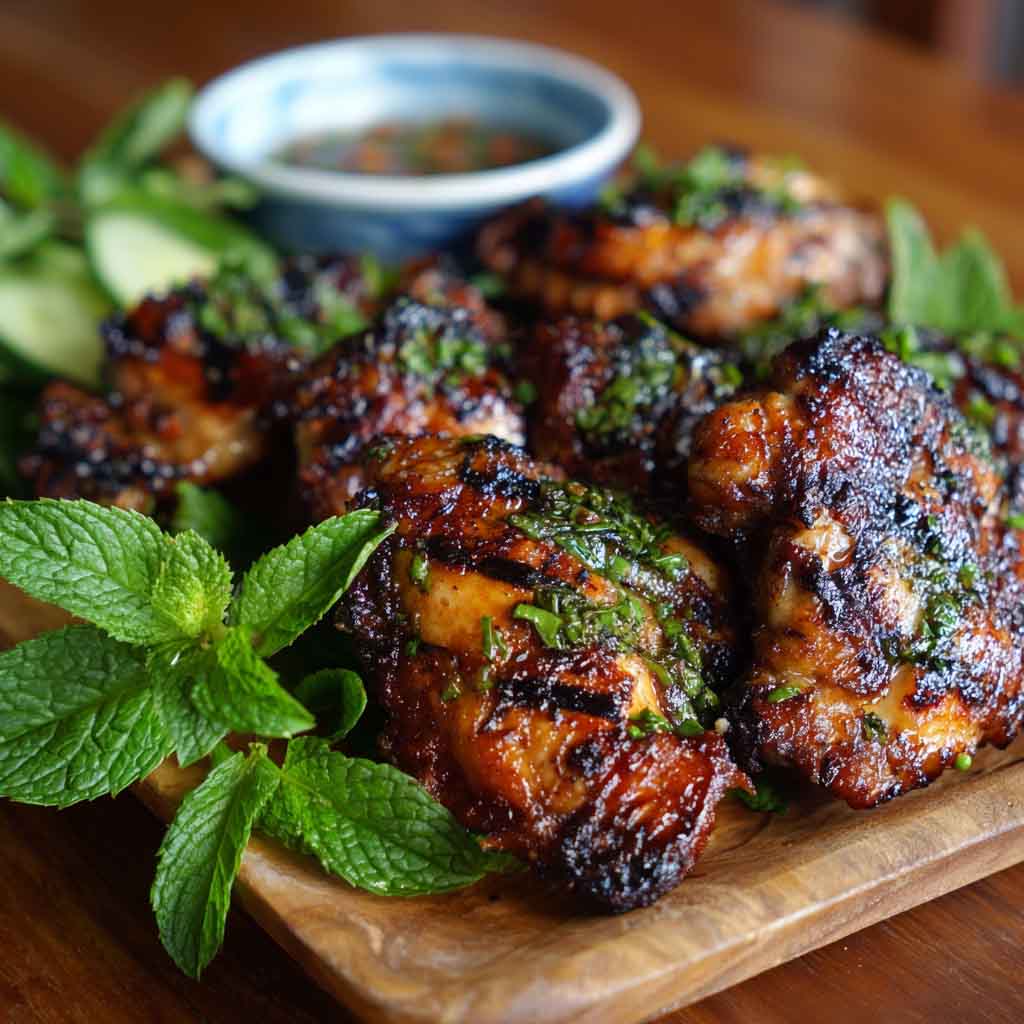
Gà Nướng Xả, or Vietnamese lemongrass grilled chicken, is a beloved staple in Vietnamese cuisine. This aromatic dish features chicken marinated in a vibrant blend of lemongrass, garlic, and fish sauce, then grilled to perfection. The result is a smoky, savory, and slightly sweet flavor profile that captures the essence of Vietnamese street food and home cooking.
Its popularity stems from its bold yet balanced taste and its adaptability—served over rice, in bánh mì sandwiches, or alongside fresh herbs and dipping sauces. What makes Gà Nướng Xả truly unique is the unmistakable fragrance of lemongrass, which infuses the meat with citrusy brightness, complemented by the charred edges from grilling. Whether cooked over open flames or in a modern kitchen, this dish delivers a sensory experience that’s both comforting and exciting, making it a favorite across generations and regions.
The Cultural Roots of Gà Nướng Xả
Gà Nướng Xả traces its origins to Southern Vietnam, where the climate and agricultural abundance make lemongrass and poultry readily available. In this region, grilling meats over charcoal is a time-honored tradition, often associated with communal gatherings and celebratory meals. Families would prepare marinated chicken and grill it in their backyards, filling the air with the tantalizing aroma of lemongrass and smoke.
Beyond the home, Gà Nướng Xả is a fixture in Vietnamese street food culture. Vendors set up portable grills on sidewalks, serving up sizzling skewers to hungry passersby. The dish’s portability and quick cooking time make it ideal for busy urban life, while its rich flavor satisfies even the most discerning palates.
Traditional preparation involves pounding fresh lemongrass and aromatics into a paste, marinating the chicken overnight, and grilling it over hot coals. This method imparts a depth of flavor and texture that modern appliances strive to replicate. Whether enjoyed at a roadside stall or during a family feast, Gà Nướng Xả embodies the warmth, resourcefulness, and culinary ingenuity of Vietnamese culture.
Lemongrass: The Star Ingredient
Lemongrass is the soul of Gà Nướng Xả, lending its signature citrusy, minty, and slightly floral notes to the dish. This tropical herb, with its tough stalks and fragrant oils, transforms ordinary chicken into a vibrant, aromatic delight. Its flavor cuts through richness and adds a refreshing complexity that defines Vietnamese grilled meats.
Beyond taste, lemongrass offers notable health benefits. It’s known for its anti-inflammatory properties, aids digestion, and may help reduce stress and anxiety. In traditional medicine, lemongrass tea is used to soothe stomach ailments and boost immunity.
When selecting lemongrass, look for firm, pale stalks with green tops and a strong lemony scent. To prepare, trim the root end and tough outer layers, then finely mince or pound the tender inner stalks. Crushing releases essential oils, maximizing flavor absorption during marination. Fresh lemongrass is ideal, but frozen or pre-minced versions can work in a pinch.
Choosing the Right Cut of Chicken
For Gà Nướng Xả, skin-on chicken thighs are the preferred cut. They offer superior flavor, juiciness, and resilience to high heat, making them ideal for grilling. The skin crisps beautifully, while the dark meat remains tender and succulent. Chicken breasts, while leaner, can dry out quickly and lack the depth of flavor found in thighs.
Deboning the chicken before marinating allows the seasoning to penetrate more deeply and ensures even cooking. To debone, use a sharp knife to carefully remove the bone while keeping the meat intact. Flattening the meat slightly helps it cook uniformly and absorb the marinade more effectively.
For dietary preferences or creative twists, pork shoulder, beef flank, or even tofu can be substituted. Pork and beef benefit from similar marinades, while tofu should be pressed and scored to soak up flavor. These alternatives maintain the dish’s essence while offering variety for different palates.
The Marinade Magic
The heart of Gà Nướng Xả lies in its marinade—a harmonious blend of bold Vietnamese flavors. Key ingredients include finely minced lemongrass, garlic, and shallots, combined with fish sauce for umami depth, soy sauce for saltiness, and honey for a touch of sweetness. Some recipes add chili for heat or lime juice for brightness.
Balancing these elements is crucial. Fish sauce brings pungency and salt, honey mellows the sharpness, and soy sauce adds a savory backbone. Garlic and shallots round out the profile with earthy sweetness. The lemongrass, of course, ties everything together with its aromatic punch.
To make the marinade, combine all ingredients and whisk until smooth. Massage it thoroughly into the chicken, ensuring every crevice is coated. For best results, marinate overnight in the refrigerator. This allows the flavors to penetrate deeply and tenderize the meat, resulting in a more flavorful and juicy outcome.
An expert tip: reserve a small portion of the marinade to brush onto the chicken during grilling. This enhances caramelization and adds layers of flavor. Whether you’re cooking for a crowd or a quiet dinner, this marinade elevates the dish from simple grilled chicken to a culinary celebration.
Cooking Techniques: Grill, Oven, or Air Fryer?
While traditionalists swear by charcoal grilling for Gà Nướng Xả, modern kitchens offer versatile alternatives. Charcoal grilling imparts a smoky depth that’s hard to replicate. Set up a medium-hot fire, oil the grates, and grill the marinated chicken until golden and slightly charred, turning occasionally.
For indoor cooking, oven roasting is a reliable method. Place the chicken on a wire rack over a baking sheet to allow air circulation and even browning. Roast at 400°F (200°C) for 25–30 minutes, flipping halfway through. Broil briefly at the end for extra char.
Air fryers are perfect for small batches. Preheat to 375°F (190°C), arrange chicken in a single layer, and cook for 15–20 minutes, flipping once. The result is crispy, juicy chicken with minimal oil and cleanup.
No matter the method, ensure the internal temperature reaches 165°F (74°C) for safety. Rest the meat before serving to retain juices and maximize flavor.
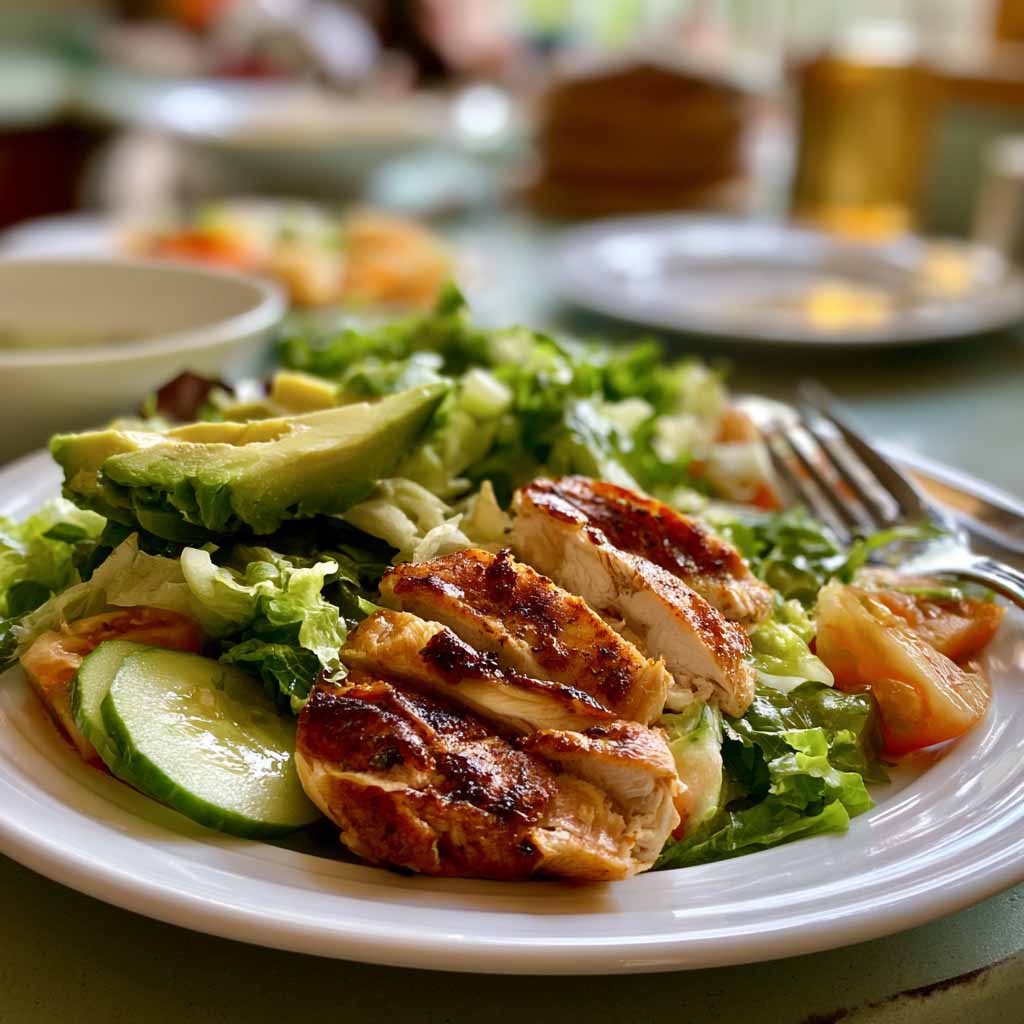
How to Serve Gà Nướng Xả
Grilled Lemongrass Chicken (Gà Nướng Xả) – Authentic Vietnamese Flavor from Your Grill
Grilled Lemongrass Chicken (Gà Nướng Xả) is a Vietnamese classic bursting with bold, citrusy flavor. Marinated in lemongrass, garlic, fish sauce, and spices, then grilled to smoky perfection, this dish is juicy, aromatic, and easy to make. Serve it with rice, noodles, or fresh herbs for a restaurant-quality meal at home. Perfect for summer BBQs, meal prep, or weeknight dinners!
- Grill, oven, or air fryer
- Mixing bowl
- Knife and cutting board
- Food processor or mortar and pestle (optional)
- Wire rack (for oven method)
- Meat thermometer
For the Chicken:
- 1.5 lbs (700g) skin-on, boneless chicken thighs
- 3 stalks fresh lemongrass, finely minced
- 3 cloves garlic, minced
- 2 shallots, minced
- 2 tbsp fish sauce
- 1 tbsp soy sauce
- 1 tbsp honey (or brown sugar)
- 1 tbsp vegetable oil
- ½ tsp ground black pepper
Optional Garnishes & Sides:
- Nuoc cham dipping sauce
- Pickled carrots and daikon
- Fresh herbs: mint, cilantro, Thai basil
- Lime wedges
- Cooked rice or vermicelli noodles
Prep the Lemongrass: Trim and peel the lemongrass stalks. Mince the tender inner parts finely or pound into a paste.
Make the Marinade: In a bowl, mix lemongrass, garlic, shallots, fish sauce, soy sauce, honey, oil, and pepper.
Marinate the Chicken: Add chicken to the marinade, coat thoroughly, and refrigerate for 4–12 hours.
Grill Method: Preheat grill to medium-high. Grill chicken 5–7 minutes per side until charred and internal temp reaches 165°F (74°C).
Oven Method: Preheat oven to 400°F (200°C). Place chicken on wire rack over baking sheet. Roast 25–30 minutes, flipping halfway. Broil for 2 minutes to char.
Air Fryer Method: Preheat to 375°F (190°C). Cook chicken in a single layer for 15–20 minutes, flipping once.
Rest & Serve: Let chicken rest 5 minutes before slicing. Serve with rice, noodles, or in bánh mì with herbs and pickles.
For extra caramelization, reserve a bit of marinade to brush on during cooking.
Substitute tofu or mushrooms for a vegetarian version—use soy sauce instead of fish sauce.
Avoid acidic ingredients in the marinade if marinating overnight.
Fresh lemongrass is key—frozen or dried versions lack the same punch.
Resting the meat after cooking ensures juiciness and flavor retention.



Be First to Comment