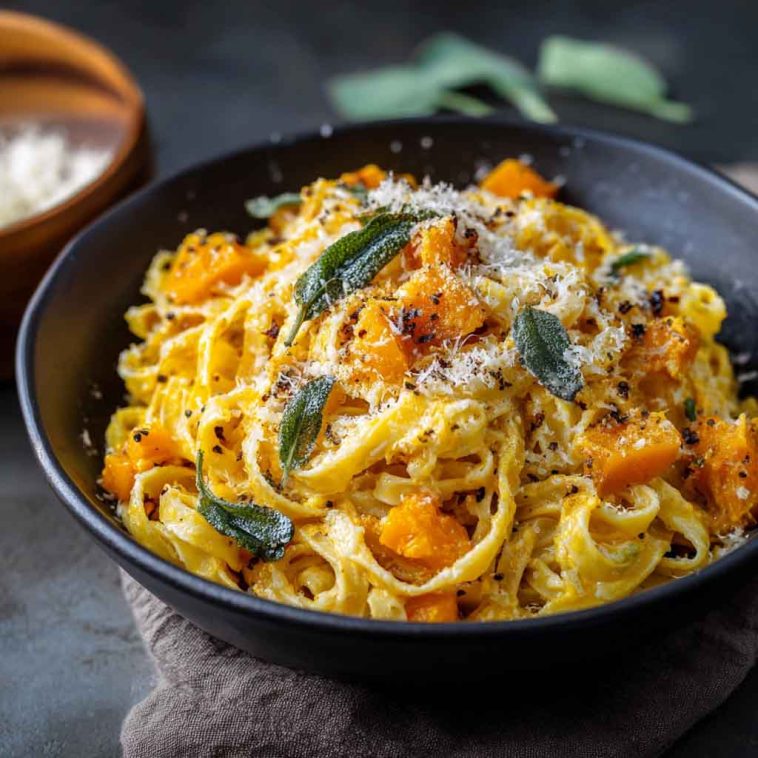

Butternut Squash & Sage Pasta – Creamy, Cozy & Full of Flavor

Why Caramelized Slow Roast Asian Beef Short Rib is Irresistible

Few dishes can stop you in your tracks like a platter of caramelized slow roast Asian beef short ribs. Imagine tender, fall-apart beef that’s been roasted gently for hours until the meat practically slides off the bone. Now picture it cloaked in a glossy, sticky glaze that shines like lacquer, carrying waves of umami, sweetness, and just the right touch of spice. It’s comfort food with elegance, a dish that feels at once rustic and gourmet.

The secret to its magic lies in the phrase “low and slow.” Cooking short ribs at a gentle temperature over time transforms a tough cut of meat into something luxuriously tender, while the layers of flavor from Asian-inspired aromatics seep into every bite. Garlic, ginger, soy, and sesame do the heavy lifting, while sugar or honey caramelizes into a glaze that clings to the ribs, creating an unforgettable finish.

This is where East meets West in the best possible way. The slow-roasting technique, traditionally rooted in European cooking, pairs beautifully with bold Asian flavors, resulting in a dish that’s both familiar and exotic. Whether served at a family dinner or brought out as the star of a dinner party, these ribs promise applause with every bite.

Origins & Cultural Influence

Beef short ribs have an incredible ability to adapt to different culinary traditions, and this recipe pays homage to both Asian and Western approaches. In Korea, short ribs are the heart of galbi, marinated in soy, garlic, and sesame before being grilled or braised. In China, red-braised beef uses soy sauce, Shaoxing wine, and star anise to create a deep, savory richness. Vietnamese cooking takes it further with “thịt kho,” caramelized meats simmered in fish sauce and sugar.

Meanwhile, Western cuisine has long relied on slow roasting and braising to turn tough cuts into tender, comforting dishes. By merging these traditions, caramelized slow roast Asian short ribs bring together the meticulous patience of low-heat cooking with the bold punch of Asian aromatics. The result? A global favorite: sticky, savory-sweet beef that feels both nostalgic and exciting no matter where you are.

Flavor & Texture Profile

This dish is all about layers of flavor and contrast in texture. At its base, soy sauce, garlic, and ginger deliver the deep, savory umami that anchors Asian cuisine. A touch of sweetness—whether from brown sugar, honey, or palm sugar—balances the saltiness and caramelizes beautifully under heat, creating a glaze with irresistible shine. Rice vinegar or Shaoxing wine cuts through the richness, keeping the flavors vibrant rather than heavy.

Texture is just as important. The ribs, after hours of slow roasting, are meltingly tender, the kind you barely need a fork for. Yet the outside develops a sticky, almost candy-like crust as the glaze reduces and caramelizes. That interplay—fall-apart tenderness inside, glossy stickiness outside—creates a bite that feels both luxurious and comforting. Each mouthful offers savory depth, subtle sweetness, gentle spice, and the aromatic lift of herbs like scallions or star anise.

Ingredient Insights & Shopping Tips

The success of caramelized Asian short ribs begins at the butcher counter. Beef short ribs come in two main cuts: bone-in and boneless. Bone-in ribs are preferred here—the bone adds flavor, helps retain moisture, and makes for a striking presentation. Look for ribs with good marbling—that web of fat running through the meat—since it melts during cooking, keeping the beef tender and juicy.

In the pantry, you’ll want soy sauce as the base of your marinade. A low-sodium version allows you to control saltiness. Rice vinegar provides gentle acidity, while sesame oil adds nutty depth. Hoisin sauce or even oyster sauce can give the glaze extra body and sweetness. For a more traditional depth, try a splash of Shaoxing wine or dry sherry.

Sweetness is key for caramelization. Brown sugar is the go-to, but honey, palm sugar, or even maple syrup each lend unique character. Aromatics like garlic, ginger, scallions, and chili are non-negotiable—they define the dish’s boldness. For extra intrigue, add star anise, miso paste, or gochujang for layers of complexity.

The most important shopping tip? Balance. The flavors should be sweet, salty, spicy, and tangy, never dominated by one. Taste the marinade before committing—adjust sugar if too salty, add vinegar if too sweet, or a pinch of chili if it needs heat. That’s how you build the multi-dimensional profile that makes these ribs so addictive.

Tools & Equipment You’ll Need

Great dishes don’t require fancy gear, but the right tools make the process smoother. A Dutch oven or heavy roasting pan is essential for searing and roasting in one vessel. A sharp chef’s knife and sturdy cutting board help you prep aromatics and trim ribs efficiently. Mixing bowls are needed for the marinade, while a silicone brush ensures your glaze coats evenly.

If you want precision, an oven-safe thermometer helps maintain that low-and-slow sweet spot. No Dutch oven? A slow cooker or Instant Pot can achieve similar tenderness, with the oven used later for caramelizing the glaze.

Step-by-Step Cooking Process

Making caramelized slow roast Asian beef short ribs is a process, but not a complicated one—it’s about patience and layering flavors.

Step 1: Prep
Trim any excess fat from the ribs. Season lightly with salt and pepper, then place them in the marinade (soy sauce, vinegar, sugar, sesame oil, garlic, ginger, and aromatics). Cover and refrigerate for at least 4 hours, ideally overnight, to let flavors penetrate deeply.

Step 2: Sear
Preheat the oven to 300°F (150°C). Heat oil in a Dutch oven or heavy roasting pan. Sear the ribs on all sides until browned—this develops the foundation of caramelization and flavor.

Step 3: Slow Roast
Add beef broth and some of the reserved marinade to the pan. Cover tightly with foil or a lid, then roast low and slow for 2.5–3 hours, turning ribs occasionally. They should be fork-tender when done.

Step 4: Glaze
While the ribs roast, reduce the remaining marinade with sugar or honey in a saucepan until sticky. This will be your glaze.

Step 5: Finish
Brush ribs generously with glaze, return them to the oven uncovered for 15–20 minutes, and let them caramelize into a glossy lacquer.

Step 6: Rest
Remove from the oven and let the ribs rest for 10 minutes before serving. This locks in juices and ensures every bite is succulent.

Butternut Squash & Sage Pasta – Creamy, Cozy & Full of Flavor

This Butternut Squash & Sage Pasta is the ultimate cozy comfort dish! Roasted butternut squash blended into a velvety sauce, paired with fresh pasta, and finished with fragrant sage and Parmesan. Perfect for fall dinners, date nights, or a deliciously wholesome family meal that feels gourmet but is simple to make.
Prep Time 20 minutes
Cook Time 3 hours
Total Time 3 hours 20 minutes
Course Main Course
Cuisine Asian-fusion, Comfort Food
Servings 6
Calories 540 kcal

Equipment

  • Dutch oven or roasting pan with lid
  • Large mixing bowls
  • Sharp chef’s knife & sturdy cutting board
  • Silicone brush (for glazing)
  • Oven-safe thermometer
  • Foil (for tenting if needed)

Ingredients
  

For the Beef & Marinade:

  • 4 lbs (1.8 kg) beef short ribs, bone-in (or boneless)
  • ½ cup soy sauce (low-sodium if preferred)
  • ¼ cup hoisin sauce
  • 3 tbsp rice vinegar (or apple cider vinegar)
  • 3 tbsp honey (or brown sugar)
  • 2 tbsp sesame oil
  • 2 tbsp Shaoxing wine (or dry sherry)
  • 1 tbsp fresh ginger, grated
  • 4 garlic cloves, minced
  • 2 scallions, chopped
  • 1 tsp chili paste (optional, for heat)

For the Glaze & Finishing:

  • Reserved marinade (boiled and reduced)
  • 1–2 tbsp honey or brown sugar (to thicken glaze)
  • 1 tbsp sesame seeds (toasted, for garnish)
  • 2 tbsp fresh cilantro or scallions, chopped

Instructions
 

Marinate the Beef

  • In a large bowl, whisk together soy sauce, hoisin, vinegar, honey, sesame oil, Shaoxing wine, garlic, ginger, scallions, and chili paste.
  • Place short ribs in the bowl (or resealable bag), coat evenly, cover, and refrigerate for at least 4 hours (overnight preferred).

Preheat & Prepare

  • Preheat oven to 300°F (150°C).
  • Remove ribs from marinade, pat dry, reserving liquid for later.

Sear for Flavor

  • Heat Dutch oven or heavy skillet over medium-high heat.
  • Sear ribs on all sides until browned and caramelized (≈3–4 minutes per side).

Slow Roast

  • Transfer ribs to roasting pan/Dutch oven, pour a little marinade + ½ cup water/broth around (not on top).
  • Cover with lid/foil and roast 2.5–3 hours, turning once halfway, until tender.

Make the Glaze

  • While ribs roast, place reserved marinade in a saucepan.
  • Bring to boil, reduce heat, add honey or brown sugar, and simmer until syrupy.

Glaze & Finish

  • Brush glaze over ribs, return uncovered to oven for 10–15 minutes until glossy.
  • Rest ribs for 10 minutes before serving.

Serve

  • Garnish with sesame seeds, cilantro, and extra glaze drizzle.
  • Serve hot with jasmine rice or Asian slaw.

Notes

  • Make-Ahead: Ribs can be cooked a day in advance and reheated with fresh glaze.
  • Substitutions: Use tamari or coconut aminos for gluten-free soy substitute.
  • Spice Level: Adjust chili paste or add fresh chili for heat.
  • Storage: Store leftovers in airtight container up to 4 days; freeze up to 2 months.
  • Serving Idea: Plate ribs stacked high on a platter with glaze drizzle for dramatic presentation.
Keyword Asian beef short ribs, braised Asian ribs, caramelized beef, Korean-inspired ribs, slow roasted short ribs, soy garlic beef ribs, sticky glaze beef