
 Laura Mariano
A Flavor-Packed Classic
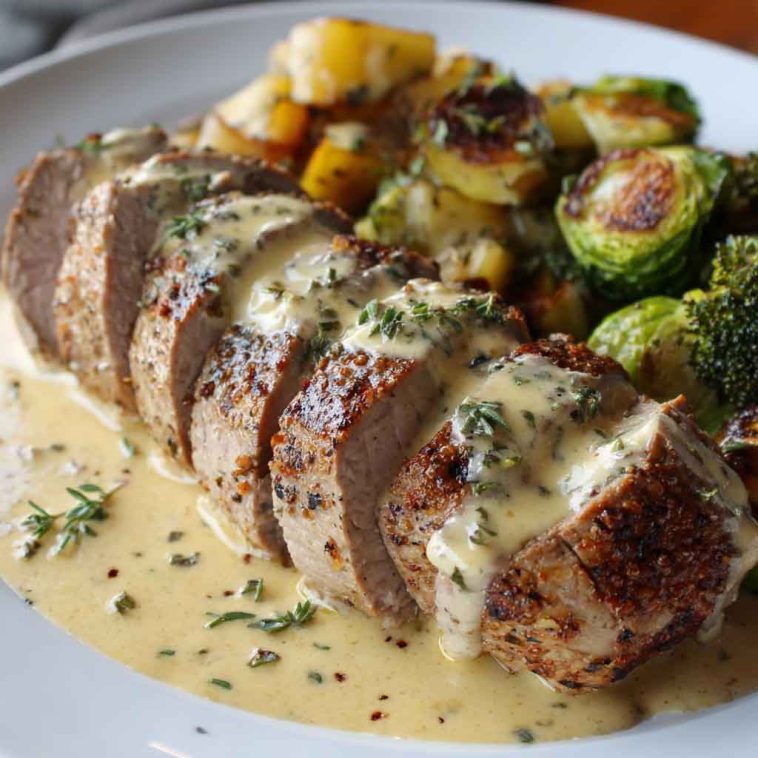
Welcome to this delicious recipe that will teach you how to prepare a juicy, tender pork tenderloin paired with an irresistible creamy Dijon mustard sauce. Pork tenderloin is one of the leanest and most tender cuts of pork, perfect for those seeking an elegant yet quick-to-make dish. Its delicate texture and mild flavor have made it a favorite in kitchens worldwide. The Dijon cream sauce perfectly complements the pork by combining the tangy, slightly spicy character of Dijon mustard with the richness and smoothness of cream, creating a truly mouthwatering accompaniment. In this article, you’ll learn how to select the best pork tenderloin, follow step-by-step cooking instructions, discover flavorful variations to personalize the dish, and expert tips to ensure perfectly juicy and flavorful results every time.
Understanding Pork Tenderloin
Pork tenderloin is a long, narrow cut located alongside the backbone, distinct from the larger pork loin. It is prized for being exceptionally tender and lean. Unlike pork loin—which can be larger and have slightly more fat—pork tenderloin is ideal for quick, refined meals due to its compact size and delicate texture. It’s a go-to cut when you want a sophisticated, restaurant-quality entrée without spending hours in the kitchen.
When selecting pork tenderloin at the butcher or store, look for a piece that is firm, has a consistent light pink color, and minimal external fat. Proper trimming is key: removing the silver skin—a thin, silvery membrane—ensures the meat cooks evenly and remains tender. Leaving this membrane on can result in a tough bite. Choosing a fresh, high-quality tenderloin is essential to create a dish that’s both flavorful and juicy.
Essential Ingredients for the Recipe
This recipe relies on a few key ingredients to build its signature flavor and texture. The star is, of course, the pork tenderloin itself—cleaned and ready to cook. Dijon mustard adds a bright tang and subtle peppery bite that balances the richness of the meat perfectly.
Heavy cream lends a silky texture and rich mouthfeel to the sauce, though lighter alternatives like Greek yogurt or milk can be used for a lower-fat version. Aromatics such as garlic and fresh herbs—especially thyme and parsley—infuse the dish with depth and freshness. Salt and freshly ground black pepper are essential for seasoning and enhancing all flavors.
Using high-quality ingredients makes a significant difference: fresh herbs, a reputable Dijon mustard brand, and full-fat cream will ensure your sauce has the best flavor and texture, making this classic dish truly memorable.
Step-by-Step Cooking Process
Start by preparing the pork tenderloin: trim off any excess fat and silver skin, then pat the meat dry with paper towels. This ensures a better sear and crust development. Next, season the tenderloin generously with salt and freshly ground black pepper. For an extra crispy crust, you can lightly dredge the tenderloin in all-purpose flour, shaking off any excess.
Heat a heavy skillet over medium-high heat and add a tablespoon of oil with a high smoke point, such as vegetable or canola oil. Once hot, place the tenderloin in the pan and sear each side until golden brown — about 2-3 minutes per side. This searing step locks in juices and builds complex flavor through the Maillard reaction.
Transfer the skillet—if oven-safe—or the tenderloin on a roasting pan to a preheated oven at 400°F (200°C). Roast for about 15-20 minutes, or until the internal temperature reaches 145°F (63°C) when checked with a meat thermometer. This ensures the pork is perfectly cooked but still juicy and slightly pink in the center.
While the pork rests (tent it loosely with foil to keep warm), use the same skillet to make the Dijon cream sauce. Add minced shallots or garlic and sauté briefly in the pan drippings. Deglaze the pan with some white wine, chicken broth, or water to lift all the browned bits off the bottom. Stir in the Dijon mustard and heavy cream, simmering gently until the sauce thickens to your desired consistency. Taste and adjust seasoning as needed.
Finally, slice the rested pork tenderloin into medallions and spoon the luscious Dijon cream sauce over the top. The combination of tender pork and rich sauce is sure to impress.
Flavor Variations & Enhancements
To make this dish your own, there are many delicious variations and enhancements you can try. For an herbaceous twist, coat the tenderloin with a mixture of fresh rosemary, thyme, and parsley before searing. This creates a fragrant crust that complements the cream sauce beautifully.
If you prefer a subtle sweet-savory balance, brush the pork with a honey-Dijon glaze just before roasting. The honey caramelizes lightly, adding depth and gloss to the crust.
For mushroom lovers, you can enrich the cream sauce by adding sautéed mushrooms and garlic for an earthy, savory variation. Incorporating whole-grain mustard or mustard seeds adds texture and a bolder mustard flavor.
If you want a lighter version, swap heavy cream for Greek yogurt or milk, but be careful to avoid curdling by adding yogurt off the heat and stirring gently.
To diversify flavor profiles, try adding a splash of white wine or a squeeze of lemon juice to brighten the sauce. For smoky depth, a pinch of smoked paprika works wonders.
These variations allow you to tailor the dish to different tastes and occasions, whether for weeknight dinners or special celebrations.
Serving Suggestions
For a classic and satisfying meal, serve your pork tenderloin with roasted potatoes tossed in olive oil and herbs, creamy mashed cauliflower for a low-carb option, or simply steamed green beans for a fresh, crisp contrast. These sides complement the richness of the Dijon cream sauce without overpowering it.
To impress guests at a dinner party, slice the pork into medallions and arrange them neatly on a warmed plate. Drizzle the sauce generously over the top, and garnish with fresh thyme sprigs, chopped parsley, or a little lemon zest to add color and brightness.
When it comes to wine pairings, consider a lightly oaked Chardonnay, which matches the creamy sauce beautifully, or a Pinot Noir with its bright acidity and gentle tannins that complement the pork’s mild flavor. Light reds and crisp whites both work well, so choose according to personal preference.
Elegant plating and thoughtful pairings will elevate this simple yet sophisticated dish to a memorable dining experience.
Make-Ahead, Storage & Reheating Tips
This pork tenderloin recipe works well for meal prep or make-ahead cooking. You can marinate the pork in Dijon mustard, garlic, and herbs a few hours or even overnight to deepen the flavor before cooking.
Cooked pork tenderloin should be stored in an airtight container and refrigerated for no more than 3-4 days to maintain freshness and safety. To freeze, wrap the cooked or raw tenderloin tightly in plastic wrap and place it in a freezer bag; it can keep well for up to 3 months.
When reheating, the best method is to warm the slices gently in a pan over low heat with a splash of broth or leftover sauce to prevent drying out. Avoid microwaving whenever possible, as it can quickly overcook the meat and cause the sauce to separate. Alternatively, reheat in a low oven (300°F/150°C) covered in foil, checking frequently.
For the sauce, gentle reheating over low heat with occasional stirring will restore its creamy texture without curdling. These tips help you enjoy leftovers just as much as fresh.
Expert Tips for Perfect Tenderloin & Sauce
To achieve the perfect pork tenderloin every time, rely on a meat thermometer to monitor doneness accurately—145°F (63°C) is the ideal internal temperature for tender, juicy pork. Searing the meat well before roasting is essential to develop a flavorful crust; make sure your pan is hot enough but avoid burning the surface.
Deglazing the pan to make the sauce captures all the delicious browned bits (fond) left from searing, which adds depth and richness. Use a splash of wine, broth, or water to loosen these flavorful bits before whisking in cream and Dijon mustard.
If your cream sauce is too thin, adjust thickness by simmering gently or adding a small cornstarch slurry (a teaspoon cornstarch mixed with cold water). Don’t rush the resting phase after cooking—tent the meat loosely with foil for about 5-10 minutes to allow juices to redistribute, keeping the pork moist and tender.
Mastering these expert tips will take your dish from great to restaurant-quality.
Nutrition & Lightened-Up Options
A typical serving of pork tenderloin with Dijon cream sauce contains approximately 350-450 calories, depending on portion size and cream used. To lighten it up, you can substitute heavy cream with lower-fat options like Greek yogurt or milk, which still provide creaminess with fewer calories and less saturated fat.
Balancing portion sizes is important—about 4 ounces of cooked pork paired with fiber-rich vegetables such as leafy greens, roasted broccoli, or a hearty salad creates a well-rounded meal.
For a heart-healthier version, avoid excess butter or oil in cooking, use fresh herbs for flavor instead of salt, and choose low-fat dairy alternatives. These adjustments help retain the dish’s delicious flavors while supporting health goals.
FAQs Based on People Also Ask
How long should I cook pork tenderloin?
Pork tenderloin generally takes about 15-20 minutes in a 400°F (200°C) oven after searing, but using a meat thermometer to reach 145°F (63°C) ensures perfect doneness.
Can I make this dish ahead of time?
Yes, you can marinate the pork in advance and cook it ahead. Store cooked pork and sauce separately in airtight containers and refrigerate for up to 3-4 days.
Can I use Dijon sauce with other cuts of pork?
Absolutely! Dijon cream sauce works well with pork chops, pork loin, or even pork medallions. Just adjust cooking times based on the cut.
How do I keep pork juicy?
Sear the meat to lock in juices, avoid overcooking by monitoring temperature, and always let the pork rest tented with foil before slicing.
Can I make this recipe dairy-free?
Yes, substitute heavy cream with coconut cream or dairy-free yogurt alternatives; ensure to adjust cooking gently to avoid curdling.
Can I use honey or maple syrup in Dijon sauce?
Yes, adding honey or maple syrup creates a sweet-savory glaze that enhances the sauce’s flavor, balancing tangy mustard.
How do I thicken the cream sauce?
Simmer the sauce to reduce or add a cornstarch slurry (mix cornstarch with cold water) gradually while stirring until desired thickness is reached.
What sides pair best with pork tenderloin?
Roasted potatoes, mashed cauliflower, sautéed green beans, or fresh salads are excellent choices to complement this dish.
Final Thoughts & Call to Action
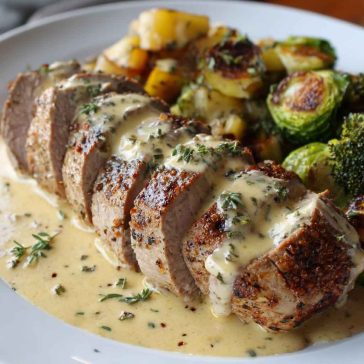
Best Ever Pork Tenderloin with Dijon Cream Sauce – Juicy, Flavorful & Elegant
Equipment
- Oven-safe skillet or frying pan
- Roasting pan (if skillet is not oven-safe)
- Meat thermometer
- Mixing bowls
- Whisk
- Knife and cutting board
- Measuring Cups and Spoons
Ingredients
- 1 pork tenderloin (about 1 to 1.25 lbs / 450 to 570 grams)
- Salt and freshly ground black pepper, to taste
- 1-2 tbsp all-purpose flour (optional, for dredging)
- 1-2 tbsp vegetable or canola oil
- 2 cloves garlic, minced
- 1 small shallot, minced (optional)
- 1/2 cup white wine or chicken broth
- 1 cup heavy cream
- 2 tbsp Dijon mustard
- 1 tsp fresh thyme leaves (or 1/2 tsp dried)
- 1 tbsp fresh parsley, chopped (for garnish)
Instructions
- Prepare the pork: Trim the silver skin and excess fat from the pork tenderloin. Pat dry with paper towels. Season generously with salt and pepper. Optionally, dredge lightly in flour and shake off excess.
- Sear the pork: Heat oil in an oven-safe skillet over medium-high heat. When hot, add the pork and sear each side for 2-3 minutes until golden brown.
- Roast: Transfer skillet to a preheated oven at 400°F (200°C). Roast for 15-20 minutes until internal temperature reaches 145°F (63°C). Remove from oven and tent loosely with foil to rest for 10 minutes.
- Make sauce: While pork rests, place skillet back on medium heat. Add garlic and shallot; sauté briefly until fragrant. Deglaze pan with wine or broth, scraping browned bits. Stir in cream and Dijon mustard, simmer until sauce thickens, about 3-5 minutes. Adjust seasoning.
- Serve: Slice pork into medallions. Spoon sauce over the pork, garnish with thyme leaves and parsley. Serve with preferred sides.
Notes
- Use a meat thermometer for best results and to avoid overcooking.
- Substitute cream with Greek yogurt or milk for a lighter sauce (add yogurt off heat to prevent curdling).
- For extra flavor, try marinating the pork in Dijon mustard, garlic, and herbs for a few hours before cooking.
- Leftovers keep well refrigerated for up to 4 days; reheat gently with sauce to maintain juiciness.
- If sauce is too thin, thicken with a cornstarch slurry (1 tsp cornstarch + 1 tbsp cold water).
This best-ever pork tenderloin with Dijon cream sauce recipe combines tender, juicy pork with a rich, tangy sauce that’s sure to impress family and guests alike. Whether you stick to the classic version or try one of the many flavorful variations, you’ll enjoy a dish that feels both comforting and elegant. Don’t hesitate to experiment with different herbs, glazes, and sides to make it your own. If you give this recipe a try, please share your results or photos! Feel free to leave a comment or subscribe for more delicious recipes and cooking tips.