
Why Homemade Pizza Dough Is a Game-Changer
Nothing beats the aroma and taste of fresh, homemade pizza dough straight from your kitchen. While store-bought options are convenient, they rarely deliver the soft, chewy, and flavorful crust that comes from scratch. Making pizza dough at home gives you complete control over the ingredients, allowing you to skip preservatives, additives, and excessive sodium. You can tailor the texture, flavor, and thickness to your personal preference—whether that’s a thin and crispy Neapolitan-style base or a thick, pillowy Sicilian crust.
Homemade dough also elevates your toppings, ensuring each bite is perfectly balanced. The process can be as simple or as artisanal as you like, from hand-kneading on the counter to using a stand mixer for effortless mixing. In this guide, we’ll walk you through the essentials, so you can master pizza dough that’s soft, chewy, and consistently perfect every time. Say goodbye to mediocre crusts forever.
Understanding Pizza Dough Basics
Pizza dough is deceptively simple, but understanding the basics ensures success. The core ingredients are:
Flour: Provides structure and gluten, which gives dough its chewiness.
Yeast: Leavens the dough, creating airy bubbles. Active dry, instant, or fresh yeast all work, with slight differences in timing and proofing.
Water: Hydrates flour and activates yeast. Temperature matters: lukewarm is ideal.
Salt: Enhances flavor and controls yeast activity.
Olive oil: Adds tenderness, richness, and subtle flavor.
Sugar (optional): Can speed yeast activation and encourage browning.
Hydration—the ratio of water to flour—affects dough consistency. A wetter dough yields a more open, airy crumb, while drier dough is easier to shape but denser. Proper kneading develops gluten, giving dough elasticity and chew. Understanding these fundamentals helps you tweak recipes to suit your preferred crust style.
Types of Pizza Crusts You Can Make
Pizza dough can be transformed into a variety of crusts, depending on technique and thickness:
Thin Crust: Light, crispy, and slightly crunchy. Perfect for minimal toppings.
Neapolitan-Style: Soft, chewy interior with slightly charred edges. Best with high-heat ovens.
Sicilian: Thick, fluffy, and airy. Often baked in rectangular pans and topped generously.
Stuffed or Calzone-Style Dough: Sealed around fillings for a pizza-pocket experience.
The kneading, proofing, and shaping method determines the crust’s final texture. Gentle stretching produces air pockets and a light chew, while overworking the dough can result in toughness. Knowing your desired crust type helps you adjust hydration, proofing times, and baking temperatures accordingly.
Equipment Needed
Making pizza dough doesn’t require fancy tools, but a few essentials make the process smoother:
Mixing Bowl: For combining ingredients.
Measuring Cups & Spoons: Accuracy ensures consistent results.
Stand Mixer with Dough Hook (optional): Speeds up kneading for large batches.
Rolling Pin or Hands: For stretching dough to shape.
Pizza Stone or Baking Sheet: Helps achieve a crisp bottom crust.
Dough Scraper or Spatula: Handy for handling sticky dough.
Having these tools ready before you start saves time and minimizes frustration during preparation.
Ingredient Tips & Tricks
Flour Type: Bread flour is ideal for chewiness; all-purpose works fine for everyday pizzas.
Yeast Choice: Instant yeast is beginner-friendly, while fresh yeast can provide more subtle flavor nuances.
Olive Oil: Adds tenderness; a drizzle in the dough or on your baking surface enhances crust flavor.
Salt Placement: Avoid sprinkling salt directly on yeast—it can inhibit activation.
Sugar: Optional, but can help yeast bloom faster and give a slightly golden crust.
Other tricks include using filtered water if your tap water is heavily chlorinated, letting dough rest at room temperature for better yeast activity, and occasionally folding dough during the first rise to improve texture. Small adjustments can make a big difference in your crust’s final flavor and chewiness.
Common Mistakes to Avoid
Even experienced bakers sometimes stumble with pizza dough. Avoid these pitfalls:
Over-Kneading: Produces a tough, rubbery crust.
Under-Kneading: Leads to dense, uneven texture with poor gluten development.
Incorrect Water Temperature: Too hot kills yeast; too cold slows fermentation.
Skipping Resting Time: Dough may shrink when shaped or bake hard.
Patience and careful observation are key. A little extra time spent understanding dough behavior prevents disappointment in the finished pizza.
How to Tell When Dough Is Ready
Perfect pizza dough has elasticity, smoothness, and a slight spring. You can test readiness using:
Windowpane Test: Stretch a small piece; if it forms a thin, translucent membrane without tearing, gluten is well-developed.
Elasticity and Smooth Texture: Dough should bounce back when poked.
Proper Rise: After first proofing, dough should double in size.
Avoid Over-Proofing: Over-proofed dough collapses and loses structure, resulting in dense pizza.
Monitoring these signs ensures your dough is prepared for baking with ideal texture and chewiness.
FAQs – Homemade Pizza Dough
Can I make dough ahead of time? Yes, refrigerate for up to 3 days for slow fermentation and more flavor.
Can I freeze pizza dough? Absolutely. Wrap tightly and thaw in the fridge before use.
How do I make it chewy instead of tough? Use bread flour, proper kneading, and avoid over-baking.
Can I use whole wheat flour? Yes, but combine with bread flour for structure.
How long should I let it rise? Typically 1–2 hours at room temperature, or overnight in the fridge for deeper flavor.
Step-by-Step Instructions for Homemade Pizza Dough
Ingredients (for 2 medium pizzas)
3 ½ cups (440 g) bread flour or all-purpose flour
1 ½ tsp salt
1 tsp sugar (optional)
1 packet (2 ¼ tsp) active dry yeast or instant yeast
1 ¼ cups (300 ml) warm water (105–115°F / 40–46°C)
2 tbsp olive oil
Instructions
Activate the Yeast (if using active dry yeast):
In a small bowl, combine warm water, sugar, and yeast. Stir gently and let sit 5–10 minutes until foamy. Skip this step if using instant yeast.Mix the Dough:
In a large mixing bowl, combine flour and salt. Make a well in the center, then pour in the yeast mixture and olive oil. Mix until a rough dough forms.Knead the Dough:
Transfer to a floured surface and knead 8–10 minutes by hand, or 5–6 minutes in a stand mixer with a dough hook. Dough should be smooth, elastic, and slightly tacky but not sticky.First Proof:
Place dough in a lightly oiled bowl, cover with a damp cloth or plastic wrap, and let rise in a warm place until doubled in size (≈1–2 hours).Shape the Dough:
Punch down the dough to release gas. Divide into portions and gently stretch or roll to desired shape. Avoid overworking to preserve air pockets.Second Proof (Optional):
Let shaped dough rest 15–30 minutes for a lighter crust.Bake:
Preheat oven to 475–500°F (245–260°C) with a pizza stone inside if available. Add toppings and bake 10–15 minutes, until crust is golden and slightly charred.
Variations & Flavor Boosters
Garlic & Herb Dough: Add 1 tsp garlic powder and 1 tsp dried Italian herbs to flour.
Whole Wheat Pizza Dough: Replace 50% of bread flour with whole wheat for a nuttier flavor.
Cheesy Crust: Fold shredded mozzarella into the dough or brush with garlic butter before baking.
Sourdough Pizza Dough: Substitute yeast with ½ cup active sourdough starter, adjusting water as needed.
Thin & Crispy Style: Reduce hydration slightly and roll thinner, bake on preheated stone.
Flavor boosters like infused olive oil, herbs, or even a touch of honey can elevate the dough. Experimenting with hydration and proofing times allows for soft, chewy, or extra-crispy crust depending on preference.
Expert Tips for Perfect Pizza Dough
Measure Ingredients Accurately: Use a kitchen scale for consistent results.
Control Water Temperature: Lukewarm water activates yeast without killing it.
Slow Fermentation for Flavor: Refrigerate dough overnight for deeper taste and better texture.
Avoid Over-Flouring: Too much flour makes dough tough; lightly flour your surface instead.
Stretch, Don’t Roll: Hand-stretching preserves air pockets for a chewier, lighter crust.
Preheat Baking Surface: A hot stone or tray ensures a crisp bottom.
Following these expert tips consistently will make every pizza a bakery-quality experience.
Serving Ideas
Classic Margherita: Tomato sauce, fresh mozzarella, fresh basil.
Meat Lovers: Pepperoni, sausage, bacon, mozzarella.
Vegetarian: Bell peppers, mushrooms, onions, olives, and goat cheese.
White Pizza: Ricotta, garlic, olive oil, spinach, mozzarella.
Dessert Pizza: Spread Nutella, top with strawberries or bananas, drizzle with powdered sugar.
Serve freshly baked pizza with a side salad or dipping sauces like garlic butter or pesto. Homemade dough allows for versatility in toppings, shapes, and sizes, perfect for family meals or entertaining.
Storage & Freezing
Refrigeration: Dough keeps 2–3 days in an airtight container.
Freezing: Wrap dough tightly in plastic and place in a freezer bag. Thaw overnight in the fridge before shaping.
Par-Baking: Partially bake shaped dough, cool, then freeze for quick pizza nights.
Proper storage maintains yeast activity and dough elasticity, ensuring your homemade pizza crust remains soft and flavorful.
Recipe Metadata
Servings: 2 medium pizzas (≈4–6 slices each)
Estimated Cost: $3–5 per batch (depending on ingredient quality)
Prep Time: 15–20 minutes
Rise Time: 1–2 hours (or overnight in fridge)
Bake Time: 10–15 minutes
Total Time: 1 hr 30 min–2 hr 30 min
Course: Main / Dinner
Cuisine: Italian / Homemade
Keywords: pizza dough, homemade pizza, Neapolitan crust, Sicilian pizza, easy pizza recipe
Equipment: mixing bowl, measuring cups, stand mixer (optional), rolling pin, pizza stone or baking sheet
Nutrition (per serving, ¼ of dough + basic toppings)
Calories: 220–250 kcal
Carbohydrates: 45 g
Protein: 7 g
Fat: 3 g
Fiber: 2 g
Sodium: 320 mg
Nutrition varies with flour type and toppings. Using whole wheat flour or adding extra vegetables increases fiber and micronutrients.
Homemade Pizza Dough – Soft, Chewy & Perfect for Any Topping
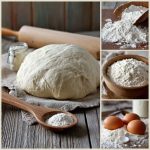
Make pizza night extra special with this Homemade Pizza Dough! Soft, chewy, and easy to make from scratch, it’s the perfect base for all your favorite toppings—classic Margherita, loaded veggie, or meaty delights. No store-bought dough needed!
- Mixing bowl
- Measuring cups & spoons
- Stand mixer with dough hook (optional)
- Rolling pin or hands
- Pizza stone or baking sheet
- Dough scraper or spatula
- 3 ½ cups (440 g) bread flour or all-purpose flour
- 1 ½ tsp salt
- 1 tsp sugar (optional)
- 1 packet (2 ¼ tsp) active dry yeast or instant yeast
- 1 ¼ cups (300 ml) warm water (105–115°F / 40–46°C)
- 2 tbsp olive oil
Activate yeast (if using active dry) by combining with warm water and sugar; let foam 5–10 minutes.
Mix flour and salt in a large bowl; add yeast mixture and olive oil. Stir until a rough dough forms.
Knead dough 8–10 minutes by hand or 5–6 minutes in a stand mixer until smooth and elastic.
Place dough in a lightly oiled bowl, cover, and let rise until doubled (1–2 hours).
Punch down dough and divide; shape by stretching or rolling to desired size.
Optional second proof: rest shaped dough 15–30 minutes.
Preheat oven to 475–500°F (245–260°C) with pizza stone if available. Add toppings and bake 10–15 minutes until golden and slightly charred.
Instant yeast can be added directly; active dry yeast must be activated first.
Adjust water slightly for flour type and humidity.
Handle dough gently to preserve air pockets for a chewy texture.
Don’t overload toppings; too many can prevent proper baking.
Experiment with flours, proofing times, and flavorings to create your signature dough.






Be First to Comment