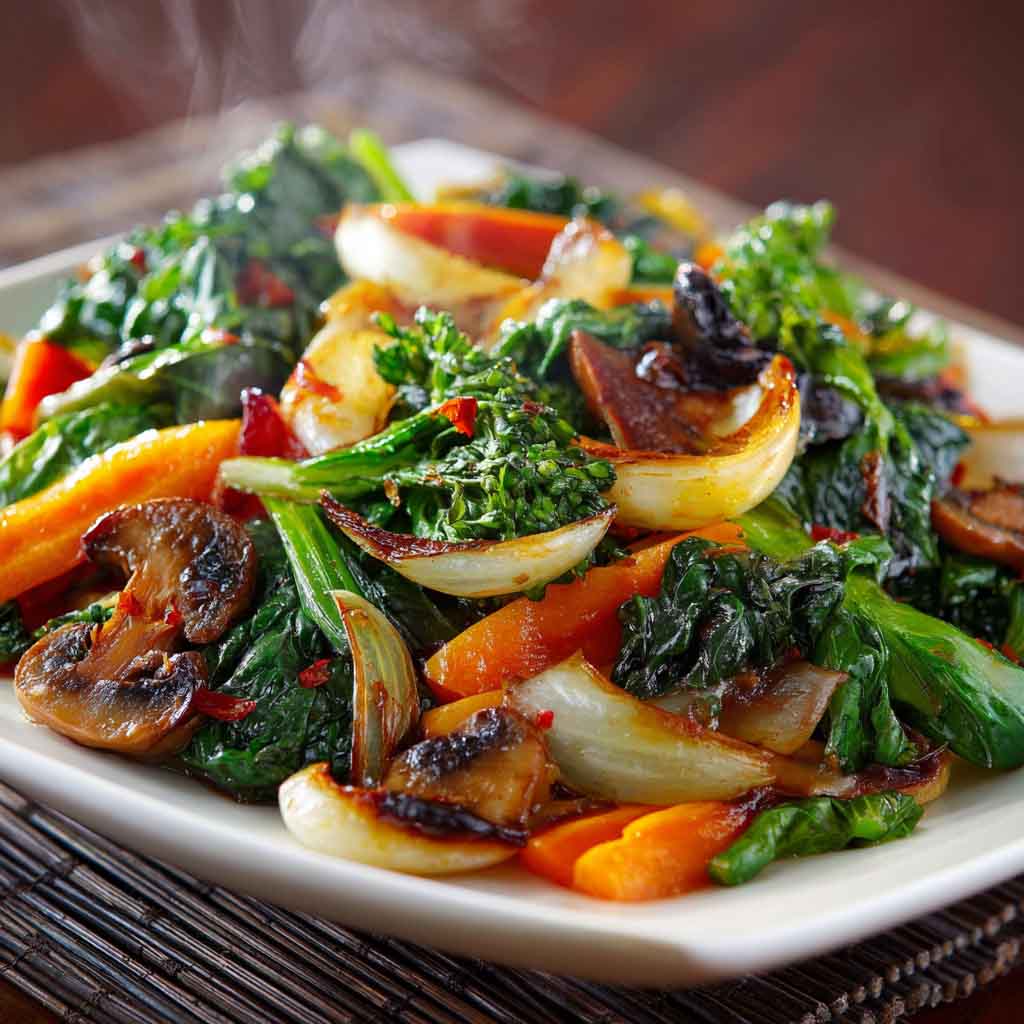
Why Sautéed Vegetables Are a Kitchen Essential
Sautéed vegetables are a versatile, quick, and flavorful addition to any meal. With just a little oil, garlic, and fresh produce, you can transform simple vegetables into a colorful, aromatic dish that complements any main course or shines as a light meal on its own. This technique is perfect for busy weeknights, meal prep, or when you want a healthy, satisfying side that requires minimal effort. Sautéing brings out the natural sweetness and texture of vegetables while keeping them crisp-tender and nutrient-rich. Whether served alongside grains, protein, or as a standalone plate, sautéed vegetables are a kitchen staple that elevates everyday meals.
Choosing the Right Vegetables
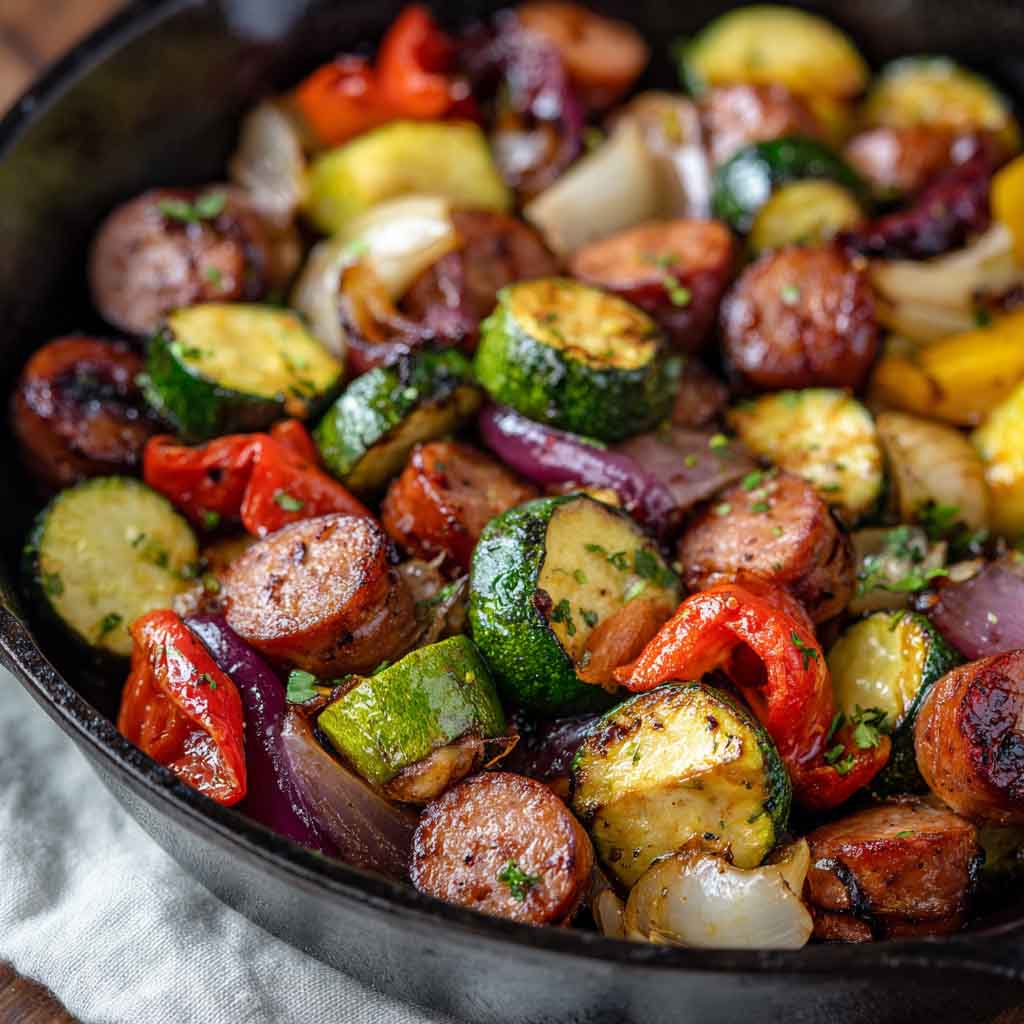
The beauty of sautéed vegetables is the flexibility in your choice of produce. Some of the best options include bell peppers, zucchini, broccoli, carrots, snap peas, and mushrooms. Seasonal vegetables add extra flavor and freshness, so consider local and in-season produce to maximize taste and nutrition. By combining vegetables with varying textures and colors, you create an appealing, visually vibrant dish. Nutritionally, this mix packs a punch: fiber for digestion, vitamins for energy and immunity, and antioxidants for overall health.
Pro Tip: Mixing textures—like crisp snap peas with tender zucchini—enhances both flavor and presentation.
Ingredient Highlights & Flavor Enhancers
Base fat: Olive oil, avocado oil, or butter acts as the cooking medium and flavor carrier.
Aromatics: Garlic, onions, shallots, or fresh herbs infuse the oil with fragrant flavor.
Seasonings: Salt, pepper, a splash of lemon juice, balsamic vinegar, or soy sauce can elevate the dish.
Optional add-ins: Toasted nuts, seeds, or grated Parmesan cheese add texture, crunch, and a layer of umami.
Expert Tip: Cook aromatics first to release their flavor into the oil, creating a rich foundation for the vegetables.
Tools & Preparation Essentials
Skillet or sauté pan: Nonstick or stainless steel works best for even cooking.
Spatula or wooden spoon: For tossing vegetables without bruising.
Chef’s knife: Ensures uniform chopping for even cooking.
Optional tools: Garlic press, microplane, or mandoline for finely minced aromatics or thin vegetable slices.
Step-by-Step Cooking Instructions
Prep Vegetables: Wash, peel (if needed), and chop vegetables into uniform sizes for even cooking.
Heat Oil: Preheat 1–2 tablespoons of oil in a skillet over medium-high heat.
Cook Aromatics: Add garlic, onions, or shallots, cooking until fragrant (about 30–60 seconds).
Add Vegetables in Stages: Start with vegetables that take longer to cook, like carrots or broccoli, and gradually add quicker-cooking items, like zucchini or bell peppers.
Toss Frequently: Stir or toss the vegetables often to ensure even cooking and prevent sticking.
Season: Sprinkle with salt, pepper, and optional herbs or sauces during the last few minutes of cooking.
Finish & Serve: Add a squeeze of lemon juice or sprinkle seeds/nuts for extra flavor and texture.
Cooking Tip: Avoid overcrowding the pan. Too many vegetables at once will steam rather than sauté, preventing that lightly caramelized texture.
Delicious Flavor Variations
Garlic-Parmesan: Toss vegetables with minced garlic and finish with grated Parmesan cheese.
Asian-Inspired: Add soy sauce, sesame oil, ginger, and a sprinkle of sesame seeds.
Spicy Kick: Include chili flakes, sriracha, or a dash of hot sauce for heat.
Mediterranean: Use olive oil, lemon zest, fresh oregano, and a sprinkle of feta cheese.
Herb-Forward: Fresh thyme, rosemary, or basil elevate subtle vegetables like zucchini or mushrooms.
Nuts & Seeds: Toasted almonds, pine nuts, or sunflower seeds add texture and richness.
Serving Suggestions & Pairings
As a side dish alongside roasted meats, fish, or tofu.
On grain bowls with rice, quinoa, or farro.
Tossed with pasta or noodles for a light main course.
Meal prep: Portion into containers for a healthy lunch or dinner addition.
Garnish with fresh herbs, a squeeze of citrus, or a sprinkle of seeds for extra flavor.
Storage & Make-Ahead Tips
Refrigeration: Store in an airtight container for 3–4 days.
Reheating: Sauté briefly in a pan or microwave with a splash of water or oil to restore moisture.
Freezing: Cooked vegetables can be frozen, but some (like zucchini or mushrooms) may become softer. Best to slightly undercook if freezing.
Make-ahead tip: Chop vegetables in advance and store in separate containers; cook just before serving for maximum freshness.
Expert Tips for Perfect Sautéed Vegetables
Uniform sizes: Ensures even cooking; larger pieces may remain undercooked.
High heat: Quick cooking helps maintain color and crisp-tender texture.
Avoid overcrowding: Prevents steaming, allowing natural caramelization.
Aromatics first: Cooking garlic, onions, or shallots before vegetables flavors the oil and the dish.
Finish with acid: Lemon juice, vinegar, or citrus zest brightens flavors just before serving.
Frequently Asked Questions (FAQs)
Q1: Can I use frozen vegetables?
A1: Yes, but thaw and pat dry first to avoid excess water and sogginess.
Q2: How long should vegetables be sautéed?
A2: Depends on the type; tender vegetables take 3–5 minutes, harder ones 6–10 minutes. Toss frequently.
Q3: Can I make this vegan or vegetarian?
A3: Absolutely. Use plant-based oils and skip cheese or replace with vegan alternatives.
Q4: How do I keep vegetables crisp?
A4: Cook on medium-high heat without overcrowding the pan. Serve immediately or shock in ice water if making ahead.
Q5: Can I add a protein to make a complete meal?
A5: Yes, toss in pre-cooked chicken, shrimp, tofu, or beans at the end of cooking.
Q6: What’s the best oil for sautéing vegetables?
A6: High smoke point oils like avocado, grapeseed, or refined olive oil work best. Butter or extra-virgin olive oil adds flavor but watch for browning.
Conclusion & Final Thoughts
Sautéed vegetables are a simple yet versatile kitchen staple. With endless flavor variations, seasonings, and textures, you can adapt them to any cuisine or meal. They’re perfect for quick dinners, meal prep, or elevating weeknight meals with minimal effort. Experiment with combinations, garnishes, and sauces, and enjoy a colorful, nutritious, and delicious addition to your table.
Healthy Sautéed Vegetables – Quick, Flavorful & Nutritious Side
Make a colorful and delicious side dish in minutes with this Healthy Sautéed Vegetables recipe. Packed with fresh veggies, lightly seasoned, and sautéed to perfection, it’s perfect for weeknight dinners, meal prep, or adding more nutrients to any meal. Simple, healthy, and full of flavor!
- Skillet or sauté pan (nonstick or stainless steel)
- Spatula or wooden spoon
- Chef’s knife
- Cutting board
- Measuring spoons and cups
- Optional: garlic press, microplane, mandoline
- 2 tbsp olive oil (or avocado oil/butter)
- 2 cloves garlic, minced
- 1 small onion, thinly sliced
- 1 bell pepper, sliced
- 1 zucchini, sliced into half-moons
- 1 cup broccoli florets
- 1 medium carrot, julienned or sliced thin
- ½ cup snap peas
- ½ cup mushrooms, sliced
- Salt and black pepper, to taste
- 1 tsp lemon juice (optional)
- 1 tsp balsamic vinegar or soy sauce (optional)
- Optional toppings: toasted nuts, seeds, fresh herbs, grated Parmesan
Prep Vegetables: Wash, peel (if needed), and cut all vegetables into uniform pieces.
Heat Pan: Place skillet over medium-high heat and add oil.
Cook Aromatics: Add garlic and onions, sauté 1–2 minutes until fragrant.
Add Harder Vegetables: Add carrots and broccoli first; cook 3–4 minutes, stirring frequently.
Add Softer Vegetables: Add bell peppers, zucchini, mushrooms, and snap peas; sauté another 4–5 minutes until crisp-tender.
Season: Add salt, pepper, and optional flavorings (lemon juice, balsamic vinegar, or soy sauce).
Finish & Serve: Toss well and garnish with herbs, seeds, or nuts. Serve immediately for best texture.
Vegetable Choice: Feel free to mix seasonal vegetables or use frozen (thawed) if needed.
Crispness Tip: Avoid overcrowding the pan; cook in batches if necessary.
Make-Ahead: Chop vegetables in advance; cook just before serving.
Flavor Boosters: Add fresh herbs, citrus zest, or a sprinkle of Parmesan or nutritional yeast for extra flavor.
Storage: Refrigerate leftovers in an airtight container for 3–4 days; reheat quickly in a skillet to preserve texture.






Be First to Comment