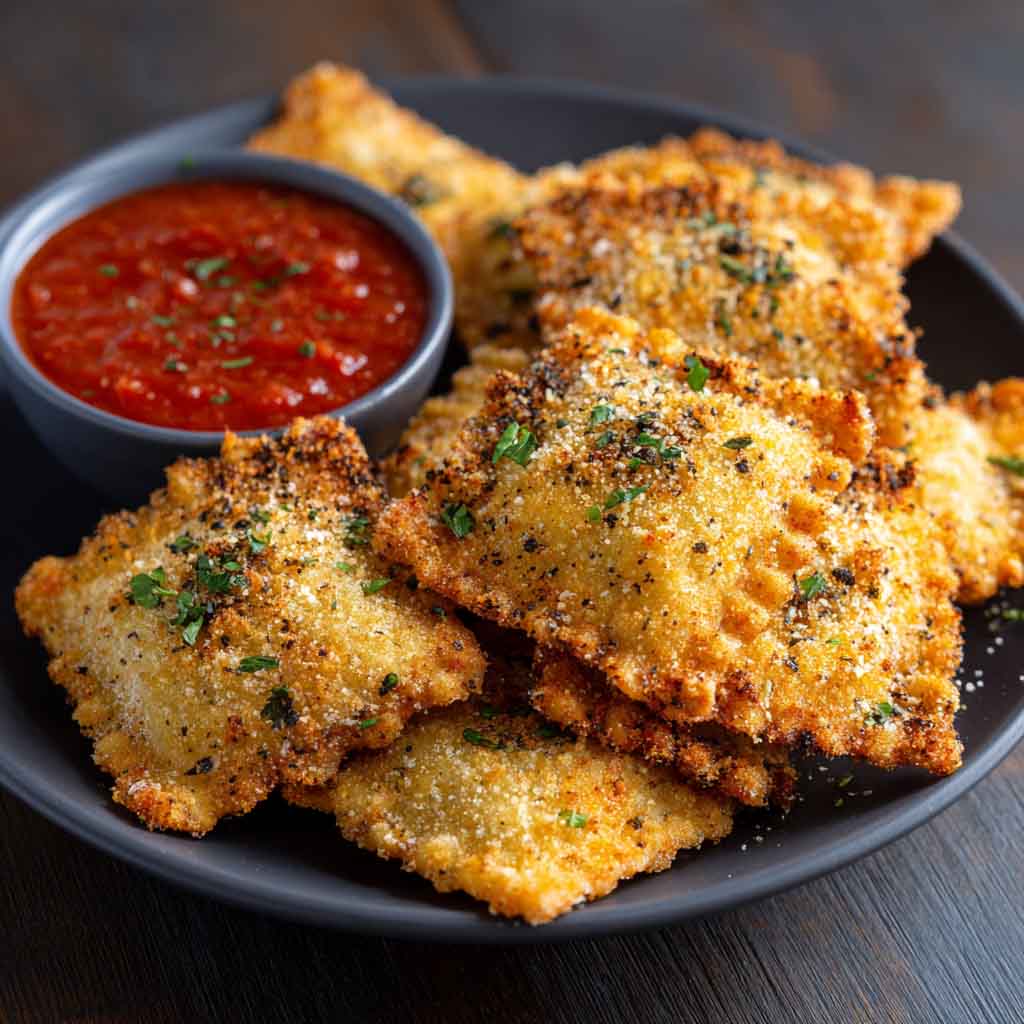
The Irresistible Crunch of Toasted Ravioli
Imagine biting into a crispy, golden pocket of pasta, where the delicate shell shatters to reveal a savory, flavorful filling—whether it’s rich meat or creamy cheese. This is the magic of toasted ravioli, a beloved appetizer that has won hearts far beyond its Midwestern birthplace. With its irresistible crunch and comforting flavors, toasted ravioli has become a go-to snack for gatherings, game days, or any time you crave a quick indulgence that feels both nostalgic and exciting.
Though its name might suggest otherwise, toasted ravioli is actually deep-fried to perfection, delivering a crispy exterior that contrasts beautifully with the warm, tender filling inside. It’s a dish that embodies comfort food with a touch of culinary flair, making it a standout on menus and dinner tables alike. In this article, we’ll explore what makes toasted ravioli so special, its fascinating origins, and how you can prepare it at home with simple ingredients and techniques to get that perfect crunch every time.
What is Toasted Ravioli?
Toasted ravioli is a dish featuring breaded ravioli that’s been deep-fried until golden and crisp. Despite the name, it’s not toasted but fried, giving it a signature crunch that’s become synonymous with this appetizer. Traditionally, the ravioli are filled with savory meat, such as ground beef or sausage, or with cheese fillings, though modern twists include vegetarian and even seafood varieties.
The dish has its roots firmly planted in St. Louis, Missouri, where Italian-American communities embraced and popularized it in the mid-20th century. A bit of culinary lore surrounds its invention, with stories crediting local chefs or accidental discoveries, but its widespread appeal is undeniable. Over time, toasted ravioli has evolved beyond St. Louis, finding a place in many American kitchens and restaurants, often served with marinara or other dipping sauces.
Choosing the Right Ravioli for Toasting
The foundation of perfect toasted ravioli starts with choosing the right pasta pockets. You can opt for store-bought or homemade ravioli, each offering its own advantages. Store-bought ravioli is convenient and consistent in size, making it easier to bread and fry evenly. Look for ravioli with well-sealed edges to prevent filling leakage during frying. Fresh ravioli provides a tender texture but may require more careful handling, while frozen ravioli offers longer storage and firmness that holds up well in hot oil.
When it comes to fillings, classic meat options such as seasoned ground beef or Italian sausage are crowd-pleasers, delivering hearty, rich flavors. Cheese-filled ravioli, usually ricotta-based, offers a creamy, mild alternative. Vegetarian options featuring spinach, mushrooms, or blended cheeses are great for varied tastes. Choose ravioli that are not overly thin to avoid bursting but also not too thick to prevent sogginess.
Bold Tip: Always inspect the ravioli to ensure the edges are tightly sealed. This simple check helps avoid messy bursts during frying and keeps your kitchen clean.
Essential Ingredients & Equipment
To achieve the perfect toasted ravioli, you’ll need a classic breading station: all-purpose flour, beaten eggs, and seasoned breadcrumbs. The flour helps the egg adhere, while the egg wash binds the breadcrumbs, creating that crunchy coating. Season your breadcrumbs with Italian herbs, garlic powder, and a pinch of salt to boost flavor.
For frying, select oils with high smoke points such as vegetable, canola, or peanut oil. These oils maintain stable temperatures and won’t impart strong flavors. A deep fryer is ideal for temperature control, but a heavy-bottomed pot or Dutch oven also works well.
Essential equipment includes a slotted spoon or spider strainer for safely removing ravioli from hot oil, and a wire rack lined with paper towels to drain excess oil and keep the ravioli crispy. When frying at home, always exercise caution with hot oil, keeping a safe distance and never overcrowding the fryer.
Preparing Toasted Ravioli Step-by-Step
Step 1: Set up your breading stations. Prepare three shallow dishes: one with flour, one with beaten eggs, and one with seasoned breadcrumbs. Season the breadcrumbs with Italian seasoning, garlic powder, salt, and a bit of black pepper for added flavor.
Step 2: Bread the ravioli. Working in small batches, dredge each ravioli first in flour, shaking off excess. Then dip into the egg wash, ensuring it’s fully coated. Finally, press into the breadcrumb mixture, coating evenly on all sides. Proper, even breading is key to achieving a crisp crust without sogginess.
Step 3: Heat the oil. Preheat your oil to a consistent 350–375°F (175–190°C). Use a deep fryer thermometer to monitor temperature. Maintaining this heat range ensures the ravioli crisp up quickly without absorbing excess oil.
Step 4: Fry in small batches. Carefully lower a few ravioli at a time into the hot oil, being careful not to overcrowd. Overcrowding lowers the oil temperature, resulting in greasy, soggy bites. Fry for about 2–3 minutes, turning gently with tongs or a slotted spoon to brown evenly on all sides.
Step 5: Drain and rest. Use a slotted spoon to remove ravioli and place them on a wire rack over paper towels to drain excess oil. Let them rest for a few minutes — this helps set the crust and keeps them crispy.
Bold Tip: Resist the temptation to add too many ravioli at once. Frying in small batches keeps the oil temperature stable and guarantees a perfectly crispy, golden crust every time.
Serving Ideas for Toasted Ravioli
Toasted ravioli is a crowd-pleaser best enjoyed fresh and hot, accompanied by dipping sauces that complement its crispy, savory nature. The classic pairing is a vibrant marinara sauce—rich, tangy, and slightly sweet—that balances the fried pasta’s richness with a burst of acidity. You can serve individual ramekins of marinara alongside the ravioli for dipping or drizzle the sauce over the top as a flavorful garnish.
For a twist, try serving toasted ravioli with creamy garlic aioli, spicy sriracha mayo, or a zesty pesto dip. Each offers a different flavor dimension—cool and garlicky, spicy and bold, or herbaceous and fresh—that elevates the experience.
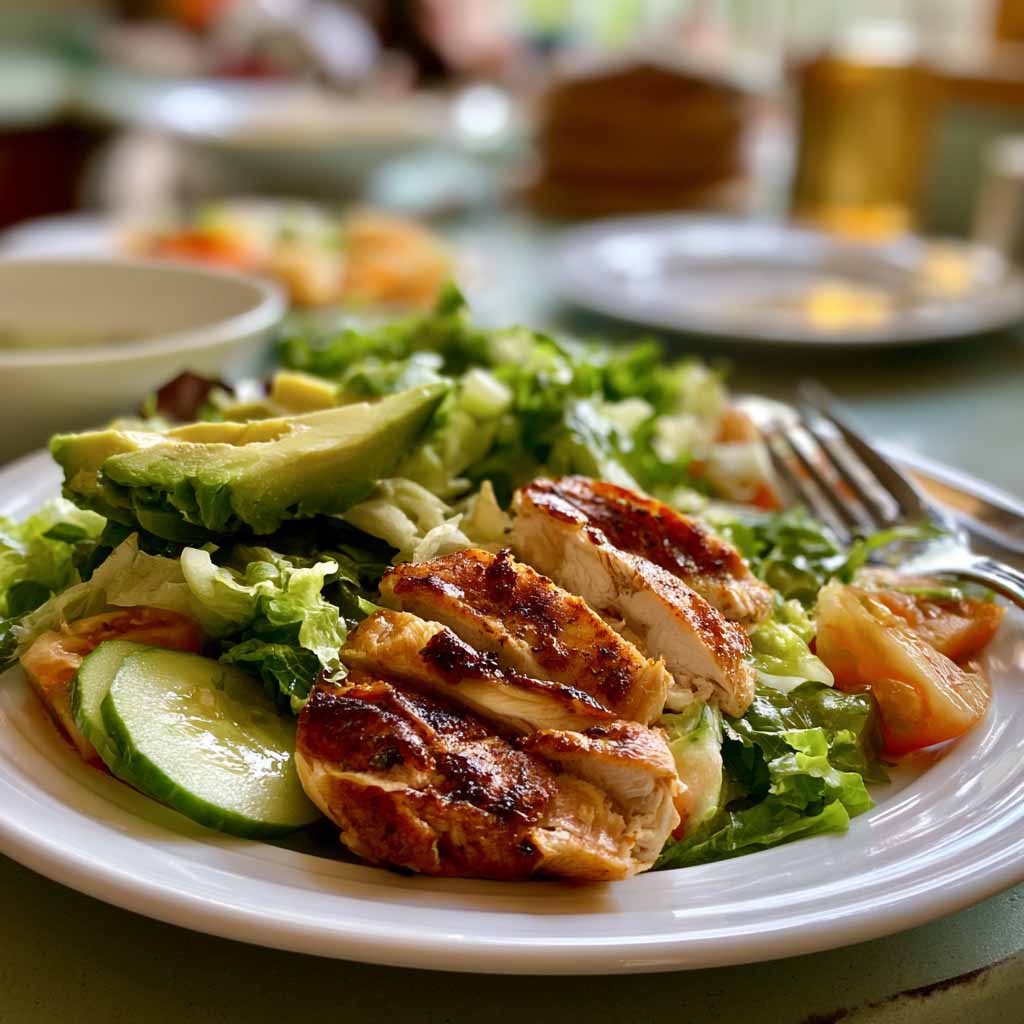
To make a more substantial appetizer or light meal, pair toasted ravioli with a simple green salad tossed in lemon vinaigrette or an Italian-style chopped salad with olives, tomatoes, and pepperoncini. This adds freshness and balances the fried bites.
For game day or parties, present toasted ravioli on a platter with assorted dipping sauces, allowing guests to mix and match their favorites. Adding a sprinkle of grated Parmesan and chopped fresh basil or parsley just before serving adds a lovely finishing touch.
Delicious Variations to Try
While the traditional toasted ravioli recipe calls for meat- or cheese-filled pockets, the dish is highly adaptable to suit different tastes and dietary preferences.
Cheese Lover’s Twist: Use four-cheese or ricotta-stuffed ravioli for a rich, creamy center. Pair with marinara or a basil pesto dip.
Vegetarian Options: Spinach and mushroom ravioli or butternut squash-filled ravioli offer flavorful alternatives that still crisp beautifully.
Spicy Kick: Add crushed red pepper flakes to your breadcrumb coating or serve with a spicy arrabbiata sauce to dial up the heat.
Seafood Ravioli: Lobster or crab-stuffed ravioli can add a decadent, luxurious touch for special occasions.
Gluten-Free: Substitute gluten-free ravioli and use gluten-free breadcrumbs to accommodate dietary restrictions without sacrificing texture.
Baked Toasted Ravioli: For a lighter version, bake breaded ravioli on a wire rack at 400°F (200°C) for 15–20 minutes until golden and crisp, flipping halfway through.
Experimenting with different fillings, coatings, and sauces allows you to tailor toasted ravioli to your taste buds and impress guests with your creativity.
Frequently Asked Questions (FAQs)
Q: Why is it called “toasted” ravioli if it’s fried?
A: The name “toasted ravioli” is a bit of a misnomer; the dish is actually deep-fried. The term likely originated as a catchy phrase, but the result is a crispy, golden bite that’s become iconic.
Q: Can I make toasted ravioli ahead of time?
A: You can prepare the breaded ravioli ahead and refrigerate them for a few hours before frying. However, it’s best to fry and serve them fresh for optimal crispiness. Leftover toasted ravioli can be reheated in the oven or air fryer to regain crunch.
Q: What oil is best for frying toasted ravioli?
A: Oils with high smoke points like vegetable, canola, or peanut oil work best. They maintain stable temperatures and don’t impart unwanted flavors.
Q: How do I prevent ravioli from bursting while frying?
A: Use ravioli with well-sealed edges and avoid overcrowding the fryer to maintain consistent oil temperature. Also, avoid overfilling your ravioli if making homemade.
Q: Can I bake toasted ravioli instead of frying?
A: Yes! Baking is a healthier alternative that yields a lighter crisp. Coat the ravioli as usual, place on a wire rack, and bake at 400°F (200°C) for 15–20 minutes, flipping halfway.
Q: What’s the best dipping sauce for toasted ravioli?
A: Marinara sauce is classic, but garlic aioli, spicy mayo, or pesto are delicious options. Choose based on your flavor preference.
Final Thoughts
Toasted ravioli is a nostalgic, crowd-pleasing appetizer with roots in Italian-American tradition. With simple ingredients and straightforward preparation, you can recreate this crispy, flavorful delight at home. Whether classic or customized, toasted ravioli offers irresistible crunch and savory satisfaction every time.
Toasted Ravioli

Toasted Ravioli are crispy, golden-fried pockets of pasta filled with savory meat or cheese. A beloved St. Louis appetizer, they’re perfect for game days, parties, or a tasty snack. Served with marinara or dipping sauces, they offer a satisfying crunch and rich flavor with every bite.
- Deep fryer or heavy-bottomed pot
- Cooking thermometer
- Three shallow bowls or plates (for breading station)
- Slotted spoon or spider strainer
- Wire rack and paper towels
- Tongs or fork
- Measuring Cups and Spoons
For the toasted ravioli:
- 24 ravioli (store-bought or homemade; meat or cheese filled)
- 1 cup all-purpose flour
- 2 large eggs, beaten
- 1 ½ cups Italian-seasoned breadcrumbs
- 1 teaspoon garlic powder (optional)
- ½ teaspoon dried Italian herbs (basil, oregano)
- Salt and black pepper to taste
- Vegetable oil, canola oil, or peanut oil (for frying)
For serving:
- Marinara sauce or preferred dipping sauces
- Fresh grated Parmesan and chopped parsley (optional garnish)
Prepare breading stations: Place flour in one shallow dish, beaten eggs in a second, and seasoned breadcrumbs mixed with garlic powder, Italian herbs, salt, and pepper in a third.
Bread the ravioli: Dredge each ravioli first in flour, shaking off excess. Dip into the eggs, then coat evenly with the breadcrumb mixture. Set aside on a plate.
Heat oil: Preheat oil in a deep fryer or heavy pot to 350–375°F (175–190°C). Use a thermometer for accuracy.
Fry ravioli: Working in small batches, fry breaded ravioli for 2–3 minutes, turning gently to brown all sides evenly. Avoid overcrowding.
Drain: Remove ravioli with a slotted spoon and place on a wire rack over paper towels to drain excess oil. Let rest for a few minutes.
Serve: Arrange on a platter, garnish with Parmesan and parsley if desired, and serve with warm marinara or dipping sauces.
Use ravioli with tightly sealed edges to prevent filling leakage during frying.
For a lighter version, bake breaded ravioli at 400°F (200°C) on a wire rack for 15–20 minutes, flipping halfway.
Season breadcrumbs well for extra flavor.
Avoid overcrowding the oil to maintain temperature and crispiness.
Leftovers reheat well in an oven or air fryer to restore crunch.




Be First to Comment