
Why Gordon Ramsay’s Molten Lava Cake Is a Showstopper
Few desserts manage to be both elegant and comforting, but Gordon Ramsay’s molten lava cake strikes that perfect balance effortlessly. This dessert is the ultimate crowd-pleaser: rich, decadent, and boasting a molten chocolate center that oozes out with every spoonful. Whether you’re looking to impress guests at a dinner party or simply indulge your chocolate cravings, this dessert promises a wow moment every time.
What makes Ramsay’s version stand out is its perfect blend of classic French technique and modern kitchen practicality. The recipe delivers a cake that’s beautifully baked on the outside while maintaining a soft, molten center that’s nothing short of magical. Plus, with his expert tips and foolproof methods, even home cooks can master this challenging dessert without stress.
From melting chocolate perfectly to the exact baking time, this guide will walk you through every step to ensure your molten lava cakes come out flawless. Get ready to create a dessert that’s luxurious, indulgent, and sure to become a favorite in your baking repertoire.
What is a Molten Lava Cake? Understanding the Dessert
Molten lava cake, also known as fondant au chocolat, is a relatively modern dessert, believed to have been popularized in the 1980s by renowned chefs like French chef Michel Bras and American chef Jean-Georges Vongerichten. It combines the elements of a rich chocolate cake with a gooey, flowing chocolate center—hence the name “lava.”
What sets molten lava cake apart is this dramatic contrast between a tender, cake-like exterior and a liquid, molten core that spills out when cut into. This unique texture makes it a beloved choice in fine dining restaurants and home kitchens alike.
Gordon Ramsay’s version is especially prized for its balance: the cake holds its shape beautifully without overcooking, and the center remains delectably molten without being too runny or underbaked. His attention to ingredient quality and precise technique gives the dessert a refined yet accessible quality that appeals to both professionals and amateurs.
Key Ingredients Breakdown — What You Need and Why
The magic of Gordon Ramsay’s molten lava cake lies in the simplicity and quality of its ingredients, each playing a crucial role:
Quality Chocolate:
High-quality chocolate with at least 60-70% cocoa content is essential. Ramsay often emphasizes using good couverture or dark chocolate, which imparts intense flavor and smooth texture. Avoid using chocolate chips or low-quality baking chocolate, as these contain additives that can affect melting and taste.
Butter:
Butter enriches the batter, adding creaminess and moisture that contribute to the cake’s tender crumb and glossy finish. Ramsay melts the butter with chocolate to create a silky base that combines richness and smoothness.
Eggs:
Eggs are critical for structure and the molten center’s custardy texture. Whole eggs and egg yolks are often used together to balance firmness with silkiness. The eggs also help aerate the batter when whipped with sugar, ensuring the cake isn’t dense.
Sugar:
Sugar sweetens the cake and helps with the structure by stabilizing the whipped eggs. It also enhances the chocolate’s natural bitterness, creating a balanced flavor profile.
Flour:
Just a small amount of all-purpose flour is added to give the cake body without weighing it down. The flour helps hold the batter together while keeping the molten center intact.
Optional Flavor Enhancers:
Vanilla extract adds warmth and depth, while espresso powder intensifies the chocolate flavor without adding overt coffee taste. A pinch of salt rounds out the sweetness and enhances overall flavor.
Tools Needed:
Ramekins: Individual ceramic or glass molds for baking perfect single servings.
Double Boiler or Microwave: For gentle melting of chocolate and butter without burning.
Whisk: For beating eggs and sugar to lightness.
Oven Thermometer: Crucial for maintaining precise baking temperature, a common pitfall in molten lava cake preparation.
Preparing the Batter — Techniques for the Perfect Texture
Mastering the batter is key to achieving the ideal molten texture. Start by gently melting the chocolate and butter together—whether in a double boiler or carefully in short microwave bursts—to avoid overheating, which can cause graininess.
Next, whisk the eggs and sugar vigorously until pale and fluffy. This step is critical as it incorporates air, contributing to the cake’s lightness and structure. Use room temperature eggs for better emulsification.
When folding the melted chocolate mixture into the eggs, add it gradually and fold gently to retain air and avoid deflating the batter. Then, sift in the flour and any flavor enhancers, folding carefully to maintain a light texture. Avoid overmixing, which can lead to a dense cake or cause the molten center to disappear.
A helpful tip: work quickly but gently, and ensure all ingredients are at similar temperatures to prevent the chocolate from seizing or the batter from splitting.
Prepping Ramekins & Baking Setup
Properly prepping ramekins is essential for easy cake release. Grease them thoroughly with butter, then dust with cocoa powder rather than flour for a richer chocolate coating and no floury aftertaste. This also helps the cakes slip out cleanly without sticking.
Preheat your oven to the exact temperature recommended in the recipe, typically around 425°F (220°C). Use an oven thermometer to verify accuracy, as oven temperature fluctuations can ruin the delicate balance between the cooked exterior and molten center.
Position your oven rack in the middle to ensure even heat distribution. Avoid opening the oven door frequently during baking, as sudden temperature changes can affect the texture.
Baking the Molten Lava Cake — Achieving the Perfect Balance
Baking molten lava cake requires precise timing and temperature control to ensure the edges are fully set while the center remains delightfully gooey. Preheat your oven to about 425°F (220°C), verified with an oven thermometer for accuracy.
Place the prepared ramekins on a baking tray and bake for roughly 12-14 minutes. Timing can vary slightly depending on your oven and ramekin size, so start checking at 11 minutes. The cake’s edges should appear firm and slightly puffed, while the center looks soft and just set but not fully cooked.
Avoid overbaking; the center will solidify if left too long, losing the signature molten texture. Conversely, underbaking results in a runny, almost raw center that lacks structure. The ideal cake will hold its shape when unmolded but yield a warm, flowing chocolate core once cut.
For consistency, use an oven light rather than opening the door during baking, which causes temperature drops and uneven cooking.
Serving Suggestions — Elevate Your Presentation
Molten lava cake is a dramatic dessert that shines with simple accompaniments:
Dust with Powdered Sugar: A light dusting adds elegance and a subtle sweetness contrast.
Serve with Vanilla Ice Cream: The cold creaminess perfectly balances the hot, rich cake and molten center.
Fresh Berries: Strawberries, raspberries, or blueberries add a fresh, tart contrast and pop of color.
Whipped Cream or Crème Fraîche: For added richness and texture contrast.
Mint Leaves or Edible Flowers: A fresh garnish for visual appeal and a hint of brightness.
For special occasions, plate the lava cake with a drizzle of raspberry coulis or salted caramel sauce to add a gourmet touch. Present the cake straight from the ramekin or carefully inverted onto a plate to showcase the molten center.
Pair this dessert with a rich coffee, espresso, or a glass of dessert wine like port or a late-harvest Zinfandel to complement the chocolate’s depth.
Troubleshooting Common Issues
Even experienced bakers can run into challenges with molten lava cakes. Here are solutions to the most common problems:
Center Too Runny:
If the center doesn’t hold any shape and spills out like liquid, it’s likely underbaked. Try increasing the bake time by 1-2 minutes, but watch carefully to avoid overcooking. Make sure the oven is properly preheated and at the correct temperature.
Cake Too Dry or Overcooked:
Overbaking results in a fully cooked center and dry texture. Reduce the baking time and check frequently near the end. Using an oven thermometer can help prevent oven temperature discrepancies.
Cakes Sticking to Ramekins:
Ensure ramekins are well buttered and dusted with cocoa powder, not flour. Using silicone ramekins or spraying with non-stick spray also helps. Let cakes cool briefly before unmolding.
Grainy or Seized Chocolate:
Avoid overheating chocolate when melting. Use a double boiler or microwave in short bursts, stirring frequently. If chocolate seizes, try adding a small spoonful of warm butter or cream to smooth it out.
Dense or Heavy Texture:
This can happen if eggs and sugar aren’t whipped enough to incorporate air or if the batter is overmixed. Whisk eggs and sugar until light and fluffy, and fold in ingredients gently.
Expert Tips for Consistent Success
Use high-quality chocolate for best flavor and texture.
Always check your oven temperature with an oven thermometer.
Room temperature eggs and butter help create a smooth batter.
Don’t skip chilling ramekins if recommended—it helps with cake release.
Practice makes perfect: try a test ramekin to dial in baking time for your oven.
Serve molten lava cakes immediately after baking for best molten effect.
Experiment with flavor add-ins like orange zest or a splash of liqueur for variety.
Storage Tips
Storing Baked Cakes:
Molten lava cakes are best enjoyed fresh for that ooey-gooey center. However, if you have leftovers, store the baked cakes in an airtight container in the refrigerator for up to 2 days. Note that refrigeration will cause the molten center to firm up and lose its lava-like quality.
Freezing Batter:
For convenience, you can prepare the batter in advance and freeze it in ramekins, covered tightly with plastic wrap and foil. When ready to bake, thaw in the refrigerator overnight and bake as directed, adding a minute or two to the baking time if needed.
Reheating:
To reheat baked cakes, warm them gently in a 350°F (175°C) oven for about 5-7 minutes to restore some of the molten texture. Avoid microwaving as it tends to overcook and dry out the cake.
Frequently Asked Questions
Q: Can I prepare molten lava cakes ahead of time?
A: Yes! You can make the batter a day ahead or freeze it in ramekins. Bake fresh for best molten centers.
Q: What if my cakes don’t have a molten center?
A: The most common reason is overbaking. Try reducing bake time by a minute or two and use an oven thermometer to ensure accurate temperature.
Q: Can I use chocolate chips instead of a chocolate bar?
A: It’s best to use a good-quality chocolate bar with high cocoa content for smooth melting and rich flavor. Chips often have stabilizers that affect texture.
Q: How do I prevent cakes from sticking to ramekins?
A: Thoroughly butter and dust ramekins with cocoa powder (not flour) for easy release. Silicone ramekins can also help.
Q: Can I make this recipe dairy-free?
A: You can substitute butter with a dairy-free alternative and use dairy-free chocolate, but results may vary slightly in texture and flavor.
Gordon Ramsay’s Molten Lava Cake
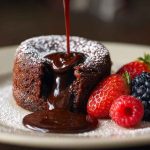
Gordon Ramsay’s Molten Lava Cake is a luxurious, show-stopping dessert featuring a tender chocolate cake exterior with a gooey, molten chocolate center. This classic French-inspired recipe combines quality dark chocolate, butter, and eggs to create a rich yet delicate texture. Perfect for impressing guests or indulging in a decadent treat, the recipe includes expert tips to ensure flawless results every time.
- Ramekins (4, 6-ounce)
- Double boiler or microwave-safe bowl
- Mixing bowls
- Whisk
- Oven thermometer (recommended)
- Baking tray
- Sifter or fine mesh sieve (for dusting)
- 6 oz (170g) high-quality dark chocolate (60-70% cocoa)
- 1/2 cup (115g) unsalted butter
- 3 large eggs
- 3 large egg yolks
- 1/2 cup (100g) granulated sugar
- 1/4 cup (30g) all-purpose flour
- 1 tsp vanilla extract (optional)
- 1 tbsp espresso powder (optional)
- Pinch of salt
- Butter and cocoa powder (for greasing ramekins)
Preheat oven to 425°F (220°C). Butter and dust ramekins with cocoa powder.
Melt chocolate and butter gently over a double boiler or in the microwave; stir until smooth.
Whisk eggs, egg yolks, sugar, vanilla, espresso powder, and salt until pale and fluffy.
Fold melted chocolate mixture into eggs gently. Sift in flour and fold until just combined.
Divide batter evenly among ramekins. Optional: chill batter for 10 minutes.
Bake for 12-14 minutes until edges are set and centers slightly jiggly.
Let cool 1-2 minutes before serving. Serve warm, optionally inverted onto plates.
Use high-quality chocolate for best flavor and texture.
An oven thermometer ensures accurate baking temperature.
Don’t overbake to maintain the molten center.
Butter and cocoa powder the ramekins to prevent sticking.
Serve immediately for best molten effect.
Optional espresso powder intensifies the chocolate flavor without a coffee taste.
Batter can be made ahead and chilled or frozen for convenience.


Be First to Comment