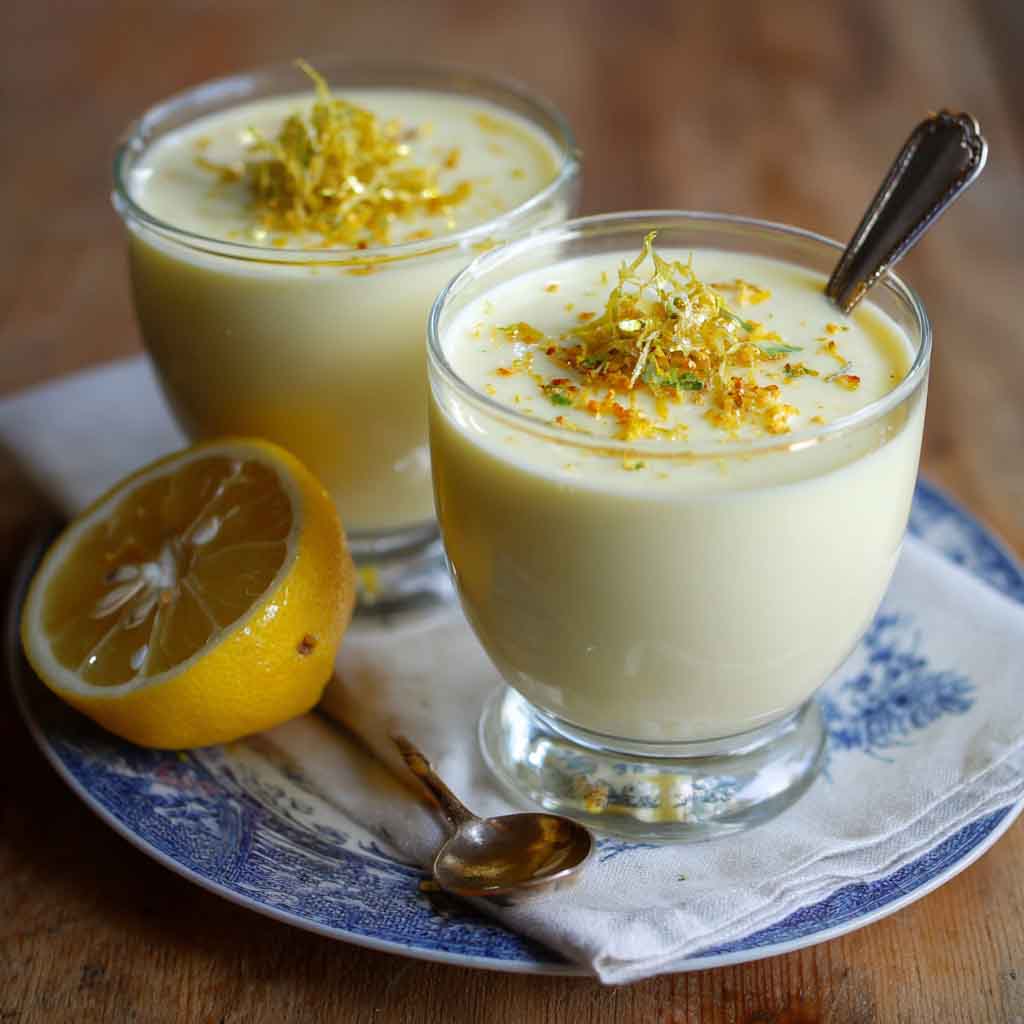
Why Lemon Posset Is the Dreamiest Dessert
Imagine a dessert so luscious, so silky, that it feels like a custard crossed with a cloud—and it only takes three simple ingredients. No eggs. No gelatin. No baking. Just heavy cream, sugar, and fresh lemon juice. That’s the magic of Lemon Posset.
This classic British treat has been making a quiet comeback—and for good reason. Despite its simplicity, the transformation that happens in the saucepan is downright alchemical. When you combine cream and sugar, then introduce bright, acidic lemon juice, the mixture thickens beautifully as it chills. The result? A spoonable dessert that sets like a dream without a trace of starch or gelling agents.
Whether you’re hosting a fancy dinner party or craving a refreshing make-ahead treat, lemon posset delivers every time. In this guide, you’ll learn how to make a foolproof lemon posset, explore optional flavor twists (like thyme or lavender), and discover the best ways to serve it—from chilled ramekins to tart shells and beyond.
Get ready to impress with the easiest elegant dessert you’ve ever made.
What Is Lemon Posset? A British Classic Explained
Lemon Posset has roots in 16th-century England, where it began as a warm, milky drink flavored with ale, spices, and honey. It was used as a remedy for colds and sleeplessness—more medicine than dessert. Over time, however, it evolved from drink to creamy pudding-like dessert, especially popular in Britain’s culinary circles.
Today’s posset is a chilled, velvety custard-like dessert that relies entirely on the chemical magic of citrus and dairy. The key transformation happens when lemon juice curdles the cream, thickening it naturally.
How is it different from other custards? Unlike panna cotta, there’s no gelatin. Unlike mousse, there’s no egg or whipping. And unlike lemon curd, it contains no butter or egg yolks. It’s a minimal, elegant dessert with maximum payoff.
The Science Behind the Set – How 3 Ingredients Work Together
So how exactly does Lemon Posset thicken into that signature silky set? It all comes down to the interaction of fat, acid, and heat.
1. Heavy Cream – The Fat
Cream contains a high level of milk fat—ideally 36% or more. This fat is crucial because it helps form the smooth texture and prevents the citrus from fully curdling the milk solids. Do not use light cream or milk, or the posset will separate and refuse to set.
2. Sugar – The Sweet Stabilizer
Sugar not only sweetens the mixture but helps balance the acidity of the lemon and contributes to the overall mouthfeel. It also helps prevent over-curdling when the lemon juice is introduced.
3. Lemon Juice – The Acidic Agent
Here’s the magic: When you add fresh lemon juice to the hot cream-and-sugar mixture, the acid causes the casein proteins in the cream to coagulate and thicken. The mixture is then poured into cups and left to chill and set.
Pro Tip: Use ultra-heavy cream (36–40% fat) for the best structure and richness.
Ingredient Breakdown – The Essentials
Despite its simplicity, the quality of your ingredients makes a big difference in lemon posset. Here’s what you need to know:
1. Heavy Cream
Use heavy cream or double cream with 36% or more fat. Light cream, half-and-half, or milk will not set correctly. The fat is what gives posset its rich texture and prevents separation.
2. Granulated Sugar
Classic white granulated sugar works best. It dissolves cleanly and balances the tartness of the lemon without altering the flavor. Avoid brown or powdered sugar, which can interfere with texture and clarity.
3. Fresh Lemon Juice
Use freshly squeezed lemon juice, never bottled. The enzymes and brightness in fresh juice make all the difference. Strain the juice to remove pulp and seeds before adding.
4. Lemon Zest
Zest enhances the lemon flavor and aroma. Use a microplane to avoid the bitter pith. Add it at the beginning to infuse the cream.
5. Optional Add-ins:
Vanilla extract – for a creamier depth
Herbs (thyme, basil, or lavender) – steep briefly in the cream for a fragrant twist
Citrus swaps – lime, orange, or grapefruit can be used, though acidity levels may vary
Tools You’ll Need
One of the joys of lemon posset is its minimal equipment. You probably already have everything on hand:
Medium saucepan – for heating cream and sugar
Microplane or zester – for finely grating lemon zest
Whisk or silicone spatula – for stirring the mixture evenly
Measuring cups/spoons – for accuracy
Fine mesh strainer – optional, for a silky smooth texture
Serving vessels – like ramekins, espresso cups, glasses, or jars
No need for mixers, blenders, or fancy gadgets—this is as low-tech as dessert gets.
Tips for Choosing the Best Lemons
Because lemon is the star, picking the right fruit matters:
1. Go Organic if Possible
If you’re zesting, choose organic lemons to avoid pesticide residue on the peel.
2. Look for Weight and Gloss
Select lemons that are heavy for their size (a sign of juiciness) with a bright, glossy skin. Avoid wrinkled or overly firm ones.
3. Meyer vs. Eureka
Eureka lemons are standard supermarket lemons—bright, tart, and acidic.
Meyer lemons are milder and slightly sweeter, with floral notes. They work beautifully in posset, but you may want to reduce the sugar slightly.
4. Storing Extras
Store zest in the freezer in a small airtight container.
- Lemon juice can be frozen in ice cube trays and transferred to a zip-top bag for future recipes.
How to Make Lemon Posset – Step-by-Step
This foolproof method ensures a creamy, dreamy set every time. The key? Don’t rush the boil and be precise with your lemon juice.
Ingredients:
2 cups (480 ml) heavy cream (36–40% fat)
¾ cup (150 g) granulated sugar
5 tablespoons (75 ml) fresh lemon juice
1 tablespoon finely grated lemon zest
Step-by-Step Instructions:
Step 1 – Infuse the Cream
In a medium saucepan, combine the heavy cream, sugar, and lemon zest. Set over medium heat and bring to a gentle boil, stirring often. Let it bubble gently for 3–4 minutes, allowing the sugar to fully dissolve and the lemon zest to infuse.
Tip: Stir frequently to prevent scorching on the bottom of the pan.
Step 2 – Add Lemon Juice
Remove the pan from heat. Let it cool for 2–3 minutes, then stir in the fresh lemon juice. The mixture may look slightly thicker immediately—that’s the acid beginning to work.
Step 3 – Strain and Pour
Strain the mixture through a fine mesh sieve into a measuring cup or bowl to remove the zest (optional but recommended for a silky texture). Pour into ramekins, jars, or serving glasses.
Step 4 – Chill Until Set
Refrigerate uncovered until cool, then cover with plastic wrap. Chill for at least 4 hours, preferably overnight. The posset should be firm enough to hold a spoon mark but still smooth and creamy.
Flavor Variations & Infusions
Want to give your lemon posset a personal twist? Here are elegant and seasonal ways to vary the flavor without ruining the set:
Herbal Infusions
Lavender – Add ½ tsp dried culinary lavender to the cream while heating; strain before pouring.
Fresh thyme or basil – Steep sprigs during the boil, then remove.
Citrus Swaps
Lime Posset – Bright and tangy; use key limes for extra punch.
Orange Posset – Use blood oranges for color; reduce sugar slightly due to natural sweetness.
Grapefruit Posset – Refreshingly bitter-sweet, but increase the lemon slightly for better thickening.
Flavored Sweeteners
Try honey or maple syrup in place of part of the sugar for depth, though the set may be softer.
Serving Ideas & Garnishes
Lemon posset is incredibly versatile when it comes to serving:
Simple Presentation
Serve in small glasses, ramekins, or espresso cups for individual portions.
Garnish Options:
Fresh berries (raspberries, blueberries, blackberries)
Lemon zest curls
A sprig of mint or thyme
Edible flowers for a touch of elegance
A drizzle of berry coulis or citrus syrup
Make It Fancy:
Fill tart shells with lemon posset for an effortless no-bake dessert
Layer with crushed shortbread or graham crackers for a parfait-style treat
Storage & Make-Ahead Tips
Lemon posset is perfect for preparing ahead:
Refrigerate for up to 3 days, tightly covered.
Do not freeze—it may split or become grainy.
Cover glasses tightly with plastic wrap or a reusable lid to prevent fridge odors.
Garnish just before serving to keep everything fresh and vibrant.
Batch Tip: Double the recipe to fill 8–10 small ramekins for a dinner party.
FAQs About Lemon Posset
Can I use milk or light cream instead of heavy cream?
No. Milk or light cream doesn’t have enough fat to set properly. You need at least 36% fat.
Why didn’t my posset set?
Common issues include:
Using low-fat cream
Not boiling the cream long enough
Using bottled lemon juice, which may lack acidity
Can I make it vegan?
Unfortunately, no. This dessert relies on the interaction between dairy fat and citrus. For a vegan version, consider coconut panna cotta or lemon tofu mousse.
Can I make it less sweet?
You can reduce sugar slightly, but don’t go below ½ cup, or the set may be compromised. Taste and adjust with zest or tart berries instead.
Does lemon posset contain raw ingredients?
Nope! Everything is heated, and there are no raw eggs—safe and simple.
Lemon Posset Recipe

Lemon Posset is a luxuriously creamy, tangy, and silky-smooth dessert made with just three simple ingredients: heavy cream, sugar, and lemon juice. No eggs, no gelatin, and no baking required—just a little stovetop magic and a few hours of chilling. This classic British treat sets beautifully into a spoonable custard with a bright citrus flavor and a melt-in-your-mouth texture. It’s the perfect make-ahead dessert for elegant dinners, summer gatherings, or anytime you crave something light yet indulgent.
- Medium saucepan
- Microplane/zester
- Whisk
- Fine mesh strainer (optional)
- 4 ramekins or dessert cups
- 2 cups (480 ml) heavy cream
- ¾ cup (150 g) granulated sugar
- 5 tbsp (75 ml) fresh lemon juice
- 1 tbsp lemon zest
Combine cream, sugar, and zest in saucepan. Bring to boil, stirring often. Boil gently for 3–4 minutes.
Remove from heat. Let cool slightly, then stir in lemon juice.
Strain into a pourable cup, then divide into ramekins or glasses.
Chill at least 4 hours or overnight until set.
Garnish and serve cold.
Use high-fat cream (36–40%) for the proper set. Avoid light cream or milk substitutes.
Fresh lemon juice is a must. Bottled lemon juice often lacks the acidity needed for the cream to thicken properly.
For the smoothest texture, strain the mixture before pouring into serving vessels.
Posset can be flavored with herbs like thyme or lavender, or swapped with other citrus juices like lime or orange (adjust sugar to taste).
Best made a day ahead to allow full chilling and setting.
Serve with fresh berries, a lemon cookie, or in mini tart shells for variety.






Be First to Comment