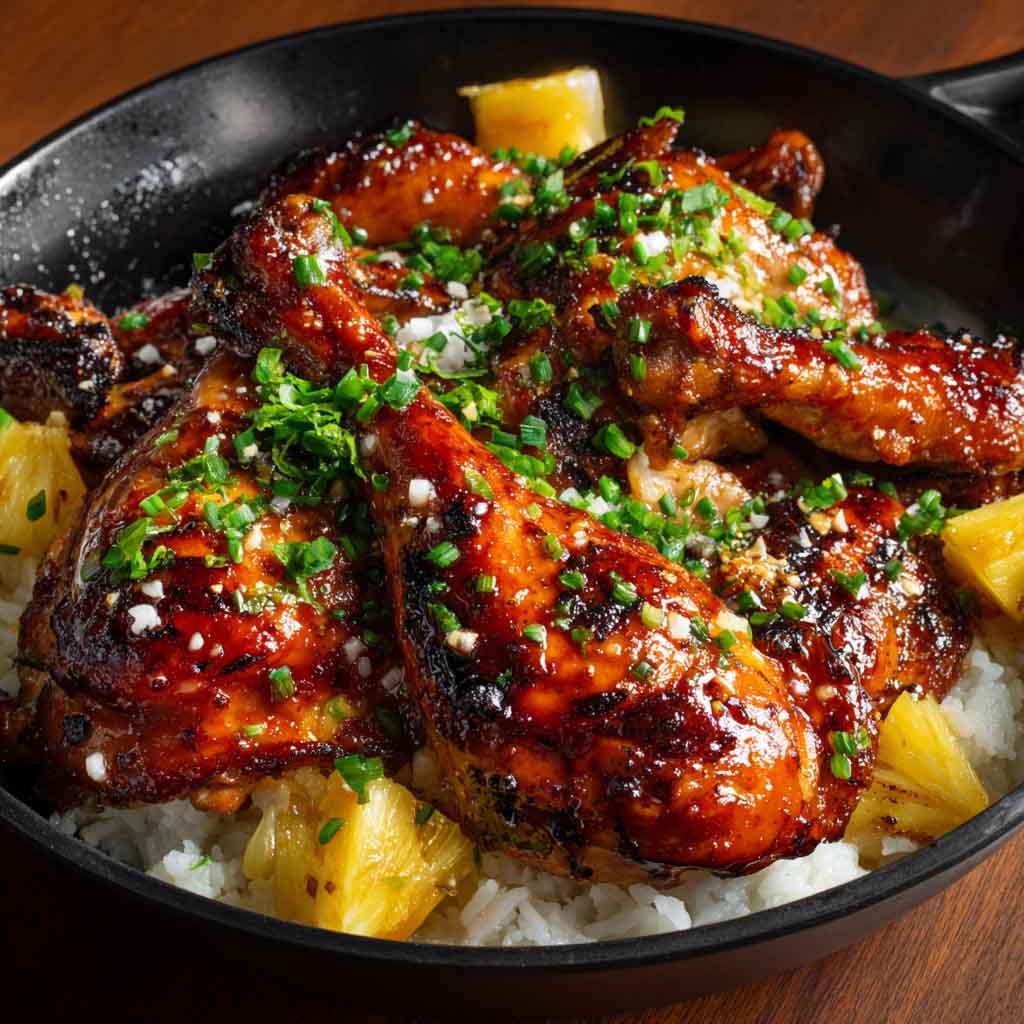
Huli Huli Chicken (Hawaiian Grilled Chicken)
Picture this: smoky-sweet chicken sizzling over hot coals, the caramelized glaze bubbling as it chars lightly against a backdrop of fragrant wood smoke. The aroma is unmistakable—pineapple, soy, brown sugar, and ginger—drifting through the air like an open invitation. This is Huli Huli Chicken, a Hawaiian backyard legend with bold flavor and deep island roots.
Grilled to juicy perfection and basted frequently with its signature sauce, Huli Huli Chicken captures the balance of savory and sweet, crisped edges and succulent meat. It’s more than just a dish—it’s an experience, born from community spirit and shared meals under palm trees and stars.
Originally popularized at local fundraisers and family gatherings across Hawaii, this dish remains a celebration of food, people, and place. The name “Huli Huli” means “turn, turn”—a nod to the method of rotating the chicken over open fire to achieve that perfect charred glaze.
This guide delivers easy, step-by-step instructions for recreating Huli Huli magic at home. Whether you’re cooking over a charcoal grill or stove-top pan, you’ll learn how to lock in that iconic smoky-sweet flavor. We’ll also include prep tips, ingredient swaps, and expert-level variations so every cook—from beginner to backyard pro—can master it.
Authentic Origins & Cultural Context
Huli Huli Chicken traces its flavorful roots to 1955, when Ernest Morgado and Mike Asagi served it at a community gathering in ʻEwa, Hawaii. Combining Morgado’s mother’s teriyaki-style marinade with a rotisserie-style grilling method, they created a dish that would soon become iconic across the islands (polynesia.com, WIRED).
The name “huli” means “turn” in Hawaiian, referencing the manual rotation of chicken over an open flame. At first, this was done between two grills that clamped the chicken in place—one flipped (“huli-ed”) the whole rig to cook both sides.
What started as a local hit soon became a fundraising favorite, especially at charity events, school fairs, and church functions, where the smell alone could draw a crowd (WIRED, She’s Almost Always Hungry). Over time, Huli Huli Chicken became a beloved part of Hawaiian culinary identity—simple, generous, and tied to community.
In 1986, Morgado trademarked the name, and bottled sauce hit the market, expanding its reach beyond Hawaii while still honoring its origin.
What Defines Huli Huli? Sauce + Technique
The soul of Huli Huli Chicken lies in its marinade—a sweet-savory blend that captures Hawaii’s multicultural palate. At its core is pineapple juice, bringing fruitiness and tenderizing power. It’s mixed with soy sauce, brown sugar, ketchup, fresh ginger, and garlic, resulting in a glossy, flavor-packed sauce that both marinates and bastes (Allrecipes, Wikipedia).
Authenticity isn’t just about ingredients—it’s in the technique. True Huli Huli is grilled over mesquite or kiawe wood, Hawaiian hardwoods that infuse the chicken with subtle smoky depth. As it cooks, the chicken is turned (“huli-ed”) frequently and basted repeatedly, building up layers of caramelized glaze and crisped skin (Cooking For My Soul, She’s Almost Always Hungry).
It’s this combination of frequent turning, open-flame grilling, and layered basting that gives Huli Huli Chicken its unmistakable taste and texture—sticky, smoky, and tender.
Though you can now find bottled Huli Huli sauce in stores (a legacy of Morgado’s 1986 trademark), homemade remains king for freshness and flexibility. You can tweak sweetness, add spice, or incorporate modern riffs like sriracha, sesame oil, or Worcestershire, all while staying true to the dish’s island DNA.
Ingredients & Preparation Tips
Best Chicken Cuts:
Huli Huli Chicken is all about juiciness and flavor, which makes bone-in, skin-on thighs or leg quarters ideal. They hold up to longer grilling, soak up more marinade, and offer that satisfying char and crackle (jdeq.typepad.com).
Marinade Must-Haves:
Canned pineapple juice (avoid fresh—it contains enzymes that over-tenderize if marinated too long)
Soy sauce
Brown sugar
Ketchup (adds body and sweetness)
Garlic + ginger (fresh is best)
For extra depth, consider adding sherry, rice vinegar, sesame oil, or Worcestershire sauce—these popular variations show up in home recipes across the islands and bring a more complex umami note (Allrecipes, Homemade Home).
Pro Tips:
Marinate for 4–12 hours, no longer than 24 (especially with pineapple).
Pat chicken dry before grilling to avoid steaming.
Reserve marinade separately for basting (don’t reuse raw marinade).
Pair it with rice, Hawaiian mac salad, or grilled pineapple slices for a full aloha plate.
Equipment You’ll Need
To grill Huli Huli Chicken like a pro, here’s what you need:
Grill or smoker (charcoal preferred; gas works too)
Wood chips or chunks (mesquite or kiawe for authenticity)
Tongs for turning (aka “huli-ing”)
Basting brush or mop tool for saucing frequently
Large bowl or zip-top bag for marinating
Optional: meat thermometer for perfect internal temp (165°F)
Pro tip: Soak wood chips for 30 minutes before grilling to prevent flare-ups and create fragrant smoke. The right tools + technique = authentic backyard Huli Huli flavor.
Step-by-Step Cooking Guide
Step 1: (Optional) Brine the Chicken
For extra juiciness, brine your chicken in a mix of water, salt, and a little sugar for 2–4 hours before marinating. This helps lock in moisture during grilling.
Step 2: Marinate Thoroughly
In a large bowl or zip-top bag, combine the Huli Huli marinade ingredients (pineapple juice, soy sauce, brown sugar, ketchup, garlic, ginger). Add chicken and marinate for at least 4–6 hours or overnight.
Important: Set aside a portion of marinade separately for basting. Do not reuse raw marinade without boiling it first (Simply Recipes, WIRED, The Recipe Critic).
Step 3: Prepare Your Grill
Preheat your grill to medium heat (350–375°F). If using charcoal, place soaked wood chips (mesquite or kiawe preferred) on the coals for authentic island smoke. Clean and oil your grill grates before placing the chicken.
Step 4: Grill the Chicken with “Huli” Technique
Place the chicken skin-side down first. Grill over indirect or moderate heat, turning every 5–10 minutes to prevent burning and to baste with reserved sauce.
Continue flipping (“huli-ing”) and basting until chicken reaches an internal temperature of 165°F (Grillin With Dad, The Recipe Critic). This takes 35–45 minutes, depending on cut size.
Step 5: Rest, Garnish & Serve
Let chicken rest 5–10 minutes after grilling to retain juices. Then carve and garnish with sliced scallions, toasted sesame seeds, or even pineapple wedges for an extra island flourish.
Serving & Side Dish Ideas
Huli Huli Chicken pairs beautifully with tropical, comfort-food sides. Try it with:
Coconut rice or sticky white rice
Hawaiian mac salad (a creamy elbow macaroni classic)
Grilled pineapple slices for added sweetness
Mixed greens with a sesame or ginger-lime vinaigrette
Want a full luau-style spread? Serve alongside:
Poi (taro root mash)
Pickled vegetables
Aloha-style coleslaw with pineapple or mango slaw (Polynesia blog, Cooking For My Soul)
Garnish with fresh cilantro, scallions, or a drizzle of extra glaze for that final tropical touch.
Variations & Customizations
Boneless Chicken Swaps:
Use boneless thighs or chicken breasts for quicker grilling. Cook on medium-high for 4–6 minutes per side, depending on thickness (She’s Almost Always Hungry, Homemade Home).
Indoor Option:
No grill? Use your oven or broiler. Bake at 425°F, turning and basting every 10 minutes, until browned and cooked through (about 30–35 minutes). Broil the last few minutes for caramelized glaze (Allrecipes).
Health-Conscious Versions:
Use low-sodium soy sauce and reduce brown sugar
Air-fry at 375°F for ~25 minutes, flipping halfway
Skinless chicken or lean breast cuts for lower fat
Want more heat? Add chili flakes, sriracha, or even a splash of hot sauce to the marinade for a spicy kick.
Make-Ahead, Storage & Safety
Marinate Ahead:
Chicken can be marinated up to 48 hours, but avoid going longer—especially with pineapple juice—as it can cause mushy texture (Cooking For My Soul).
Storage:
Cooked Huli Huli Chicken stores well in an airtight container in the fridge for 3–4 days.
Reheat in the oven at 350°F or on the grill to restore its glaze and texture.
Food Safety Tips:
Never reuse marinade that touched raw meat unless you boil it first for 5 minutes.
Ensure internal temp reaches 165°F before serving.
Meal prep tip: Grill in batches and enjoy leftovers in wraps, rice bowls, or Hawaiian BBQ sandwiches.
Nutrition & Health Profile
Each serving of Huli Huli Chicken contains approximately 450–600 calories, depending on cut and skin.
Nutrition Breakdown:
High in protein (~30–40g per serving)
Moderate fat, especially with skin-on pieces
Contains natural sugars from brown sugar and pineapple juice
Health Benefits:
Chicken is a lean source of protein and B-vitamins
Ginger and garlic support digestion and immunity
Grilled preparation helps reduce added fats
Lighter Tips:
Use skinless chicken thighs or breasts
Substitute with low-sodium soy sauce
Cut sugar in half for a less sweet glaze
This dish fits into many balanced eating plans—especially when served with light sides like salad or grilled veggies.
Troubleshooting Common Issues
Burning Glaze?
Marinades with sugar burn quickly. Grill over indirect heat, and start basting only after first sear.
Dry Chicken?
Stick to bone-in, skin-on cuts, and don’t overcook. A meat thermometer helps avoid guessing.
Mushy Texture?
Fresh pineapple juice has enzymes that break down protein. Use canned juice and limit marinating to 24 hours.
Under-seasoned Chicken?
Score the skin slightly or pierce with a fork before marinating for better absorption. Also, baste regularly for bold flavor.
Not enough glaze?
Double your marinade and keep half for basting. Bring extra to a boil and use as a dipping sauce at the table.
FAQs (People Also Ask)
What does “Huli Huli” mean?
“Huli” means “turn” in Hawaiian. “Huli Huli” reflects the traditional method of rotating chicken over the grill to cook evenly and baste with glaze (Wikipedia, Grillin With Dad).
Can I use fresh pineapple juice?
Avoid using fresh pineapple juice for long marinades—it contains bromelain, an enzyme that breaks down meat proteins and can make the texture mushy (Cooking For My Soul).
Bone-in or boneless chicken?
Bone-in thighs or leg quarters offer the most flavor and stay juicy. Boneless options cook faster but are slightly drier unless carefully timed.
Can I make it indoors?
Yes! Use the oven or broiler at 425°F, turning and basting every 10 minutes. Broil briefly for a grilled finish.
How long should I marinate?
Marinate for 4–6 hours minimum, up to 24–48 hours max (depending on marinade acidity). Any longer can affect texture.
Can I bake instead of grill?
Definitely. Bake with regular turning and basting. Broiling in the final few minutes gives that essential caramelized finish.
Conclusion & Call to Action
Huli Huli Chicken is more than just a recipe—it’s a smoky-sweet slice of Hawaiian culinary history. With its irresistible marinade, simple grilling technique, and deep island roots, it’s a dish that brings people together, whether at a luau or your own backyard BBQ.
Now it’s your turn—fire up the grill and try your hand at this iconic recipe. Share your #HuliHuli moments on social media, show off your twists, or let us know your favorite sides!
Don’t forget to subscribe to our email list for more seasonal grilling recipes, tropical flavors, and modern island favorites.
Huli Huli Chicken (Hawaiian Grilled Chicken)
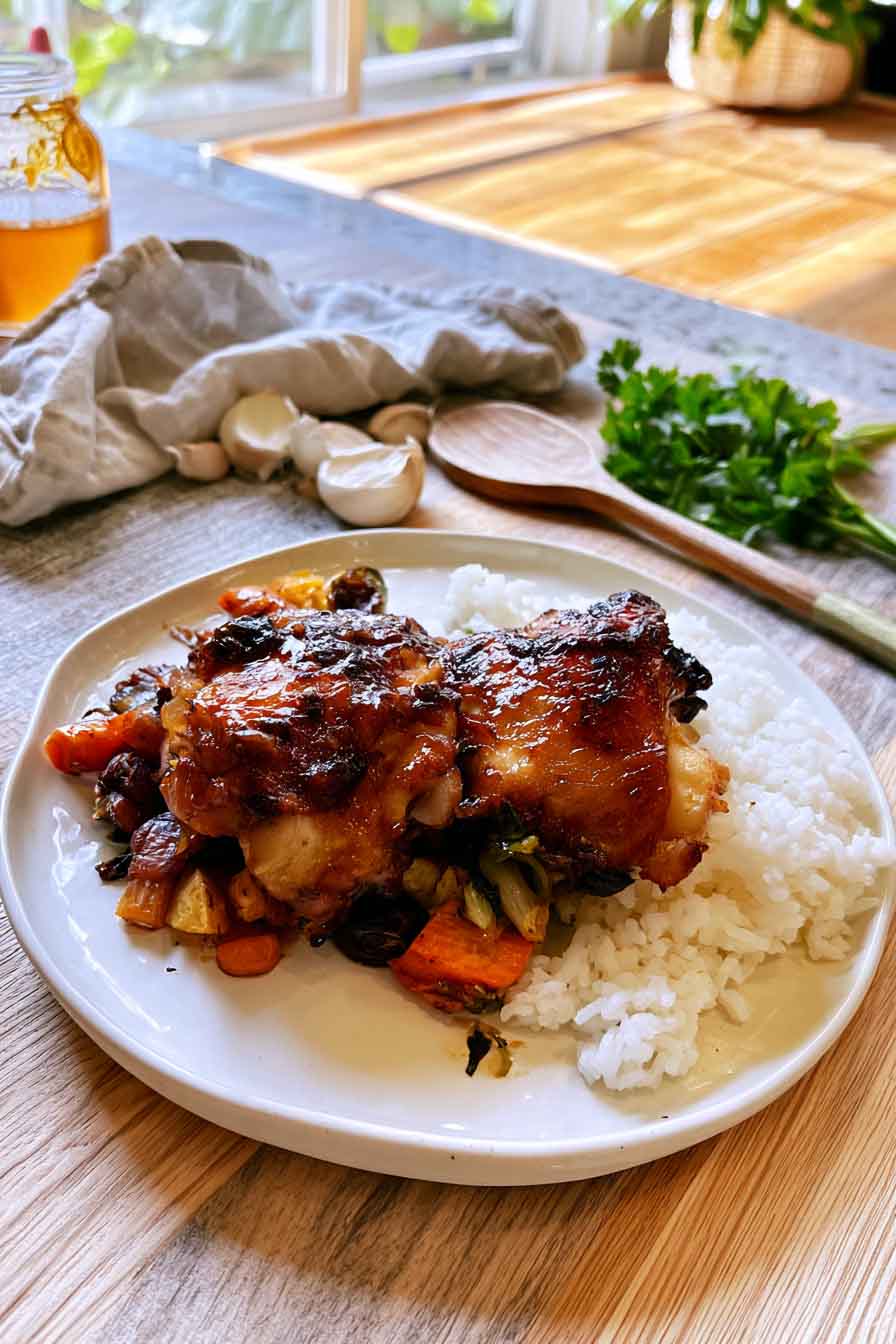
Juicy, smoky, and glazed with a sweet-savory pineapple-soy sauce, Huli Huli Chicken is a Hawaiian classic that brings backyard BBQ and island flavors together. Traditionally grilled over mesquite or kiawe wood and basted as it cooks, this dish delivers bold flavor with every “huli” (turn). Perfect for summer cookouts, weeknight dinners, or tropical-themed parties, this recipe includes marinade tips, indoor adaptations, and serving ideas for any level of cook.
- Grill (charcoal preferred) or oven/broiler
- Tongs
- Basting brush or mop
- Large bowl or zip-top bag (for marinating)
- Meat thermometer
- Optional: wood chips (mesquite or kiawe), aluminum foil
Chicken
- 4–6 bone-in, skin-on chicken thighs or leg quarters (or boneless if preferred)
Huli Huli Marinade
- 1 cup canned pineapple juice
- ½ cup soy sauce (low-sodium recommended)
- ½ cup brown sugar
- ⅓ cup ketchup
- 2 tbsp rice vinegar or apple cider vinegar
- 1 tbsp sesame oil
- 2 tsp grated fresh ginger
- 2 cloves garlic, minced
- Optional: 1 tbsp Worcestershire sauce or dry sherry
- Optional: 1 tsp chili flakes or sriracha (for heat)
(Optional) Brine Chicken:
For maximum juiciness, brine chicken in water + salt + sugar for 2–4 hours, then pat dry.
Marinate:
Mix marinade ingredients. Pour over chicken in a bowl or bag. Marinate 4–6 hours or overnight. Reserve 1 cup marinade (not used with raw chicken) for basting.
Preheat Grill:
Set grill to medium heat (350–375°F). Soak wood chips and place over coals if using. Clean and oil grates.
Grill Chicken:
Place chicken skin-side down. Grill 35–45 minutes, flipping every 5–10 minutes and basting frequently. Use indirect heat to avoid burning. Internal temp should reach 165°F.
Rest & Serve:
Let chicken rest 5–10 minutes. Garnish with green onions, sesame seeds, or pineapple wedges.
Avoid fresh pineapple juice for long marinades—it can break down meat texture. Use canned.
To cook indoors, bake at 425°F for 35 minutes, basting and flipping halfway. Broil last 2–3 minutes for char.
Store leftovers in fridge for 3–4 days. Reheat in oven or grill to restore glaze.
Boil any leftover marinade used for raw chicken before using it again.
Great with coconut rice, mac salad, grilled pineapple, or aloha slaw.


Be First to Comment