
 Laura Mariano
Why Honey Mustard Potatoes Are the Sweet & Savory Star of the Table
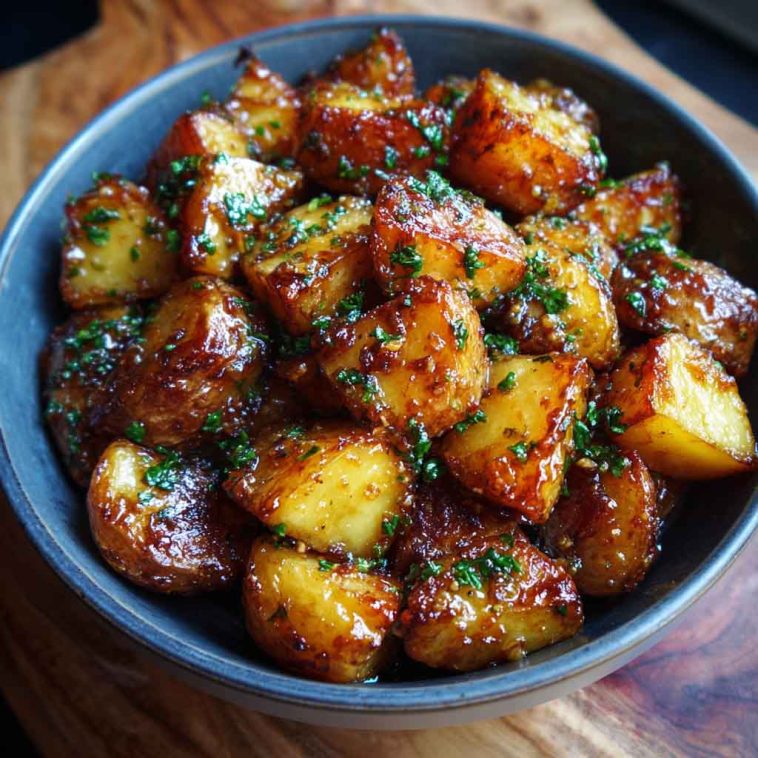
Imagine golden, crispy roasted potatoes coated in a luscious honey mustard glaze—sweet, tangy, and perfectly savory. That’s the magic of Honey Mustard Potatoes. This simple yet sensational side dish checks every box: crispy texture, bold flavor, and crowd-pleasing appeal. It’s the kind of recipe that uses pantry staples but tastes gourmet, thanks to the balanced punch of the honey mustard coating.
Whether you’re planning a cozy weeknight dinner, a summer BBQ, or a festive holiday spread, these potatoes fit right in. They complement everything from grilled chicken to glazed ham and make even basic greens pop with contrast. You’ll only need a few ingredients and minimal prep, but the result is maximum flavor.
This guide walks you through the keys to perfecting the dish—from choosing the right potato to building the best glaze. Once you try them, Honey Mustard Potatoes are sure to earn a regular spot on your menu.
What Makes Honey Mustard So Addictive?
Honey mustard is one of those flavor combinations that hits every craving at once: sweet, tangy, and savory. The sweetness of honey softens the sharp bite of mustard, while mustard’s acidity keeps the honey from being cloying. Together, they create a dynamic glaze that clings beautifully to potatoes and caramelizes in the oven.
This duo works especially well with potatoes because it balances their earthy starchiness with bright, punchy flavor. Scientifically speaking, the sugars in honey enhance browning through caramelization, while mustard’s acidity tenderizes and brightens.
Not all mustards are created equal. Dijon mustard is creamy and sharp—ideal for a rich glaze. Yellow mustard is milder and slightly vinegary, good for a kid-friendly twist. Grainy mustard adds visual texture and extra tang.
Pro tip: Blend your own honey mustard from scratch—just honey, mustard, oil, and a splash of lemon juice—for deeper flavor than any bottled version.
Choosing the Right Potato
Not every potato roasts the same. For honey mustard potatoes, you want varieties that hold their shape yet get crispy on the outside and fluffy within.
Best choices:
Yukon Gold – Buttery and golden, they roast up crisp with a creamy interior.
Baby red potatoes – Mild, tender, and perfect for roasting halved or quartered.
Fingerlings – Long and thin, they have thin skins and roast quickly.
Waxy vs. starchy:
Waxy potatoes like Yukon Gold and reds hold their shape and have smooth, moist interiors—perfect for roasting. Starchy varieties like Russets tend to fall apart or become mealy.
Skin-on or peeled?
Leave the skin on for added texture, nutrition, and color. Skins crisp beautifully and help the glaze cling better.
Cutting tips:
Cut potatoes into even-sized pieces, around ½–¾ inch thick, to ensure uniform cooking. Uneven cuts result in underdone centers or burnt edges.
Pro tip:
For next-level crispiness, parboil the potatoes for 5–6 minutes before roasting. Drain, let steam-dry, then toss with the glaze. This breaks down surface starches and helps achieve that golden, crackly exterior.
Ingredient Breakdown & Flavor Additions
Main components:
Potatoes – The hearty base of the dish
Honey – Brings natural sweetness and helps caramelize
Mustard – Adds tang and bite (Dijon or whole grain preferred)
Olive oil – Encourages even browning and rich flavor
Salt & pepper – Basic but essential for balance
Flavor upgrades:
Garlic – Minced or powdered, it adds savory depth
Smoked paprika – Infuses subtle heat and smokiness
Fresh herbs – Rosemary or thyme add earthiness and aroma
Lemon juice or zest – Brightens and lifts the sweetness
Vegan swaps:
Substitute agave syrup or maple syrup for honey, and keep Dijon mustard (most are vegan) for creaminess and tang.
Balancing sweetness:
Adjust honey and mustard ratios to your taste. Start with a 1:1 ratio and tweak—add more mustard for tang, more honey for a sweeter glaze.
Store-bought vs. homemade dressing:
Bottled honey mustard can work, but homemade always wins. It’s fresher, more customizable, and free of added sugars or stabilizers. Just whisk together equal parts honey and mustard, olive oil, and lemon juice for a quick, flavor-packed glaze.
Tools & Equipment for Roasting Success
Sheet pan – A large, light-colored rimmed baking sheet promotes even roasting and prevents burning. Avoid dark pans, which may overbrown.
Parchment paper or silicone baking mat – Prevents sticking and makes cleanup a breeze.
Mixing bowl or sealable bag – For tossing the potatoes in the glaze evenly.
Tongs or spatula – Use to flip potatoes halfway for even browning.
Oven thermometer – Optional, but helpful to ensure accurate roasting temperature.
Serving tools – Warm serving bowl, slotted spoon for lifting from the glaze, and maybe a sprinkle of chopped herbs or mustard seeds for garnish.
Prepping Potatoes – The Golden Rules
Perfect honey mustard potatoes start with smart prep. First, wash your potatoes thoroughly—especially if keeping the skins on—to remove dirt and debris. Dry them completely with a clean towel. Moisture prevents browning and makes the glaze slide off.
Next, cut potatoes into uniform chunks, about ½ to ¾ inch thick. Even sizes mean even cooking.
Roasting Instructions – From Tossed to Golden and Glorious
Preheat your oven to 425°F (220°C) and place your empty baking sheet inside while the oven heats. A preheated pan ensures your potatoes start crisping as soon as they hit the surface.
Once your potatoes are washed, dried, cut, and coated in the honey mustard glaze, carefully spread them out in a single layer on the hot baking sheet. Avoid crowding—space between pieces allows for better caramelization and prevents steaming.
Roast the potatoes for 25–35 minutes, flipping them halfway through to brown both sides. The sugars in the honey will caramelize beautifully, creating a golden exterior with slightly charred edges and tender, creamy insides.
Keep an eye during the final 5 minutes—some ovens may brown faster than others due to the sugars. If you want extra crispiness, you can broil them for the last 1–2 minutes (watch closely to avoid burning!).
Once roasted, transfer to a serving dish immediately. Garnish with fresh parsley, a pinch of flaky salt, or even extra drizzle of mustard for flair.
Flavor Variations & Add-Ons
Once you’ve mastered the base recipe, there are endless ways to customize Honey Mustard Potatoes to match your mood or menu.
Savory & Spiced:
Add minced garlic, onion powder, or crushed red pepper flakes to the glaze for extra depth and a hint of heat. A touch of smoked paprika or chili powder creates a smoky-sweet finish.
Herby & Bright:
Stir in fresh rosemary, thyme, or parsley before roasting—or sprinkle on top afterward for color and flavor. A drizzle of lemon juice or zest adds a bright, tangy kick.
Sweet & Nutty:
Top roasted potatoes with chopped toasted walnuts or pecans and a drizzle of balsamic glaze for an elevated finish.
Vegan or Low-Sugar:
Swap honey for maple syrup or agave and use Dijon mustard for creaminess without eggs or dairy. Cut back on the sweetener and up the mustard for a more savory-forward version.
What to Serve With Honey Mustard Potatoes
Honey mustard potatoes are a dream side dish—sweet, savory, and crowd-pleasing. Pair them with:
Grilled meats: Chicken, pork chops, or sausages are a natural fit.
BBQ mains: Smoked ribs, brisket, or pulled pork get a sweet, tangy contrast.
Oven-baked salmon or shrimp: The mustard glaze complements buttery seafood.
Crisp salads: A green salad with vinaigrette or creamy coleslaw balances the richness.
Roasted veggies: Try them alongside broccoli, carrots, or Brussels sprouts for a hearty vegetarian plate.
For brunch, serve them next to eggs, bacon, or avocado toast.
When plating, serve in a warm bowl and sprinkle with fresh herbs (like parsley or dill) or toasted mustard seeds for flair.
These potatoes also make a delicious appetizer—serve them skewered or in mini bowls with toothpicks and a drizzle of extra glaze.
Storage, Reheating & Make-Ahead Tips
Storage:
Store leftover honey mustard potatoes in an airtight container in the fridge for up to 4 days. The glaze may thicken, but reheats well.
Reheating:
Reheat in a 375°F (190°C) oven or air fryer for 8–10 minutes until crispy again. Avoid microwaving if you want to preserve the texture—it softens the crust. If microwaving, add a splash of olive oil or mustard to refresh the glaze.
Freezing:
Not recommended. The glaze can separate, and the texture suffers after thawing.
Make-ahead:
You can marinate the potatoes in the honey mustard glaze up to a day ahead. Keep them refrigerated in a sealed bag or bowl. For best results, let them come to room temperature for 15–20 minutes before roasting.
Pro tip: Double the recipe—you’ll be glad you did. These are just as tasty as leftovers, and even better tucked into grain bowls, wraps, or breakfast hash the next day.
Expert Tips for Crispy, Flavor-Packed Potatoes
Use dry potatoes – Moisture is the enemy of crisp. Always pat your potatoes dry after rinsing.
Preheat the sheet pan – This ensures crispy bottoms from the moment the potatoes hit the pan.
Don’t overcrowd – Spread the potatoes in a single layer with space between for proper roasting.
Flip halfway – For even caramelization and golden edges, turn them mid-way through cooking.
Tweak the glaze – Prefer it tangier? Use more mustard. Want it sweeter? Add more honey or agave.
Roast at high heat – 425°F is ideal for browning without burning.
Finish with freshness – A sprinkle of herbs, lemon zest, or chili flakes adds brightness at the end.
Pro tip: Want ultra-crispy results? Toss parboiled potatoes with a pinch of baking soda before roasting—it helps roughen the surface for deeper browning.
FAQs – Your Top Honey Mustard Potato Questions Answered
Can I use sweet potatoes instead of regular potatoes?
Yes! Sweet potatoes are delicious with honey mustard, but they cook a bit faster and caramelize more—keep an eye on them to prevent burning.
Is Dijon mustard necessary?
Dijon offers creaminess and bite, but you can substitute yellow mustard for a milder flavor, or whole grain mustard for extra texture.
Can I use bottled honey mustard dressing?
You can, but the flavor will be less vibrant. Homemade honey mustard (honey + mustard + oil + lemon juice) is fresher and more customizable.
Do I need to peel the potatoes?
Nope! Leaving the skin on adds texture, nutrients, and helps the glaze cling better.
Why aren’t my potatoes crispy?
Possible reasons: overcrowded pan, wet potatoes, or low oven temp. Use a hot oven, dry potatoes, and a preheated pan for best results.
Is this dish vegan?
With a swap—yes. Use agave or maple syrup instead of honey, and ensure your mustard contains no dairy.
Can I air-fry these instead of roasting?
Yes! Air fry at 400°F for 15–20 minutes, shaking halfway, until crispy and golden.

Honey Mustard Roasted Potatoes
Equipment
- Rimmed baking sheet (light-colored preferred)
- Parchment paper or silicone mat
- Mixing bowls
- Measuring Cups and Spoons
- Knife and cutting board
- Spatula or tongs
- Oven thermometer (optional)
Ingredients
- 2 pounds baby potatoes (Yukon Gold, red, or fingerlings), halved or quartered
- 2 tbsp Dijon mustard (or yellow/grainy to preference)
- 2 tbsp honey (or agave/maple syrup for vegan)
- 2 tbsp olive oil
- 1 tsp salt
- ½ tsp freshly ground black pepper
- ½ tsp smoked paprika (optional)
- 2 cloves garlic, minced (optional)
- 1 tsp fresh thyme or rosemary, chopped (optional)
- 1 tsp lemon juice or zest (optional, for brightness)
- Chopped parsley, for garnish (optional)
Instructions
- Preheat oven to 425°F (220°C). Place an empty baking sheet inside the oven to preheat for crispier results.
- Wash and dry potatoes thoroughly. Cut into uniform ½–¾ inch pieces for even cooking.
- In a large mixing bowl, whisk together mustard, honey, olive oil, salt, pepper, and any optional ingredients (paprika, garlic, herbs, lemon).
- Toss potatoes in the honey mustard mixture until evenly coated. Let marinate for 15–30 minutes if time allows.
- Carefully remove the hot baking sheet from the oven and line it with parchment paper. Spread potatoes in a single layer, cut side down, without crowding.
- Roast for 20–25 minutes, then flip. Roast another 15–20 minutes, or until golden and crispy.
- Optional: Broil for 2–3 minutes for extra caramelization.
- Remove from oven, let cool for 5 minutes. Garnish with parsley or extra glaze if desired. Serve hot!
Notes
- Don’t overcrowd the baking sheet—space between potatoes helps crisp them up.
- Preheating the baking sheet is key to getting crisp edges from the bottom up.
- Prefer it tangier? Use more mustard. Want it sweeter? Increase the honey.
- Vegan version: Use agave syrup or maple syrup instead of honey.
- Store leftovers in an airtight container for up to 4 days. Reheat in the oven or air fryer to restore crispness.
- Make ahead: Toss potatoes in glaze and refrigerate for up to 24 hours before roasting.
- Delicious served with grilled chicken, roasted salmon, BBQ meats, or in breakfast bowls.