
 Laura Mariano

Why Tomato Salad Is a Summer Staple
There’s nothing quite like a ripe, sun-warmed tomato in the heart of summer—sweet, juicy, and bursting with flavor. When tomatoes are in season, they don’t need much to shine. That’s why tomato salad has become a beloved summer staple across cultures: it’s a celebration of freshness, simplicity, and seasonal eating.
Whether served as a light lunch, starter, or side dish for grilled meats and seafood, tomato salad delivers bold, refreshing flavor with minimal effort. It’s endlessly customizable, effortlessly elegant, and pairs well with a wide variety of ingredients—from herbs and cheeses to citrusy dressings and crusty bread.
In this article, we’ll dive into everything you need to know to create the perfect tomato salad. You’ll learn how to choose the best tomatoes, how to slice and layer for maximum impact, what to pair with them, and which styles from around the world you might want to try. Let’s build a better tomato salad—starting now.
What Is Tomato Salad?
Tomato salad is a dish that centers around fresh, raw tomatoes, complemented by ingredients like herbs, cheese, onions, olives, and dressings. Unlike garden or green salads, tomato salads often skip the leafy greens and let the tomatoes take center stage. The goal is to highlight their juicy, sweet-tart flavor and vibrant texture.
Though incredibly simple, tomato salads vary widely depending on regional influences:
Italian Caprese features sliced tomatoes, mozzarella, basil, and balsamic glaze.
Greek-style includes tomatoes, cucumbers, onions, olives, and feta with oregano and olive oil.
French versions may include vinaigrette, shallots, and Dijon for a tangy kick.
Mediterranean styles often use herbs, chickpeas, or grilled vegetables.
Most tomato salads are served uncooked, making them perfect for hot-weather meals. The magic lies in using perfectly ripe tomatoes and balancing acidity, richness, and texture. A drizzle of good olive oil or a bright vinaigrette is often all it takes to elevate this humble yet stunning dish.
Health Benefits of Tomatoes
Tomatoes are more than just delicious—they’re packed with nutrients that support overall health. One of their standout components is lycopene, a powerful antioxidant that gives tomatoes their red color. Studies link lycopene to reduced risk of heart disease, lower inflammation, and potential protection against certain cancers.
In addition to lycopene, tomatoes are rich in:
Vitamin C, which boosts immunity and supports collagen production
Potassium, essential for regulating blood pressure
Fiber, which promotes digestion and satiety
Tomatoes are also over 90% water, making them incredibly hydrating—perfect for hot summer days. And with fewer than 25 calories per medium tomato, they’re a smart, low-calorie choice for any meal.
Including raw tomatoes in salads ensures you get all the benefits of their nutrients and enzymes in their most bioavailable form.
For detailed nutritional data, visit the USDA’s Tomato Nutrition Database.
Choosing the Best Tomatoes for Salad
The heart of any great tomato salad lies in choosing the best tomatoes. Different varieties offer distinct textures and flavors, and the right mix can take your salad from basic to breathtaking.
Popular Tomato Types:
Heirloom tomatoes – Beautifully irregular with deep, complex flavor
Cherry tomatoes – Sweet and juicy; ideal for halving and tossing
Grape tomatoes – Firmer and meatier; less watery
Roma (plum) tomatoes – Meaty and less juicy; perfect for chopped salads
Beefsteak tomatoes – Large, bold, and very juicy; best for thick slices
Campari tomatoes – Small, round, and super sweet with low acidity
How to Pick Perfect Tomatoes:
Color: Look for vibrant, rich hues with no green patches (unless intentional in variety)
Aroma: Ripe tomatoes smell sweet and earthy, especially near the stem
Firmness: Gently squeeze—ripe tomatoes give slightly but aren’t mushy
Tomatoes appear on the EWG’s Dirty Dozen, so buying organic is a smart choice if available.
Pro Tip: Mix different types and colors—like red beefsteak, yellow heirlooms, and orange cherry tomatoes—for maximum visual appeal and layered flavor.
What Pairs Well with Tomatoes in Salad?
Tomatoes are wonderfully versatile and can be paired with a wide variety of ingredients that highlight their juicy sweetness and acidity.
Cheese Pairings:
Fresh mozzarella – Mild and creamy; classic with basil
Feta cheese – Salty and crumbly; adds a bold Mediterranean flair
Burrata – Decadent and soft; oozes into every bite
Goat cheese – Tangy and creamy; perfect with herbs and citrus
Herbs That Shine:
Basil – Tomato’s classic partner in crime
Mint – Fresh and bright, especially with citrusy dressings
Parsley – Earthy and clean
Thyme or oregano – Add depth and savory warmth
Crunchy Additions:
Red onion – Sharp bite that contrasts tomato’s sweetness
Cucumber – Refreshing and hydrating
Croutons – Adds texture and heartiness (think panzanella!)
Toasted pine nuts – Nutty crunch without overpowering
Extra Add-Ons:
Avocado – Creamy balance to acidic tomatoes
Olives or capers – Briny contrast that elevates flavor
Arugula – Peppery greens add a nice edge
Top Dressings:
Balsamic vinaigrette – Sweet and tangy; balances acidity
Lemon and olive oil – Bright and simple
Garlic herb vinaigrette – Adds savory complexity
Mix and match these elements to create your perfect flavor harmony.
Different Styles of Tomato Salad
Tomato salads are embraced by many global cuisines, each with its own distinctive twist. Here are a few classic and creative styles to explore:
Caprese-Style (Italian):
Layer thick slices of fresh tomato with mozzarella and basil, then drizzle with olive oil and a touch of balsamic glaze. A minimalist masterpiece.Greek-Inspired Salad:
Combine chopped tomatoes, cucumber, red onion, feta, and kalamata olives. Dress with olive oil, oregano, and a splash of lemon juice.Rustic Italian (Panzanella):
Mix juicy tomatoes with chunks of day-old bread, olive oil, vinegar, and fresh herbs. The bread soaks up all the goodness—delicious and hearty.Simple French Style:
Slice tomatoes and toss with a Dijon vinaigrette, shallots, and a pinch of herbs de Provence. Light, elegant, and deeply flavorful.
These foundational styles can be adapted with seasonal ingredients or dietary preferences, making tomato salad a delicious canvas for creativity.
How to Make Tomato Salad Step-by-Step
Crafting the perfect tomato salad is simple—but technique matters. Here’s how to get the most flavor and texture out of every bite:
Step 1: Gather Fresh, Ripe Ingredients
Start with ripe, seasonal tomatoes—the riper, the sweeter. Wash gently under cool water and pat dry.
Step 2: Slice or Chop Thoughtfully
Depending on the style, slice tomatoes into thick rounds (for Caprese), wedges (for rustic salads), or halves (for cherry/grape tomatoes). Use a serrated knife to avoid squashing soft tomatoes.
Step 3: Salt & Rest (Optional but Pro Tip)
Lightly salt the tomatoes and let them sit for 5–10 minutes. This draws out excess moisture and intensifies the flavor.
Step 4: Add Supporting Ingredients
Layer in your add-ons: onions, cucumbers, cheese, herbs, or avocado. Toss gently to avoid breaking delicate tomatoes.
Step 5: Dress Just Before Serving
Whisk together your vinaigrette or drizzle olive oil and balsamic over the salad. Always dress tomato salad right before serving to prevent sogginess.
Step 6: Chill (Optional)
While tomato salad is best at room temperature for flavor, a quick 10–15 minute chill can be refreshing on hot days.
Expert Tips for the Best Tomato Salad
Want to take your tomato salad from good to unforgettable? Use these pro-level tips:
Use multiple tomato varieties: Mixing cherry, heirloom, and Roma adds texture, flavor, and visual appeal.
Salt smartly: A light salting draws out moisture and sweetens tomatoes naturally—perfect for slicing styles.
Don’t overdress: Tomatoes are juicy on their own. Too much dressing can make things watery. Start light and adjust.
Add cheese last: Soft cheeses like feta or burrata can break apart. Crumble or dollop gently just before serving.
Use a serrated knife: This minimizes bruising and creates clean cuts, especially for overripe heirlooms.
Let flavors mingle briefly: Even 10 minutes of rest after dressing helps everything meld beautifully.
Pro Tip: For make-ahead prep, slice the tomatoes and store separately. Combine with dressing and extras only when you’re ready to serve for peak texture and freshness.
Creative Variations to Try
Tomato salad is endlessly adaptable. Here are some standout variations to spark creativity:
1. Mediterranean Chickpea Tomato Salad
Add chickpeas, cucumber, red onion, parsley, and a lemon-herb vinaigrette. Great as a filling lunch.
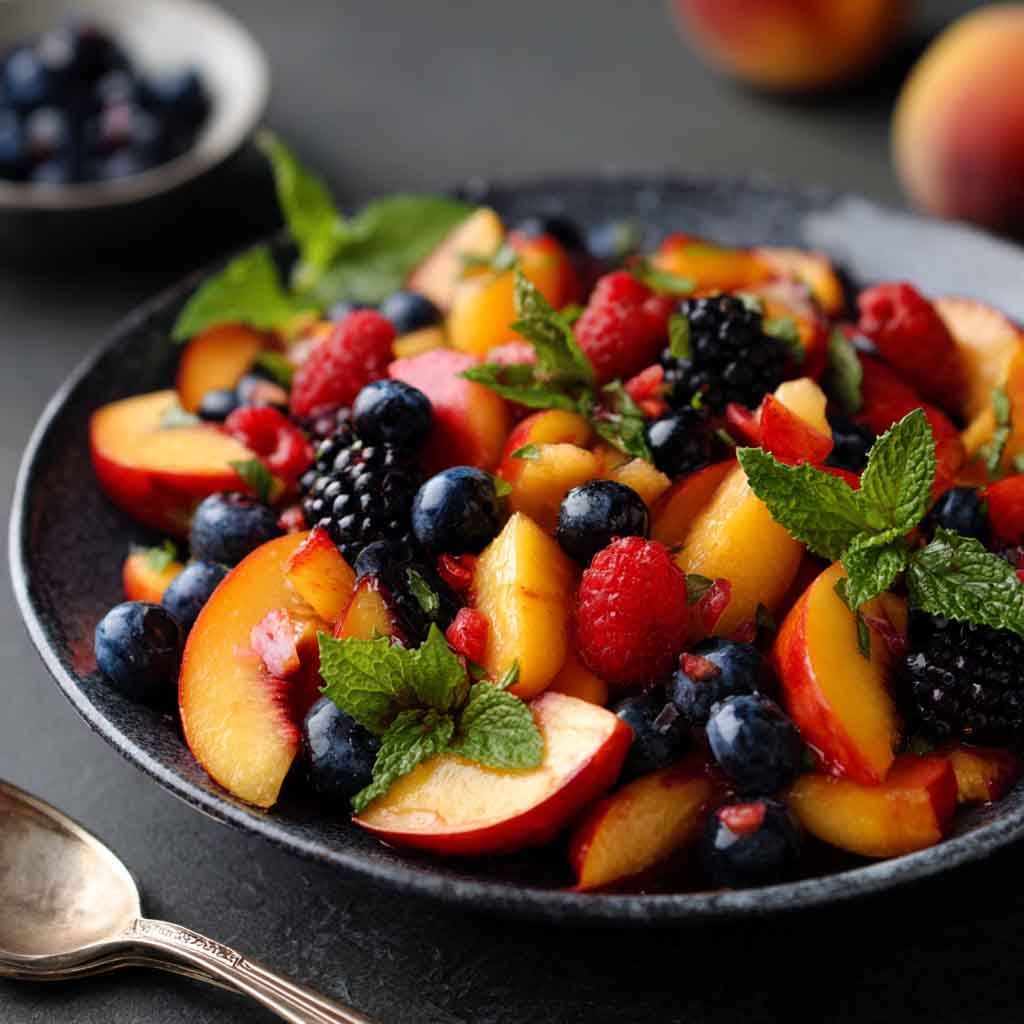
2. Tomato & Peach Caprese
Mix ripe tomatoes with peach slices, burrata, mint, and balsamic glaze. Sweet, creamy, and summery.
3. Tomato Avocado Salad
Pair tomatoes with creamy avocado, lime juice, cilantro, and a hint of jalapeño for a Mexican-inspired twist.
4. Arugula-Tomato Parm Salad
Layer tomatoes with peppery arugula, shaved Parmesan, and garlic-lemon dressing. Fresh and zesty.
5. Grilled Panzanella
Toss grilled stale bread with heirloom tomatoes, capers, and vinaigrette. Let it rest so the bread soaks up the juices.
Tomato salad is like a blank canvas. Whether you want something rustic, elegant, sweet, or savory, you can tailor it to your taste, dietary needs, and seasonal produce.
Serving Ideas & Presentation Tips
Tomato salad can be as casual or elevated as you’d like. Here’s how to serve it beautifully:
Rustic Platter: Arrange thick slices or wedges on a large white platter with cheese, herbs, and drizzled dressing.
Layered Parfaits: Stack cherry tomato halves, basil, and mozzarella in small glasses for individual servings.
Board Style: Serve tomato salad as part of an antipasto board with olives, cured meats, and grilled bread.
In Bread Bowls or Endive Cups: For party bites, spoon tomato salad into small edible vessels.
Garnish Ideas:
Microgreens
Cracked pepper
Fresh herbs
Edible flowers (like nasturtiums or basil blossoms)
Serve with grilled meats, pasta, crusty bread, or as a refreshing counter to rich mains. Tomato salad is a visual and flavorful stunner on any summer table.
Storage & Make-Ahead Advice
Tomato salad is best enjoyed fresh, but it can be prepped in advance with care.
Make-Ahead Tip: Slice tomatoes and prepare dressing separately. Store in airtight containers in the fridge and combine only just before serving.
Storage: Leftover salad can be stored for up to 1 day, but may become watery. Drain excess liquid before refrigerating.
Avoid Freezing: Tomatoes lose texture when frozen and thawed.
For meal prep, store sliced tomatoes layered between paper towels in a sealed container to prevent sogginess.
FAQs – People Also Ask
Q1: What tomatoes are best for tomato salad?
Heirloom, cherry, grape, and Campari tomatoes are great. Mix types for variety in color, sweetness, and texture.
Q2: Should you refrigerate tomato salad?
Tomato salad is best served at room temperature, but you can chill briefly before serving. Leftovers should be refrigerated and eaten within 24 hours.
Q3: Can you refrigerate tomato salad?
Yes, you can refrigerate it if absolutely necessary, especially to keep it safe overnight. However, be aware that refrigeration dulls the flavor of tomatoes and can make their texture mealy. For the best taste and juiciness, serve tomato salad at room temperature—right after making it or after letting it sit for 10–15 minutes on the counter.
Q4: Can I use unripe or store-bought tomatoes?
You can, but the results won’t be as vibrant or flavorful. If using underripe or store-bought tomatoes, let them ripen on the counter for a few days until they soften slightly and develop a sweet aroma. Avoid refrigerating store-bought tomatoes before they’re fully ripe—it stops the ripening process and compromises flavor. When possible, opt for in-season or local tomatoes for the best results.