

 Laura Mariano
Why Jamie Oliver’s Caesar Salad Dressing Stands Out
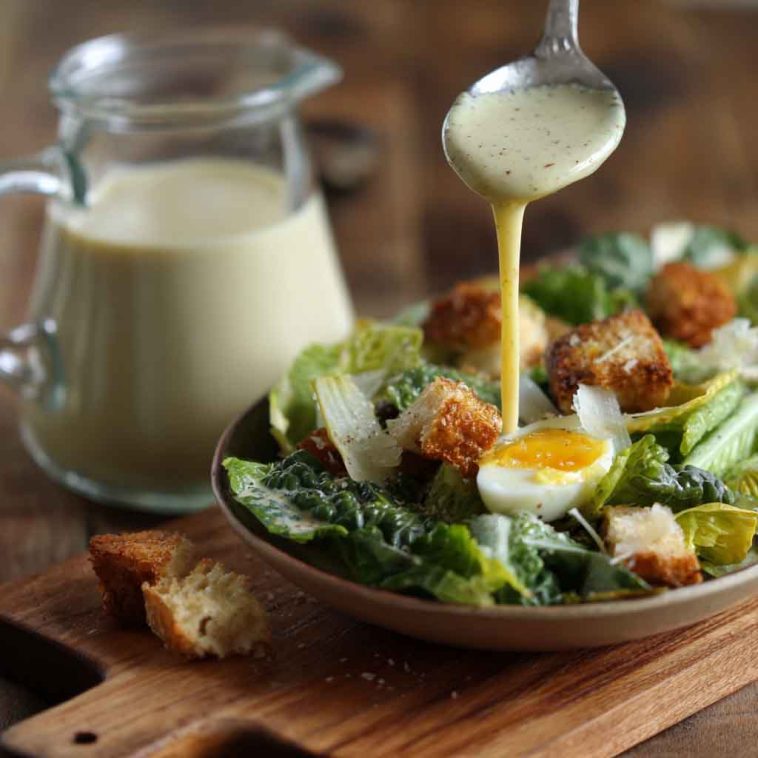
Caesar salad has remained a timeless favorite on menus and home tables worldwide, loved for its crisp greens, crunchy croutons, and that unmistakably tangy, creamy dressing. What makes Jamie Oliver’s Caesar dressing stand out is his insistence on freshness and simplicity, refusing to cut corners with bottled sauces or artificial ingredients. Unlike many store-bought versions that rely on preservatives and overpowering flavors, Jamie’s recipe celebrates the power of fresh garlic, quality olive oil, ripe lemons, and real Parmesan. This dressing isn’t just a salad topping—it’s a flavor enhancer that elevates any meal. Mastering this homemade dressing allows you to bring that authentic, restaurant-quality taste into your kitchen and gives you the confidence to customize and experiment beyond the salad bowl. It’s a simple recipe with transformative results, making any dish shine with vibrant, balanced flavor.
The History and Origin of Caesar Salad Dressing
The Caesar salad has an origin story almost as famous as the dish itself. Created in the 1920s by restaurateur Caesar Cardini in Tijuana, Mexico, the salad combined romaine lettuce, croutons, Parmesan cheese, and a signature creamy dressing. The original dressing was a bold concoction featuring raw egg yolks, anchovies, garlic, Worcestershire sauce, and lemon juice, which added a rich umami punch. Over time, the recipe evolved as chefs around the world put their spin on it, sometimes diluting the anchovy presence or adding mayonnaise for creaminess. Jamie Oliver’s interpretation respects the essence of the original while updating it for modern palates—emphasizing freshness, avoiding overly salty or fishy flavors, and making it accessible for home cooks. His version reflects a broader culinary trend of rethinking classic recipes with a lighter, more ingredient-focused approach that celebrates natural flavors.
Jamie Oliver’s Philosophy on Salad Dressings
Jamie Oliver’s culinary philosophy revolves around using fresh, simple ingredients to create food that tastes good and feels wholesome. When it comes to salad dressings, this means steering clear of preservatives, artificial thickeners, and overly processed elements. His Caesar dressing uses real garlic, freshly squeezed lemon juice, quality extra virgin olive oil, and fresh Parmesan cheese—ingredients that deliver natural brightness, creaminess, and depth. Rather than relying on heavy creams or store-bought mayo, Jamie often incorporates homemade mayonnaise or gently emulsifies egg yolk with oil to achieve the perfect silky texture. This approach balances the creamy and tangy components harmoniously without masking the fresh flavors. It’s a dressing designed to enhance the salad ingredients, not overpower them, embodying Jamie’s commitment to simple, honest cooking that anyone can master in their own kitchen.
Ingredients Breakdown: What Goes Into Jamie Oliver’s Caesar Dressing?
At the heart of Jamie Oliver’s Caesar dressing are a handful of key ingredients, each playing a vital role in flavor and texture:
Garlic: Provides aromatic pungency and depth. Fresh garlic is essential; avoid powders for authenticity.
Anchovies: Deliver umami richness and subtle saltiness without overpowering fishiness. High-quality anchovy fillets or paste are ideal.
Lemon Juice: Adds bright acidity that cuts through the richness, balancing the dressing. Freshly squeezed is a must.
Olive Oil: Extra virgin olive oil lends fruity, grassy notes and smooth texture. It emulsifies the dressing while adding richness.
Parmesan Cheese: Freshly grated Parmesan offers salty, nutty complexity and helps thicken the dressing slightly.
Egg Yolk or Mayonnaise: Acts as an emulsifier, binding oil and acid into a creamy, stable sauce. Homemade mayo or raw egg yolk works best, but store-bought mayo can be used for convenience.
Seasoning: Freshly cracked black pepper and a pinch of salt to taste.
Substitution Tips:
For those avoiding raw eggs or dairy, vegan mayonnaise or plant-based Parmesan alternatives can work, though the flavor and texture will vary slightly. Anchovy-free versions can use miso paste or capers to replicate umami. The key is balancing acidity, creaminess, and savoriness to keep the dressing lively and fresh.
Step-by-Step Guide to Making Jamie Oliver’s Caesar Salad Dressing
Prepare Garlic and Anchovies: Finely mince or crush 1–2 cloves of fresh garlic. Chop anchovy fillets into small pieces, then mash them into a paste using the back of a spoon or a mortar and pestle. This ensures they disperse evenly, lending subtle umami without large salty bites.
Emulsify Olive Oil with Acid: In a bowl, whisk together the anchovy-garlic paste, freshly squeezed lemon juice, and raw egg yolk or mayonnaise. Slowly drizzle in extra virgin olive oil while whisking vigorously to form a smooth, creamy emulsion. This process is key to achieving that silky texture that clings beautifully to greens.
Incorporate Parmesan and Seasoning: Stir in freshly grated Parmesan cheese and season with salt and cracked black pepper to taste. Adjust acidity with more lemon juice if needed.
Adjust Consistency: If the dressing is too thick, whisk in a teaspoon or two of water or olive oil until desired pourability is reached. If too thin, add a touch more Parmesan or mayonnaise.
Tips: Avoid overpowering garlic by starting with less and adding to taste. Fresh lemon juice is more vibrant than bottled. Ensure slow oil incorporation to prevent dressing from breaking.
How to Use Jamie Oliver’s Caesar Dressing Beyond Salad
Jamie Oliver’s Caesar dressing is incredibly versatile and can enhance many dishes beyond the classic romaine salad. Try using it as a marinade for grilled chicken or fish—its acidity tenderizes while infusing rich flavors. Drizzle it over roasted vegetables like asparagus, Brussels sprouts, or cauliflower to add a creamy, tangy contrast. It also makes a delicious dip for fresh vegetable sticks, crusty bread, or homemade garlic croutons. For a quick pasta or grain bowl, toss cooked noodles, quinoa, or farro with the dressing and some extra Parmesan for a satisfying meal with minimal effort. The dressing’s balanced creaminess and savory depth bring an instant flavor boost, transforming simple ingredients into something special.
Variations and Twists on Jamie Oliver’s Caesar Dressing
While Jamie Oliver’s classic Caesar dressing is a timeless favorite, there’s plenty of room to tailor it to your tastes and dietary needs. For a tangier, creamier version, try adding a dollop of plain yogurt or sour cream—these give a subtle brightness and extra silkiness without overpowering the original flavors. If you want to boost nutrition and richness, blending in ripe avocado lends a luscious creaminess plus heart-healthy fats.
For a touch of heat or smoky depth, experiment with a pinch of chili flakes, smoked paprika, or even a dash of cayenne pepper. This gives the dressing a unique kick that pairs beautifully with grilled or roasted vegetables.
Vegan adaptations are entirely possible: replace anchovies with nutritional yeast or capers for that savory umami, and swap egg yolks for aquafaba (the liquid from canned chickpeas) to create a stable emulsion. Use vegan mayonnaise or cashew cream for richness. These swaps keep the essence of Caesar but cater to plant-based diets.
The key with any variation is to maintain the balance between tangy acidity, savory umami, and creamy texture that makes this dressing so irresistible.
Pairing Jamie Oliver’s Caesar Salad Dressing with Other Salad Ingredients
Jamie Oliver’s Caesar dressing shines when paired with crisp, fresh salad ingredients that complement its rich, tangy profile. Romaine lettuce remains the classic base—its sturdy leaves hold the creamy dressing perfectly while adding refreshing crunch. For a more nutrient-dense option, kale or a mix of tender baby greens provide lovely texture contrasts and earthy undertones.
Crunch is essential: toss in homemade garlic croutons, toasted nuts like pine nuts or walnuts, or seeds such as pumpkin or sunflower to add bursts of texture and flavor.
For protein, grilled chicken breast, seared shrimp, or crispy tofu cubes work wonderfully, turning the salad into a complete meal. Finish with fresh herbs like parsley or chives for brightness and sprinkle extra freshly grated Parmesan to amplify the cheesy umami notes.
These thoughtful pairings elevate your salad from simple to spectacular, turning every bite into a delicious balance of flavors and textures.
Storing and Preparing Ahead: Keeping Your Dressing Fresh
Homemade Caesar dressing tastes best fresh but can be stored safely in the refrigerator for up to 3–4 days. Use a clean, airtight container—preferably glass or BPA-free plastic—to keep flavors bright and prevent contamination.
Since the dressing is an emulsion, it may separate during storage. Don’t worry—simply give it a good shake or whisk before using to recombine the ingredients. If the dressing thickens too much after refrigeration, whisk in a teaspoon of water or lemon juice to loosen it to your desired consistency.
Preparing the dressing a day ahead can actually enhance the flavor, as the ingredients meld together. Just be sure to stir well before serving.
Avoid freezing homemade Caesar dressing as this can break the emulsion and change the texture.
Troubleshooting Common Issues with Caesar Dressing
If your dressing tastes too tangy, try adding a small amount of sugar or extra Parmesan to balance acidity. Conversely, if it’s bland, add more anchovies or a pinch of salt to deepen the umami.
Raw garlic can sometimes leave a harsh, bitter note if used excessively or left to sit too long. To mellow it, crush the garlic and let it sit briefly before adding, or use roasted garlic for a sweeter flavor.
If the dressing becomes oily or watery, it likely means the emulsion has broken. Whisk vigorously while slowly adding a bit more egg yolk or mayonnaise to bring it back together.
Raw egg yolks raise safety concerns—ensure you use the freshest eggs possible from a trusted source. Alternatively, pasteurized eggs or mayonnaise can be used to avoid risks.
Frequently Asked Questions (FAQs)
Is Jamie Oliver’s Caesar dressing raw or cooked?
It’s raw, made with fresh, uncooked ingredients including raw egg yolks and anchovies.
Can I make the dressing vegan?
Yes! Replace anchovies with nutritional yeast or capers and use aquafaba or vegan mayonnaise instead of egg yolks.
What’s the best way to store Caesar dressing?
Keep it in an airtight container in the refrigerator for 3–4 days. Shake or whisk before use.
How do I substitute anchovies if I don’t like them?
Use capers, miso paste, or nutritional yeast to replicate the savory, umami flavor.
Can I make this dressing without raw egg?
Yes, use mayonnaise (homemade or store-bought) or pasteurized egg yolks as safer alternatives.
Is it safe to eat Caesar dressing with raw egg yolk?
If using fresh, properly handled eggs, it is generally safe. To reduce risk, use pasteurized eggs or mayo.
How long does homemade Caesar dressing last?
Stored properly, up to 3–4 days refrigerated.
Final Thoughts: Mastering Jamie Oliver’s Caesar Salad Dressing at Home
Making Jamie Oliver’s Caesar salad dressing at home is a rewarding way to bring fresh, vibrant flavor to your meals. By focusing on quality ingredients and simple techniques, you can create a dressing that’s far superior to store-bought versions—balanced, creamy, and packed with umami. Don’t be afraid to experiment with variations that suit your taste or dietary needs. With practice, you’ll develop a feel for the perfect balance of tang, richness, and savoriness. This dressing is more than a salad staple—it’s a versatile kitchen essential that can elevate countless dishes with its bold, fresh flavor.
Jamie Oliver’s Caesar Salad Dressing
Equipment
- Small mixing bowl or jar
- Whisk or fork
- Measuring spoons
- Microplane or grater (for Parmesan)
- Knife and chopping board (for garlic and anchovies)
Ingredients
- 2 cloves garlic, finely minced
- 4 anchovy fillets, finely chopped or mashed
- 2 tbsp freshly squeezed lemon juice
- 1 tsp Dijon mustard (optional, for emulsification)
- 1 large egg yolk or 3 tbsp mayonnaise (for creamy emulsification)
- ⅓ cup extra virgin olive oil
- ¼ cup freshly grated Parmesan cheese
- Freshly ground black pepper, to taste
- Salt, to taste (optional—anchovies and Parmesan add saltiness)
Instructions
- Prepare Garlic and Anchovies: Finely mince the garlic and mash the anchovies into a paste using the back of a spoon or knife.
- Combine Acid and Emulsifier: In a bowl, whisk together the lemon juice, egg yolk (or mayonnaise), and Dijon mustard if using.
- Add Garlic and Anchovies: Stir in the garlic and anchovy paste until evenly combined.
- lowly Add Olive Oil: While whisking continuously, slowly drizzle in the olive oil to create a smooth, creamy emulsion.
- Incorporate Parmesan: Stir in the freshly grated Parmesan cheese.
- Season: Add freshly ground black pepper to taste. Add salt only if necessary.
- Adjust: If the dressing is too thick, whisk in a teaspoon of water or more lemon juice to loosen it slightly.
- Serve: Use immediately or refrigerate in an airtight container for up to 4 days. Shake or whisk before using.
Notes
- Raw Egg Safety: If concerned about raw egg yolk, use pasteurized eggs or mayonnaise as a substitute.
- Anchovy Alternatives: For a milder or vegetarian version, substitute anchovies with capers, miso paste, or nutritional yeast.
- Storage: Keep refrigerated in a sealed container. The dressing may separate—whisk again before serving.
- Adjust Flavor: Add more lemon juice for tang, more Parmesan for umami, or extra garlic for pungency.
- Vegan Version: Replace egg yolk and Parmesan with vegan mayo and nutritional yeast. Use aquafaba for emulsification.