Why Creamy Cheese Pasta Is the Ultimate Comfort Food
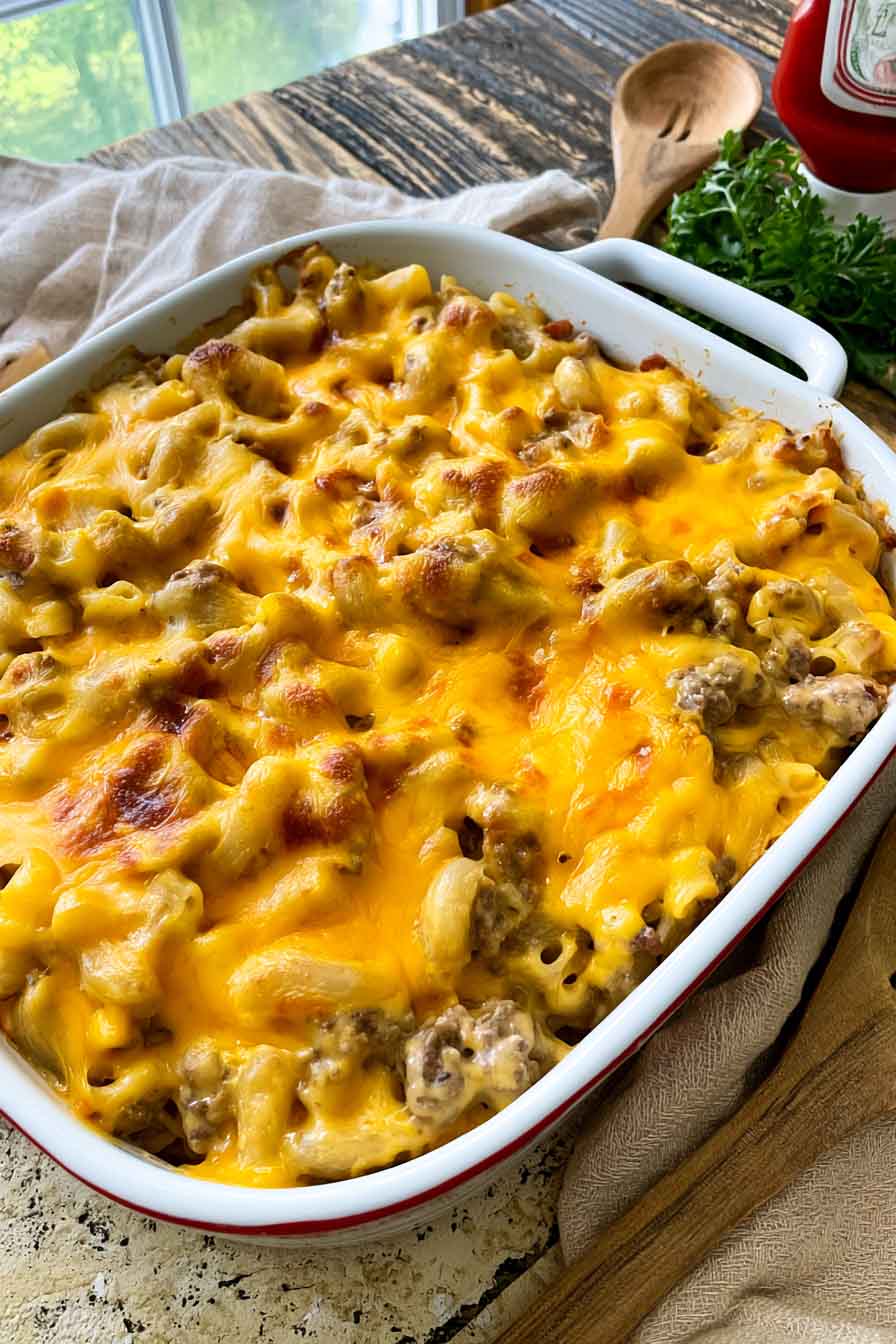
Creamy cheese pasta combines tender, perfectly cooked noodles with a rich, velvety cheese sauce that melts in your mouth—making it the ultimate comfort food. Whether you’re rushing through a weeknight or indulging on the weekend, this dish satisfies cravings and warms the soul. It’s a go-to recipe because it uses simple pantry staples but delivers big flavor. The creamy texture paired with the cheesiness creates an irresistible meal loved by kids and adults alike. Plus, its versatility means you can easily customize it with your favorite cheeses, herbs, and add-ins, turning a basic recipe into a family favorite that’s both quick and satisfying.
What Makes Creamy Cheese Pasta So Delicious?
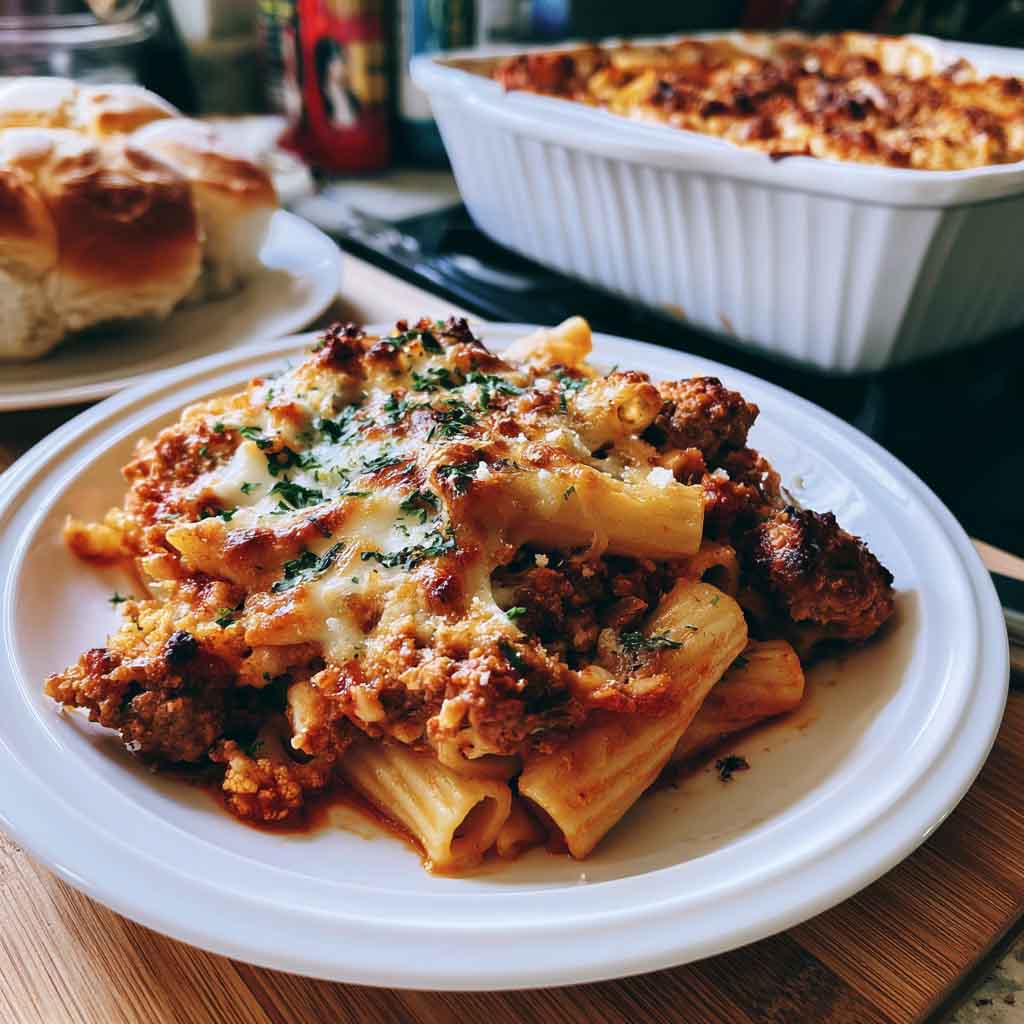
The magic lies in the perfect harmony between smooth, creamy sauce and al dente pasta. Cream or milk helps create a luscious, silky sauce base, while a blend of cheeses adds layers of flavor—from sharp and tangy to mild and melty. The pasta shape plays a crucial role, as ridged or tubular pastas like penne or rigatoni capture the sauce, making every bite flavorful. The gentle melting of cheese into the warm dairy prevents graininess and clumping, while seasoning with garlic, mustard, or pepper enhances depth. Together, these elements create a dish that’s rich but balanced and indulgent without being heavy.
Key Ingredients Breakdown
Cheese: Cheddar offers sharpness, Parmesan adds nutty complexity, mozzarella delivers gooey stretch, and cream cheese provides extra creaminess. Blending multiple cheeses enriches the flavor and texture profile.
Cream or Milk: Heavy cream yields the richest sauce, but whole or even 2% milk can work for a lighter texture. The fat content affects sauce thickness and mouthfeel.
Pasta: Short pasta like penne, rigatoni, or shells trap sauce well, while long pasta like fettuccine or linguine offers a different texture and eating experience. Cooking pasta al dente is key for proper bite and sauce absorption.
Butter & Flour: A classic roux made by melting butter and stirring in flour thickens the sauce smoothly and prevents separation. Alternative thickeners like cornstarch can be used but may alter texture.
Flavor Enhancers: Garlic (fresh or powder), onion powder, Dijon mustard, and freshly cracked black pepper elevate the sauce, giving it complexity without overpowering the cheese.
Equipment and Tools Needed
To prepare creamy cheese pasta, use a heavy-bottomed saucepan or skillet to prevent hot spots and burning. A large pot is needed for boiling pasta. A whisk is essential for smoothly blending the roux and dairy, while a wooden spoon helps stir cheese into the sauce without clumping. Measuring cups ensure accurate liquid and flour ratios. A fine grater or microplane is best for fresh cheeses, which melt better than pre-shredded varieties due to anti-caking agents.
Step-by-Step Cooking Instructions
Cook the pasta: Bring a large pot of salted water to a boil. Add pasta and cook until just al dente according to package instructions. Drain, reserving a cup of pasta water, and set aside.
Make the roux: In a saucepan, melt butter over medium heat. Whisk in flour and cook for 1–2 minutes to remove the raw taste, stirring constantly.
Add dairy: Slowly whisk in cream or milk, starting with a small amount to avoid lumps. Continue whisking until sauce thickens and becomes smooth.
Melt the cheese: Reduce heat to low and add shredded cheeses gradually, stirring constantly until melted and smooth. Avoid high heat to prevent graininess.
Season: Stir in garlic powder, onion powder, Dijon mustard, salt, and pepper to taste. Adjust flavors as needed.
Combine: Add drained pasta to the sauce, tossing gently to coat. If the sauce is too thick, add reserved pasta water a little at a time to reach desired consistency.
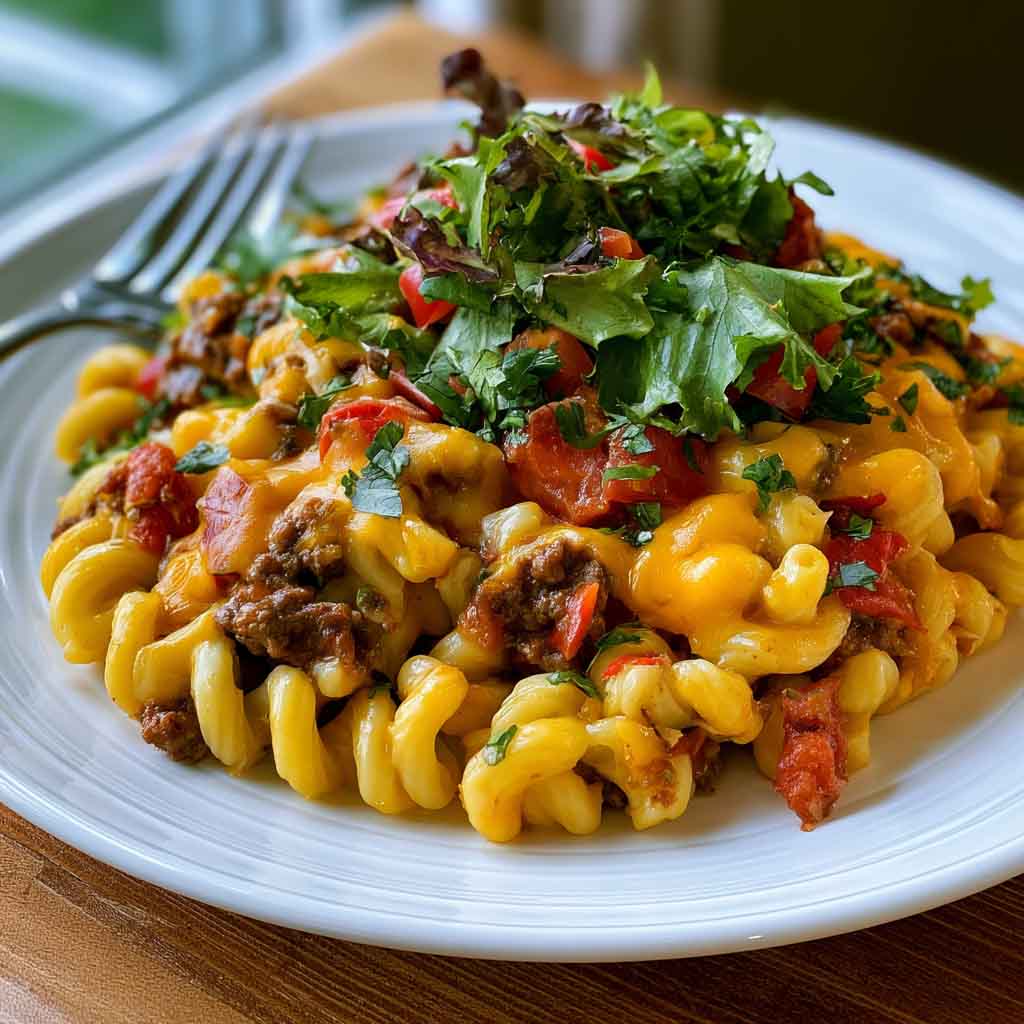
Serve: Garnish with fresh herbs like parsley or basil if desired. Optionally add cooked proteins or veggies for a complete meal.
Variations and Flavor Boosters
Enhance your creamy cheese pasta with sautéed garlic, shallots, or caramelized onions for depth. Fold in fresh spinach, mushrooms, or peas to add nutrients and color. Experiment with cheeses like smoked gouda or aged cheddar for bold flavor. Add cooked chicken, crispy bacon, or sautéed shrimp for protein. Spice it up by stirring in chili flakes, cayenne, or a splash of hot sauce. For extra richness, finish with a dollop of cream cheese or a splash of white wine in the sauce.
Pro Tips for Making the Perfect Creamy Cheese Pasta
Avoid sauce breaking or graininess by melting cheese slowly over low heat and using fresh, finely grated cheese. Whisk the roux thoroughly before adding dairy. Use reserved pasta water to loosen the sauce gently if it thickens too much. Do not overcook pasta; al dente ensures it holds up well in the sauce and provides ideal texture. Serve immediately or keep warm on very low heat, stirring occasionally to prevent sticking.
Storage, Reheating & Meal Prep Advice
Store leftover creamy pasta in airtight containers in the refrigerator for up to 3 days. When reheating, use a stovetop over low heat, adding a splash of milk or cream to loosen the sauce. Microwave reheating works but stir frequently and add liquid as needed to maintain creaminess. For freezing, portion pasta in freezer-safe containers; thaw overnight in the fridge before reheating gently. Avoid freezing if pasta is combined with fresh herbs or delicate veggies.
Nutritional Information and Health Considerations
One serving typically contains around 400–500 calories, with fat coming primarily from cheese and cream. It offers a good protein source but can be high in saturated fat and sodium. To lighten the dish, use low-fat cheeses, milk instead of cream, and control portion size. Incorporate fiber and vitamins by adding veggies or serving with a side salad. Gluten-free pasta options are widely available for dietary needs.
Frequently Asked Questions (FAQs)
Q: What’s the best cheese for creamy pasta?
A blend of sharp cheddar and Parmesan works well, combined with a creamy cheese like cream cheese or mozzarella for texture.
Q: Can I use milk instead of cream?
Yes, whole or 2% milk can substitute cream for a lighter sauce, though the sauce will be less rich.
Q: How do I avoid clumpy cheese sauce?
Grate cheese finely, melt on low heat, and add gradually while stirring constantly.
Q: Can I make creamy cheese pasta vegan?
Use plant-based milks and vegan cheeses, and substitute butter with oil or vegan margarine.
Q: What pasta shapes work best?
Short, ridged pastas like penne or rigatoni hold sauce well; fettuccine and linguine also work for smooth sauces.
Q: How long can I store leftovers?
Up to 3 days refrigerated; freeze for 1–2 months.
Q: Can I prepare sauce ahead of time?
Yes, but reheat gently and add liquid if needed to restore creaminess.
Final Thoughts: Why Creamy Cheese Pasta Will Always Be a Classic
Creamy cheese pasta is a timeless comfort food beloved for its ease, rich flavor, and versatility. Whether dressed up with fresh herbs and veggies or kept simple for a quick meal, it satisfies cravings and feeds the soul. Its adaptability invites home cooks to experiment with cheeses, spices, and proteins to craft their perfect bowl. This recipe celebrates the joy of simple ingredients transformed into a luxurious dish, proving that comfort can be both delicious and effortless. Give it a try, personalize it, and share your favorite versions with friends and family for a cozy, satisfying experience everyone will love.
Creamy Cheese Pasta

A comforting, rich, and creamy cheese sauce coats tender pasta perfectly for an easy and satisfying meal. This versatile recipe combines multiple cheeses with cream and butter to create a smooth, flavorful sauce. Ideal for quick weeknight dinners or indulgent weekend treats, it can be customized with your favorite add-ins and pasta shapes.
- Large pot for boiling pasta
- Heavy-bottomed saucepan or skillet
- Whisk
- Wooden spoon
- Cheese grater
- Measuring Cups and Spoons
- 12 oz pasta (penne, rigatoni, fettuccine, or choice)
- 3 tbsp unsalted butter
- 3 tbsp all-purpose flour
- 2 cups heavy cream or whole milk
- 1 cup sharp cheddar cheese, shredded
- 1/2 cup Parmesan cheese, grated
- 1/2 cup cream cheese (optional, for extra creaminess)
- 1/2 tsp garlic powder
- 1/2 tsp onion powder
- 1 tsp Dijon mustard
- Salt and freshly ground black pepper, to taste
- Fresh parsley or basil, chopped (optional garnish)
Bring a large pot of salted water to a boil. Cook pasta according to package instructions until al dente. Drain, reserving 1 cup of pasta water.
In a heavy-bottomed saucepan over medium heat, melt butter. Whisk in flour and cook for 1–2 minutes until bubbly and lightly golden.
Slowly whisk in cream or milk, stirring constantly to avoid lumps. Cook until sauce thickens, about 3–5 minutes.
Reduce heat to low. Gradually add shredded cheddar, Parmesan, and cream cheese, stirring continuously until smooth and melted.
Stir in garlic powder, onion powder, Dijon mustard, salt, and pepper. Adjust seasoning to taste.
Add drained pasta to sauce, tossing to coat evenly. If sauce is too thick, add reserved pasta water a little at a time to loosen.
Serve immediately, garnished with fresh herbs if desired.
Use freshly grated cheese for the smoothest sauce; pre-shredded cheese often contains anti-caking agents that prevent melting.
For a lighter dish, substitute half the cream with milk or use low-fat cheeses.
Experiment with pasta shapes that hold sauce well, such as rigatoni or penne.
Add cooked chicken, sautéed mushrooms, or spinach for a complete meal.
Avoid overheating cheese to prevent grainy sauce — melt gently on low heat.
Store leftovers in an airtight container and reheat gently with a splash of milk or cream to restore creaminess.


Be First to Comment