
 Laura Mariano
Why Perfect Roasted Potatoes Are Kitchen Heroes
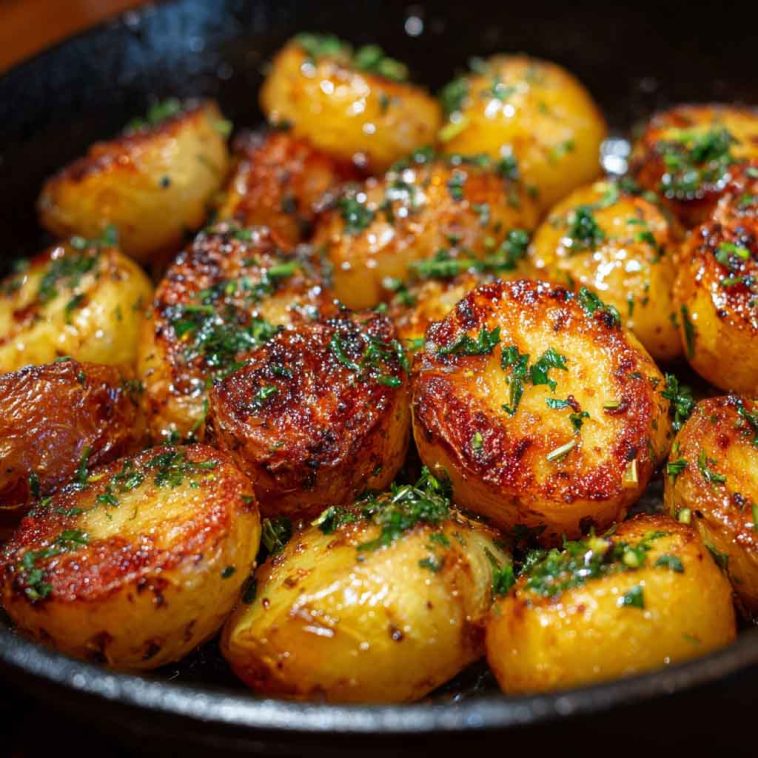
Few things beat a tray of perfect roasted potatoes—golden brown on the outside, tender and fluffy inside. They’re the kind of side dish that steals the show without even trying.
Roasted potatoes are the ultimate crowd-pleaser. Whether you’re building a holiday feast, tossing together a weeknight dinner, or hosting friends for brunch, this dish fits the vibe every time. Even better? The ingredient list is short, and the technique is simple—but the flavor payoff is major.
With just a few tweaks (a different herb, an extra toss, a splash of lemon at the end), roasted potatoes go from background player to scene-stealer. Kids love them, picky eaters ask for seconds, and they’re naturally gluten-free and easy to adapt to vegan diets.
Mastering roasted potatoes means you’re never more than 45 minutes away from a side dish that everyone will remember.
What Are Roasted Potatoes?
At their core, roasted potatoes are oven-baked chunks or wedges of potato tossed in oil, seasoned, and cooked until crisp and golden on the outside and soft in the center.
What sets them apart from other potato dishes—like baked potatoes or fries—is that they nail the texture contrast. That crispy, golden crust? It’s irresistible. The fluffy, steamed interior? Pure comfort.
Unlike frying, which can be messy, or boiling, which often leads to bland results, roasting delivers deep flavor without extra fuss. It also opens the door to seasoning experiments: fresh herbs, garlic, chili flakes, lemon zest—the possibilities are endless.
Roasted potatoes have become a weeknight staple and a holiday favorite because they’re low-effort, high-reward. Pop them in the oven, let them work their magic, and serve them alongside just about anything—from chicken and fish to veggie bowls and eggs.
Choosing the Right Potato Varieties
Not all potatoes roast the same—and choosing the right one can make or break your batch.
Waxy Potatoes
Think: Yukon Gold, red potatoes, baby potatoes. These have less starch and more moisture, which gives you a creamy interior and great shape retention. Yukon Golds are a fan-favorite because they strike a beautiful balance between crispness and fluff.
Starchy Potatoes
Think: Russets or Idaho potatoes. These have high starch content and lower moisture, which means crispier edges and an ultra-fluffy center. The downside? They can fall apart if over-boiled or handled roughly.
To Peel or Not to Peel?
Leaving the skin on adds both flavor and texture. Plus, it helps the potatoes hold together better as they roast. Just scrub well and slice evenly.
Size Matters
Smaller potatoes (baby reds or fingerlings) roast more quickly and evenly. Larger varieties should be cut into 1–1½ inch chunks to ensure they cook through and crisp up at the same rate.
Top Picks: Yukon Golds (best all-around), baby reds (fast cooking, creamy texture), or Russets (if you want max crisp).
Prep Techniques: Par-Boiling, Soaking & Roughing
Here’s where the real crispy magic begins—before the potatoes even hit the oven.
Par-Boiling
Many chefs swear by boiling potato chunks until just shy of fork-tender (about 5–7 minutes), then draining and shocking them with cold water. This pre-cooking step helps the inside become fluffy and soft, while prepping the surface for ultimate crisp.
Soaking in Cold Water
For extra crispness, soak raw, cut potatoes in cold water for 30 minutes to an hour. This removes excess surface starch, which can otherwise cause sogginess.
Short on time? A 10-minute soak still makes a noticeable difference.
Roughing the Edges
Once par-boiled, toss the potatoes around in the pot (or shake them in a colander). This creates jagged, fluffy surfaces that crisp up beautifully in the oven.
Preheat the Oil or Pan
Pouring your oil onto a hot baking tray before adding the potatoes helps them start crisping on contact—a proven tip from pro kitchens and Serious Eats’ test labs.
Pro tip: Use a high-heat oil like avocado oil, ghee, or even duck fat for best results.
Seasoning & Flavor Profiles
Roasted potatoes are a blank canvas for flavor. The basics are always reliable:
Oil (olive, avocado, or canola)
Kosher salt
Cracked black pepper
Then, build from there:
Herbs:
Fresh rosemary, thyme, oregano, parsley, or sage add garden-fresh lift. Dried herbs work too—just use slightly less.
Spices & Aromatics:
Garlic powder, onion powder, paprika (smoked or sweet), chili flakes, cumin, or za’atar bring variety and complexity.
Bold Finishes:
After roasting, try tossing them with:
A drizzle of lemon vinaigrette
Freshly grated parmesan
Crumbled feta and chopped parsley
A little malt vinegar or balsamic glaze
Want restaurant-level flavor? Season generously, and toss once during roasting.
Oven Basics & Timing
Temperature and timing are everything when it comes to perfect roasted potatoes.
Oven Temp: 400–450°F (200–230°C)
The sweet spot for golden edges and cooked centers without burning.
At 400°F, expect 40–45 minutes total.
At 425–450°F, you’ll get quicker crispiness—30–40 minutes total.
If you’re using convection or fan-assist, reduce the heat by 25°F.
Pan Prep Tips:
Use a rimmed metal baking sheet (not glass or ceramic).
Don’t overcrowd—leave space between each piece for proper airflow.
Line with parchment or toss directly onto a preheated oiled pan for max contact crisp.
To Flip or Not to Flip?
A single toss halfway through promotes even browning on multiple sides.
Leaving them undisturbed gives one deeply caramelized side—great for aesthetics.
Either way, resist the urge to stir too often—they need time to brown.
Recipe Variations & Add-Ins
Roasted potatoes are a versatile base that welcomes a world of flavor twists.
Garlic-Thyme Roast: Toss your potatoes with whole smashed garlic cloves and fresh thyme sprigs before roasting. The garlic softens and sweetens, infusing the potatoes with earthy warmth.
Greek Lemon-Oregano Style: Inspired by classic Greek lemon potatoes, add lemon juice and oregano into your oil mix. Roast until tangy and herbaceous—perfect for Mediterranean-themed meals.
Ultimate Crispy Rosemary Oil: Brush potatoes mid-roast with rosemary-infused oil for extra shimmer and crunch, elevating both aroma and texture.
Hasselback Potatoes: Slice potatoes thinly almost to the bottom, fan them out, and brush with oil or herb butter during cooking. This technique delivers crispier edges and an impressive presentation.
Vegan-Friendly Versions: Skip any cheese toppings, and use olive oil or flavored herb oils to keep things plant-based yet delicious.
Experiment with spices like smoked paprika, za’atar, or curry powder for global twists. Roasted potatoes adapt beautifully, making them a canvas for your flavor creativity.
Serving Suggestions & Pairing
Roasted potatoes shine as a perfect side to countless mains:
Classic pairings: Steak, roast chicken, pork chops, or pan-seared salmon—each benefits from those crispy edges and soft centers.
Vegetarian and vegan meals: Serve alongside roasted veggies, grain bowls, hearty salads, or cozy soups to add comforting starch and texture.
Dips and finishes: Garlic aioli, yogurt-based dips, or tahini sauce make wonderful accompaniments for dipping. A sprinkle of flaky sea salt, freshly chopped parsley, or a zest of lemon brightens the plate.
Presentation tip: Serve in a rustic bowl or scatter on a platter garnished with fresh herbs and lemon wedges for inviting color and aroma.
Roasted potatoes bring balance to any plate, offering warmth, crispness, and a blank canvas for complementary flavors.
Storage, Reheat & Leftover Hacks
Store leftover roasted potatoes in an airtight container in the fridge for up to 4 days.
Reheating tips:
Avoid microwaves, which turn crispy edges soggy. Instead, reheat in a hot oven (400°F) or air fryer for 5–10 minutes to restore crunch.
Toss with a little fresh oil before reheating if they seem dry.
Leftover ideas:
Smashed potato hash: Roughly smash leftover potatoes and pan-fry with onions, bell peppers, and your favorite herbs for a savory breakfast or brunch.
Loaded potato skillet: Top reheated potatoes with cheese, sour cream, chives, and crispy bacon bits for an indulgent snack or side.
Add leftover potatoes to soups or stews for added texture.
Proper storage and clever reheating keep your roasted potatoes tasting fresh and irresistible, meal after meal.
Common Pitfalls & How to Fix Them
Even pros encounter issues roasting potatoes. Here’s how to troubleshoot:
Mushy instead of crispy: Often caused by overcrowding the pan. Make sure potatoes have space to roast and crisp up rather than steam. Use multiple pans if needed.
Undercooked centers or burnt edges: Adjust oven temperature and check potatoes’ size for even cooking. Par-boil larger chunks to ensure tenderness.
Lack of crispiness: Use par-boiling or soaking to remove starch. Roughing up edges before roasting creates extra surface area for crispness. Preheat oil or baking sheet before adding potatoes.
Bland flavor: Salt generously before and after roasting. Add finishing touches like herb oils, lemon zest, or a sprinkle of cheese to boost flavor.
With attention to these common pitfalls, your roasted potatoes will consistently come out golden, fluffy, and full of flavor.
Frequently Asked Questions (FAQs)
Q: Should I par-boil before roasting?
A: Yes! Par-boiling softens the potatoes and removes excess starch, leading to a crispier outside and fluffy inside.
Q: What’s the best oven temperature for roasting potatoes?
A: Around 425°F (220°C) strikes a perfect balance, allowing golden crust formation without burning.
Q: Which potatoes crisp best?
A: Waxy varieties like Yukon Gold and red potatoes roast well, especially when cut into smaller chunks.
Q: Can I roast potatoes from frozen?
A: It’s better to thaw first. Frozen potatoes tend to steam instead of roast unless par-boiled and dried beforehand.
Q: How can I reheat roasted potatoes without losing crispness?
A: Reheat in an oven or air fryer for best results. Avoid microwaves as they soften crispy edges.
Final Thoughts & Takeaway
Roasted potatoes are humble but truly magical. When you choose the right potatoes, prep them with care—whether by par-boiling, soaking, or roughing—and roast at high heat, you’re rewarded with crispy, fluffy, and flavorful perfection every time.
Avoid shortcuts like overcrowding or low oven temps that yield soggy or unevenly cooked results. Add a final flourish with herbs, lemon zest, or finishing salts to elevate your dish. Whether as a side for weeknight dinners or a showstopper for festive feasts, roasted potatoes are a simple yet spectacular crowd-pleaser that deserve a spot on your table all year round.
Perfect Roasted Potatoes
Equipment
- Large pot (for par-boiling or soaking)
- Rimmed baking sheet
- Colander
- Mixing bowl
- Spatula or tongs
- Kitchen towel or paper towels
Ingredients
- 2 lbs potatoes (Yukon Gold, red, or russet), peeled or unpeeled
- 3 tbsp olive oil or avocado oil
- 1 tsp kosher salt (plus more to taste)
- ½ tsp freshly ground black pepper
- 2 tsp fresh rosemary or thyme (optional)
- 1 tsp garlic powder or 2 cloves fresh garlic minced (optional)
- Optional finishing: lemon zest, grated Parmesan, flaky sea salt
Instructions
- Prep Potatoes: Wash and cut potatoes into 1–1½ inch chunks. Optional: soak in cold water for 30 minutes to reduce starch.
- Par-Boil (optional):Boil potatoes for 5–7 minutes until just shy of tender. Drain and rough up the edges by shaking them in a colander.
- Preheat Oven: Heat oven to 425°F (220°C). Preheat a rimmed baking sheet with oil in the oven for 5 minutes.
- Season: Toss potatoes with oil, salt, pepper, herbs, and garlic in a mixing bowl.
- Roast: Spread potatoes evenly on the hot baking sheet without overcrowding. Roast for 35–45 minutes, tossing once halfway through, until golden and crisp.
- inish & Serve: Optional—toss with lemon zest, Parmesan, or flaky sea salt before serving.
Notes
- For extra crispiness: Soak raw potatoes or par-boil before roasting.
- Herb variations: Try oregano, sage, or dill for different flavors.
- Storage: Refrigerate leftovers in an airtight container up to 4 days. Reheat in oven or air fryer to restore crispiness.
- Gluten-Free & Vegan: Naturally gluten-free and vegan when prepared with plant-based oil.