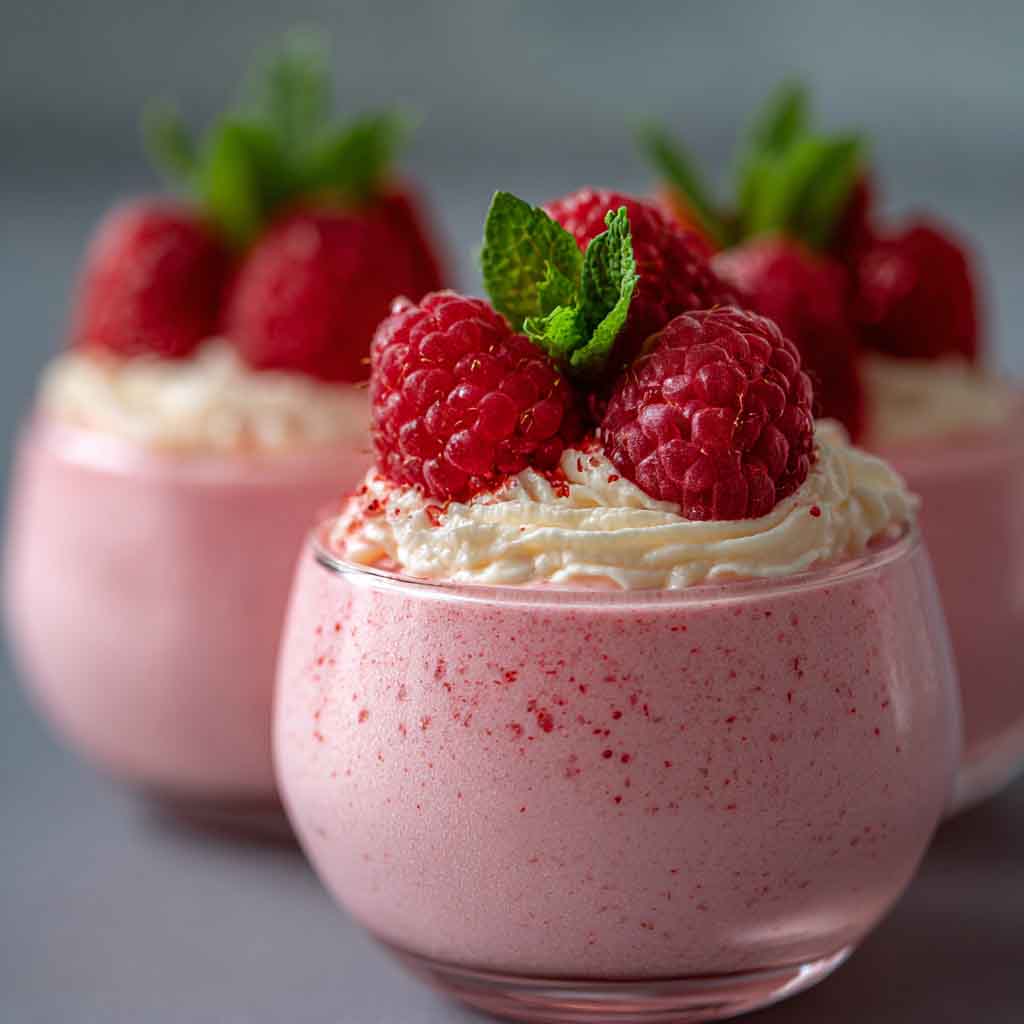
What Makes Raspberry Mousse So Irresistible?
Raspberry mousse is one of those desserts that feels like a little bit of magic on the tongue. Its light, airy texture melts effortlessly, while the bright tartness of fresh raspberries provides a lively contrast that awakens your palate. This delicate balance between creamy softness and fruity zing makes raspberry mousse a timeless favorite in the world of desserts.
What’s truly wonderful about raspberry mousse is its versatility. Whether you’re serving it at an elegant dinner party, a casual summer gathering, or simply craving a sweet treat at home, this dessert fits every occasion. It’s light enough to enjoy after a hearty meal but still decadent enough to satisfy any sweet tooth.
In this article, you’ll learn how to make the perfect raspberry mousse—from selecting the freshest raspberries to mastering the folding technique that keeps it airy and smooth. We’ll also explore tips for using gelatin or vegan alternatives, how to create variations like chocolate or layered mousses, and even the best ways to serve and store this delightful treat.
History and Origins of Mousse, with a Focus on Raspberry Mousse
Mousse, which means “foam” in French, originated in France as a rich, airy dessert typically made from whipped cream, egg whites, and chocolate. Its light texture was revolutionary at the time, offering a new way to enjoy decadent ingredients without heaviness. Over the centuries, the mousse evolved beyond chocolate to embrace fruit flavors, with raspberry becoming a particularly popular choice.
Raspberry mousse embodies the perfect marriage of classic French technique and the natural bright acidity of the berry. Fruit mousses became especially popular in the 19th and 20th centuries as fruit cultivation and refrigeration improved, allowing fresh berries to be enjoyed year-round.
Today, raspberry mousse is embraced worldwide—not just as a standalone dessert but also as a filling for cakes, a component in trifles, or a layer in elegant plated desserts. Its cultural significance lies in its simplicity combined with elegance—a dessert that feels special but is surprisingly easy to master.
Essential Ingredients and Their Roles in Raspberry Mousse
Creating a luscious raspberry mousse requires the right ingredients, each playing a key role in texture and flavor.
Raspberries: Fresh raspberries are ideal for their vibrant flavor and natural brightness, but frozen berries can also be used if fresh aren’t in season. Frozen raspberries might release more juice and sometimes require slight adjustment in sweetening or thickening.
Gelatin or Agar Agar: To achieve that signature mousse set, gelatin is typically used. It stabilizes the airy structure, giving the mousse body without weighing it down. For vegan or vegetarian alternatives, agar agar works well but requires different handling (boiling to activate).
Whipping Cream: Heavy cream or double cream is whipped to soft peaks and folded into the raspberry puree, creating the mousse’s airy texture. Using cream with a higher fat content will yield a richer mousse, but lighter creams can be used for a less indulgent dessert.
Sweeteners: Sugar is traditional, but alternatives like honey, agave, or maple syrup can add different nuances of flavor and sweetness. The sweetness level depends on the tartness of your raspberries, so taste your puree before adding.
Egg Whites vs. Whipped Cream: Classic mousse recipes often include whipped egg whites to increase airiness. However, many modern versions use whipped cream alone for ease and safety, especially for home cooks wary of raw eggs.
Flavor Enhancers: A splash of vanilla extract, a hint of lemon zest, or even a spoonful of raspberry or orange liqueur can elevate your mousse, adding depth and complexity beyond the basic berry flavor.
Classic Raspberry Mousse Recipe: Step-by-Step Preparation
Making raspberry mousse is a rewarding process that involves careful preparation and gentle handling to preserve its light texture.
Step 1: Prepare the Raspberry Puree
Begin by blending your raspberries until smooth. For a silky mousse, strain the puree through a fine mesh sieve to remove seeds. If you prefer a bit of texture, you can skip straining—just be mindful of the final mouthfeel.
Step 2: Bloom and Dissolve Gelatin
Sprinkle gelatin powder over a small amount of cold water and let it “bloom” for about 5 minutes—this hydrates the gelatin. Gently warm the mixture (avoid boiling) until fully dissolved. This step is crucial for a smooth, even set.
Step 3: Whip the Cream
Chill your mixing bowl and beaters before whipping cream. Whip the cream to soft peaks—this means it holds shape but is still smooth and pliable. Overwhipping can lead to a grainy texture.
Step 4: Combine Ingredients
Slowly mix the dissolved gelatin into the warm raspberry puree, stirring well. Let this cool to room temperature but not set. Then gently fold the raspberry mixture into the whipped cream using a spatula. Use light, sweeping motions to keep as much air as possible in the mousse.
Step 5: Set the Mousse
Pour the mousse into serving glasses or a mold. Refrigerate for at least 4 hours or overnight. The mousse should hold its shape but remain soft and airy.
Tips for Smooth, Stable Mousse:
Ensure gelatin is fully dissolved before adding to puree.
Avoid folding too aggressively—gentle movements maintain airiness.
Use fresh, cold cream and chill bowls for better whipping.
Test set by lightly touching the mousse—it should feel firm but springy.
Essential Tools and Kitchen Setup for Making Mousse
For a smooth and effortless mousse-making experience, equip your kitchen with a few key tools. An electric mixer or whisk is essential to whip cream to the perfect soft peaks. A fine mesh sieve helps remove raspberry seeds for a velvety texture. Heatproof bowls are needed for dissolving gelatin safely over a double boiler or in a microwave. Use glass or metal mixing bowls that stay cool, as temperature affects whipping. Serving glasses or silicone molds make plating your mousse easy and elegant. For precision, a kitchen thermometer can help ensure gelatin dissolves at the right temperature.
Creative Variations of Raspberry Mousse
Raspberry mousse is wonderfully versatile, lending itself beautifully to delicious twists and dietary adaptations.
Chocolate Raspberry Mousse is a decadent upgrade: gently fold melted dark chocolate into the raspberry cream base for a rich, indulgent dessert. The bittersweet chocolate perfectly complements the tart raspberries, creating a luxurious balance.
For a vegan raspberry mousse, swap gelatin for agar agar and use aquafaba (the liquid from canned chickpeas) whipped to stiff peaks instead of cream. This alternative keeps the mousse light and airy while making it suitable for plant-based diets.
Try layered mousses by alternating raspberry mousse with vanilla or lemon mousse in glasses or molds. This creates a stunning presentation and adds flavor complexity.
Adding fresh herbs like mint or basil offers a fresh, aromatic twist. Simply chop finely and fold in or use as a garnish for an unexpected flavor boost.
For adult gatherings, incorporate liqueurs such as Grand Marnier or Chambord into the raspberry puree. These add warmth and a sophisticated depth to the dessert.
If you prefer to cut sugar, try sugar-free or low-sugar versions using natural sweeteners like stevia, erythritol, or monk fruit, adjusting quantities to taste without sacrificing texture.
Serving Suggestions and Presentation Ideas
Raspberry mousse shines when paired with complementary textures and flavors. Fresh raspberries, a dollop of whipped cream, or a drizzle of chocolate or raspberry sauce amplify the dessert’s freshness and elegance.
For plating, consider serving mousse in delicate glassware like martini glasses or stemmed dessert bowls to showcase its airy texture. Silicone molds allow for stunning individual shapes that impress visually.
Garnish with fresh mint leaves, edible flowers, or chocolate shavings for a professional touch. A sprinkle of crushed pistachios or toasted coconut can add a pleasing crunch contrast.
Simple, clean plating lets the mousse’s vibrant color pop, making it a perfect finale for both casual dinners and special occasions.
Storage, Shelf Life, and Leftover Tips
Store raspberry mousse in an airtight container in the refrigerator for up to 3 days. Beyond that, texture and flavor can start to degrade.
Freezing raspberry mousse is possible but not ideal because ice crystals can alter the delicate texture upon thawing. If you freeze it, do so in airtight containers and thaw slowly in the fridge.
When reheating frozen mousse, avoid microwave heat. Instead, gently soften it by leaving it in the fridge overnight and bringing it to room temperature before serving. This helps maintain its airy texture.
If mousse weeps or releases liquid, gently blot with a paper towel before serving and ensure it has been properly chilled and stabilized with the right amount of gelatin or alternative setting agents.
Frequently Asked Questions (FAQs)
Can I make raspberry mousse without gelatin?
Yes, you can use agar agar for a vegetarian/vegan option or rely solely on whipped cream and egg whites, though the mousse may be softer and less stable.
How do I prevent mousse from weeping or separating?
Ensure gelatin is fully dissolved and cooled before mixing, fold ingredients gently, and chill the mousse thoroughly before serving.
Can I prepare mousse a day ahead?
Absolutely! Mousse often tastes better after setting overnight, allowing flavors to meld and texture to firm up.
What’s the best way to sweeten mousse naturally?
Use honey, maple syrup, or agave nectar to add natural sweetness, adjusting quantity to balance the tartness of raspberries.
How to make mousse vegan or dairy-free?
Use aquafaba whipped like egg whites and replace cream with coconut cream or other plant-based creams. Agar agar replaces gelatin.
How to fix mousse that didn’t set properly?
Reheat gently and add a bit more dissolved gelatin or agar agar, then chill again.
Can I use frozen raspberries straight from the freezer?
Yes, but thaw and drain excess liquid to avoid watery mousse, and adjust sugar as frozen berries can be less sweet.
Final Thoughts and Encouragement to Experiment
Making raspberry mousse at home is a rewarding way to enjoy a classic dessert with endless possibilities. Whether you stick to the traditional recipe or venture into vegan, chocolate-infused, or layered variations, the process invites creativity and joy. Don’t be afraid to personalize your mousse by experimenting with different flavor combinations or presentation styles. Your kitchen is your canvas! Share your unique twists and experiences with fellow food lovers—there’s always something new to learn and taste. Happy whisking!
Raspberry Mousse Recipe

A delicate, airy raspberry mousse that balances sweet and tart flavors with a creamy texture. Perfect as a refreshing dessert for any occasion, this mousse is simple to prepare yet elegant enough to impress.
- Electric mixer or whisk
- Fine mesh sieve
- Mixing bowls (glass or metal)
- Heatproof bowl for gelatin
- Serving glasses or molds
- 1 ½ cups fresh or frozen raspberries
- 2 tablespoons sugar (adjust to taste)
- 2 teaspoons gelatin powder (or agar agar for vegan)
- 3 tablespoons cold water
- 1 cup heavy cream, chilled
- 1 teaspoon vanilla extract (optional)
- Lemon zest (optional, for brightness)
Prepare the Raspberry Puree: Blend raspberries with sugar until smooth. Strain through a fine sieve to remove seeds if desired.
Bloom Gelatin: Sprinkle gelatin over cold water and let stand 5 minutes to bloom. Heat gently until fully dissolved.
Combine: Stir gelatin into warm raspberry puree, mixing thoroughly.
Whip Cream: Beat chilled cream with vanilla to soft peaks.
Fold: Gently fold the raspberry mixture into whipped cream, maintaining volume.
Chill: Pour mousse into serving dishes and refrigerate for at least 4 hours until set.
For a seedless mousse, always strain the raspberry puree.
Adjust sweetness based on berry tartness.
Use gelatin alternatives like agar agar for a vegan version.
Gently fold to keep mousse airy and light.
Chill time is essential for mousse to set properly and develop texture.




Be First to Comment