

 Laura Mariano
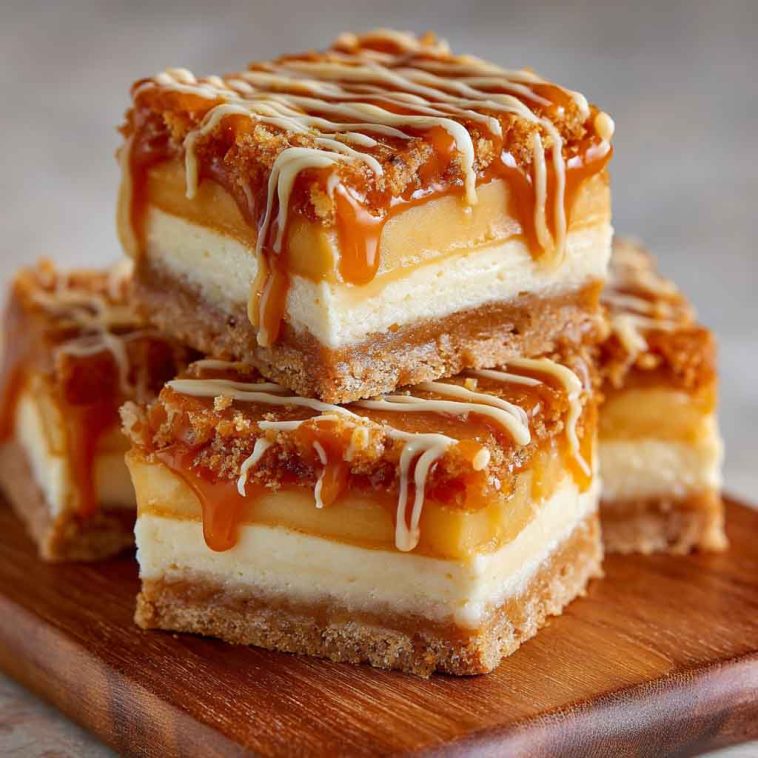
Why Caramel Cheesecake Bars Are Irresistible
Welcome to the dreamy world of caramel cheesecake bars — where rich, buttery caramel meets silky, creamy cheesecake in a perfectly portable bar form. If you love cheesecake but dread slicing and serving a whole round cake, these bars are your new best friend. They’re not only easier to make but also simpler to share with friends and family, making them ideal for parties, holiday gatherings, or just a casual sweet treat after dinner.
These bars bring together the best of both worlds — the decadence of cheesecake and the luscious sweetness of caramel — all baked into neat squares that hold their shape and flavor beautifully. Throughout this article, you’ll find foolproof steps, expert tips, and creative serving ideas that will help you bake these indulgent bars with confidence and style.
What Are Caramel Cheesecake Bars?
Caramel cheesecake bars are a layered dessert featuring a crisp base crust, a rich and creamy cheesecake middle, and a luscious caramel topping or swirl that adds that irresistible gooey sweetness. Unlike traditional cheesecakes, which are usually baked in round pans and require delicate slicing, these bars are baked in square pans, making portioning a breeze and eliminating messy slices.
This dessert offers the perfect balance between elegance and convenience — you get all the indulgence of a cheesecake without the fuss of fancy plating or complicated cutting. Popular flavor variations include salted caramel cheesecake bars, chocolate caramel swirls, and versions topped with crunchy nuts or sprinkled with flaky sea salt to add texture and contrast.
Breaking Down the Layers: Crust, Cheesecake, and Caramel
Each layer in caramel cheesecake bars plays a crucial role in crafting that perfect bite.
Crust: The foundation is usually a buttery graham cracker crust, a cookie crust, or even a shortbread base. The key is balancing crunch and softness — a sturdy yet tender base that holds up under the creamy layers above. The crust adds texture and a buttery note that complements the richness of the cheesecake.
Cheesecake layer: This is where the magic happens. The cheesecake should be creamy, tangy, and silky smooth, with a perfect balance between sweetness and the slight acidity of cream cheese. The quality of cream cheese and the mixing technique greatly affect texture—overmixing can lead to cracks, and undermixing causes lumps.
Caramel layer: Whether you choose to swirl homemade caramel into the batter or pour it as a sticky topping, this layer adds buttery richness and gooey sweetness that elevates the whole dessert. Homemade caramel allows control over flavor and texture, but store-bought can be a convenient shortcut. If making your own, slow cooking the sugar and butter while stirring carefully is key to avoid burning or graininess.
Pro Tip: Use quality caramel or learn simple caramel-making basics. Cook sugar slowly over medium-low heat, stir gently, and keep an eye on color to get that perfect amber hue without bitterness.
Choosing Ingredients for Maximum Flavor and Texture
The best caramel cheesecake bars start with the right ingredients. Here’s what to look for:
Cream cheese: Always opt for full-fat cream cheese for a rich, creamy texture and classic cheesecake flavor. Low-fat or fat-free versions tend to make the cheesecake grainy or less smooth.
Sweeteners: Granulated sugar works well in the cheesecake batter for clean sweetness, while brown sugar or light corn syrup are excellent choices for caramel, lending depth and a subtle molasses note. You can also experiment with natural sweeteners like honey or maple syrup, but these will change the flavor profile slightly.
Butter: Use unsalted butter in both the crust and caramel so you can control the salt level precisely. Butter quality affects both flavor and mouthfeel — choose a good-quality, creamy butter.
Eggs: Eggs bind the cheesecake and add richness. For the smoothest batter, make sure eggs are at room temperature before mixing—they incorporate better and reduce lumps.
Vanilla extract: Pure vanilla extract enhances and rounds out the overall flavor. It’s a small addition that makes a big difference.
Salt: A pinch of salt balances sweetness and intensifies caramel flavor. For an elegant touch, sprinkle flaky sea salt on top of the caramel layer just before serving to add a savory contrast.
Optional flavor enhancers include chopped nuts like pecans or walnuts for crunch, a drizzle of melted chocolate, or even a hint of cinnamon in the crust for warmth.
Tools & Equipment for Baking Perfect Bars
Having the right tools will make baking caramel cheesecake bars a smooth process:
An 8×8 or 9×9-inch square baking pan provides the perfect bar thickness and even baking.
A stand mixer or hand mixer helps create smooth, lump-free cheesecake batter.
Multiple mixing bowls keep your crust, batter, and caramel separate and organized.
A heavy-bottomed saucepan is essential for making caramel to avoid scorching.
A flexible rubber spatula is great for gentle folding and scraping the sides of bowls.
Parchment paper lined in the pan ensures easy removal and neat slicing.
Finally, a cooling rack allows your bars to cool evenly after baking.
Step-by-Step Recipe Walkthrough
Let’s break down the process into manageable steps:
Prepare the crust:
Crush your graham crackers or cookies finely—using a food processor or by hand—and combine with melted butter. Press this mixture evenly into the bottom of your prepared pan. For extra crunch and stability, pre-bake the crust for 8–10 minutes at 325°F (163°C).Make the cheesecake batter:
Ensure your cream cheese is softened to room temperature. Beat it on medium speed with sugar until perfectly smooth and creamy. Add eggs one at a time, mixing gently after each to avoid too much air incorporation which can cause cracking. Stir in vanilla extract and salt.Bake the cheesecake layer:
Pour the batter over the prepared crust and bake at 325°F (163°C) for about 40–45 minutes. The cheesecake should be mostly set but still jiggle slightly in the center. For extra moisture and to reduce cracking, consider baking your pan in a water bath.Make the caramel:
Slowly melt sugar over medium-low heat until it turns a deep amber color. Remove from heat and carefully whisk in butter until melted. Then add cream slowly and stir to combine until silky smooth. Let it cool slightly.Add the caramel layer:
Either pour the caramel evenly over the baked cheesecake or swirl it gently into the cheesecake batter before baking for a marbled effect.Cool and chill:
Let the bars cool on a wire rack for about an hour, then refrigerate for at least 4 hours or overnight to allow the cheesecake and caramel layers to set fully.Slice and serve:
For neat slices, run a sharp knife under hot water, wipe dry, and cut the bars carefully.
Pro Tips for Smooth Cheesecake and Luscious Caramel
Always use room temperature cream cheese and eggs to ensure a lump-free, creamy batter.
Avoid overmixing your batter to reduce the chance of cracks and a dense texture.
A water bath helps maintain moisture and temperature stability for perfectly smooth cheesecake.
When making caramel, cook slowly over medium-low heat to develop rich flavor without burning. Stir gently and watch the color closely.
Chill bars overnight — this dramatically improves slicing ease and lets flavors meld beautifully.
For an extra touch of elegance, sprinkle flaky sea salt on top or drizzle with melted chocolate just before serving.
Flavor Variations & Creative Twists
Salted caramel cheesecake bars: Sprinkle flaky sea salt over caramel for a classic sweet-salty combo.
Chocolate caramel swirl bars: Incorporate melted dark or milk chocolate swirled into the caramel or cheesecake layers.
Pumpkin caramel cheesecake bars: Perfect for fall—add pumpkin puree and warm spices like cinnamon and nutmeg to the cheesecake layer.
Nutty crust options: Swap graham cracker crust for pecan, almond, or walnut crust for added texture and flavor depth.
Vegan or dairy-free adaptations: Use vegan cream cheese alternatives and coconut cream caramel; highlight differences in texture and taste.
Caramel sauce with bourbon or coffee notes: Add a splash of bourbon or strong espresso to homemade caramel for an adult twist.
Topping ideas: Whipped cream, toffee bits, chopped nuts, or extra caramel drizzle for finishing flair.
Serving Suggestions & Presentation Ideas
Garnish bars with sea salt flakes, toasted nuts, or chocolate shavings to elevate presentation.
Serve alongside fresh berries or a light dollop of whipped cream for balance.
Plate elegantly on white dishes for parties or festive gatherings.
For on-the-go or gift ideas, wrap individual bars in parchment and tie with twine.
Pair with coffee, dessert wines (like late-harvest Riesling or Tawny Port), or a cold glass of milk for perfect flavor harmony.
Storage, Freezing & Make-Ahead Tips
Store bars in an airtight container in the refrigerator for up to 5 days to maintain freshness.
Freeze bars for up to 2 months; wrap tightly in plastic wrap and foil or use freezer-safe bags.
For easier handling, freeze bars individually on a tray before bagging to prevent sticking.
Thaw in the refrigerator overnight for the best texture.
Make caramel sauce and cheesecake batter a day ahead to save time on busy baking days—assemble and bake fresh for best results.
Troubleshooting Common Issues
Cracked cheesecake: Caused by overmixing, oven temperature fluctuations, or no water bath; fix by mixing gently and baking in a water bath.
Caramel too runny: Cook caramel longer to thicken; too hard means it was overcooked or cooled too quickly—reheat gently to fix.
Soggy crust: Prebake crust or brush with melted chocolate to create a moisture barrier.
Bars cutting poorly: Chill thoroughly and use a sharp, warmed knife.
Overbaking or underbaking: Overbaked bars dry out and crack; underbaked are too jiggly—aim for cheesecake to be mostly set with slight jiggle.
FAQs – People Also Ask
Q1: Can I make caramel cheesecake bars ahead of time?
Yes! In fact, chilling overnight improves flavor melding and helps the bars set firmly for clean slicing.
Q2: How do I prevent cracks in cheesecake bars?
Use room temperature ingredients, avoid overmixing, and consider baking in a water bath to maintain even heat and moisture.
Q3: Can I use store-bought caramel sauce?
Absolutely. While homemade caramel offers superior flavor and texture, quality store-bought caramel can save time.
Q4: Are caramel cheesecake bars gluten-free?
They can be. Use gluten-free crust alternatives like almond flour or gluten-free cookie crumbs to make the recipe gluten-free.
Q5: How do I store leftover caramel cheesecake bars?
Keep refrigerated in an airtight container for up to 5 days. For longer storage, freeze wrapped tightly and thaw in the fridge before serving.
Q6: Can I substitute cream cheese with vegan alternatives?
Yes, though texture and taste will vary slightly. Use high-quality vegan cream cheese and consider a coconut milk-based caramel for dairy-free results.
Q7: What’s the best pan size for cheesecake bars?
An 8×8 or 9×9-inch baking pan works best, offering ideal thickness and even baking without overcooking edges.
Caramel Cheesecake Bars
Equipment
- 8x8 or 9x9-inch baking pan
- Mixer (stand or hand)
- Mixing bowls
- Saucepan for caramel
- Rubber spatula
- Parchment paper
- Cooling rack
- Sharp knife for slicing
Ingredients
Crust:
- 1 ½ cups graham cracker crumbs (or cookie crumbs)
- 5 tbsp unsalted butter, melted
- 2 tbsp granulated sugar
Cheesecake Layer:
- 16 oz (450g) full-fat cream cheese, softened
- ¾ cup granulated sugar
- 2 large eggs, room temperature
- 1 tsp vanilla extract
- 2 tbsp all-purpose flour (optional, for stability)
Caramel Layer:
- 1 cup granulated sugar
- 6 tbsp unsalted butter, cut into pieces
- ½ cup heavy cream, warmed
- ½ tsp salt (increase if making salted caramel)
Instructions
- Prepare the crust:Line your baking pan with parchment paper, leaving some overhang for easy removal. Mix graham cracker crumbs, melted butter, and sugar until combined. Press firmly into the bottom of the pan. Optional: bake at 350°F (175°C) for 8 minutes for a firmer crust; let cool.
- Make the cheesecake layer:Beat softened cream cheese until smooth and creamy. Gradually add sugar, then eggs one at a time, mixing well. Stir in vanilla and flour if using. Pour evenly over cooled crust.
- Bake:Bake at 325°F (160°C) for about 40–45 minutes or until edges are set and center slightly jiggles. Avoid overbaking to prevent cracks.
- Prepare caramel:In a heavy saucepan over medium heat, melt sugar while stirring constantly until amber-colored. Add butter and stir until melted and combined. Slowly pour in warm cream, stirring until smooth. Remove from heat and stir in salt.
- Assemble:Pour caramel evenly over warm cheesecake layer. Use a spatula to spread if needed.
- Chill:Cool to room temperature, then refrigerate for at least 4 hours or overnight until fully set.
- Serve:Use the parchment overhang to lift bars out. Slice with a hot, sharp knife for clean edges. Garnish with sea salt flakes, nuts, or whipped cream if desired.
Notes
- Room temperature ingredients (especially cream cheese and eggs) are key for a smooth batter and crack-free cheesecake.
- For salted caramel, increase salt to 1 tsp and sprinkle flakes on top after pouring caramel.
- Use quality butter and cream for the best flavor in both crust and caramel.
- To prevent cracks, avoid overmixing and consider using a water bath for gentle baking.
- Bars are best chilled overnight for flavor melding and easier slicing.
- Store leftover bars tightly covered in the fridge for up to 5 days, or freeze for longer storage.
- To freeze, wrap bars individually or in portions and thaw overnight in the fridge before serving.
- Try variations such as chocolate swirls, nutty crusts, or bourbon-infused caramel for fun twists.


