
 Laura Mariano
The Timeless Charm of Classic Crème Brûlée
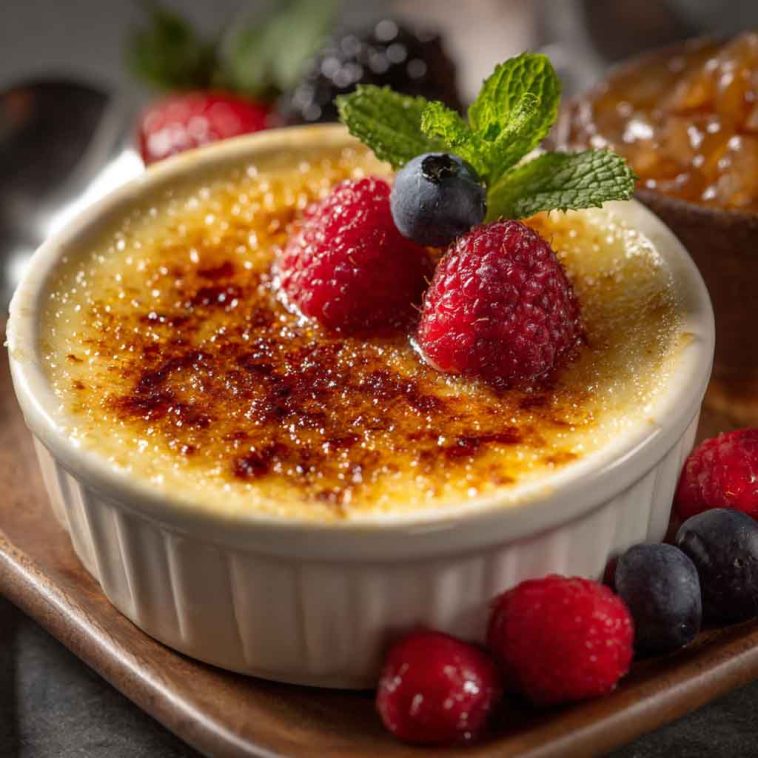
Crème brûlée is a dessert icon—its reputation built on the heavenly contrast of silky, vanilla-infused custard beneath a perfectly caramelized, crackly sugar crust. This elegant French classic enchants dessert lovers worldwide and graces tables from casual dinners to special celebrations. Its blend of simple ingredients with refined technique makes it both approachable and impressive.
In this guide, you’ll discover why crème brûlée remains timeless, how to master the process with ease, and insider tips that guarantee your custard will be luxuriously creamy with that signature, satisfying crack on top every time.
What Is Crème Brûlée? Origins and Tradition
Crème brûlée, French for “burnt cream,” dates back centuries, with roots stretching across France and England. Unlike crème caramel, which features a soft caramel sauce, crème brûlée is distinguished by its hard, caramelized sugar topping. It’s different from pots de crème, which are custards without the torched crust.
Traditionally made with just cream, egg yolks, sugar, and vanilla, crème brûlée boasts a rich but delicate custard that’s smooth, thick enough to hold its shape, yet melts in the mouth. Its signature crunchy sugar shell, made by torching or broiling sugar on top, delivers the perfect textural contrast that keeps fans coming back.
Ingredient Deep Dive: Building the Perfect Custard
The magic of crème brûlée starts with quality ingredients:
Heavy cream: Choose full-fat, high-quality cream for the richest custard.
Egg yolks: Fresh yolks create the custard’s silky texture and natural yellow hue.
Vanilla: The star flavor—opt for vanilla beans split and scraped for deep aroma, or high-quality vanilla paste. Extract works too but offers less complexity.
Sugar: Granulated sugar sweetens the custard base, while superfine or caster sugar is ideal for the brûlée topping, as it melts evenly and caramelizes smoothly.
Flavor variations can include citrus zest (orange or lemon), a hint of lavender, or a splash of espresso for a grown-up twist. However, ingredient quality deeply influences the custard’s texture and flavor — fresh cream and real vanilla make all the difference in achieving that classic balance of creamy sweetness and aromatic richness.
Essential Equipment for Success
To master crème brûlée, use the right tools:
Ramekins: Ceramic or porcelain, 4–6 oz size, ensure even baking.
Baking dish or roasting pan: For the water bath (bain-marie), large enough to hold ramekins with room for hot water.
Kitchen torch: Preferred for controlled caramelization. A broiler can work but requires caution.
Whisk: For gentle blending of custard.
Fine sieve: To strain the custard, removing any curdled bits.
Thermometer (optional): Helps monitor custard temperature for perfect doneness.
Step-by-Step Classic Crème Brûlée Recipe
Prep the custard base
Warm cream with vanilla bean pod or extract until just simmering, then remove from heat.
Whisk egg yolks with sugar until pale and slightly thickened.
Temper the eggs
Slowly add warm cream to yolks while whisking constantly to avoid scrambling.
Strain the mixture
Pour through a fine sieve into a clean bowl or measuring cup for ultra-smooth custard.
Prepare the water bath
Place ramekins in a deep baking dish; fill dish with hot water halfway up the sides of ramekins.
Bake
Bake at 325°F (160°C) for 40–45 minutes until custard is mostly set but slightly jiggly in the center.
Cool and chill
Remove ramekins from water bath, cool to room temperature, then refrigerate at least 4 hours (preferably overnight).
Caramelize sugar topping
Sprinkle a thin, even layer of superfine sugar on chilled custard.
Use a kitchen torch to melt and caramelize sugar until golden and crisp.
Let sit a minute before serving to harden.
Pro Tips for Flawless Crème Brûlée Every Time
Avoid curdling by tempering eggs slowly and cooking gently in the water bath.
Low and slow baking ensures creamy custard without cracks or graininess.
Use a torch for even caramelization—keep the flame moving to prevent burning.
The custard should be set but still slightly wobbly in the center before chilling; it firms up as it cools.
- For a deeper flavor, infuse cream with vanilla a few hours ahead or overnight in the fridge.
Delicious Variations on the Classic
While the classic vanilla crème brûlée is timeless, there’s plenty of room to experiment and add your own flair:
Espresso brûlée: Stir a shot of espresso or strong coffee into the cream before baking for a rich mocha twist.
Citrus zest: Add finely grated lemon, orange, or lime zest to the custard for a bright, fresh note that cuts through the richness.
Chocolate: Incorporate melted dark or milk chocolate for a decadent chocolate custard base.
Lavender: Infuse the cream with dried culinary lavender buds for a subtle floral aroma that pairs beautifully with vanilla.
Matcha: Mix in matcha powder for an earthy green tea flavor and stunning color.
For the sugar topping, try brown sugar or coconut sugar instead of granulated sugar for a deeper caramel flavor.
If you need dairy-free options, substitute coconut cream or almond milk for heavy cream, though expect a slightly different texture.
For an elegant presentation, serve in mini ramekins for bite-sized treats, or layer the brûlée custard with fruit compotes or sponge cake for a stunning layered dessert parfait.
Serving Suggestions and Pairings
To elevate your crème brûlée experience, thoughtful garnishes and pairings go a long way:
Top with fresh berries like raspberries or blueberries for a pop of tartness and color.
Add edible flowers or a sprig of fresh mint for an elegant touch.
Serve immediately after torching so guests enjoy the perfect contrast between warm caramel and chilled custard.
For wine lovers, pair crème brûlée with Sauternes or a late harvest Riesling — their sweetness complements the creamy custard. Champagne or sparkling wine offers a refreshing contrast to the dessert’s richness.
Serve crème brûlée as the grand finale to a well-balanced menu featuring light salads, roasted proteins, or seafood dishes. Its richness shines best after a meal that’s flavorful but not heavy.
Storage, Reheating & Make-Ahead Tips
Crème brûlée is perfect for make-ahead entertaining:
Once baked, cool to room temperature then refrigerate, covered, for up to 3 days before serving.
If preparing in advance, wait to sprinkle and torch the sugar topping until just before serving to maintain crispness.
You can store brûlée with the sugar crust covered loosely with plastic wrap, but avoid airtight sealing to preserve texture.
Freezing is generally not recommended as the custard texture suffers, becoming grainy or watery upon thawing.
To reheat leftovers, place the ramekin in a warm oven (about 275°F/135°C) for 10 minutes to gently warm without melting the sugar crust. Avoid microwaving, which can make the custard rubbery or cause the topping to lose its crack.
Troubleshooting Common Issues
Custard too runny? Likely underbaked; extend baking time slightly, but don’t overcook.
Custard too firm or rubbery? Overbaking or too high heat; lower oven temp and check earlier.
Sugar topping won’t caramelize? Use superfine sugar and a strong kitchen torch; sugar must be evenly sprinkled and dry.
Cracking or curdling custard? Caused by overheating; use water bath and temper eggs carefully.
Bitter or burnt sugar? Don’t hold the torch too close or in one spot too long; keep it moving.
FAQs – People Also Ask
Q1: What is the difference between crème brûlée and crème caramel?
Crème brûlée features a rich custard topped with a hard caramelized sugar crust. Crème caramel is a custard baked with a soft caramel sauce at the bottom, served inverted, without the brûléed top.
Q2: Can crème brûlée be made ahead of time?
Yes! Bake and chill custards up to 3 days in advance. Add and torch the sugar topping just before serving for best texture.
Q3: How do you store crème brûlée?
Keep custards refrigerated, covered loosely to avoid condensation on the sugar crust. Avoid airtight containers once sugar is torched to keep topping crisp.
Q4: What type of vanilla is best for crème brûlée?
Vanilla beans or high-quality vanilla paste provide the best flavor and aroma. Extract works in a pinch but is less fragrant.
Q5: Can you use a broiler instead of a torch?
Yes, but with caution. Broil sugar on low rack and watch carefully to avoid burning. Torch gives more control and even caramelization.
Q6: Why did my custard turn out grainy?
Overcooking or curdling eggs causes graininess. Use gentle heat, temper eggs properly, and avoid boiling the custard.
Q7: How thick should the sugar topping be?
A thin, even layer (about 1 teaspoon per ramekin) works best. Too thick takes longer to caramelize and may burn unevenly.
Classic Crème Brûlée
Equipment
- 4 ramekins (about 6 oz size)
- Large baking dish or roasting pan (for water bath)
- Kitchen torch (or broiler)
- Whisk
- Fine mesh sieve
- Mixing bowls
- Measuring Cups and Spoons
Ingredients
- 2 cups heavy cream
- 1 vanilla bean (or 1 tsp vanilla extract)
- 5 large egg yolks
- ½ cup granulated sugar (plus extra for topping)
- Pinch of salt
Instructions
- Preheat oven to 325°F (160°C).
- Heat the cream: Pour cream into a saucepan. Split vanilla bean lengthwise and scrape seeds into cream. Add pod. Heat gently until steaming (do not boil). Remove from heat and let infuse 15 minutes. Remove vanilla pod.
- Whisk egg yolks and sugar: In a bowl, whisk yolks, sugar, and salt until pale and slightly thickened.
- Temper eggs: Slowly pour warm cream into yolks, whisking constantly to avoid cooking eggs.
- Strain custard: Pour mixture through a fine sieve into a clean bowl to ensure smoothness.
- Pour into ramekins: Divide custard evenly among ramekins.
- Prepare water bath: Place ramekins in a large baking dish. Pour hot water into the dish halfway up the sides of ramekins.
- Bake: Carefully transfer to oven and bake 40–45 minutes until custard is just set but still slightly wobbly in the center.
- Cool and chill: Remove ramekins from water bath, let cool to room temp, then refrigerate at least 2 hours or overnight.
- Caramelize sugar topping: Sprinkle a thin, even layer of granulated sugar atop each custard. Use a kitchen torch to melt and caramelize sugar until golden brown and crisp. (Alternatively, place under broiler for 1–2 minutes, watching carefully.)
- Serve immediately to enjoy the contrast of creamy custard and crisp topping.
Notes
- Vanilla bean gives the best flavor, but good-quality vanilla extract works well too.
- Don’t skip straining custard; it makes the texture ultra-smooth.
- Use superfine sugar for the topping if possible—it melts more evenly.
- If caramelizing with a broiler, watch carefully to avoid burning.
- Let custard chill thoroughly; this step is key for a firm yet creamy texture.
- Experiment with flavor infusions like citrus zest or espresso for variations.