

 Laura Mariano
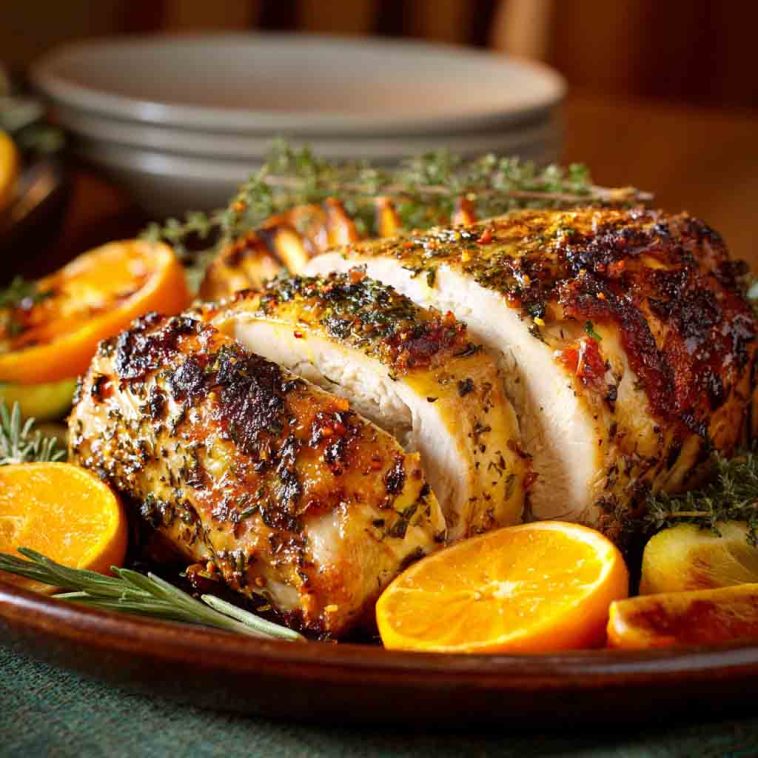
A Bright, Juicy Take on Turkey
Let’s be honest—turkey often gets typecast as the star of Thanksgiving and then disappears for the rest of the year. But roasted turkey breast, especially when kissed with citrus and fresh herbs, absolutely deserves a spot in your year-round dinner rotation. It’s flavorful, protein-packed, and when done right, anything but dry or boring.
This Roasted Citrus Herb Turkey Breast is a perfect example. It’s juicy and aromatic, with a golden, crispy skin and layers of bright citrus and savory herb flavor in every bite. By roasting it with lemon and orange slices, plus a generous slathering of herb-infused butter or oil, you create a turkey dish that feels comforting and elevated all at once.
Whether you’re hosting a small holiday gathering, cooking Sunday dinner, or planning ahead for weekly meal prep, this foolproof recipe delivers big on flavor and moisture—without the stress of roasting an entire bird. Let’s dive in!
What Makes Roasted Citrus Herb Turkey Breast Special?
This dish takes all the best parts of a traditional roast turkey and gives them a fresh, zesty makeover. At its core, Roasted Citrus Herb Turkey Breast is a tender cut of turkey rubbed with an aromatic herb-citrus butter, nestled on a bed of fresh citrus, garlic, and shallots, then roasted to juicy perfection.
The result? A flavor profile that’s zesty, savory, and ultra-moist. The lemon and orange bring a bright acidity that complements the rich, meaty turkey, while rosemary, thyme, and sage build an herbal depth that feels both rustic and elegant. Garlic and shallots roast alongside the bird, infusing the drippings with even more flavor for spooning over your slices—or turning into a quick pan sauce.
What’s truly great is this turkey breast’s versatility. It works for:
A small Thanksgiving or holiday dinner
Sunday roast with leftovers for the week
A make-ahead main for easy lunches
It’s elevated, yet practical. Light, but still satisfying. A perfect balance of comfort food and vibrant flavor—ideal for home cooks who want something special with minimal fuss.
Ingredient Spotlight: Zest, Herbs & Turkey
Let’s break down the key players that make this dish such a standout:
Turkey Breast
Opt for a bone-in, skin-on turkey breast whenever possible. The bone helps conduct heat evenly, and the skin protects the meat while rendering fat and flavor as it roasts. Boneless works too, especially for faster cooking or easier slicing, but be extra mindful of moisture.
Citrus: Lemon, Orange… or Grapefruit?
Citrus is the soul of this recipe. Lemon adds brightness and clarity, while orange brings sweetness and roundness. Together, they offer a clean, vibrant balance that cuts through the richness of the meat. You’ll use both zest (for intensity) and juice or slices (for moisture and aromatics). Grapefruit or lime can also be used for a twist—just be careful not to let bitterness dominate.
Fresh Herbs: Rosemary, Thyme, Sage & Parsley
This herb combo brings woodsy depth (rosemary), subtle earthiness (thyme), and soft, savory notes (sage). Chopped parsley adds freshness and color. Use fresh herbs if you can—dried will work in a pinch, but the flavor is more muted. If substituting dried, use about 1/3 the amount.
Butter or Olive Oil
These fat sources help with browning and flavor delivery. Butter gives richness and a classic roast vibe, while olive oil keeps things light and slightly fruity. Either can be mixed with herbs and citrus zest to create a spreadable compound.
Garlic & Shallots
Roasting these aromatics in the pan base enhances the drippings, lending sweetness and a mellow, savory backbone that complements the citrus and herbs perfectly.
Optional Flavor Boosters
Dijon mustard: Adds a sharp, tangy kick
Honey or maple syrup: For a hint of sweetness to balance citrus
Smoked paprika: A warm, subtly spicy note that deepens flavor
Equipment You’ll Need
You don’t need anything fancy—just a few dependable kitchen staples:
Roasting pan with rack or oven-safe skillet: Ensures even cooking and crisp skin
Meat thermometer: The only way to guarantee juicy, perfectly cooked turkey
Microplane or citrus zester: Essential for extracting flavorful zest without bitter pith
Aluminum foil: For tenting the turkey while it rests
Mixing bowl: To make your herb-citrus butter or oil
Basting brush: Optional, but helpful for applying extra melted butter or pan juices
Carving knife: For clean, elegant slices
Step-by-Step Recipe Walkthrough
Step 1: Prep the Turkey
Remove the turkey breast from the fridge about 30 minutes before roasting. Pat it dry with paper towels to promote crisp skin. Gently loosen the skin from the meat using your fingers—this creates space to rub flavor directly underneath.
Step 2: Make the Herb-Citrus Butter
In a bowl, combine softened butter or olive oil with:
Zest of 1 lemon and 1 orange
1–2 minced garlic cloves
Chopped rosemary, thyme, sage
Salt and pepper to taste
Rub half of this mixture under the skin, spreading it evenly across the meat. Rub the remaining mixture on top of the skin and around the outside.
Step 3: Layer the Aromatics
In your roasting pan, scatter:
Sliced lemons and oranges
Halved shallots and whole garlic cloves
Extra herb sprigs (optional)
You can also place citrus slices under the turkey breast or stuff them in the cavity if using a bone-in half.
Step 4: Roast the Turkey
Preheat oven to 425°F (220°C). Roast uncovered for 15–20 minutes to develop a golden crust.
Reduce heat to 325°F (165°C) and continue roasting until the thickest part reaches 165°F (74°C), usually another 60–90 minutes, depending on the size. Use a meat thermometer to check—don’t guess!
Step 5: Baste Occasionally
Baste with pan juices every 25–30 minutes for extra moisture and shine. If skin darkens too fast, tent with foil loosely toward the end.
Step 6: Rest Before Slicing
Remove from oven and tent loosely with foil. Let the turkey rest for at least 15 minutes. This step allows juices to redistribute, making the meat extra juicy.
Step 7: Slice & Serve
Slice against the grain for the most tender bites. Spoon pan juices over the top or turn them into a simple citrus herb gravy if desired.
Flavor Variations & Ingredient Swaps
One of the joys of roasted turkey breast is how adaptable it is to different flavor profiles. Once you master the citrus-herb base, you can mix things up based on the season, your mood, or what’s in your pantry.
Sweet Glaze: For a holiday-inspired glaze, drizzle maple syrup or honey over the turkey during the last 20 minutes of roasting. It caramelizes slightly and brings out the natural sweetness of the citrus.
Tropical Twist: Try swapping in lime or grapefruit zest and juice. These add unexpected brightness and pair beautifully with herbs like cilantro or mint for a summery version.
Herb Alternatives: Mix up the herbs to match your vibe—marjoram adds a delicate floral note, oregano lends earthiness, and dill brings a fresh, grassy lift. Just be mindful of strong flavors like dill, which work best in moderation.
Compound Butter: For richness and depth, mix garlic and herbs into softened butter and rub it under the skin. It bastes the meat from the inside out.
Spice It Up: Add smoked paprika or chili flakes to the butter or rub for a bit of warmth and color. It balances the citrus beautifully without overwhelming it.
Pro Tip: Citrus and spice work surprisingly well—just keep the heat subtle so the herbs still shine.
Serving Ideas & Pairings
This roasted turkey breast is incredibly versatile when it comes to side dishes and sauces. Here’s how to build a meal around it:
Perfect Side Dishes
Roasted root vegetables: Think carrots, parsnips, and sweet potatoes tossed in olive oil and rosemary.
Crispy potatoes or mash: Garlic mashed potatoes or lemony smashed potatoes are always welcome.
Wild rice pilaf: Add cranberries and toasted pecans for texture and contrast.
Garlic green beans or broccolini: Quickly sautéed in olive oil with a pinch of salt.
Herbed couscous or lemon farro: Light, fluffy, and ready to soak up the citrusy pan juices.
Sauce Options
Citrus herb gravy: Use the pan drippings and whisk in a little stock and flour for a velvety finish.
Cranberry-orange relish: Especially perfect for fall and winter holidays.
Wine Pairings
White wines: A lightly oaked Chardonnay or Viognier complements the herbs and citrus beautifully.
Red wines: Try a light Pinot Noir—its soft tannins and bright acidity won’t overpower the meat.
Hosting tip: Serve with warm crusty bread to mop up the drippings—you won’t regret it.
Leftovers & Meal Prep Tips
This turkey isn’t just delicious—it’s leftover gold. The flavors deepen overnight, making it ideal for meal prep.
Storing Leftovers
Slice the turkey and store it in airtight containers for up to 3–4 days in the fridge.
Store any leftover pan juices separately to reheat and drizzle over.
Best Reheating Methods
Gently reheat slices in the oven at 300°F (150°C), covered with foil and a splash of broth or drippings to retain moisture.
Or warm on the stovetop over low heat with a lid.
Creative Uses
Layer onto sourdough with cranberry mustard for a next-day sandwich.
Dice it into grain bowls with roasted veggies and tahini dressing.
Toss it into a turkey salad wrap with crunchy greens and herbs.
Time-saver tip: Slice before refrigerating—makes weekday lunches a breeze.
Troubleshooting Common Issues
Even the best cooks hit a few snags. Here’s how to fix common problems:
Dry Meat? Be sure to start with a blast of high heat, then reduce and roast low-and-slow. Don’t cook past 165°F (74°C).
Bitter Flavor? Avoid zesting the white pith—use only the colored peel. Use juice sparingly in the rub.
Bland Turkey? Don’t be shy with salt, herbs, and fat under the skin. They’re key to deep flavor.
Rubbery Skin? Roast uncovered for the final 20 minutes to crisp it up. Patting the skin dry before roasting also helps.
Reminder: A meat thermometer is your best friend here.
FAQs — What People Also Ask
How do you keep a turkey breast from drying out in the oven?
Start with a short high-temp roast to crisp the skin, then lower the heat for gentle, even cooking. Use a meat thermometer to avoid overcooking, and always rest the meat before slicing so the juices redistribute.
Should I cover my turkey breast while roasting?
Only if the skin starts to brown too quickly. Roast uncovered to develop golden skin, then tent loosely with foil near the end if needed.
Can I use boneless turkey breast?
Absolutely. Boneless breasts are faster and easier to slice, but they cook more quickly, so monitor the internal temp carefully and baste more often to prevent drying out.
What herbs go best with citrus turkey?
The classics—rosemary, thyme, sage, and parsley—offer a well-rounded herbal profile. For something different, try oregano, marjoram, or even tarragon.
How do you know when turkey breast is done?
The internal temperature should reach 165°F (74°C) at the thickest point. Don’t rely on time alone—a thermometer guarantees juicy results.
Roasted Citrus Herb Turkey Breast
Equipment
- Roasting pan with rack or cast iron skillet
- Meat thermometer
- Microplane or zester
- Basting brush
- Sharp knife
- Aluminum foil
- Mixing bowls
Ingredients
- 1 bone-in turkey breast (3 to 4 lbs), skin-on
- Zest and juice of 1 lemon
- Zest and juice of 1 orange
- 4 tbsp unsalted butter, softened (or use olive oil)
- 4 garlic cloves, minced
- 2 tbsp chopped fresh rosemary
- 2 tbsp chopped fresh thyme
- 1 tbsp chopped parsley
- 1 small shallot, finely minced
- 1 tsp Dijon mustard (optional)
- ½ tsp smoked paprika (optional)
- Kosher salt and black pepper, to taste
- Extra citrus slices and herb sprigs for roasting base
Instructions
- Prep the Oven & PanPreheat oven to 425°F (220°C). Line a roasting pan or oven-safe skillet with citrus slices and herb sprigs.
- Mix the Herb ButterIn a small bowl, combine softened butter, lemon zest, orange zest, garlic, herbs, shallots, mustard (if using), paprika, salt, and pepper.
- Prep the Turkey BreastPat the turkey breast dry. Gently loosen the skin with your fingers and rub half the herb butter underneath. Rub the remaining butter all over the surface.
- Arrange for RoastingPlace the turkey breast on top of the citrus/herb bed. Pour lemon and orange juice around (not on) the turkey.
- Roast at High HeatRoast at 425°F for 15 minutes to help crisp the skin.
- Reduce & Continue RoastingLower temperature to 325°F (165°C) and roast until internal temp reads 160°F in the thickest part (about 20 minutes per pound). Baste once or twice during the roast with pan juices.
- Rest Before CarvingRemove from oven, tent with foil, and let rest 15–20 minutes. It will continue to rise to 165°F.
- Carve & ServeSlice against the grain and serve with citrusy pan juices or a quick gravy.
Notes
- Boneless Option: Works well too—reduce cooking time by ~15 minutes per pound.
- Flavor Swap: Swap lemon/orange for grapefruit and tarragon for a fun twist.
- Make-Ahead: Mix herb butter 1–2 days in advance and refrigerate. Bring to room temp before using.
- Leftovers: Excellent for sandwiches, salads, or turkey hash.
- Storage: Refrigerate up to 4 days; freeze for up to 2 months.


